
Dealing with Brown Patch Fungal Disease in Lawns
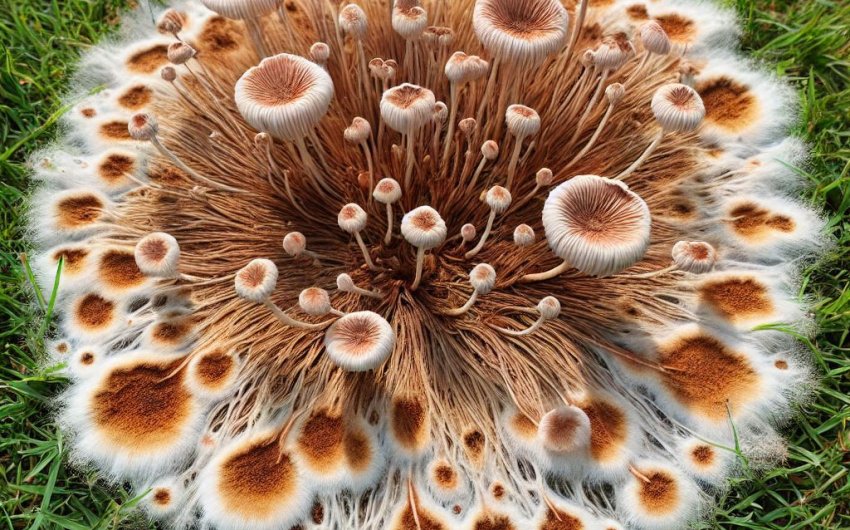
The sight of a lush, green lawn is one of the true joys of homeownership. It’s a place for play, relaxation, and a testament to diligent care. But sometimes, unwelcome invaders appear, marring that perfect carpet of green with unsightly blemishes. Among the most common and frustrating of these is brown patch, a pervasive fungal disease that can quickly turn vibrant turf into a mottled landscape of circular, brown areas. It’s a common bane for many gardeners, especially during specific weather conditions.
Dealing with brown patch fungal disease in lawns can feel like a losing battle, but understanding its causes, identifying its symptoms, and knowing the right strategies for prevention and treatment are key to reclaiming your lawn's health. This isn't just about aesthetics; severe fungal infections can weaken your grass, making it more susceptible to other problems. This guide will delve into the intricacies of this widespread lawn affliction, arming you with the knowledge and practical steps needed to identify, manage, and ultimately overcome brown patch, ensuring your lawn stays as healthy and beautiful as possible.
What is Brown Patch Fungal Disease?
Brown patch is one of the most common and widespread turfgrass diseases, affecting a wide variety of lawn grasses. It's caused by a specific type of fungus, primarily Rhizoctonia solani, which thrives under particular environmental conditions. Recognizing what it is and how it operates is the first step in effective management.
What Causes Brown Patch?
Brown patch is caused by the fungus Rhizoctonia solani. This fungus is always present in the soil, waiting for the right conditions to become active and infect grass. It's an opportunistic pathogen, meaning it attacks when the grass is stressed or the environment is favorable.
The primary environmental triggers for a brown patch outbreak are:
- High Humidity and Prolonged Leaf Wetness: This is the most crucial factor. The fungus thrives when grass blades stay wet for extended periods, typically 10-12 hours or more, usually overnight. This often happens due to heavy dew, light rain, or improper irrigation.
- Warm Temperatures: Brown patch is primarily a warm-season disease, favoring air temperatures between 70-90°F (21-32°C), with optimum soil temperatures above 65°F (18°C). This is why it's so common in summer.
- Poor Air Circulation: Dense tree canopies, hedges, or structures that block airflow can create stagnant, humid pockets, increasing leaf wetness duration.
- Excessive Nitrogen Fertilizer: Applying too much nitrogen fertilizer, especially in late spring or summer, can lead to lush, tender growth that is more susceptible to the disease.
- Compacted Soil: Poorly draining, compacted soils can stress grass roots and create an unhealthy environment, making the turf more vulnerable.
- Thatch Layer: A thick thatch layer can harbor the fungus and retain moisture, exacerbating the problem.
It's usually a combination of these factors that triggers a severe outbreak of brown patch.
Which Grass Types Are Most Susceptible?
While brown patch can affect many turfgrass species, some are more susceptible than others, and it can vary slightly depending on whether you have a cool-season or warm-season lawn.
- Cool-Season Grasses: These grasses are often hit hard by brown patch during hot, humid summer weather, when they are already under heat stress.
- Perennial Ryegrass
- Tall Fescue (especially when heavily fertilized)
- Kentucky Bluegrass (less susceptible than ryegrass or fescue, but can still be affected)
- Creeping Bentgrass (very susceptible, often seen on golf courses)
- Warm-Season Grasses: Brown patch can also affect warm-season grasses, particularly during periods of cool, wet weather in late spring or early fall when these grasses are not growing vigorously.
- St. Augustinegrass (very common and problematic in St. Augustine lawns)
- Zoysiagrass
- Bermudagrass (less common)
- Centipedegrass
Knowing your grass type helps you understand its vulnerability and tailor your management strategies accordingly.
What Does Brown Patch Look Like?
Identifying brown patch involves looking for distinct symptoms that differentiate it from other lawn problems.
- Circular Patches: The most characteristic symptom is the appearance of roughly circular or irregularly shaped patches of brown or yellowed grass. These patches can range from a few inches to several feet in diameter.
- "Smoke Ring": In the early morning, especially when there's dew on the grass, you might observe a distinctive "smoke ring" or "smoke-colored border" (a grayish-black halo) around the outer edge of the active patches. This is a tell-tale sign and is composed of actively growing fungal mycelium. This ring usually disappears as the day dries.
- Leaf Lesions: Unlike some other diseases that affect the entire plant, brown patch primarily damages the leaf blades, not the roots. Look closely at individual grass blades within the affected patch. You'll often see distinct, irregular-shaped lesions (spots) on the leaves. These lesions might be tan with a darker brown or purplish border.
- Wet, Greasy Appearance: Affected grass within the patch might have a slightly wet, greasy, or slimy appearance in humid conditions before it turns completely brown.
- Doesn't Die Completely: While the leaves turn brown, the crowns and roots of the grass plants usually remain alive. This means the grass often has the potential to recover if conditions improve or if treated effectively. However, severe or prolonged infections can lead to thinning and eventual death of the turf in those areas.
If you suspect brown patch, look for the combination of circular patches, potential smoke rings in the morning, and the specific leaf lesions.
How Can I Prevent Brown Patch Outbreaks?
The best defense against brown patch fungal disease is a strong offense. Implementing good cultural practices that promote a healthy lawn and discourage fungal growth is far more effective than trying to cure an outbreak. Prevention is key.
What is the Best Watering Strategy?
Improper watering is one of the biggest triggers for brown patch. Adjusting your watering habits can dramatically reduce your risk.
- Water Deeply and Infrequently: Instead of shallow daily watering, water deeply to encourage deep root growth. This means applying enough water (about 1 inch) to moisten the soil to a depth of 4-6 inches. A rain gauge can help you measure this.
- Water in the Early Morning: This is critical. Water your lawn in the early morning (between 4 AM and 10 AM, ideally) when the dew is already present. This allows the grass blades to dry completely before nightfall.
- Avoid Evening Watering: Never water your lawn in the late afternoon or evening. This leaves the grass blades wet overnight, creating the perfect environment for the brown patch fungus to thrive for 10-12 hours or more.
- Improve Drainage: If you have areas with standing water or very slow drainage, address these issues. Core aeration (see below) can help improve drainage in compacted soils.
Consistent deep watering in the morning strengthens your lawn and minimizes the leaf wetness that brown patch loves.
How Does Mowing Affect Brown Patch?
Your mowing habits play a significant role in lawn health and disease prevention.
- Mow at the Correct Height: Most turfgrass types should be mowed at their highest recommended height, typically 2.5 to 3.5 inches for cool-season grasses. Taller grass shades the soil, keeps it cooler, and encourages deeper roots, making the grass more resilient. Mowing too short (scalping) stresses the grass, making it more vulnerable to diseases like brown patch.
- Keep Mower Blades Sharp: Dull mower blades rip and tear grass blades, creating jagged wounds that are open invitations for fungal infections. Sharp blades make clean cuts, which heal quickly and cleanly. Sharpen your blades at least once or twice per season, or more if you mow a large area. A lawn mower blade sharpener is a good investment.
- Mulch Grass Clippings (Usually): Unless you have an active disease outbreak (see treatment section), mulching grass clippings back into the lawn (grasscycling) returns valuable nutrients and organic matter to the soil. This promotes overall lawn health, making it more resistant to diseases. Ensure your clippings are finely chopped, and avoid mulching excessively long or wet clippings that can clump and smother the lawn.
What About Fertilization for Disease Prevention?
Proper fertilization is a balancing act. Too much or too little of certain nutrients can increase brown patch susceptibility.
- Avoid Excessive Nitrogen: Over-applying nitrogen fertilizer, especially in late spring or summer, creates lush, tender growth that is particularly vulnerable to brown patch. This "fluffy" growth provides an ideal environment for the fungus.
- Fertilize Moderately and at the Right Time: For cool-season grasses, focus your nitrogen applications in the fall and early spring, reducing nitrogen during the hot summer months. For warm-season grasses, fertilize during their active growing season.
- Use Balanced Fertilizers: Ensure your lawn receives a balanced diet of all essential nutrients, including potassium, which helps improve disease resistance. A slow-release lawn fertilizer is often preferred to avoid sudden growth surges.
- Get a Soil Test: The best way to know your lawn's specific nutrient needs is to get a soil test. This will provide recommendations for balanced fertilization tailored to your soil.
A healthy, well-fed lawn (but not overfed) is better equipped to resist disease pressure.
How Does Air Circulation and Thatch Affect Brown Patch?
These two factors are crucial in creating an environment where brown patch can thrive or be suppressed.
- Improve Air Circulation: Areas with poor air circulation trap humidity and keep grass blades wet for longer.
- Prune Trees and Shrubs: Trim lower branches of trees and shrubs that overhang the lawn to allow more air and sunlight to penetrate.
- Space Plants Properly: Avoid overcrowding in garden beds adjacent to the lawn.
- Consider Fan Use: For very small, localized problem areas, some people even use oscillating fans temporarily to dry out the turf.
- Manage Thatch: Thatch is a layer of undecomposed organic matter that builds up above the soil surface. A thick thatch layer (more than 1/2 inch) can:
- Harbor fungal spores.
- Trap moisture, keeping the crowns of grass plants wet.
- Prevent water, air, and nutrients from reaching the soil.
- Make grass roots shallow.
- Dethatch: If you have a thick thatch layer, dethatch your lawn in late spring or early fall (depending on your grass type) using a power dethatcher or a dethatching rake.
- Aeration: Core aeration (using an aerator tool to pull out plugs of soil) helps break up compaction, improves air and water penetration, and can indirectly help manage thatch by promoting microbial activity.
By proactively managing these environmental factors, you can significantly reduce the likelihood and severity of brown patch outbreaks.
How Do I Treat an Active Brown Patch Infection?
Once you have an active brown patch fungal disease outbreak, preventative measures alone might not be enough. You'll need to take immediate steps to halt its spread and help your lawn recover. Treatment typically involves a combination of cultural adjustments and, in some cases, fungicides.
Should I Bag Grass Clippings During an Outbreak?
Yes, if you have an active brown patch infection, it's generally recommended to bag your grass clippings for a few mowings from the affected areas.
While mulching (grasscycling) is usually beneficial for lawn health, during an active disease outbreak, the clippings can potentially contain active fungal spores. Bagging them and removing them from the lawn can help reduce the amount of inoculum (disease-causing material) in the area, thereby limiting the spread of the fungus to healthy parts of the lawn.
Once the disease is under control and conditions are no longer favorable for brown patch (e.g., cooler, drier weather, or after successful fungicide application), you can resume mulching.
Can Fungicides Help, and How Do I Apply Them?
Fungicides can be an effective tool for controlling active brown patch infections, especially in severe cases or for highly susceptible grass types. However, they are generally considered a last resort and should be used responsibly.
- Systemic vs. Contact Fungicides:
- Contact Fungicides: Form a protective barrier on the leaf surface and kill fungal spores on contact. They need to be reapplied frequently as new growth emerges and old leaves are cut.
- Systemic Fungicides: Are absorbed by the plant and move throughout its tissues, protecting it from within. They offer longer-lasting protection but may take longer to show effects.
- Common Active Ingredients: Look for fungicides containing active ingredients like Azoxystrobin, Propiconazole, Myclobutanil, or Chlorothalonil. Many products specifically labeled for "brown patch" will contain these. You can find lawn fungicide granular or liquid lawn fungicide products.
- Application:
- Read the Label: This is the most crucial step. Fungicide labels provide specific instructions on application rates, mixing, safety precautions, re-entry intervals, and the types of diseases they control. Different products have different instructions.
- Timing: Apply fungicides as soon as you notice the symptoms of brown patch, or even preventatively if you know conditions are highly favorable for the disease (e.g., during a prolonged hot, humid spell on a susceptible lawn).
- Coverage: Ensure even coverage over the affected areas and slightly beyond to create a protective barrier. Use a lawn spreader for granular products or a hose-end sprayer for liquid concentrates.
- Repeat Applications: Most fungicides require repeat applications at regular intervals (e.g., every 14-28 days) to provide continuous protection, especially during extended periods of disease-favorable weather.
Important Considerations:
- Fungicides are most effective when used preventatively or at the very first sign of disease. They cannot "cure" already damaged grass.
- Rotate active ingredients to prevent the fungus from developing resistance to a particular fungicide.
- Always wear appropriate personal protective equipment (PPE) as directed on the label.
Fungicides should always be combined with improved cultural practices to achieve long-term control and promote overall lawn health.
How Does Reducing Nitrogen Help During an Outbreak?
If you have an active brown patch outbreak, avoid applying any nitrogen fertilizer to your lawn.
Excess nitrogen, especially soluble forms, encourages rapid, succulent growth that is highly susceptible to brown patch. It provides an abundant food source for the fungus and creates a dense canopy that traps humidity around the grass blades.
Instead, focus on boosting potassium, which helps with disease resistance, or iron, which can green up the lawn without promoting excessive growth. Resume a balanced fertilization program (with lower nitrogen) once the disease is under control and environmental conditions are no longer conducive to brown patch.
What Are Long-Term Strategies for a Disease-Resistant Lawn?
While managing active infections is important, the true secret to preventing future brown patch fungal disease outbreaks lies in a holistic, long-term approach to lawn care. Building a naturally resilient lawn is the best defense.
How Can I Improve Soil Health?
Healthy soil is the foundation of a healthy lawn that can resist diseases.
- Add Organic Matter: Incorporate organic matter into your soil over time. This can be done by:
- Mulching grass clippings: As discussed, this is a continuous, natural way to add organic matter and nutrients.
- Topdressing with compost: Spread a thin layer (1/4 to 1/2 inch) of high-quality compost over your lawn annually in spring or fall. Compost improves soil structure, water retention, nutrient availability, and feeds beneficial microorganisms.
- Aeration: Regularly core aerate your lawn (every 1-3 years, depending on compaction levels). This pulls out small plugs of soil, relieving compaction, improving air and water penetration, and encouraging deeper root growth. Deeper roots mean more resilient grass.
- Balance Soil pH: Get a soil test to determine your soil pH. Most turfgrasses prefer a slightly acidic to neutral pH (6.0-7.0). If your pH is too far off, amend it with lime (to raise pH) or sulfur (to lower pH) as needed. Proper pH ensures nutrients are available to your grass.
Healthy, living soil creates an environment where grass thrives and beneficial microbes can outcompete disease pathogens.
What Role Does Grass Selection Play?
Choosing the right type of grass for your climate and conditions is crucial for long-term disease resistance.
- Disease-Resistant Varieties: When establishing a new lawn or overseeding an existing one, select turfgrass varieties that are known to be resistant or tolerant to brown patch. Plant breeders have developed many cultivars with improved disease resistance. Research varieties recommended for your specific region and climate by your local extension office or reputable seed suppliers.
- Appropriate Grass Type: Ensure you are growing a grass type that is well-suited to your climate. For example, trying to grow cool-season grasses in a very hot, humid climate where they naturally struggle during summer stress periods will make them more susceptible to brown patch.
- Blends vs. Monoculture: Using a blend of different grass varieties (e.g., a mix of Kentucky bluegrass, perennial ryegrass, and tall fescue) can increase overall disease resistance. If one variety is susceptible to a particular disease, another might be resistant, ensuring that a disease outbreak doesn't wipe out your entire lawn.
Investing in the right grass upfront pays dividends in reduced disease pressure and a healthier lawn.
How Can I Support Beneficial Microbes?
Your lawn's soil is teeming with a microscopic ecosystem. Encouraging beneficial microbes can help suppress disease-causing fungi like Rhizoctonia solani.
- Increase Organic Matter: As discussed, adding compost and mulching clippings provides food and habitat for beneficial microbes.
- Avoid Over-Fertilizing with Synthetics: High doses of synthetic fertilizers, especially nitrogen, can harm beneficial microbial populations.
- Minimize Pesticide Use: Broad-spectrum fungicides and insecticides can kill beneficial microbes along with pests. Use targeted approaches when possible.
- Bio-stimulants: Some products, often called bio-stimulants or soil inoculants, contain beneficial bacteria and fungi that can be applied to the lawn. These can help strengthen the soil food web and potentially improve disease resistance. While not a standalone cure, they can support overall soil health. You can find lawn bio-stimulant products.
By fostering a diverse and healthy soil microbiome, you create a more resilient lawn ecosystem that is better equipped to naturally suppress diseases like brown patch. This holistic approach builds a truly "poppin'" lawn that lasts.