
The Best Way to Restore Lawns Affected by Tree Roots
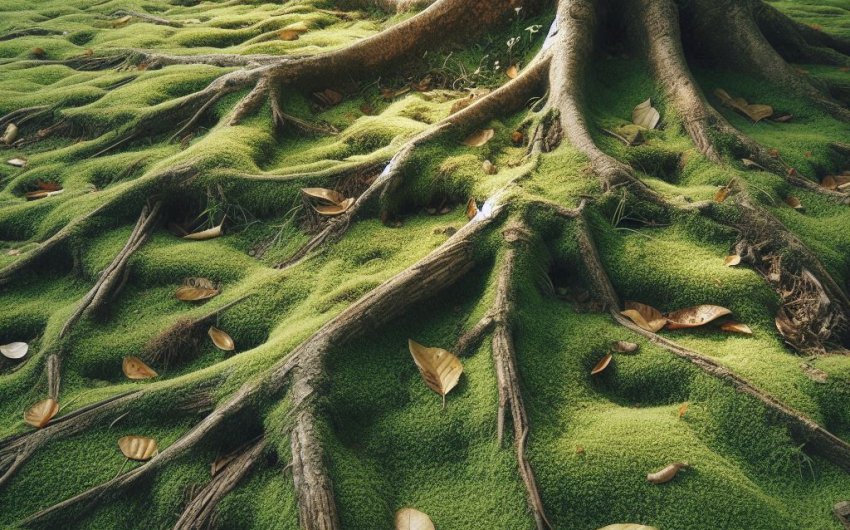
The best way to restore lawns affected by tree roots involves addressing the underlying issues of competition for water and nutrients, and shade, rather than just superficial repairs. This often means modifying the area around the tree to better suit its needs or replacing grass with more shade and drought-tolerant alternatives.
Why Do Lawns Suffer Near Tree Roots?
The relationship between a majestic tree and a lush lawn can often be challenging. While trees provide valuable shade and aesthetic appeal, their extensive root systems and dense canopies create environmental conditions that are inherently difficult for most turfgrasses to thrive in. Understanding these conflicts is the first step to restoring lawns affected by tree roots.
1. Intense Competition for Water
- Tree Dominance: Tree roots are typically deeper, more extensive, and far more efficient at absorbing available moisture from the soil than shallow-rooted lawn grass. When conditions are dry, trees will always outcompete grass for water, leaving the lawn parched and stressed.
- Rapid Depletion: Even after watering or rainfall, the sheer volume of water absorbed by a mature tree's root system can quickly deplete moisture from the surrounding soil, leading to rapid drying and wilting of grass.
2. Nutrient Depletion
- Tree as a Heavy Feeder: Trees require a significant amount of nutrients for their growth, especially large, mature specimens. Their roots spread far and wide, effectively "hoarding" available nutrients in the topsoil.
- Grass Starvation: This leaves little in the way of nitrogen, phosphorus, or potassium for the lawn grass, leading to stunted, yellowing, and weak turf that is highly susceptible to disease and stress.
3. Excessive Shade
- Photosynthesis Requirement: Most common lawn grasses (especially warm-season varieties and many cool-season ones) require at least 6-8 hours of direct sunlight per day for healthy growth.
- Canopy Blockage: Mature trees cast dense shade for much of the day, depriving the grass underneath of the sunlight it needs for photosynthesis. This results in thin, sparse, weak, and often sickly-looking grass.
- Compounding Effect: Shade also keeps the soil cooler and wetter for longer, which can exacerbate issues like fungal diseases, especially if combined with poor air circulation.
4. Physical Obstruction and Damage
- Surface Roots: Many trees, particularly shallow-rooted species (like maples, poplars, some oaks), develop large surface roots that become exposed over time.
- Mowing Hazard: These roots can be a tripping hazard and are easily damaged by mowers, which can injure both the tree and the lawnmower.
- Compaction: Foot traffic on exposed roots can compact the surrounding soil, further hindering grass growth.
- Falling Debris: Falling leaves, nuts, acorns, and branches from trees can smother grass, block light, and add to thatch buildup if not regularly cleared.
5. Other Environmental Factors
- Allelopathy: Some trees release chemicals (allelopaths) through their roots or decaying leaves that can inhibit the growth of other plants, including grass. Black Walnut is a well-known example.
- Soil pH Changes: Over time, decomposing leaves and needles from certain trees (e.g., pine trees) can slightly alter the soil pH, making it more acidic than ideal for many turfgrasses.
Understanding these multifaceted challenges is key to developing an effective restoration strategy for lawns affected by tree roots. Simply trying to force grass to grow where it can't thrive is often a losing battle.
What are the Signs of Lawn Damage from Tree Roots?
Recognizing the specific symptoms of lawn damage caused by tree roots is crucial for accurate diagnosis and effective treatment. These signs often appear subtly and worsen over time.
1. Thin, Sparse, and Weak Grass Growth
- Appearance: Instead of a dense, healthy turf, the grass under and around the tree canopy will appear thin, scraggly, and lacking vigor. You might see more bare patches than actual grass.
- Why: This is a direct result of the intense competition for sunlight, water, and nutrients. The grass simply doesn't have enough resources to produce dense growth.
2. Yellowing or Pale Green Grass
- Appearance: The grass blades might have a sickly yellow or very pale green color, often appearing chlorotic (yellowing between the veins) due to nutrient deficiencies (especially iron and nitrogen).
- Why: Trees are "nutrient hogs," and the grass is simply not getting enough to produce chlorophyll, the pigment that makes it green.
3. Wilting and Browning, Even After Watering
- Appearance: The grass wilts quickly during dry spells, and may turn brown and crunchy, even if you try to water it. Recovery is slow or non-existent.
- Why: Tree roots rapidly absorb any available water, leaving the grass thirsty almost immediately. This is a common symptom in drought conditions.
4. Exposed Surface Roots
- Appearance: Large, visible tree roots pushing up through the soil surface, creating an uneven, bumpy terrain.
- Why: As trees mature, their structural roots grow thicker and expand. In some species, these roots naturally grow shallowly, or soil erosion might expose them over time.
- Consequences: These exposed roots make mowing difficult and dangerous (damaging both roots and mower blades), and any grass growing over them will struggle due to lack of soil depth.
5. Increased Presence of Weeds and Moss
- Appearance: Areas under trees often become overtaken by weeds that are more tolerant of shade and poor soil conditions (e.g., ground ivy, creeping Charlie, certain types of moss).
- Why: Weakened grass creates open niches for opportunistic weeds. Moss thrives in damp, shady, and often acidic or compacted soil conditions, which are common under trees.
6. Slow or No Response to Fertilization
- Appearance: Despite applying fertilizer, the grass under the tree remains pale, thin, or struggles to green up.
- Why: The tree roots are intercepting most of the applied nutrients before the grass has a chance to absorb them.
7. Disease and Pest Susceptibility
- Appearance: Weakened, stressed grass under trees is more prone to fungal diseases (due to prolonged moisture from shade) and insect infestations. You might see patches of disease or evidence of pests.
- Why: Stressed plants have compromised immune systems, making them easy targets.
Observing these symptoms will help you confirm that your lawn's struggles are indeed related to tree root competition and guide you toward the most effective solutions.
What are the Best Solutions for Lawns Affected by Tree Roots?
The most effective way to restore lawns affected by tree roots is to understand that the tree's needs will always win out over the grass. Therefore, solutions typically involve adapting the landscape to this reality, rather than trying to force grass to thrive where it can't.
1. Remove the Grass and Create a Mulch Bed
This is often the easiest, most sustainable, and most beneficial solution for both the lawn and the tree.
- Process:
- Carefully remove the struggling grass from around the tree.
- Apply a 2-4 inch layer of organic mulch (like shredded bark, wood chips, or compost) in a wide circle around the tree. Extend the mulch out to the tree's drip line (the edge of its canopy) or even beyond. Keep the mulch a few inches away from the tree trunk to prevent rot.
- Benefits:
- Eliminates Competition: Removes the competition for water and nutrients, benefiting the tree.
- Conserves Moisture: Mulch helps the soil retain moisture, reducing watering frequency for the tree.
- Suppresses Weeds: Greatly reduces weed growth.
- Protects Roots: Prevents damage to surface roots from mowers and foot traffic.
- Improves Soil: As mulch breaks down, it slowly adds organic matter, improving soil structure and fertility.
- Aesthetics: Creates a neat, defined, and attractive border around the tree. For quality mulch, consider Scotts Nature Scapes Advanced Mulch.
2. Plant Shade-Tolerant Groundcovers or Perennials
If you want living plants under the tree but grass won't grow, opt for species that naturally thrive in shade and can compete with tree roots.
- Process: After removing grass and adding some compost, plant species known for shade tolerance and drought resistance.
- Benefits: Provides living groundcover, adds beauty, reduces erosion.
- Examples of Shade & Drought-Tolerant Plants:
- Groundcovers: Pachysandra, English Ivy (can be invasive in some regions, research local advisories), Creeping Myrtle (Vinca minor), Liriope, Mondo Grass, Ajuga.
- Perennials: Hostas, Astilbe, Ferns (many varieties), Coral Bells (Heuchera), Bleeding Heart (Dicentra spectabilis), certain varieties of Hellebore.
- Establishment: Water new plantings consistently until they are established.
3. Raise the Tree Bed (Carefully!)
If surface roots are a major issue and you want to maintain a distinct bed around the tree, you can create a raised bed very carefully.
- Caution: Adding more than a few inches of soil over the tree's root flare (where the trunk widens at the base) can suffocate the tree and lead to decline.
- Process: Build a low retaining wall (e.g., stone or timber) around the tree, ensuring the top of the root flare remains exposed. Fill the bed with a thin layer of compost and plant shade-tolerant groundcovers or mulch.
- Expert Advice: For established, mature trees, it's best to consult an arborist before significantly raising the soil level around the trunk.
How Do I Improve Lawn Conditions to Relieve Tree Root Stress?
While converting areas to mulch or shade gardens is often the best long-term solution, there are some measures you can take to improve the conditions for grass growing near trees, though they may not fully resolve the competition. These are typically most effective for less severe tree root issues or for specific types of grass.
1. Adjust Watering for Both Tree and Grass
- Deep and Infrequent for Grass: Continue to water the lawn deeply and infrequently. This encourages grass roots to grow deeper, potentially accessing moisture below the shallow tree roots.
- Supplemental Tree Watering: During prolonged dry spells, ensure the tree itself is receiving adequate water. A stressed tree will compete even more aggressively with the grass. Consider a Tree Watering Bag for efficient deep watering of the tree.
- Targeted Watering: If using sprinklers, ensure sufficient overlap in areas near trees. Drip irrigation or soaker hoses around the tree's drip line can be a more efficient way to water both tree and grass.
2. Increase Mowing Height
- Taller Grass: Set your mower blade to the highest recommended setting for your grass type (e.g., 3-4 inches for cool-season grasses).
- Why it Helps: Taller grass blades create more shade for the soil, keeping it cooler and reducing moisture evaporation. They also have more leaf surface for photosynthesis, allowing the plant to produce more energy and grow deeper roots, which increases its resilience to root competition.
3. Improve Soil Quality and Aeration
- Core Aeration: Regularly aerate the compacted soil around the tree and in affected lawn areas. This creates channels for water, air, and nutrients to penetrate deeper, benefiting both grass and tree roots. Fall is often the best time for aeration. A Yard Butler Coring Aerator can work for small areas.
- Topdressing with Compost: Apply a thin layer (1/4 to 1/2 inch) of good quality compost over the affected lawn areas once or twice a year (spring and/or fall).
- Why it Helps: Compost slowly amends the soil, improving its structure, increasing water retention, and adding essential nutrients that can benefit the grass.
4. Fertilize Appropriately
- Balanced Approach: Perform a soil test to determine nutrient deficiencies. Apply a balanced, slow-release granular fertilizer, perhaps slightly favoring phosphorus and potassium to strengthen roots.
- Split Applications: Consider splitting fertilizer applications into smaller doses to provide a more consistent supply of nutrients without overwhelming the tree or causing runoff.
- Avoid Excess Nitrogen: Do not over-fertilize with nitrogen, as this promotes lush top growth that is very susceptible to drought stress.
5. Prune Tree Canopy (Selectively)
- Professional Pruning: If the primary issue is dense shade, consider having a certified arborist selectively thin the tree's canopy.
- Why it Helps: This allows more sunlight to reach the grass below, improving photosynthesis. However, avoid "topping" or over-pruning, which can damage the tree. This is a measure for very dense canopies, not just any shade.
6. Choose Shade-Tolerant Grass Varieties
- Overseed: If your existing grass struggles with shade, overseed with more shade-tolerant turfgrass varieties in the fall.
- Cool-Season Examples: Fine Fescues (e.g., Creeping Red Fescue, Chewings Fescue) are generally more shade-tolerant than Kentucky Bluegrass or Perennial Ryegrass.
- Warm-Season Examples: St. Augustine grass or Zoysia grass can tolerate some shade, but still prefer a good amount of sun.
What Practices Should I AVOID When Dealing with Lawn Damage from Tree Roots?
Just as important as knowing what to do is knowing what not to do when trying to restore lawns affected by tree roots. Some common remedies can actually worsen the problem or even harm your valuable trees.
1. Cutting or Severing Large Tree Roots
- Mistake: Attempting to cut or sever large surface roots (larger than 2 inches in diameter) to remove physical obstructions or reduce competition.
- Consequence: This can cause severe damage to the tree's stability and health, potentially leading to disease entry points, root rot, or even tree death. Trees rely on their roots for anchorage and nutrient/water uptake.
- Solution: Never cut large tree roots without consulting a certified arborist. Small, fibrous roots can be gently pruned if absolutely necessary during bed preparation, but avoid anything significant.
2. Adding Too Much Soil Over Surface Roots
- Mistake: Piling several inches or more of topsoil directly over existing tree roots to create a flat surface for grass.
- Consequence: This can suffocate the tree's roots and root collar (the area where the trunk flares out at the base), leading to slow decline, root rot, and eventual tree death. Roots need oxygen.
- Solution: If creating a bed around the tree, ensure the tree's root flare remains exposed. For minor leveling, only add very thin layers of soil (less than 1 inch) at a time, allowing the tree to adjust. Consult an arborist for significant grade changes.
3. Over-Fertilizing the Grass
- Mistake: Applying excessive amounts of fertilizer, especially nitrogen, to compensate for poor grass growth under trees.
- Consequence: While some nutrients are needed, too much fertilizer can stimulate lush, weak grass growth that is even more susceptible to drought and heat stress. The tree will also absorb much of it, potentially causing it to put on tender new growth at the wrong time of year.
- Solution: Fertilize based on a soil test, using slow-release formulas, and focus on overall soil health.
4. Watering Too Frequently and Shallowly
- Mistake: Giving light, daily sprinklings to keep the grass green.
- Consequence: This encourages shallow grass roots that are entirely dependent on surface moisture and cannot compete with the tree's deeper roots. It also promotes disease.
- Solution: Water deeply and infrequently to encourage strong, deep grass roots, and to benefit the tree's deeper root system.
5. Forcing Incompatible Grass Types
- Mistake: Continuously trying to grow full-sun, warm-season grass varieties (like Bermuda grass) or very sun-loving cool-season grasses (like Kentucky Bluegrass) in dense shade.
- Consequence: Ongoing frustration, wasted time and money, and a perpetually thin, unhealthy lawn.
- Solution: Be realistic about the light conditions and choose appropriate shade-tolerant grass types, or consider alternative landscaping solutions like groundcovers or mulch beds.
By understanding why lawns struggle near tree roots and implementing thoughtful, sustainable solutions, you can effectively restore lawns affected by tree roots, fostering a healthier balance between your magnificent trees and a thriving landscape.