
Revitalize Your Soil: Solutions for Depleted Earth
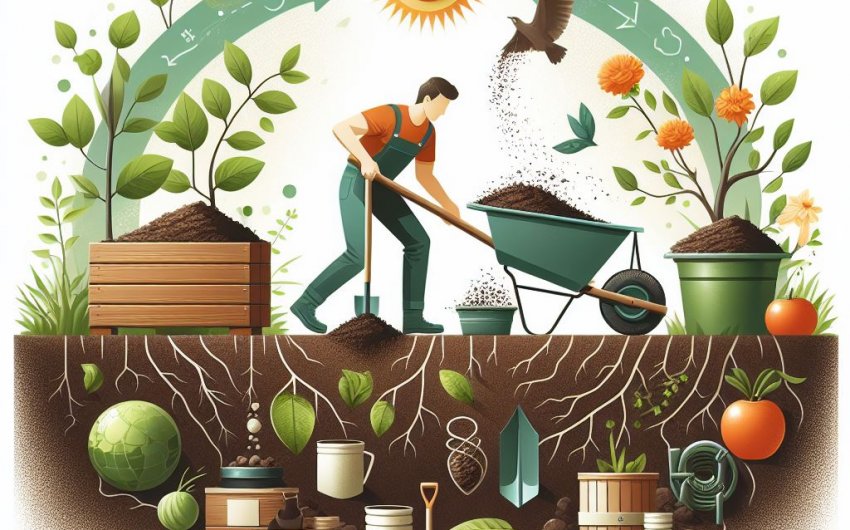
Revitalizing your soil, even severely depleted earth, is an achievable and incredibly rewarding process that forms the bedrock of a thriving garden or landscape. By understanding the causes of soil depletion and implementing targeted, sustainable solutions, you can restore its vitality, transforming barren ground into fertile, life-supporting earth. This guide explores effective solutions for depleted earth, empowering you to create a vibrant, productive ecosystem.
Why Is Healthy Soil So Crucial for Plant Growth?
Healthy soil is the foundational pillar of all successful plant growth, acting as a complex, living ecosystem that provides essential sustenance and support. Without vital, flourishing soil, even the most vigorous plants will struggle to thrive, leading to poor yields and a perpetually challenging gardening experience. Understanding its crucial role is the first step in revitalizing your soil and tackling solutions for depleted earth.
What Are the Key Functions of Healthy Soil?
Healthy soil performs a multitude of indispensable functions that directly impact plant health, water management, and the overall vitality of your garden. It's truly living earth.
- Nutrient Reservoir and Delivery System:
- Function: Healthy soil stores and slowly releases essential plant nutrients (Nitrogen, Phosphorus, Potassium, and a host of micronutrients) in a form plants can absorb. It also supports the soil food web (microbes, fungi, insects) that break down organic matter, making nutrients available.
- Impact: Plants receive a balanced, steady diet, leading to robust growth, vibrant foliage, and abundant flowers/fruits.
- Water Management (Retention and Drainage):
- Function: Ideal soil acts like a sponge—it retains sufficient moisture for plant roots but also allows excess water to drain away freely. Its structure includes diverse pore spaces.
- Impact: Prevents plants from drying out quickly (drought stress) and protects roots from suffocation and rot due to waterlogging.
- Physical Support and Anchorage:
- Function: Provides a stable medium for plant roots to grow into, anchoring the plant firmly against wind and other forces.
- Impact: Strong, well-developed root systems support healthy, upright plant growth.
- Oxygen for Roots:
- Function: Healthy soil has ample pore spaces (air pockets) that allow oxygen to reach plant roots. Roots, like us, need oxygen to "breathe" and carry out metabolic functions.
- Impact: Prevents root suffocation, promotes healthy root growth, and reduces susceptibility to root-borne diseases.
- Habitat for Beneficial Organisms:
- Function: A thriving soil is teeming with a diverse community of microorganisms (bacteria, fungi, protozoa), insects, earthworms, and nematodes. These organisms decompose organic matter, cycle nutrients, suppress diseases, and improve soil structure.
- Impact: Creates a resilient ecosystem that supports plant immunity and vitality, reducing reliance on chemical inputs.
- Temperature Regulation:
- Function: Soil acts as an insulator, moderating temperature fluctuations around plant roots, protecting them from extreme heat in summer and freezing cold in winter.
- Impact: Provides a more stable and less stressful environment for root development.
- Buffering Capacity:
- Function: Healthy soil has a natural ability to resist rapid changes in pH, making it more stable and forgiving for plant growth.
- Impact: Ensures optimal nutrient availability, as pH influences how easily plants can absorb nutrients.
By embracing these essential functions, you appreciate why revitalizing your soil is not merely a task, but an investment in the long-term health and productivity of your garden, making solutions for depleted earth paramount for every gardener.
What Are the Common Causes of Depleted Earth?
Depleted earth, or exhausted soil, doesn't just happen by accident; it's typically the result of specific gardening practices and environmental factors that strip away its vitality over time. Understanding these common causes is the first crucial step in revitalizing your soil and finding effective solutions for depleted earth. Recognizing the problem is paramount to implementing the right fixes.
What Practices Lead to Soil Exhaustion?
Many common gardening mistakes or oversights can gradually degrade soil quality, leading to depletion. These actions undermine the natural processes that keep soil healthy.
- Lack of Organic Matter (The Biggest Culprit):
- Cause: Failure to regularly add compost, aged manure, or other organic materials. Continual removal of plant debris without replenishment.
- Impact: Organic matter is the lifeblood of soil, providing structure, nutrients, water retention, and food for microbes. Its depletion leads to poor soil structure (compaction or excessive sandiness), nutrient loss, reduced water-holding capacity, and a decline in beneficial microbial activity.
- Over-Tilling or Excessive Soil Disturbance:
- Cause: Repeated, deep tilling or digging, especially with heavy machinery.
- Impact: Disrupts the natural soil structure (soil aggregates), destroys beneficial fungal networks (mycorrhizae), reduces organic matter over time, and can lead to compaction (creating a hardpan) beneath the tilled layer. It also brings dormant weed seeds to the surface.
- Monoculture or Lack of Crop Rotation:
- Cause: Planting the same crop (or family of crops) in the same spot year after year.
- Impact: Each crop draws specific nutrients from the soil. Monoculture rapidly depletes specific nutrients while others might build up. It also encourages the buildup of crop-specific pests and diseases in the soil.
- Improper Fertilization (Chemical Reliance):
- Cause: Exclusive reliance on synthetic, fast-release chemical fertilizers without also replenishing organic matter.
- Impact: Chemical fertilizers provide only specific nutrients and do not feed the soil food web or improve soil structure. Overuse can kill beneficial microbes, lead to salt buildup, and contribute to nutrient runoff, further degrading the soil's long-term health.
- Erosion:
- Cause: Bare soil exposed to wind and rain. Sloping beds without cover crops or terracing.
- Impact: Rain and wind can wash away valuable topsoil, the richest and most fertile layer of the earth, leading to a direct loss of organic matter and nutrients.
- Soil Compaction:
- Cause: Walking on wet garden beds, heavy machinery, or lack of organic matter to create aggregation.
- Impact: Reduces pore space in the soil, limiting oxygen access for roots and beneficial microbes, hindering drainage, and making root penetration difficult.
- Nutrient Leaching:
- Cause: Excessive watering, especially in sandy soils, or heavy rainfall.
- Impact: Water soluble nutrients (especially nitrogen) are washed away deep into the soil profile, beyond the reach of plant roots, or out of the garden entirely.
By identifying these common causes, gardeners can proactively adjust their practices, paving the way for effective solutions for depleted earth and the successful revitalization of their soil.
What is the Most Effective Way to Revitalize Depleted Soil?
The single most effective way to revitalize depleted soil, transforming barren ground into a rich, living medium, is through the generous and consistent addition of organic matter. This fundamental practice is the cornerstone of sustainable gardening and the ultimate solution for depleted earth, directly addressing the core issues of nutrient loss, poor structure, and diminished microbial life. It’s the ultimate garden wisdom for vegetable gardening.
Why is Organic Matter the "Magic Bullet"?
Organic matter, in its various forms, is truly the lifeblood of healthy soil, offering a myriad of benefits that synthetic fertilizers or single amendments simply cannot replicate. It's the most effective trick for revitalizing your soil.
- Improves Soil Structure (Aggregate Formation):
- Organic matter acts like a glue, binding together tiny soil particles into larger "aggregates."
- In Clay Soil: This process breaks up heavy clay, creating pore spaces that improve drainage and aeration, preventing compaction.
- In Sandy Soil: This process helps sandy soil hold together better, increasing its water and nutrient retention capacity.
- Overall: Creates a loose, friable, crumbly texture that is ideal for root growth.
- Provides Essential Nutrients (Slow Release):
- As organic matter decomposes, it slowly and steadily releases a wide range of macro and micronutrients in a form readily available to plants. It's a natural, balanced fertilizer that won't burn roots.
- It also increases the soil's Cation Exchange Capacity (CEC), which is its ability to hold onto nutrients, preventing them from leaching away.
- Feeds the Soil Food Web:
- Organic matter is the primary food source for the vast and diverse microorganisms (bacteria, fungi), earthworms, and other beneficial life in the soil.
- These organisms are crucial for breaking down nutrients, suppressing diseases, and continuing to improve soil structure. A living soil is a healthy soil.
- Enhances Water Retention:
- Organic matter can hold up to 20 times its weight in water, acting like a sponge in the soil.
- This significantly increases the soil's ability to retain moisture, reducing the need for frequent watering and protecting plants during dry spells.
- Buffers Soil pH:
- Healthy soil rich in organic matter tends to be more pH-stable, resisting extreme fluctuations in acidity or alkalinity and keeping it in the ideal range for most plants.
- Suppresses Diseases:
- A diverse and thriving soil food web (fed by organic matter) naturally creates a disease-suppressive environment, where beneficial microbes outcompete or prey on harmful pathogens.
What Are the Best Sources of Organic Matter?
Various readily available organic materials can be incorporated to revitalize your soil. They are excellent solutions for depleted earth.
- Compost (The Gold Standard):
- Description: Decomposed organic material from kitchen scraps, yard waste, etc. (compost bin).
- Application: Work 2-4 inches into beds before planting. Side-dress plants throughout the season.
- Aged Manure:
- Description: Cow, horse, chicken, or other animal manure that has been composted for at least 6 months (to avoid burning plants with fresh nitrogen).
- Application: Similar to compost. A bag of aged manure can jumpstart fertility.
- Leaf Mold:
- Description: Decomposed autumn leaves.
- Application: Excellent soil conditioner, adds structure and retains moisture.
- Cover Crops:
- Description: Plants grown specifically to improve soil health, then tilled under or "chopped and dropped." (e.g., clover, vetch, oats).
- Application: Plant in off-season, then incorporate.
By making the generous and consistent addition of organic matter a cornerstone of your gardening practice, you effectively revitalize your soil, creating a living, breathing medium that supports abundant plant growth and ensures your garden truly flourishes. This is the most powerful solution for depleted earth.
How Do You Amend Soil for Optimal pH and Nutrient Balance?
Amending soil for optimal pH and nutrient balance is a precise and crucial aspect of revitalizing your soil, ensuring plants can efficiently access the food they need for robust growth. This targeted approach moves beyond simply adding organic matter to fine-tune the soil's chemistry, making it a critical trick for addressing solutions for depleted earth. Getting these levels right is fundamental to plant health and productivity.
What is Soil pH and Why is it Critical?
Soil pH measures its acidity or alkalinity, and it's perhaps the most critical chemical factor in soil health, directly impacting nutrient availability. It's essential garden wisdom for vegetable gardening.
- The Scale: pH is measured on a scale of 0 to 14, with 7 being neutral. Below 7 is acidic, above 7 is alkaline.
- Nutrient Availability: Different nutrients become available to plants at different pH ranges. For most vegetables, a slightly acidic to neutral range (pH 6.0 to 7.0) is ideal.
- Acidic Soil (low pH): Can make some nutrients (like phosphorus, calcium) less available and can make others (aluminum) toxic.
- Alkaline Soil (high pH): Can make micronutrients (like iron, manganese) less available.
- How to Test: Always start with a soil test. Your local extension office provides the most accurate and specific recommendations for amending pH. A home soil testing kit can give you a preliminary idea.
- Adjusting pH:
- To Raise pH (Make More Alkaline): Add agricultural limestone (calcium carbonate or dolomitic limestone). This is a slow-acting process, best applied in fall for spring planting.
- To Lower pH (Make More Acidic): Add elemental sulfur, peat moss, or iron sulfate. This is also a slow process.
- Caution: Apply amendments gradually and retest after a few months; drastic changes can harm soil life.
What Nutrients Do Plants Need and How to Replenish Them?
Beyond pH, ensuring a balanced supply of macro and micronutrients is vital for plant vigor. Your soil test will guide these essential amendments for revitalizing your soil.
- Macronutrients (Needed in Large Amounts):
- Nitrogen (N): For leafy green growth.
- Deficiency: Yellowing leaves, stunted growth.
- Sources: Blood meal, composted manure, fish emulsion, legumes (cover crops).
- Phosphorus (P): For strong roots, flowers, and fruit.
- Deficiency: Purplish leaves, poor flowering/fruiting.
- Sources: Bone meal, rock phosphate, worm castings.
- Potassium (K): For overall plant vigor, disease resistance, and fruit quality.
- Deficiency: Yellowing leaf margins, weak stems.
- Sources: Greensand, kelp meal, wood ash (use sparingly, raises pH).
- Nitrogen (N): For leafy green growth.
- Micronutrients (Needed in Small Amounts): Iron, boron, manganese, zinc, copper, molybdenum, etc.
- Sources: Well-rotted compost, seaweed extract, and specific mineral supplements if a soil test indicates a severe deficiency. Healthy soil with high organic matter usually has sufficient micronutrients.
What Are Best Practices for Nutrient Amendments?
- Organic First: Prioritize compost and other organic amendments as they provide a balanced array of nutrients, improve soil structure, and feed the soil food web. A bag of organic fertilizer for vegetables can supplement.
- Targeted Application: Use synthetic or specific organic fertilizers (e.g., bone meal for P) only when a soil test confirms a deficiency or for specific plant needs (e.g., a liquid feed for fruiting plants).
- Incorporation: Work granular amendments (lime, sulfur, rock dusts) into the top 6-12 inches of soil for best results. Liquid feeds are applied as a drench.
- Monitor and Re-test: Observe your plants for signs of deficiency. Re-test your soil every 2-3 years to monitor changes and adjust your amendment plan accordingly.
By meticulously amending your soil for optimal pH and nutrient balance, you undertake essential steps in revitalizing your soil, ensuring your plants receive the precise "food" they need to thrive and produce abundantly, leading to a truly flourishing garden. This is a profound trick for all vegetable gardening.
How Can Cover Crops Be Used to Restore Soil Health?
Cover crops are a powerful, natural, and sustainable solution for depleted earth, acting as living "green manures" that actively restore soil health between growing seasons or in fallow areas. Instead of leaving soil bare, planting these beneficial crops is a smart strategy for revitalizing your soil, enriching it with organic matter, and improving its structure. They are an essential trick for any gardener seeking garden wisdom for vegetable gardening.
What Are Cover Crops and Why Are They So Beneficial?
Cover crops are plants grown specifically to benefit the soil and the overall garden ecosystem, rather than for direct harvest. Their impact on soil vitality is immense. They are indispensable solutions for depleted earth.
- Add Organic Matter: When cover crops are tilled into the soil or left to decompose on the surface (chop-and-drop method), they contribute significant amounts of organic matter.
- Benefit: This improves soil structure (aeration, drainage), increases water retention, and provides a slow-release source of nutrients.
- Prevent Erosion: A living cover crop protects bare soil from the erosive forces of wind and rain, keeping precious topsoil (rich in nutrients) in place.
- Benefit: Prevents nutrient loss and maintains soil integrity.
- Suppress Weeds: A dense stand of cover crops can outcompete and smother weeds, preventing them from germinating and establishing.
- Benefit: Reduces weeding efforts in the next growing season.
- Fix Nitrogen: Leguminous cover crops (clover, vetch, alfalfa, peas) have nitrogen-fixing bacteria in nodules on their roots. These bacteria convert atmospheric nitrogen into a form plants can use.
- Benefit: Naturally fertilizes the soil with free nitrogen, reducing the need for synthetic nitrogen fertilizers for subsequent crops.
- Break Up Compaction: Deep-rooted cover crops (e.g., daikon radish, sweet clover) can penetrate and break up compacted soil, creating channels that improve drainage and aeration.
- Benefit: Allows roots of cash crops to grow deeper and access more water/nutrients.
- Scavenge Nutrients: Some cover crops are "nutrient scavengers" that can draw up nutrients from deeper soil layers that might otherwise be unavailable. When they decompose, these nutrients become available to subsequent crops in the topsoil.
- Attract Beneficial Insects: Flowering cover crops can attract pollinators and beneficial predatory insects, supporting a healthier garden ecosystem.
What Are Common Types of Cover Crops and Their Uses?
Different types of cover crops offer distinct benefits for revitalizing your soil. Choosing the right one depends on your goals and climate. They are key solutions for depleted earth.
- Legumes (Nitrogen Fixers):
- Examples: Crimson clover, hairy vetch, alfalfa, Austrian winter peas.
- Benefits: Excellent nitrogen fixers, add organic matter, good for erosion control.
- Best for: Planting before heavy feeders like corn, squash, or brassicas.
- Grasses (Organic Matter Builders/Erosion Control):
- Examples: Cereal rye, oats, wheat, annual ryegrass.
- Benefits: Produce a large amount of biomass (organic matter), excellent for erosion control, good at scavenging excess nitrogen.
- Best for: Improving heavy clay soils, preventing winter erosion.
- Broadleaf Non-Legumes (Soil Busters/Nutrient Scavengers):
- Examples: Daikon radish, buckwheat, mustard.
- Benefits: Daikon radishes have deep taproots that can break up hardpan. Buckwheat is fast-growing and good for smothering weeds. Mustard can suppress nematodes.
- Best for: Breaking up compaction, quick weed suppression.
How to Use Cover Crops:
- Timing:
- Fall: Plant in late summer/early fall to grow through winter. Terminate in early spring before planting vegetables.
- Spring/Summer: Plant fast-growing cover crops in between main cash crops or in areas left fallow.
- Planting: Broadcast seeds evenly over prepared soil and lightly rake them in or cover with a thin layer of soil. Keep moist until germination.
- Termination:
- When: Terminate cover crops 2-4 weeks before you intend to plant your vegetables.
- How:
- Chop and Drop: Cut the plants down at the soil line and leave the material on the surface as a mulch. The roots will decompose in the soil.
- Till Under: Lightly till the green material into the top few inches of soil (be careful not to deep till too often).
- Crucial: Do not allow cover crops to go to seed, or they will become weeds themselves.
By actively incorporating cover crops into your essential vegetable garden maintenance, you leverage nature's own methods for revitalizing your soil, ensuring its long-term health and fertility, and ultimately creating a flourishing garden year after year. This is a cornerstone of true garden wisdom for vegetable gardening.
How Can No-Dig Gardening Techniques Restore Soil Structure?
No-dig gardening is a powerful, low-effort approach that fundamentally restores and improves soil structure, making it an excellent solution for depleted earth and a cornerstone of sustainable vegetable gardening. By eliminating disruptive tilling and digging, this method fosters a thriving underground ecosystem that naturally builds fertile, aerated soil over time. Embracing no-dig is a testament to garden wisdom for vegetable gardening.
What Is No-Dig Gardening?
No-dig gardening is a method where you avoid disturbing the soil structure once beds are established. Instead of tilling or digging, you build up soil fertility and health by adding layers of organic matter on top. It's about working with the soil's natural processes, not against them. It's a key trick for revitalizing your soil.
- Layered Approach: Instead of digging, you build your garden beds by layering organic materials (like compost, shredded leaves, straw, cardboard) directly onto the soil surface.
- Minimal Disturbance: Once the bed is created, you only disturb the top few inches of soil for planting or weeding. No deep digging or tilling.
- Focus on Soil Life: The entire philosophy is centered around protecting and nourishing the soil food web—the billions of microorganisms, fungi, and earthworms that naturally aerate, structure, and fertilize the soil.
What Are the Benefits of No-Dig Gardening for Soil Health?
The advantages of this method are profound, directly leading to healthier soil, more productive plants, and reduced effort for the gardener. These are excellent solutions for depleted earth.
- Improved Soil Structure: This is the primary benefit. Undisturbed soil maintains its natural aggregation, creating stable pore spaces for air and water. This prevents compaction and fosters an ideal environment for roots.
- Benefit: Better drainage (no hardpan), increased aeration for roots, and easier root penetration.
- Enhanced Soil Fertility: The continuous addition of organic matter to the surface provides a steady, slow-release supply of all essential nutrients, constantly feeding both plants and the soil food web.
- Benefit: Reduces the need for synthetic fertilizers and promotes nutrient cycling.
- Increased Organic Matter: The layering method inherently builds up the organic matter content of your soil over time, transforming even poor, depleted earth into rich, dark, humus-filled soil.
- Benefit: Improves water retention, nutrient holding capacity, and supports vibrant microbial life.
- Reduced Weed Growth: A thick, continuous layer of organic matter on the surface effectively smothers weeds and prevents dormant weed seeds from germinating by blocking light.
- Benefit: Significantly reduces weeding time and effort.
- Better Water Retention: The rich organic matter and improved soil structure act like a giant sponge, dramatically increasing the soil's water-holding capacity.
- Benefit: Reduces the need for frequent watering, making your garden more drought-resilient.
- Protection of Soil Life: Avoiding digging protects delicate soil fungi (like mycorrhizae) and earthworm tunnels, which are vital for nutrient transport and aeration.
- Benefit: Fosters a thriving, disease-suppressive soil ecosystem.
- Less Physical Labor: Once established, no-dig beds require far less back-breaking digging, tilling, and weeding, making gardening more accessible and enjoyable.
How to Start a No-Dig Garden:
- Outline Your Beds: Define the area of your garden beds.
- Suppress Existing Weeds: If starting over grass or a very weedy area, lay down a thick layer of cardboard (remove tape and labels). Overlap edges to prevent weeds from growing through. Wet it thoroughly.
- Layer Organic Matter:
- On top of the cardboard (or directly on cleared soil), add successive layers of organic materials.
- Start with a thick layer (6-12 inches) of compost (the most important layer!).
- Then add layers of other organic materials: shredded leaves, straw, aged manure, grass clippings, wood chips.
- Aim for an initial total depth of 12-18 inches (30-45 cm), as it will settle.
- Planting: You can plant directly into the top layer of compost and organic matter. Make small holes, place your seeds or seedlings, and gently push the organic matter around them.
- Ongoing Maintenance:
- Each fall or spring, simply add another 2-4 inch layer of compost or other organic matter to the surface of your beds.
- Weed by gently pulling new weeds (they'll be easy to remove) or by covering them with more compost.
By adopting no-dig gardening techniques, you actively restore and enhance your soil's structure and fertility over time. This sustainable practice provides powerful solutions for depleted earth, leading to a flourishing, low-maintenance garden year after year, showcasing true garden wisdom for your vegetable gardening endeavors.