
Garden Wisdom: Expert Tips and Tricks for Vegetable Gardening
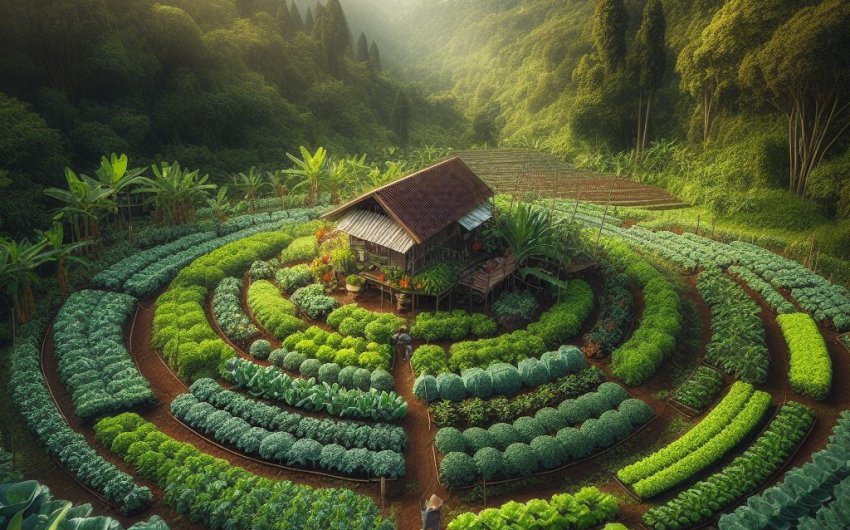
Unlocking garden wisdom for successful vegetable gardening involves mastering a blend of foundational principles, smart planning, and responsive, attentive care throughout the growing season. By leveraging expert tips and tricks, you can transform your garden into a thriving, productive space, regardless of your experience level. This comprehensive guide will equip you with the essential knowledge to cultivate a bountiful harvest, embodying true garden wisdom for your vegetable gardening endeavors.
Why is Planning Your Vegetable Garden So Important?
Planning your vegetable garden effectively is the absolute first and most crucial step towards success, laying the groundwork for a season of abundance and minimizing potential problems. Without thoughtful consideration of your space, climate, and plant needs, even the most diligent efforts in planting and care can fall short. It's the ultimate act of garden wisdom for vegetable gardening.
What Are the Key Benefits of Garden Planning?
A well-thought-out garden plan provides a roadmap, saving time, money, and frustration, while maximizing your harvest. These are essential tips and tricks for vegetable gardening.
- Maximizes Yield and Productivity: Strategic planning ensures you utilize your available space, sunlight, and resources most efficiently. This means fitting more plants, implementing techniques like succession planting, and ultimately harvesting a larger, more consistent bounty.
- Prevents Common Problems: A good plan helps you avoid issues like overcrowding (leading to disease), planting in unsuitable light, or soil nutrient depletion. It's proactive problem-solving.
- Saves Time and Money: By knowing exactly what to plant, where, and when, you reduce wasted seeds, plants, and amendments. Efficient layouts also make maintenance tasks (watering, weeding) quicker.
- Optimizes Resource Use (Sunlight, Water): A plan accounts for sun exposure throughout the day and season, placing plants where they will thrive. It also helps group plants with similar watering needs, making irrigation more efficient.
- Extended Harvest Season: Planning for succession planting and choosing varieties with different maturity dates ensures you have fresh produce available for longer, rather than a single, overwhelming harvest.
- Improved Plant Health: Proper spacing, companion planting, and crop rotation (all part of planning) reduce pest and disease pressure, leading to healthier, more resilient plants.
- Personalized Garden: A plan allows you to focus on growing the vegetables your family actually eats, ensuring your efforts are truly rewarding.
- Reduces Decision Fatigue: With a plan in hand, you reduce last-minute decisions and guesswork, allowing you to enjoy the physical act of gardening more.
What Are Essential Elements to Consider in Your Garden Plan?
A comprehensive plan addresses these critical factors to ensure optimal growth and harvest, embodying true garden wisdom for vegetable gardening.
- Site Assessment (Sunlight is King!):
- Observe Sun Patterns: Spend a full day observing your garden space. Most vegetables require at least 6-8 hours of direct sunlight per day (full sun). Some leafy greens can tolerate partial shade (4-6 hours). Note how shade patterns change with the seasons.
- Access to Water: Ensure your chosen spot is easily accessible for watering.
- Protection: Note areas with wind exposure (may need windbreaks) or where water collects.
- Soil Assessment:
- Soil Test: Get a professional soil test through your local extension office. This provides precise information on soil pH, nutrient levels, and organic matter content, which is invaluable for making amendments. A home soil testing kit can offer preliminary insights.
- Drainage: Ensure your soil drains well. Vegetables hate "wet feet." If heavy clay, plan to amend significantly.
- Garden Layout and Size:
- Available Space: Be realistic about the size of your garden. Start small if you're a beginner.
- Bed Types: Decide on in-ground rows, raised beds, or containers.
- Pathways: Plan for adequate pathways to access plants without compacting soil.
- Orientation: For row planting, orient rows north-south for maximum sun exposure.
- Plant Selection:
- What You Eat: Grow what your family enjoys.
- Space Needs: Choose varieties suitable for your space (e.g., "bush" vs. "vining" cucumbers, "determinate" vs. "indeterminate" tomatoes).
- Climate/Hardiness: Select varieties that thrive in your local climate zone.
- Maturity Dates: Note days to maturity for succession planting.
- Disease Resistance: Look for resistant varieties.
- Crop Rotation:
- Principle: Don't plant the same family of vegetables in the same spot year after year. Rotate crops to different areas (e.g., brassicas, legumes, root crops, fruiting crops).
- Benefit: Prevents buildup of soil-borne pests and diseases, and balances nutrient use.
- Succession Planting:
- Principle: Stagger planting times or replant harvested spots immediately.
- Benefit: Ensures continuous harvest, maximizes yield per square foot.
- Support Structures:
- Plan for trellises, stakes, or cages for vining plants (tomatoes, cucumbers, pole beans) to save space and improve air circulation. A garden trellis kit can be incorporated.
- Watering System:
- Consider installing soaker hoses or drip irrigation for efficiency, especially for larger gardens.
By meticulously planning these elements, you demonstrate true garden wisdom, setting your vegetable garden up for an abundant harvest and a rewarding season of growth, all part of the expert tips and tricks for vegetable gardening.
How Do You Prepare Garden Soil for Optimal Vegetable Growth?
Preparing garden soil properly is arguably the most fundamental and impactful step in successful vegetable gardening, laying the groundwork for robust plant health and abundant yields. Healthy soil is the bedrock of a flourishing garden, providing essential nutrients, water retention, and aeration that plants crave. This crucial preparation is a core piece of garden wisdom for vegetable gardening.
What Are the Characteristics of Ideal Garden Soil?
Understanding what makes soil "good" for vegetables guides your preparation efforts, ensuring you create a thriving environment for your plants. It's a foundational trick for vegetable gardening.
- Loamy Texture: The "gold standard" for gardens, a loam soil is a balanced mix of sand (good drainage), silt (smooth texture, moisture retention), and clay (nutrient retention). It's crumbly, easy to work, and holds moisture without getting waterlogged.
- Rich in Organic Matter: This is key! Decomposed plant and animal material (humus) is vital for soil health. It improves structure, provides nutrients, retains moisture, and supports beneficial microbial life.
- Excellent Drainage: Roots need oxygen. Soil that drains well prevents waterlogging, which suffocates roots and promotes root rot.
- Good Aeration: Loose, friable soil allows air to circulate, delivering oxygen to roots and beneficial microorganisms.
- Appropriate pH: Most vegetables prefer a slightly acidic to neutral pH range of 6.0 to 7.0. This range optimizes nutrient availability.
- Nutrient Availability: Contains a balanced supply of essential macro and micronutrients.
Step-by-Step Guide to Soil Preparation:
These steps, typically done in fall or early spring, will transform your soil into an optimal growing medium, ensuring you're keeping your garden flourishing.
- Clear the Area:
- Remove all weeds, rocks, debris, and any remnants from previous crops. This provides a clean slate.
- Conduct a Soil Test:
- If you haven't already, take a soil sample and send it to your local extension office. This provides critical data on soil pH, nutrient levels (N-P-K), and organic matter content.
- Wait for results before adding major amendments, as guessing can do more harm than good. A home soil testing kit can offer quick insights.
- Adjust Soil pH (If Needed):
- Based on your soil test, if the pH is too low (acidic), apply agricultural limestone (e.g., dolomitic lime). If it's too high (alkaline), apply elemental sulfur or peat moss.
- Lime is slow-acting; apply it in fall for spring planting.
- Thoroughly incorporate amendments into the top 6-8 inches of soil.
- Incorporate Organic Matter (The Most Important Step!):
- This is the best way to improve almost any soil type. Add a generous layer (2-4 inches deep) of well-rotted compost, aged manure, or leaf mold over the entire bed.
- Why it works: Improves drainage in clay soil, improves water retention in sandy soil, provides slow-release nutrients, and feeds beneficial microbes.
- Method: Gently work the organic matter into the top 6-12 inches of soil using a broadfork, garden fork, or tiller.
- Address Major Texture Issues (If Present):
- Heavy Clay: In addition to organic matter, consider adding gypsum (improves clay structure) or coarse sand (use sparingly and with plenty of organic matter, as too much sand alone can create concrete).
- Sandy Soil: Focus on massive additions of organic matter to improve water and nutrient retention.
- Tilling or Double Digging (Initial Only):
- For new beds or very compacted soil, an initial deep tilling or double digging can loosen the soil.
- Caution: Avoid excessive tilling in subsequent years, as it can disrupt soil structure and bring dormant weed seeds to the surface. Focus on "no-dig" or "minimum-till" methods.
- Shape Your Beds:
- Form your beds into slightly raised mounds (6-12 inches high) or construct raised beds to improve drainage and make them easier to work.
By diligently following these steps, you'll prepare your garden soil for optimal vegetable growth, ensuring a healthy foundation that supports productive plants and makes your vegetable gardening efforts truly fruitful. This expert advice ensures you're keeping your garden flourishing from the ground up.
How Do You Effectively Manage Weeds in Your Vegetable Garden?
Effectively managing weeds is a continuous and crucial aspect of essential vegetable garden maintenance, directly impacting the health and productivity of your crops. Weeds are relentless competitors for water, light, and nutrients, and if left unchecked, they can quickly overwhelm your vegetables, dramatically reducing your harvest. A proactive, multi-pronged approach is key to keeping your garden flourishing and largely weed-free.
What Are the Problems Caused by Weeds?
Beyond simply looking messy, weeds pose several significant threats to your vegetable garden, making effective control a priority for any gardener. Understanding these impacts is crucial for successful vegetable gardening.
- Competition for Resources: Weeds are champions at taking up available water, light, and nutrients. They directly compete with your vegetable plants for these vital resources, stunting their growth and reducing yields. This is their primary damage.
- Pest and Disease Harborage: Dense weed growth can provide shelter and breeding grounds for pests (like slugs, aphids, cucumber beetles) and create humid, stagnant conditions that favor fungal diseases.
- Reduced Air Circulation: A thick carpet of weeds around your plants impedes air circulation, further contributing to disease risk, especially in humid conditions.
- Interference with Harvesting: Trying to harvest vegetables from a weed-choked bed is difficult, uncomfortable, and can damage your desired plants.
- Seed Production: If allowed to go to seed, a single weed plant can produce thousands of seeds, which will perpetuate the problem for years, even decades, to come.
What Are the Best Weed Management Strategies?
A combination of preventative measures and timely intervention is the most effective approach to keeping your garden flourishing and weed-free. These are crucial expert tips and tricks for vegetable gardening.
- Mulching (The #1 Defense):
- How it works: A 2-4 inch layer of organic mulch (straw, shredded leaves, wood chips, pine needles, grass clippings) or inorganic mulch (weed barrier fabric, cardboard) blocks sunlight from reaching weed seeds, preventing them from germinating. It also smothers existing small weeds.
- Benefits: Suppresses weeds, conserves soil moisture (reducing watering), moderates soil temperature, and (for organic mulch) adds nutrients as it decomposes.
- Application: Apply after planting, ensuring it's not piled directly against plant stems. A garden mulch is essential.
- Hand Weeding (Early and Often):
- How it works: Physically removing weeds.
- Benefits: Most effective for small weeds. Easy to identify and remove before they establish deep roots or go to seed.
- Practice:
- Weed When Young: Pull weeds as soon as you see them, ideally when they are very small. They are easier to remove, and their roots haven't yet competed significantly.
- Weed After Rain/Watering: Soil is soft, making weeds much easier to pull out, root and all.
- Use Tools: A hand weeding tool, a trowel, or a stirrup hoe can help with stubborn weeds.
- Avoid Leaving Weeds: Don't leave pulled weeds in the bed if they have roots or seeds; they can reroot or spread seeds.
- Hoeing (for Larger Areas):
- How it works: Uses a garden hoe to cut weeds off at the soil line just below the surface.
- Benefits: Quick and effective for larger areas of young weeds.
- Practice: Best done on a dry, sunny day so uprooted weeds desiccate and die. Don't hoe too deeply, which can bring up new weed seeds.
- Close Planting / Intensive Gardening:
- How it works: Planting vegetables closer together (e.g., Square Foot Gardening) creates a dense canopy that shades the soil surface, suppressing weed growth.
- Benefits: Reduces the space available for weeds to germinate and grow.
- Crop Rotation:
- How it works: Rotating the types of crops you grow in different areas of your garden each year.
- Benefits: Disrupts weed cycles by changing soil conditions and competition.
- Avoid Disturbing Soil Unnecessarily:
- How it works: Excessive tilling or deep digging can bring dormant weed seeds to the surface, where they can germinate.
- Benefits: Practice "no-dig" or "minimum-till" gardening to keep dormant weed seeds buried.
By consistently applying these weed management strategies, you perform essential vegetable garden maintenance that prevents competition, reduces pest issues, and significantly contributes to keeping your garden flourishing, ensuring a productive and enjoyable growing season, all part of mastering garden wisdom for vegetable gardening.
How Do You Effectively Manage Pests and Diseases in Your Vegetable Garden?
Effectively managing pests and diseases is a continuous and crucial aspect of essential vegetable garden maintenance, directly impacting the health, vigor, and ultimate yield of your crops. A healthy, flourishing garden is one where pest and disease pressure is minimized through proactive observation and timely, targeted interventions. Mastering these management tricks is fundamental to long-term gardening success and is a key part of garden wisdom for vegetable gardening.
What Are the Principles of Integrated Pest Management (IPM)?
Integrated Pest Management (IPM) is a holistic, environmentally sensitive approach to pest control that relies on a combination of common-sense practices, emphasizing prevention and non-toxic solutions before resorting to chemical interventions. It's a key philosophy for keeping your garden flourishing through smart vegetable gardening.
- Prevention is Key: Create conditions that discourage pests and diseases in the first place. This is your first line of defense.
- Identification: Know your pests and diseases. Proper identification is crucial for effective treatment. Misdiagnosis leads to ineffective solutions.
- Monitoring: Regularly inspect your plants for early signs of problems. Early detection allows for easier, less impactful interventions.
- Intervention Thresholds: Act only when pest populations reach levels that cause unacceptable damage. Not every pest requires immediate action; some can be tolerated.
- Non-Chemical First: Prioritize cultural, physical, and biological controls. These are the safest for your plants, the environment, and your family.
- Chemical as Last Resort: If necessary, use the least toxic chemical options, applying them judiciously and safely.
What Are Effective Pest Management Tricks?
These strategies help you maintain a vigilant pest patrol in your essential vegetable garden maintenance, minimizing damage and protecting your harvest. They are crucial expert tips and tricks for vegetable gardening.
- Regular Inspection (Pest Patrol):
- How: Inspect plants daily or every other day, especially the undersides of leaves, new growth, and stems. Look for holes, discoloration, sticky residue, or visible insects. A magnifying glass for garden inspection can help spot tiny pests.
- Benefit: Early detection is key. Catching problems when they are small makes them much easier to control without widespread damage to your vegetables.
- Hand-Picking:
- How: Physically remove larger pests (slugs, snails, hornworms, squash bugs, potato beetles) from plants by hand. Drop them into a bucket of soapy water.
- Benefit: Direct, immediate control without chemicals. Best for limited infestations.
- Companion Planting:
- How: Plant specific aromatic herbs or flowers near vegetables.
- Benefit: Some plants (e.g., marigolds, basil, rosemary) repel pests or act as trap crops (e.g., nasturtiums for aphids), drawing them away from your prized vegetables. Others (e.g., dill, borage, cosmos) attract beneficial insects (ladybugs, lacewings, parasitic wasps) that prey on garden pests.
- Physical Barriers:
- How: Use row covers, netting, or collars.
- Benefit: Floating row covers (garden insect netting) can physically exclude insects like cabbage moths, cucumber beetles, and squash vine borers. Collars around seedling stems protect from cutworms. Copper tape can deter slugs and snails.
- Attract Beneficial Insects:
- How: Plant a diverse array of flowers rich in nectar and pollen (e.g., dill, fennel, cilantro, cosmos, marigolds, calendula) to attract and sustain predatory insects.
- Benefit: Establishes a natural, self-sustaining pest control system.
- Organic Sprays (Targeted Intervention):
- Neem Oil: A natural insecticide, fungicide, and repellent. Disrupts insect life cycles. A neem oil spray for vegetable gardens is highly versatile.
- Insecticidal Soap: Suffocates soft-bodied insects like aphids, spider mites, and mealybugs.
- Bt (Bacillus thuringiensis): A naturally occurring bacterium that specifically targets and kills caterpillars (e.g., cabbage worms, tomato hornworms) without harming other insects.
- Caution: Always follow directions, spray in the evening to protect pollinators, and ensure the product is safe for edibles.
What Are Effective Disease Management Tricks?
Proactive measures and good garden hygiene are paramount for preventing and controlling diseases in your essential vegetable garden maintenance. These are key for keeping your garden flourishing.
- Choose Disease-Resistant Varieties: Select vegetable varieties specifically bred for resistance to common local diseases (e.g., blight-resistant tomatoes, powdery mildew-resistant cucumbers, Fusarium-resistant beans). This is your first line of defense.
- Good Air Circulation:
- How: Space plants adequately according to recommendations. Prune dense foliage (e.g., suckers on tomatoes, lower leaves of squash) to open up the canopy. Stake and trellis vining plants.
- Benefit: Reduces humidity around leaves, preventing fungal spores from germinating and spreading.
- Water Wisely:
- How: Water at the base of the plant in the morning, keeping foliage dry. Avoid overhead watering (sprinklers) in the evening. Use soaker hoses or drip irrigation.
- Benefit: Prevents fungal diseases that thrive on wet leaves.
- Crop Rotation:
- How: Don't plant the same family of vegetables (e.g., tomatoes, peppers, potatoes are all solanaceous) in the exact same spot year after year. Rotate crops to different areas of the garden (e.g., brassicas, legumes, root crops, fruiting crops).
- Benefit: Disrupts the life cycles of soil-borne pathogens and pests, preventing their buildup.
- Garden Hygiene (Sanitation):
- How: Promptly remove and destroy (do NOT compost) diseased plant parts or entire infected plants. Clean up all plant debris (leaves, stems) thoroughly at the end of the season.
- Benefit: Prevents pathogens from overwintering and reinfecting new plants next season.
- Sterilize Tools: Clean pruning shears or other tools with a 10% bleach solution or rubbing alcohol after each use, especially after cutting diseased plants.
- Healthy Soil: Well-draining, nutrient-rich soil with good organic matter supports strong, healthy plants that are inherently more resistant to disease.
- Appropriate Fertilization: Don't over-fertilize, especially with nitrogen, which can lead to lush, tender growth that is more susceptible to disease.
By diligently implementing these comprehensive pest and disease management strategies, you effectively perform essential vegetable garden maintenance that ensures your plants remain robust, productive, and truly flourish, leading to a satisfying and abundant harvest season after season, embodying true garden wisdom for your vegetable gardening.
How Can Succession Planting and Harvesting Maximize Garden Yield?
Succession planting and diligent harvesting are ingenious tricks for essential vegetable garden maintenance, allowing you to maximize yield from your garden space and enjoy a continuous supply of fresh produce throughout the entire growing season. These practices are fundamental to keeping your garden flourishing and incredibly productive, ensuring every square foot contributes to a bountiful harvest. They are core to garden wisdom for vegetable gardening.
What Is Succession Planting?
Succession planting is a strategic approach that ensures your garden beds are never idle, producing food continuously rather than just in one large flush. It's a key small space vegetable gardening solution.
- Staggered Planting:
- How it works: Instead of planting an entire bed of a single crop all at once, you plant small batches of the same crop (e.g., lettuce, radishes, bush beans) every 2-3 weeks.
- Benefit: This avoids a massive, overwhelming harvest that might spoil. Instead, you get smaller, continuous harvests over a longer period, perfectly timed for your family's consumption.
- Interplanting:
- How it works: Planting a fast-maturing crop between slower-growing ones.
- Benefit: You harvest the quick crop (e.g., radishes, spinach) before the slower one (e.g., cabbage, tomatoes) needs the full space, maximizing early season use of the soil.
- Follow-Up Planting:
- How it works: As soon as one crop is harvested from a section of the garden, you immediately plant another crop in its place. This new crop should be suited to the current season.
- Benefit: Ensures continuous production from the same spot, maximizing total yield over the entire growing season. For example, spring lettuce followed by summer bush beans, then fall spinach or kale.
What Are the Benefits of Succession Planting?
- Continuous Harvests: Provides a steady supply of fresh vegetables throughout the entire growing season, eliminating gluts and ensuring you always have something new to pick.
- Maximizes Yield from Small Areas: By ensuring garden beds are always productive, you achieve a much larger total yield from your space over the season than with single-crop planting.
- Efficient Use of Space: Prevents precious garden space from sitting empty and unproductive after a single harvest.
- Reduced Waste: Smaller, staggered harvests mean you're more likely to consume all your produce at its peak freshness, reducing spoilage.
- Pest and Disease Management: Rotating different types of crops through the same space can confuse pests and disrupt disease cycles, promoting healthier plants.
- Diverse Harvest: Allows you to grow a wider variety of vegetables in your garden over the season, even if space is limited.
What Is Diligent Harvesting?
Harvesting frequently and at the right time is crucial for keeping plants in continuous production mode and ensuring the best quality. It's a simple yet powerful trick for essential vegetable garden maintenance.
- Pick at Peak Ripeness:
- Importance: Harvest vegetables when they are at their optimal size and ripeness for the best flavor, texture, and nutritional value. Overripe vegetables can become tough, bland, or bitter.
- Practice: Read seed packets for ideal harvest size. Taste-test a few to find your preference.
- Harvest Regularly (Crucial for Production):
- Importance: For many prolific vegetables (cucumbers, beans, squash, peppers, leafy greens, tomatoes, zucchini), frequent harvesting encourages the plant to produce more flowers and fruits.
- Mechanism: When fruits are left to ripen and develop seeds on the plant, it signals to the plant that its reproductive goal is met, and it will slow down or stop producing new fruits. By picking regularly, you trick the plant into thinking it still needs to produce more.
- Practice: Check and harvest prolific producers daily or every other day during peak season.
- Use Sharp Tools:
- Importance: Clean cuts prevent damage to the plant, which can invite disease or reduce future production.
- Practice: Use sharp garden snips or a knife to cleanly remove fruits and vegetables. Avoid tearing or yanking the plant.
- Harvesting "Cut-and-Come-Again" Crops:
- How: For leafy greens (lettuce, spinach, kale, arugula), harvest the outer leaves first, allowing the inner leaves to continue growing. You can also cut the entire plant back, leaving an inch or two of growth, and it will often regrow.
- Benefit: Provides multiple harvests from the same plant, extending its productivity.
By integrating succession planting with diligent harvesting practices, you perform essential vegetable garden maintenance that ensures your garden is always working hard for you, maximizing its yield, and truly keeping your garden flourishing with a continuous bounty of fresh, homegrown produce, embodying true garden wisdom for your vegetable gardening.