
Designing for Flavor: Creative Edible Garden Design Ideas
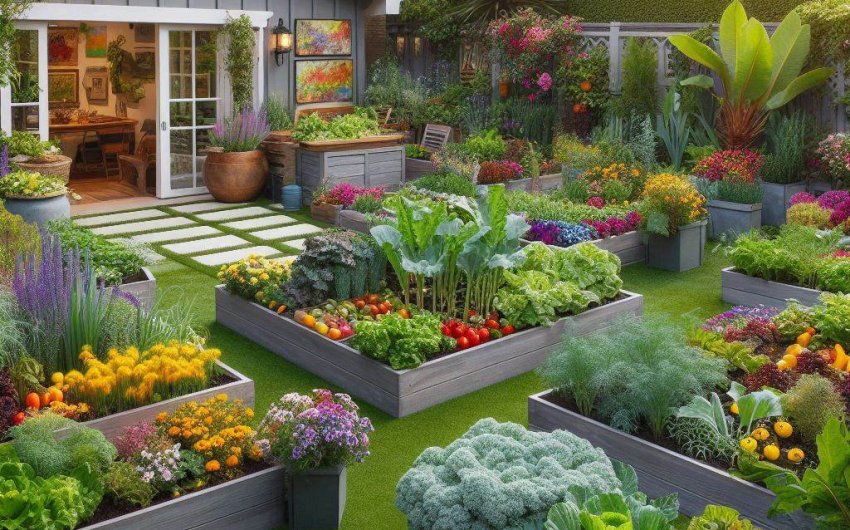
Designing for flavor is the exciting heart of creative edible garden design ideas, allowing you to transform ordinary food-producing spaces into stunning, multi-sensory landscapes that are as beautiful as they are bountiful. Moving beyond traditional utilitarian rows, these innovative approaches integrate edibles seamlessly into your overall outdoor aesthetic, making your garden a feast for both the eyes and the palate. The key lies in blending form and function to cultivate a truly enchanting and productive space.
Why is Creative Edible Garden Design More Than Just Growing Food?
Creative edible garden design elevates the simple act of growing food into an art form, enriching your outdoor space with beauty, sensory delight, and a deeper connection to nature. It moves beyond purely functional rows to create aesthetically pleasing landscapes that are integral to your home's charm, making designing for flavor a truly rewarding endeavor. This holistic approach makes creative edible garden design ideas indispensable for modern gardeners.
What Are the Key Benefits of Intentional Edible Garden Design?
Beyond the harvest, thoughtful design transforms an edible garden into a captivating extension of your living space, offering a myriad of advantages that enhance both lifestyle and landscape.
- Enhanced Aesthetic Appeal: A creatively designed edible garden is inherently beautiful. It integrates vegetables, herbs, and fruits into a cohesive landscape, using their varied textures, colors, and forms to create visual interest year-round. This makes your garden a pleasure to look at, not just a place for chores.
- Multi-Sensory Experience: Beyond sight, an edible garden engages taste (fresh produce), smell (aromatic herbs, blossoms), and touch (leaf textures, harvesting). Designing for flavor means creating a dynamic space that appeals to all the senses, enriching your outdoor experience.
- Seamless Integration with Landscape: Instead of being hidden away, a well-designed edible garden becomes a natural part of your overall landscape design, blending harmoniously with ornamental plants, hardscaping, and outdoor living areas. It breaks down the barrier between "food" and "flowers."
- Increased Property Value: An attractive and well-maintained edible garden can actually increase your home's curb appeal and property value, showcasing a unique and sustainable feature.
- Improved Well-being and Enjoyment: Spending time in a beautiful, productive edible garden is inherently therapeutic. The aesthetic pleasure, combined with the satisfaction of harvesting your own food, reduces stress and boosts mood, making your garden a true sanctuary.
- Space Optimization: Creative design often involves vertical elements, clever grouping, and container strategies that maximize growing space in even the smallest yards, allowing you to grow more food in a beautiful way.
- Learning and Connection: Designing your own edible garden deepens your understanding of plants and ecosystems. It fosters a greater connection to your food sources and the natural world, inspiring culinary creativity.
- Year-Round Interest: By incorporating diverse plants with varied bloom times, foliage colors, and seed heads, a well-designed edible garden can maintain visual appeal throughout the seasons, even into winter.
By embracing creative edible garden design ideas, you elevate your gardening experience beyond simply growing food. You craft a living masterpiece that delights the senses, enhances your home, and nurtures your well-being, truly embodying the art of designing for flavor.
How Can You Integrate Edibles into Ornamental Landscape Designs?
Integrating edibles seamlessly into ornamental landscape designs is a core principle of creative edible garden design ideas, transforming traditional vegetable patches into beautiful, functional, and productive spaces. The key lies in viewing vegetables, herbs, and fruits not just as food sources, but as plants with distinct aesthetic qualities that can complement flowers, shrubs, and hardscaping. This approach allows for designing for flavor without sacrificing beauty.
What Strategies Blend Food and Flowers?
These techniques create a harmonious blend of edible and ornamental elements, ensuring your garden is both stunning and bountiful. They are excellent creative edible garden design ideas.
- Edible Borders and Edges:
- Strategy: Plant low-growing, attractive edibles along the edges of flower beds or pathways.
- Examples:
- Lettuce varieties (red-tipped, ruffled leaf) make beautiful, lush borders.
- Parsley (curly or flat-leaf) provides fine texture.
- Chives offer grassy texture and delicate purple flowers.
- Marigolds (French) not only add a pop of color but also deter nematodes and other pests.
- Benefit: Softens transitions, defines areas, and puts fresh herbs within easy reach.
- Using Edibles as Focal Points or Specimens:
- Strategy: Treat particularly attractive edibles as you would an ornamental shrub or perennial, giving them a prominent position.
- Examples:
- Artichokes: Their large, silvery, thistle-like foliage and dramatic flower buds are incredibly architectural.
- Kale (ornamental varieties like 'Redbor', 'Lacinato'): Provides striking colors (deep purple, blue-green) and unique textures, especially in cooler weather.
- Swiss Chard: Vibrant red, yellow, or orange stems with lush green leaves add a splash of color.
- Tall Tomatoes (trellised): A well-trained tomato vine laden with ripe fruit can be a beautiful vertical accent.
- Blueberries (Bush): Offer delicate spring flowers, edible summer fruit, and stunning red fall foliage.
- Benefit: Creates visual interest, adds structure, and highlights the beauty of food plants.
- Mixing Edibles and Ornamentals in Beds:
- Strategy: Intersperse edible plants directly within your perennial or annual flower beds.
- Examples:
- Plant peppers (bell peppers, hot peppers) among petunias or salvias. Their glossy leaves and colorful fruits blend seamlessly.
- Tuck basil into a mixed border for its lush green foliage and amazing aroma.
- Use cabbage or broccoli plants as temporary sculptural elements alongside flowers.
- Integrate strawberries as a groundcover around roses or other taller plants.
- Benefit: Maximizes space, enhances biodiversity, and can aid in pest control (companion planting).
- Edible Hedging:
- Strategy: Use certain fruiting shrubs or tall herbs to create low hedges or screens.
- Examples:
- Blueberry bushes (especially highbush varieties) make excellent, attractive hedges.
- Rosemary (upright varieties) can form a beautiful, fragrant, and deer-resistant hedge in warm climates.
- Benefit: Provides privacy, defines garden rooms, and offers a harvest.
- Edible Groundcovers:
- Strategy: Replace traditional groundcovers with low-growing edible alternatives.
- Examples:
- Thyme (creeping varieties) for pathways or between stepping stones (releases aroma when walked on).
- Wild Strawberries (or other compact varieties) as a lush, edible carpet.
- Benefit: Reduces weeding, adds an edible element to unused spaces.
By employing these creative edible garden design ideas, you can seamlessly integrate food production into your landscape, turning your entire yard into a functional, beautiful, and utterly charming space dedicated to designing for flavor.
How Can Vertical Gardening Maximize Production and Appeal?
Vertical gardening is an indispensable strategy for creative edible garden design ideas, dramatically maximizing production in small spaces while simultaneously adding stunning visual appeal to any landscape. By growing edibles upwards, you transform unused walls, fences, and air above beds into lush, productive zones, making it an essential trick for designing for flavor and beauty. This innovative approach efficiently utilizes every dimension.
What Are the Benefits of Vertical Edible Gardens?
Beyond saving space, vertical gardening offers a range of advantages that contribute to healthier plants, easier maintenance, and an enhanced aesthetic. These are key creative edible garden design ideas.
- Maximizes Growing Area: The most significant benefit. Vertical systems allow you to grow plants "up" instead of "out," exponentially increasing your total planting surface area in a confined footprint. This is crucial for urban or small suburban yards.
- Enhanced Aesthetic Appeal: A well-designed vertical garden is inherently beautiful. It transforms bland walls or fences into living works of art, creating lush green backdrops or vibrant focal points. This adds a unique charm to your edible landscape.
- Healthier Plants:
- Improved Air Circulation: Lifting plants off the ground allows for better air movement around foliage, significantly reducing the risk of fungal diseases (like powdery mildew) that thrive in damp, stagnant conditions.
- Reduced Pest Issues: Keeps plants away from ground-dwelling pests (slugs, snails, some insects) and reduces the likelihood of soil-borne diseases splashing onto leaves.
- Better Sunlight Exposure: Spreading vines vertically ensures more leaves receive optimal sunlight, leading to more efficient photosynthesis and more fruit.
- Cleaner and Easier Harvest: Fruits and vegetables that hang freely from vertical structures are kept off the soil, resulting in cleaner, blemish-free produce that is less prone to rot and easier to spot and pick. No more bending over to hunt for cucumbers!
- Ergonomic Benefits: Harvesting at eye level reduces the need for bending and stooping, making gardening more comfortable and accessible for all ages and abilities.
- Creating Shade or Privacy: A dense vertical garden can double as a natural privacy screen or create welcome shade for an outdoor living area.
What Are Effective Vertical Gardening Structures for Edibles?
There's a wide variety of DIY and ready-made vertical gardening systems to suit different needs and aesthetics, providing excellent creative edible garden design ideas.
- Trellises, Stakes, and Cages:
- Description: Classic supports for vining vegetables. Trellises (grid/ladder structures), single sturdy stakes, or conical cages.
- Materials: Wood, bamboo, metal (cattle panels, re-mesh), heavy-duty twine. A sturdy garden trellis kit can be adapted.
- Best for: Cucumbers, pole beans, peas, vining tomatoes, small squash varieties, indeterminate peppers.
- Arches and Arbors:
- Description: Creates a beautiful, productive tunnel for climbing plants, doubling as a garden feature.
- Best for: Vining cucumbers, pole beans, indeterminate tomatoes (with extra support).
- Tip: Plant on both sides to maximize coverage.
- Vertical Planters/Stackable Planters:
- Description: Modular units where pots stack vertically, or systems with multiple planting pockets on a vertical frame.
- Best for: Strawberries (especially ever-bearing/day-neutral), leafy greens (lettuce, spinach, kale), herbs, small compact annuals. A stackable vertical garden tower is highly efficient.
- Wall-Mounted Planters/Pocket Planters:
- Description: Fabric pockets or modular hard-plastic units designed to hang on a wall, fence, or railing.
- Best for: Herbs, lettuce, spinach, strawberries, small compact greens. A wall-mounted fabric planter is lightweight and flexible.
- Espalier (for Fruit Trees):
- Description: Training fruit trees (e.g., apples, pears) to grow flat against a wall or trellis.
- Pros: Highly artistic, saves immense space, makes harvesting easy.
- Cons: Requires dedicated pruning and training.
- Tip: A fruit tree espalier kit can help get started.
By strategically incorporating vertical gardening techniques, you enhance both the productivity and visual appeal of your edible garden, truly designing for flavor while creating stunning and efficient creative edible garden design ideas.
How Can Container Gardening Bring Flavor and Flexibility to Design?
Container gardening is a cornerstone of creative edible garden design ideas, offering unparalleled flexibility and a vibrant infusion of flavor, especially for gardeners with limited or challenging spaces. Growing edibles in pots transforms mundane areas into mobile, aesthetically pleasing, and highly productive zones, making it a crucial trick for designing for flavor and adapting your garden to your lifestyle. This method offers dynamic and adaptable solutions.
What Are the Design and Flexibility Benefits of Containers?
Containers provide a versatile canvas for edible gardening, allowing for dynamic displays and responsive management that in-ground beds simply cannot match. They are essential creative edible garden design ideas.
- Ultimate Portability: Containers can be moved to chase the sun throughout the day or season, optimizing light exposure for sun-loving edibles. They can also be shifted to protect plants from harsh weather (heavy rain, hail, early frost) or even brought indoors during colder months.
- Space Optimization: Containers allow you to grow food in virtually any sunny spot—balconies, patios, rooftops, small paved yards, entryways, or even indoors. They convert unused spaces into productive zones.
- Controlled Environment: Each container allows for precise control over soil quality, drainage, and nutrient levels. You can tailor the perfect environment for individual plants, which is ideal for vegetables with specific needs or for managing soil-borne diseases.
- Elevated Aesthetics and Design Versatility: Containers themselves are design elements. Choosing attractive pots (terracotta, ceramic, galvanized metal, colorful plastic, woven baskets) adds to the garden's visual appeal. You can use different sizes, shapes, and materials to create layered, multi-textured displays that enhance your outdoor decor.
- Pest and Disease Management (Easier): Elevating plants in containers can deter some ground-dwelling pests (slugs, snails). It also isolates plants, making it easier to spot and treat pest or disease issues on one plant without affecting the entire garden.
- Ergonomic Benefits: Raising plants off the ground makes gardening more comfortable, reducing the need for bending and kneeling, thus enhancing accessibility.
- Seasonal Rotation and Succession Planting: Easily rotate containers with different seasonal crops to maximize year-round production. As one crop finishes, you can simply swap out the container or replant for the next season.
- Less Weeding: High-quality potting mix in containers generally has fewer weeds than open ground, significantly reducing maintenance.
What Edibles Thrive in Containers for Design and Flavor?
Many vegetables and herbs are exceptionally well-suited for container life, offering both beauty and a bountiful harvest. These are excellent creative edible garden design ideas.
- Herbs:
- Why they're great: Most are compact, visually appealing, and thrive in pots. Many are aromatic, adding sensory charm.
- Examples: Basil (especially dwarf varieties), Chives, Mint (always in its own pot!), Rosemary, Thyme, Parsley, Cilantro, Oregano. A window box herb planter combines aesthetics and utility.
- Leafy Greens:
- Why they're great: Fast-growing, "cut-and-come-again" harvesting, and many tolerate partial shade.
- Examples: Lettuce (loose leaf, romaine), Spinach, Arugula, Swiss Chard (colorful stems add appeal), Kale (dwarf varieties).
- Strawberries:
- Why they're great: Perfect for hanging baskets, strawberry pots, or the edges of large tubs, allowing their fruits to cascade. Ever-bearing varieties give continuous harvests.
- Examples: 'Ozark Beauty', 'Seascape', 'Tristar', Alpine Strawberries. A vertical strawberry planter can maximize space.
- Tomatoes (Dwarf/Bush):
- Why they're great: Many varieties are bred specifically for pots, offering a great yield of fresh tomatoes in a compact form.
- Examples: 'Tiny Tim', 'Patio', 'Celebrity' (determinate), cherry tomatoes. All need staking/caging.
- Peppers:
- Why they're great: Stay relatively compact, especially bush varieties, and are highly productive in warm, sunny conditions. Their colorful fruits add visual appeal.
- Examples: Bell peppers, jalapeños, cherry peppers.
- Radishes and Carrots (Short Varieties):
- Why they're great: Radishes are very fast. Shorter carrots thrive in loose container soil.
- Examples: 'Cherry Belle' radishes, 'Paris Market' (round) carrots.
- Bush Beans and Peas:
- Why they're great: Bush varieties are compact and don't require extensive support, fitting well in pots.
- Examples: Bush snap beans, bush peas.
By embracing container gardening, you infuse your outdoor spaces with both the flavor of homegrown produce and incredible design flexibility, making it a truly rewarding part of your creative edible garden design ideas.
How Can Companion Planting Enhance Edible Garden Design and Yields?
Companion planting is an essential strategy for creative edible garden design ideas, acting as a powerful, natural tool that optimizes your garden's health, deters pests, attracts beneficial insects, and can even enhance plant growth and flavor. By thoughtfully placing different plant species in close proximity, you cultivate a harmonious and productive ecosystem, making it a clever trick for designing for flavor and maximizing yields. This ecological approach creates a resilient and beautiful garden.
What Are the Benefits of Companion Planting for Design & Yields?
In a creatively designed edible garden, companion planting offers a multitude of advantages that go beyond simple pest control, contributing to the overall beauty and bounty. These are key creative edible garden design ideas.
- Natural Pest Deterrence: This is one of the most celebrated benefits. Certain plants release aromas or chemical compounds that repel harmful insects, confusing them or making the area less appealing. For example, strong-smelling herbs can mask the scent of vulnerable vegetables.
- Attracting Beneficial Insects: Many flowering plants act as "insectaries," drawing in beneficial insects like ladybugs (which eat aphids), lacewings, and predatory wasps. These natural allies help control pest populations, reducing the need for chemical intervention.
- Pollination Enhancement: Planting diverse flowers among your edibles ensures a steady stream of pollinators (bees, butterflies), which is crucial for the fruit set of many vegetables like tomatoes, peppers, squash, and cucumbers. More pollinators often mean larger harvests.
- Improved Plant Health and Growth:
- Nitrogen Fixation: Legumes (beans, peas) have nitrogen-fixing bacteria in their root nodules, enriching the soil with nitrogen that benefits nearby heavy feeders.
- Soil Improvement: Some plants can break up compacted soil with their roots, improving aeration and drainage for neighbors.
- Shade and Support: Taller, sturdier plants (e.g., corn) can provide natural shade for smaller, sun-sensitive crops (e.g., lettuce) or act as a living trellis for vining plants (e.g., cucumbers, pole beans).
- Enhanced Flavor: While often debated, some gardeners believe certain companion pairings can actually improve the flavor of their neighboring vegetables (e.g., basil with tomatoes, summer savory with beans).
- Weed Suppression: Dense companion planting can help shade out weed seedlings, reducing competition for resources and minimizing your weeding efforts.
- Increased Biodiversity and Resilience: A diverse garden is a resilient garden. Companion planting creates a richer ecosystem that is generally less susceptible to widespread pest or disease outbreaks than a monoculture.
- Aesthetic Layering: Many companion plants (herbs, flowers) are beautiful in their own right, adding texture, color, and fragrance to your edible garden, enhancing its overall design.
What Are Classic Companion Planting Combinations for Creative Edible Gardens?
These tried-and-true pairings are excellent starting points for designing for flavor and maximizing your yield. They are essential creative edible garden design ideas.
- Tomatoes + Basil + Marigolds:
- Basil: Enhances tomato flavor, repels tomato hornworms and flies.
- Marigolds (French): Repel nematodes (microscopic worms) and other harmful soil pests.
- Good for: Peppers, carrots, onions.
- Bad for: Broccoli, cabbage, corn (some believe it stunts tomatoes).
- Cucumbers + Nasturtiums + Radishes:
- Nasturtiums: Act as a trap crop for aphids (attracting them away from cucumbers) and deter cucumber beetles. Edible flowers and leaves add beauty.
- Radishes: Quick-growing, shallow-rooted radishes are harvested before cucumbers need full space, while loosening soil.
- Good for: Beans, peas, corn (if space allows for trellis).
- Bush Beans + Carrots + Summer Savory:
- Bush Beans: Fix nitrogen in the soil, benefiting nutrient-hungry carrots.
- Summer Savory: Deters Mexican bean beetles and enhances bean growth/flavor.
- Good for: Corn, strawberries, celery.
- Bad for: Onions, garlic (can stunt beans).
- Brassicas (Broccoli, Cabbage, Kale) + Aromatic Herbs:
- Rosemary, Thyme, Sage, Mint (in a contained pot!): Their strong scents confuse and deter cabbage moths (which lay eggs that become cabbage worms) and other brassica pests.
- Dill: Attracts beneficial predatory wasps that prey on cabbage worms.
- Good for: Potatoes, onions, garlic.
- Bad for: Strawberries, tomatoes.
- Lettuce/Spinach + Tall Plants for Shade:
- Strategy: Plant cool-season leafy greens in the shade of taller plants like trellised tomatoes or corn as summer heat approaches.
- Benefit: Extends the harvest of cool-season crops, preventing bolting (going to seed) in heat.
- Corn + Beans + Squash (The "Three Sisters"):
- Strategy: An ancient Indigenous companion planting. Corn provides a natural trellis for pole beans. Beans fix nitrogen, fertilizing the corn and squash. Squash leaves act as a living mulch, suppressing weeds and conserving moisture.
- Benefit: A highly synergistic and productive polyculture for larger edible garden designs.
By thoughtfully implementing companion planting, you elevate your creative edible garden design ideas, ensuring your plants thrive together, maximizing yields, and cultivating a beautiful, resilient, and flavorful garden. It truly embodies designing for flavor.
How Can Water Features and Hardscaping Enhance Edible Garden Design?
Water features and hardscaping are powerful elements in creative edible garden design ideas, transforming purely functional spaces into multi-sensory, aesthetically pleasing, and highly efficient landscapes. Beyond their beauty, these elements can offer practical benefits that support plant health and make the garden a more enjoyable space, integrating seamlessly into your vision for designing for flavor. They add structure, sound, and visual interest.
What Are the Benefits of Water Features in Edible Gardens?
Water features are dynamic additions that bring movement, sound, and a unique microclimate to your edible garden, enhancing its design and functionality. They are excellent creative edible garden design ideas.
- Aesthetic Appeal and Sensory Delight:
- Sound: The gentle trickling or splashing of water from a small fountain, bird bath, or mini pond adds a soothing auditory element, masking urban noise and promoting relaxation.
- Movement: The visual movement of water adds dynamism and life to the garden.
- Reflection: Water can reflect sunlight, adding sparkle, and even reflect plants, making the garden feel larger.
- Attracting Wildlife:
- A bird bath or small pond can attract birds, beneficial insects, and pollinators, which are vital for a healthy edible garden (pollinating vegetables, eating pests).
- Benefit: Natural pest control and increased pollination.
- Increased Humidity (Microclimate):
- Especially in dry climates, a water feature can slightly increase local humidity around nearby plants, which can benefit humidity-loving herbs or small fruits.
- Benefit: Supports plant health and reduces stress.
- Focal Point: A well-placed water feature can act as a central focal point, drawing the eye and anchoring a specific area within your edible garden design.
- Irrigation Opportunities (Rainwater Harvesting):
- Larger water features or ponds can sometimes be integrated with rainwater harvesting systems, providing a sustainable source of irrigation for your edibles.
- Benefit: Eco-friendly watering.
What Are the Benefits of Hardscaping in Edible Gardens?
Hardscaping elements provide essential structure, functionality, and aesthetic definition to your edible garden, integrating it seamlessly into your overall outdoor living space. These are crucial creative edible garden design ideas.
- Defined Paths and Access:
- Function: Pathways (stepping stones, gravel paths, pavers) create clear routes through your edible garden, allowing easy access for planting, weeding, harvesting, and observation without compacting the soil in your growing beds.
- Aesthetic: Paths add structure, visual lines, and a sense of order to the design.
- Raised Beds (A Hardscaping Element):
- Function: Constructed from wood, stone, metal, or composite, raised beds are a primary hardscaping element for edible gardens. They define planting areas, control soil quality, and offer ergonomic benefits.
- Aesthetic: They create a neat, organized, and often rustic or modern look that enhances the garden's design.
- Seating Areas:
- Function: Benches, chairs, or built-in seating allow you to relax and enjoy your edible garden. Proximity to the plants encourages observation and appreciation.
- Aesthetic: Creates an inviting outdoor living space.
- Vertical Structures (Trellises, Arbors):
- Function: While plants grow on them, the structures themselves (wood, metal) are hardscaping. They maximize growing space, support plants, and can create shade.
- Aesthetic: Add vertical interest, architectural elements, and can define garden rooms or entryways. A decorative garden arbor becomes a focal point.
- Edging and Borders:
- Function: Stone, brick, metal, or wood edging cleanly separates planting beds from lawns or pathways, preventing soil spillover and creating a tidy appearance.
- Aesthetic: Adds a polished, finished look to the garden design.
- Heat Retention:
- Function: Stone or brick hardscaping elements can absorb solar heat during the day and radiate it back at night, potentially extending the growing season slightly for nearby heat-loving edibles.
By thoughtfully incorporating water features and hardscaping elements, you transform your edible garden into a multi-functional, aesthetically rich, and truly harmonious outdoor space. This deliberate integration enhances your creative edible garden design ideas, allowing you to thoroughly enjoy the process of designing for flavor while creating a beautiful and productive landscape.