
Growing Beyond Soil: Exploring Hydroponic Vegetable Gardening
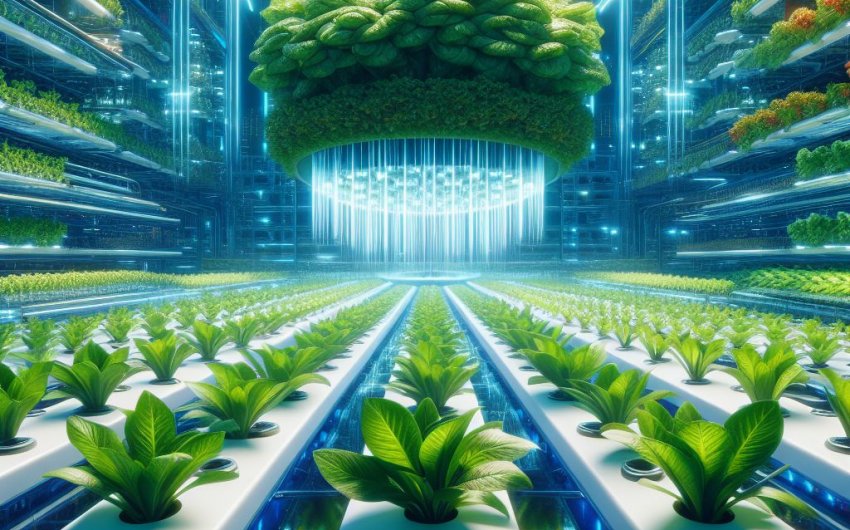
Growing beyond soil is a fascinating and increasingly accessible frontier for vegetable gardening, opening up new possibilities for fresh produce, especially in urban environments or where traditional soil gardening is impractical. Hydroponic vegetable gardening offers a high-yield, water-efficient method where plants flourish by directly absorbing precisely balanced nutrient solutions. This innovative approach allows anyone to cultivate a thriving garden, exploring hydroponic vegetable gardening with ease and efficiency.
What is Hydroponic Vegetable Gardening?
Hydroponic vegetable gardening is a revolutionary method of growing plants without soil, instead utilizing mineral nutrient solutions dissolved in water to directly feed the roots. It's a soilless cultivation technique that offers a precise and highly efficient way to grow vegetables, herbs, and even some fruits, allowing for significant control over the growing environment. This innovative approach is rapidly transforming agriculture and making growing beyond soil an accessible reality for home gardeners.
What Are the Core Principles of Hydroponics?
Understanding these fundamental principles is key to grasping how hydroponic vegetable gardening works and why it's so effective. It's all about direct nutrient delivery to the roots.
- No Soil Requirement: The defining characteristic. Plants are anchored in an inert growing medium (or sometimes no medium at all) that provides physical support, not nutrients. The roots are exposed directly to a nutrient solution.
- Nutrient Solution: Instead of drawing nutrients from soil, plants receive all their essential minerals (nitrogen, phosphorus, potassium, micronutrients) in a precisely balanced water-based solution. This solution is carefully formulated to meet the plant's exact needs.
- Direct Root Access: Roots have direct and constant access to water, oxygen, and nutrients. This bypasses the inefficiencies of soil, where roots have to "search" for nutrients and oxygen might be limited.
- Oxygenation: Ensuring adequate oxygen supply to the roots is crucial. In water-based systems, this often involves air pumps and air stones to bubble oxygen into the nutrient solution.
- Controlled Environment: Hydroponics allows for a high degree of control over environmental factors such as nutrient strength, pH, light, and temperature, leading to optimized plant growth and yields.
What Are the Key Advantages of Hydroponic Gardening?
Hydroponic vegetable gardening offers several compelling benefits that make it an attractive and often superior alternative to traditional soil-based methods, truly demonstrating its potential for growing beyond soil.
- Faster Growth and Higher Yields: Plants in hydroponic systems often grow 30-50% faster and produce significantly higher yields than soil-grown plants. This is because roots have direct, easy access to all necessary nutrients and oxygen, without expending energy searching for them.
- Water Efficiency: Hydroponic systems use dramatically less water (up to 90% less) than traditional gardening. Water is recirculated and reused, minimizing waste through evaporation or runoff. This makes it an incredibly sustainable choice.
- No Soil-Related Problems: Eliminates weeds (no soil for seeds to germinate), soil-borne pests, and soil-borne diseases. This means less weeding, fewer pest issues, and healthier plants.
- Space Efficiency: Hydroponic systems can be stacked vertically or designed to fit in small spaces, making them ideal for urban gardening, apartments, or patios. You can grow more in a smaller footprint.
- Year-Round Growing: Allows for year-round cultivation indoors, independent of outdoor climate conditions, providing fresh produce regardless of the season.
- Nutrient Control: You have precise control over the nutrients your plants receive, allowing for tailored feeding schedules to optimize growth for specific crops.
- Less Physical Labor: Reduces the need for heavy digging, weeding, and tilling, making gardening more accessible.
- Cleaner Growing: Produce is often cleaner, as it's not grown in soil.
Hydroponic vegetable gardening is an innovative and highly efficient way of growing plants, perfectly embodying the concept of growing beyond soil and offering a glimpse into the future of sustainable food production.
What Are the Different Types of Hydroponic Systems?
Exploring hydroponic vegetable gardening means encountering a fascinating array of different system types, each with its own advantages, complexity, and suitability for various plants and growers. From passive wicking to active recirculation, these systems represent diverse approaches to growing beyond soil, allowing you to choose the best fit for your needs and skill level.
What Are the Most Common Hydroponic System Types?
Understanding these distinct systems is crucial for anyone looking to delve into hydroponic vegetable gardening, as they dictate setup, maintenance, and plant choice. They are the backbone of growing beyond soil.
- Deep Water Culture (DWC) / Raft System:
- How it works: Plants are placed in net pots with their roots suspended directly into a reservoir of nutrient solution. An air pump and air stone continually oxygenate the solution.
- Pros: Simple, relatively inexpensive for beginners, very efficient for leafy greens and herbs. No complex plumbing.
- Cons: Not ideal for very large or long-lived plants. Nutrient solution needs regular monitoring and changes.
- Best for: Lettuce, spinach, kale, basil, mint. A DWC hydroponic kit is a great starter.
- Nutrient Film Technique (NFT):
- How it works: Plants sit in net pots in shallow channels (often PVC pipes) through which a thin film of nutrient solution continuously flows, bathing the roots. The solution drains back to a reservoir.
- Pros: Very water and nutrient efficient, roots get excellent oxygenation (part of root is in air). Good for commercial setups due to scalability.
- Cons: Requires a pump, precise channel slope, and good flow rate. Vulnerable to pump failure or clogs.
- Best for: Leafy greens, herbs, strawberries.
- Wick System:
- How it works: A passive system where a wick (e.g., nylon rope, felt) draws nutrient solution from a reservoir up into the growing medium (e.g., perlite, coco coir) around the plant roots.
- Pros: Simplest and cheapest system for beginners, no pumps or electricity needed.
- Cons: Less efficient for larger plants, wicks can clog, not all growing mediums work well. Plants might not get enough nutrient for fast growth.
- Best for: Small herbs, compact leafy greens, houseplant propagation.
- Drip System:
- How it works: A pump delivers nutrient solution from a reservoir to individual plants via small drip emitters. Excess solution can either drain to waste (non-recirculating) or return to the reservoir (recirculating).
- Pros: Very adaptable, can handle larger plants and different growing mediums (rockwool, coco coir, perlite). Good for precise nutrient delivery.
- Cons: Requires a pump, emitters can clog.
- Best for: Tomatoes, peppers, squash, larger herbs.
- Ebb and Flow (Flood and Drain):
- How it works: A timer-controlled pump periodically floods a growing tray with nutrient solution, which then slowly drains back into the reservoir. Roots are alternately wet and exposed to air.
- Pros: Excellent oxygenation for roots, good for various plants and growing mediums (clay pebbles, rockwool).
- Cons: Requires a pump and timer, potential for root rot if drainage is poor or flood cycles are too long.
- Best for: A wide range of vegetables including peppers, cucumbers, leafy greens. A hydroponic ebb and flow system can be versatile.
- Aeroponics:
- How it works: Roots are suspended in the air and misted with a fine spray of nutrient solution from nozzles, usually on a timed cycle.
- Pros: Excellent root oxygenation, extremely fast growth, very water-efficient.
- Cons: High initial cost, complex, highly dependent on pump/mister function.
- Best for: Herbs, leafy greens.
By understanding these diverse hydroponic systems, you can confidently choose the right approach for your needs, truly exploring hydroponic vegetable gardening and successfully growing beyond soil.
What Are the Essential Components of Any Hydroponic System?
Regardless of the specific type, every successful hydroponic system relies on a few essential components working in harmony to allow plants to grow beyond soil. Understanding these core elements is crucial for anyone diving into hydroponic vegetable gardening, as they replace the traditional functions of soil and natural processes. Getting these components right is key to a thriving, efficient garden.
What Are the Non-Negotiable Parts for Hydroponic Success?
These foundational components provide everything a plant needs to flourish without soil, ensuring optimal growth and nutrient delivery. They are the backbone of your hydroponic vegetable gardening setup.
- Reservoir:
- Purpose: Holds the nutrient solution.
- Characteristics: Should be opaque (to prevent algae growth), food-grade plastic, and large enough to hold sufficient solution for your system's needs (reducing frequency of refills). Needs a lid to minimize evaporation and prevent debris.
- Care Tip: Regular cleaning is essential to prevent pathogen buildup.
- Nutrient Solution:
- Purpose: Provides all the essential mineral nutrients (macronutrients like N, P, K, and micronutrients like iron, boron, zinc, manganese, copper, molybdenum) that plants need.
- Characteristics: Specially formulated for hydroponics (not soil fertilizers), dissolved in water.
- Care Tip: Needs to be precisely balanced for the plant's growth stage. Regularly measure and adjust pH and EC/TDS. A hydroponic nutrient solution kit is essential.
- Growing Medium (Substrate):
- Purpose: Provides physical support for the plant roots, not nutrients. It anchors the plant in place.
- Characteristics: Inert, sterile, porous for aeration and drainage, holds some moisture.
- Examples: Rockwool, coco coir, perlite, vermiculite, clay pebbles (hydroton), sand, net pots filled with these.
- Water Pump:
- Purpose: (For active systems like NFT, Drip, Ebb & Flow) Circulates the nutrient solution from the reservoir to the plants.
- Characteristics: Submersible pump, sized appropriately for your system's volume and lift height.
- Air Pump and Air Stone:
- Purpose: (Especially for DWC, but beneficial for all water-based reservoirs) Oxygenates the nutrient solution. Plant roots, even in water, need oxygen to "breathe" and absorb nutrients.
- Characteristics: Aquarium-style air pump and air stone.
- Care Tip: Essential to prevent root rot in water-based systems. A hydroponic air pump kit helps provide oxygen.
- Light Source:
- Purpose: Provides the energy for photosynthesis.
- Characteristics: Natural sunlight (if available and sufficient) or artificial grow lights (LEDs are most efficient).
- Care Tip: Essential for indoor systems, especially for fruiting vegetables. A full-spectrum LED grow light is recommended.
- pH Testing Kit / pH Meter and pH Adjusters:
- Purpose: Monitors and adjusts the pH level of the nutrient solution. pH directly impacts nutrient availability to plants.
- Characteristics: Liquid test kit or digital pH meter. pH Up/Down solutions.
- Care Tip: Crucial for success. Most plants prefer a pH range of 5.5-6.5 in hydroponics. A hydroponic pH test kit is non-negotiable.
By ensuring all these essential components are correctly selected, set up, and maintained, you lay the foundation for successful hydroponic vegetable gardening, allowing your plants to truly thrive, growing beyond soil.
How Do You Start Seeds for Hydroponic Systems?
Starting seeds for hydroponic systems is a crucial first step in your journey of growing beyond soil, requiring a slightly different approach than traditional soil-based germination. The goal is to provide a sterile, moist environment for germination and then safely transfer the delicate seedlings to your hydroponic setup. This careful process ensures a strong start for your hydroponic vegetable gardening.
What Materials Are Best for Hydroponic Seed Starting?
Choosing the right, inert medium for germination is key to preventing disease and ensuring easy transplanting. You need materials that support delicate roots without providing nutrients.
- Sterile Growing Mediums (Preferred):
- Rockwool Cubes: These are widely used, sterile, provide good aeration and moisture retention, and are easy to handle. They come in various sizes.
- Coco Coir Plugs/Pucks: Made from coconut fiber, they are natural, sustainable, and retain moisture well while offering good aeration.
- Oasis Cubes: Similar to rockwool, a foam-like medium specifically designed for hydroponic seed starting.
- Net Pots with Inert Medium: Small net pots (often 2-inch) filled with perlite, vermiculite, or small clay pebbles can also be used, but require more careful handling of very young seedlings.
- Seed Starting Tray with Dome:
- A standard propagation tray with a clear plastic dome helps create a warm, humid environment essential for germination.
- Warmth Mat (Optional but Recommended):
- A seedling heat mat placed under the tray provides bottom heat, which significantly speeds up germination for many seeds.
- Spray Bottle: For gentle watering.
- Distilled or Filtered Water: To avoid introducing chemicals or excessive minerals to delicate seedlings.
Step-by-Step Seed Starting Process:
- Prepare the Growing Medium:
- If using rockwool cubes, soak them in pH-adjusted water (pH 5.5-6.0) for at least an hour to buffer their naturally high pH. Squeeze out excess water gently (do not wring or crush).
- If using coco coir plugs, simply rehydrate them with pH-adjusted water according to product instructions.
- Place the prepared cubes/plugs into your seed starting tray.
- Sow the Seeds:
- Place 1-2 seeds into the small hole or indentation at the top of each cube/plug.
- Cover lightly with a small pinch of vermiculite, coco coir, or just the top of the cube, depending on seed size and light requirements for germination.
- Provide Warmth and Humidity:
- Mist the top of the cubes gently with pH-adjusted water using a spray bottle.
- Place the clear plastic dome over the tray to create a humid environment.
- Place the tray on a heat mat if using, and in a warm location (70-75°F / 21-24°C is ideal for most vegetables).
- Keep out of direct sunlight until germination occurs, as direct sun can overheat them under the dome.
- Light After Germination:
- Once seeds sprout and you see the first tiny green leaves (cotyledons), immediately remove the dome (or prop it open for air circulation) and move the tray under a grow light or to a bright, indirect light source.
- Provide 12-16 hours of light per day to prevent leggy growth. A small seedling grow light is ideal.
- Water and Nutrient Introduction:
- Continue to mist gently or add a small amount of pH-adjusted water to the bottom of the tray to keep the cubes moist, but not soggy.
- Once the seedlings have developed their first set of true leaves, you can begin feeding them a very diluted (1/4 to 1/2 strength) hydroponic nutrient solution. Gradually increase strength as they grow.
- Hardening Off and Transplanting:
- When seedlings have a good root system growing out of the bottom of the cube/plug (and 2-3 sets of true leaves), they are ready to be carefully transplanted into your main hydroponic system.
- Before transplanting, "harden off" seedlings by exposing them gradually to the conditions of your main system over a few days.
By diligently following these steps, you ensure your seeds get the best possible start for thriving in your hydroponic vegetable gardening system, setting you up for successful growing beyond soil.
How Do You Manage Nutrient Solution for Optimal Growth?
Managing the nutrient solution is the single most critical aspect of hydroponic vegetable gardening, as it's the sole source of sustenance for your plants growing beyond soil. Precision in monitoring and adjusting pH and Electrical Conductivity (EC) ensures roots have constant access to the perfect balance of food and water, directly impacting plant health, growth rate, and overall yield. This meticulous attention is what truly makes hydroponics thrive.
What Are the Key Parameters to Monitor?
Two primary parameters of your nutrient solution must be constantly monitored and adjusted to ensure optimal plant growth in hydroponic vegetable gardening. They are essential for growing beyond soil.
- pH (Potential Hydrogen):
- Importance: pH measures the acidity or alkalinity of your nutrient solution. It is the most crucial factor because it directly affects the availability of nutrients to your plants. If the pH is too high or too low, even if the nutrients are present in the solution, the plant cannot absorb them, leading to nutrient deficiencies.
- Ideal Range: Most vegetables in hydroponics thrive in a slightly acidic pH range of 5.5 to 6.5.
- Monitoring: Use a digital pH meter for hydroponics or a liquid pH test kit.
- Adjustment: Use pH Up (potassium hydroxide) or pH Down (phosphoric acid) solutions to adjust the pH. Add small amounts, mix well, and re-test.
- Frequency: Check and adjust pH daily, especially in the early stages, as plants consume nutrients and influence pH.
- EC (Electrical Conductivity) / TDS (Total Dissolved Solids):
- Importance: EC (measured in milliSiemens/cm or mS/cm) or TDS (measured in Parts Per Million or ppm) indicates the concentration of dissolved nutrients in your solution. It tells you how strong your plant food is.
- Ideal Range: This varies widely depending on the plant species and its growth stage. Seedlings need lower EC; mature, fruiting plants need higher EC. Consult charts for specific plant needs.
- Monitoring: Use a hydroponic EC/TDS meter.
- Adjustment:
- If EC is too low: Add more concentrated nutrient solution.
- If EC is too high: Add more plain pH-adjusted water.
- Frequency: Check EC/TDS daily or every other day.
What Are Best Practices for Nutrient Solution Management?
Consistent monitoring and scheduled changes are vital for maintaining a healthy and balanced nutrient environment, optimizing your hydroponic vegetable gardening efforts.
- Use Hydroponic-Specific Nutrients: Always use nutrients specifically formulated for hydroponics, not soil fertilizers. Hydroponic nutrients contain all essential macro and micronutrients in a soluble form. A hydroponic nutrient solution kit typically includes two or three parts to be mixed.
- Mix Accurately: Follow nutrient manufacturer instructions precisely for mixing ratios.
- Reservoir Changes: Completely change out the nutrient solution in your reservoir every 1-2 weeks.
- Why: Over time, plants absorb nutrients unevenly, and the balance shifts. Also, water evaporates, leaving concentrated salts behind. Changing the solution prevents nutrient lockout and buildup of undesirable elements.
- Top-Off with Water (Between Changes): Between full solution changes, as water evaporates and plants drink, the solution level in your reservoir will drop.
- Top-off with plain pH-adjusted water (not nutrient solution) to maintain the desired concentration, unless your EC/TDS is consistently dropping significantly (indicating plants are drinking more water than nutrients, and you may need to add a small amount of nutrient solution to the top-off).
- Temperature of Solution: Maintain nutrient solution temperature between 65-75°F (18-24°C). Too cold can slow growth; too warm can reduce dissolved oxygen and promote pathogens.
- Keep Reservoir Opaque: Ensure your reservoir is opaque and light-proof to prevent algae growth, which competes for nutrients.
- Cleanliness: Regularly clean your reservoir and system components to prevent algae, bacterial buildup, and clogs.
By meticulously managing your nutrient solution's pH and EC/TDS, and adhering to scheduled solution changes, you unlock the full potential of hydroponic vegetable gardening, ensuring your plants thrive by growing beyond soil and producing impressive, healthy harvests.
How Do You Ensure Proper Lighting for Hydroponic Vegetables?
Ensuring proper lighting is absolutely paramount for successful hydroponic vegetable gardening, as light is the ultimate energy source for photosynthesis, directly fueling plant growth and productivity. Without adequate and appropriate light, plants cannot thrive, regardless of how perfectly balanced your nutrient solution is. This critical component ensures your efforts in growing beyond soil are truly rewarded.
What Are the Different Light Options for Hydroponics?
Hydroponic systems, especially indoor ones, rely heavily on artificial light sources to replicate the sun's energy. Choosing the right type of light is key to optimizing growth.
- Natural Sunlight:
- Pros: Free, full-spectrum, powerful.
- Cons: Not always consistent indoors (weather, season, window direction), can be too intense (scorching) or insufficient. Not always available for all setups.
- Usage: If your hydroponic system is near a large, unobstructed, south-facing window, natural light can be primary, but often requires supplementation.
- Artificial Grow Lights:
- Pros: Full control over intensity, spectrum, and duration. Allows for year-round indoor growing.
- Cons: Initial cost, electricity consumption, heat generation (for some types).
- Types:
- LED Grow Lights (Most Recommended):
- Benefits: Energy-efficient, long-lasting, produce very little heat, and offer full-spectrum or customizable spectrums (e.g., specific red/blue for veg/flower). Available in various forms (panels, bars, bulbs).
- Usage: Ideal for almost all hydroponic setups, from small desktop units to large commercial farms. A full-spectrum LED grow light for hydroponics is a versatile choice.
- Fluorescent Lights (e.g., T5 or T8 bulbs):
- Benefits: Energy-efficient (less so than LED), relatively inexpensive, good for broad-spectrum light. Low heat output.
- Usage: Excellent for starting seeds and growing leafy greens or herbs where high intensity isn't critical.
- High-Intensity Discharge (HID) Lights (e.g., Metal Halide, High-Pressure Sodium):
- Benefits: Extremely powerful, excellent for high-light-demand plants (especially flowering/fruiting).
- Cons: Very high heat output (requires ventilation), high energy consumption, shorter lifespan, expensive.
- Usage: More common in large-scale commercial hydroponics or for very high-demand crops, less for home growers due to heat/energy.
- LED Grow Lights (Most Recommended):
What Are Key Lighting Practices for Hydroponic Vegetables?
Optimizing light delivery ensures your hydroponic plants receive the exact energy they need for robust growth, maximizing your yield and efficiency. This is a crucial trick for growing beyond soil.
- Light Duration (Photoperiod):
- Importance: Plants need specific periods of light and darkness.
- Practice: Most leafy greens and herbs thrive with 14-16 hours of light per day, followed by 8-10 hours of darkness. Fruiting vegetables often prefer 16-18 hours.
- Automation: Use a grow light timer for consistency, which is vital.
- Light Intensity and Distance:
- Importance: Plants have varying intensity needs. Too little light leads to leggy growth; too much can burn leaves.
- Practice: Position grow lights close to the plant canopy (e.g., 6-12 inches for LEDs/fluorescents, further for HIDs), but monitor for heat stress or scorching. Adjust light height as plants grow.
- Light Spectrum:
- Importance: Different spectrums encourage different growth. Full-spectrum white light is generally best for all-around growth.
- Practice: Most modern LED grow lights offer a balanced full spectrum. Red light promotes flowering, blue light promotes vegetative growth.
- Monitor Plant Response:
- Signs of Too Little Light: Leggy, stretched growth; small, pale leaves; slow growth; failure to flower.
- Signs of Too Much Light: Scorched, bleached, or curled leaves; yellowing; stunted growth.
- Adjust: Move lights closer/further, adjust duration, or change light type if necessary.
By diligently managing the type, duration, and intensity of your lighting, you provide the essential energy source for your hydroponic vegetable garden, ensuring your plants thrive by growing beyond soil and delivering impressive harvests.
How Do You Select and Care for Growing Mediums?
Selecting and properly caring for your growing medium is a fundamental aspect of hydroponic vegetable gardening, as it provides the physical support for your plants in the absence of soil. The right inert substrate ensures roots are anchored, receive adequate oxygen, and have optimal access to the nutrient solution, making it a critical step in successfully growing beyond soil. This careful choice significantly impacts plant health and system efficiency.
What Are the Best Growing Mediums for Hydroponics?
These inert substrates are specifically chosen for their ability to provide support, aeration, and moisture retention without offering nutrients, making them perfect for hydroponic vegetable gardening. Each medium has distinct properties.
- Rockwool:
- Description: Made from spun basalt rock, resembling fibrous insulation. Comes in cubes or slabs.
- Pros: Excellent water retention and aeration, sterile, reusable.
- Cons: Naturally high pH (needs to be buffered), not biodegradable, requires careful handling (fibers can irritate skin/eyes).
- Best for: Seed starting (cubes), NFT, Drip, Ebb & Flow systems.
- Coco Coir (Coconut Fiber):
- Description: A natural, renewable product made from coconut husks.
- Pros: Excellent water retention, good aeration, slightly acidic pH (often ideal for plants), sustainable, retains some nutrients.
- Cons: Can sometimes contain residual salts (needs to be rinsed), compacts over time if not mixed with perlite.
- Best for: Drip systems, Ebb & Flow, container hydroponics, mixing with perlite for increased drainage. A bag of coco coir growing medium is a versatile option.
- Perlite:
- Description: Lightweight, white, volcanic glass that expands when heated.
- Pros: Extremely porous, provides excellent aeration and drainage, sterile, lightweight.
- Cons: Doesn't hold much water, can float in some systems.
- Best for: Mixing with coco coir, Ebb & Flow, Drip systems, used as a top layer to reduce evaporation.
- Vermiculite:
- Description: Hydrated laminar magnesium-aluminum-iron silicate.
- Pros: Excellent water retention (holds more than perlite), good aeration, some cation exchange capacity (can hold onto nutrients).
- Cons: Can compact over time, can become waterlogged if not mixed well.
- Best for: Seed starting, mixing with coco coir/perlite.
- Clay Pebbles (Hydroton / Expanded Clay Aggregates - LECA):
- Description: Lightweight, spherical, porous clay pellets.
- Pros: Excellent aeration, good drainage, reusable (after cleaning), very stable.
- Cons: Doesn't hold much water individually (better in ebb and flow/drip), can be dusty.
- Best for: Ebb & Flow, Drip, DWC (as an anchor for net pots). A bag of clay pebbles for hydroponics is a common choice.
How to Care for Your Growing Mediums:
Proper care of your chosen medium ensures optimal root health and prevents issues that can hinder your hydroponic vegetable gardening. These are essential tricks for growing beyond soil.
- Pre-Soaking (Rockwool & Coco Coir):
- Rockwool: Always pre-soak rockwool cubes/slabs in pH-adjusted water (pH 5.5-6.0) for at least an hour to buffer their naturally high pH before planting. Squeeze gently to remove excess water.
- Coco Coir: Rinse thoroughly if buying compressed bricks to remove any residual salts, then rehydrate.
- Cleanliness and Sterility:
- Start with sterile growing mediums to prevent introducing pests or diseases to your system.
- If reusing mediums like clay pebbles, thoroughly clean and sanitize them between crops to prevent pathogen buildup. Soak in a dilute bleach solution, rinse thoroughly, and dry completely.
- Prevent Algae Growth:
- Keep light away from the growing medium's surface (especially in systems like DWC or NFT). Algae competes for nutrients.
- Use opaque covers or reflective material around exposed mediums.
- Monitor for Clogging (Especially Drip Systems):
- Some mediums (like coco coir fines) can clog drip emitters over time. Regularly check emitters for blockages.
- Filter your nutrient solution to prevent particulate matter from clogging components.
- Root Inspection:
- Periodically check plant roots to ensure they are healthy (white, not brown or slimy) and growing well within the medium. This indicates the medium is providing adequate support, aeration, and moisture.
- Replenishment/Replacement:
- Some mediums like coco coir can degrade or compact over time and may need to be refreshed or replaced between crops, especially if you notice drainage issues.
By selecting the appropriate growing medium and diligently caring for it, you provide a stable and healthy foundation for your plants, ensuring successful hydroponic vegetable gardening and efficient growing beyond soil.