
Keeping Your Garden Flourishing: Essential Vegetable Garden Maintenance
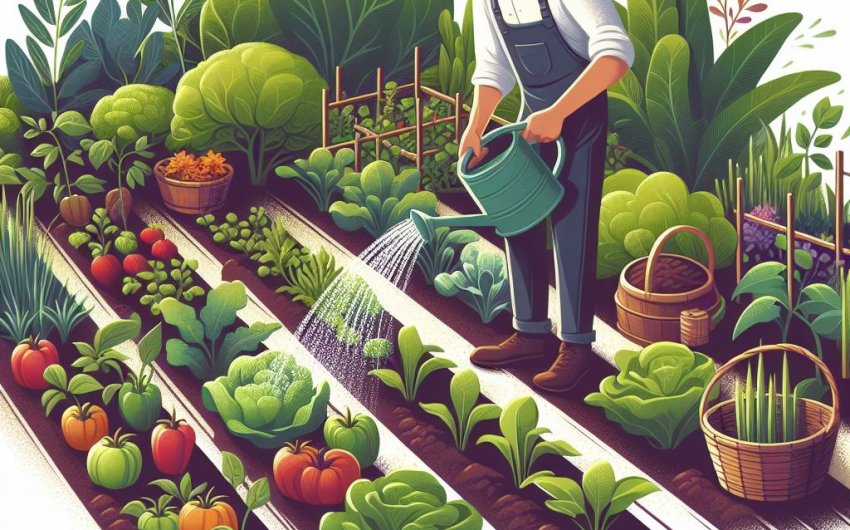
Keeping your garden flourishing throughout the growing season is an ongoing process that hinges on consistent, attentive care and timely intervention, making essential vegetable garden maintenance a daily or weekly commitment. From providing adequate water and nutrients to warding off pests and weeds, these regular tasks ensure your plants remain healthy, productive, and ultimately yield a bountiful harvest. Mastering these maintenance routines is key to a truly successful and enjoyable gardening experience.
Why is Consistent Vegetable Garden Maintenance So Crucial?
Consistent vegetable garden maintenance is not just a recommendation; it's the bedrock of a thriving, productive garden. Neglecting regular tasks can quickly lead to a cascade of problems that diminish yields, compromise plant health, and ultimately, undermine all your initial planting efforts. It's the daily and weekly commitment that ensures you're truly keeping your garden flourishing.
What Are the Risks of Neglecting Garden Maintenance?
Failing to perform essential vegetable garden maintenance can transform a promising patch into a problematic one, impacting both plant health and your eventual harvest.
- Reduced Yields: This is the most direct consequence. Underfed, underwatered, weed-choked, or pest-ridden plants are stressed plants, and stressed plants will produce fewer, smaller, or poorer-quality fruits and vegetables. Forgetting to harvest regularly also signals plants to stop producing.
- Increased Pest and Disease Pressure: Unchecked weeds provide shelter and breeding grounds for pests. Weakened, unhealthy plants are far more susceptible to pest infestations and fungal diseases, which can then rapidly spread throughout your entire garden.
- Nutrient Depletion and Imbalance: Plants continuously draw nutrients from the soil. Without consistent replenishment through proper fertilization, the soil becomes depleted, leading to nutrient deficiencies that stunt growth and reduce productivity.
- Weed Overwhelm: Weeds are aggressive competitors for water, light, and nutrients. If left unchecked, they can quickly outcompete your vegetables, stunting their growth and making them difficult to harvest.
- Watering Inefficiency: Inconsistent watering can stress plants, lead to issues like blossom end rot, and promote shallow root growth, making plants less resilient to dry spells.
- Soil Compaction: Walking in garden beds, especially when wet, compacts the soil, reducing aeration and making it difficult for roots to grow and absorb water/nutrients.
- Overgrowth and Tangled Plants: Without proper staking, pruning, or training, vining plants can become a tangled mess, shading each other out, making harvesting difficult, and increasing disease risk due to poor air circulation.
What Are the Benefits of Diligent Maintenance?
Conversely, a consistent approach to essential vegetable garden maintenance brings a wealth of rewards, making your efforts truly worthwhile and ensuring you're keeping your garden flourishing.
- Maximized Yields: Healthy, well-nourished, and pest-free plants produce to their full potential, leading to abundant and high-quality harvests. Regular harvesting encourages continuous production.
- Healthier Plants: Proper watering, feeding, and protection create resilient plants that are better able to ward off pests and diseases naturally.
- Fewer Pest and Disease Problems: Proactive maintenance (monitoring, cleaning, spacing) prevents major outbreaks, saving you time and reducing the need for intensive treatments.
- Weed Control: Staying on top of weeds when they're small makes removal much easier and prevents them from competing with your vegetables.
- Efficient Resource Use: Water and nutrients are directed efficiently to your desired plants, not wasted on weeds.
- Extended Harvest Season: Consistent care, especially through succession planting and regular harvesting, can significantly extend how long your garden produces.
- Beautiful and Organized Garden: A well-maintained garden is aesthetically pleasing, making it a joy to spend time in.
- Therapeutic Value: The routine of caring for plants can be a calming, mindful activity, reducing stress and fostering a deeper connection to nature.
By embracing essential vegetable garden maintenance as an ongoing process, you empower your garden to thrive, ensuring you're consistently keeping your garden flourishing and enjoying the bountiful rewards of your hard work.
How Do You Effectively Water Your Vegetable Garden?
Effectively watering your vegetable garden is one of the most critical aspects of essential vegetable garden maintenance, directly impacting plant health, fruit development, and overall yield. It's not just about applying water, but about how and when you do it, ensuring roots receive adequate moisture without promoting disease. Getting this right is fundamental to keeping your garden flourishing.
What Are the Principles of Smart Watering?
These principles guide efficient and effective watering, ensuring your plants get what they need without waste or harm. They are key tips for keeping your garden flourishing.
- Water Deeply and Infrequently (Generally):
- Importance: This encourages roots to grow deep into the soil, making plants more resilient to dry spells. Shallow, frequent watering promotes shallow roots, making plants dependent on daily watering.
- Practice: When you water, provide enough to penetrate at least 6-12 inches (15-30 cm) into the soil.
- Water at the Base of the Plant:
- Importance: Directly targets the roots, where water is needed. Keeps foliage dry, which is crucial for preventing fungal diseases like powdery mildew and blight that thrive on wet leaves.
- Practice: Use a soaker hose, drip irrigation, or carefully aim your watering can/hose nozzle at the soil level around the plant.
- Water in the Morning:
- Importance: Allows any moisture on foliage to dry completely before nightfall.
- Practice: Water early in the morning. If leaves get wet, they have all day to dry out in the sun and air. Watering in the evening or at night leaves foliage wet, creating an ideal environment for fungal spores to germinate.
- Monitor Soil Moisture:
- Importance: Plants' water needs vary greatly with weather, soil type, and growth stage. Don't water on a strict schedule.
- Practice: Use the "finger test"—stick your finger 2-3 inches into the soil. If it feels dry, it's time to water. A soil moisture meter for gardens can also provide accurate readings.
- Consider Plant-Specific Needs:
- Thirsty Plants: Some vegetables (e.g., cucumbers, squash, tomatoes) are heavy drinkers, especially when fruiting.
- Drought-Tolerant: Others (e.g., some herbs, beans once established) are more resilient.
- Consistency for Fruit: Fruiting vegetables (tomatoes, peppers, squash) need consistent moisture. Inconsistent watering can lead to problems like blossom end rot or fruit cracking.
What Are Effective Watering Methods?
Choosing the right watering system can save time and improve efficiency in your essential vegetable garden maintenance.
- Soaker Hoses:
- Pros: Delivers water slowly and directly to the soil, keeps foliage dry, efficient, reduces runoff.
- Cons: Can be prone to clogging.
- Tip: Lay them out at the beginning of the season. A garden soaker hose is an excellent investment.
- Drip Irrigation:
- Pros: Most efficient, precise, customizable, delivers water directly to individual plants.
- Cons: Higher initial setup cost.
- Tip: Great for raised beds or permanent layouts.
- Hand Watering (Hose/Watering Can):
- Pros: Allows for targeted watering of specific plants, good for small gardens.
- Cons: Can be time-consuming for large gardens, easy to get foliage wet.
- Tip: Use a gentle stream, direct it at the base of the plant, and avoid high pressure.
- Mulching: While not a watering method, a 2-4 inch layer of organic mulch (straw, shredded leaves, wood chips) around plants significantly reduces water evaporation from the soil, keeping it moist for longer and reducing watering frequency.
By adopting these smart watering strategies, you perform essential vegetable garden maintenance that supports vigorous plant growth, maximizes your yield, and truly keeps your garden flourishing.
How Do You Effectively Fertilize Your Vegetable Garden?
Effectively fertilizing your vegetable garden is a crucial aspect of essential vegetable garden maintenance, ensuring your plants receive the necessary nutrients to grow strong, healthy, and produce abundant, high-quality harvests. Unlike watering, it's not a constant process but a strategic replenishment that directly impacts your goal of keeping your garden flourishing.
What Are the Basic Principles of Fertilization?
Understanding these principles ensures you provide the right nutrients at the right time, avoiding common pitfalls like over-fertilization or nutrient imbalances. This is a key trick for essential vegetable garden maintenance.
- Know Your Soil (Soil Test is Best):
- Importance: A soil test is the best way to know what nutrients your soil actually has and what it needs. Without it, you're guessing.
- Practice: Get a comprehensive soil test every 2-3 years through your local extension office. It will tell you pH and nutrient levels, and recommend specific amendments. A home soil testing kit can give a preliminary idea.
- Understand N-P-K (The Big Three): Fertilizers are labeled with three numbers representing Nitrogen (N), Phosphorus (P), and Potassium (K).
- Nitrogen (N): Promotes lush, leafy green growth. (e.g., spinach, lettuce, kale). Too much can mean fewer fruits.
- Phosphorus (P): Crucial for root development, flowering, and fruiting. (e.g., tomatoes, peppers, squash).
- Potassium (K): Essential for overall plant vigor, disease resistance, and fruit quality.
- Target Specific Plant Needs: Different vegetables have different nutrient demands.
- Heavy Feeders: Tomatoes, peppers, corn, squash, brassicas (broccoli, cabbage). Need more consistent feeding.
- Moderate Feeders: Beans, peas (fix their own nitrogen), root vegetables.
- Light Feeders: Herbs, leafy greens (often less critical, especially if soil is rich).
- Timing is Key:
- At Planting: Incorporate compost and any recommended granular fertilizers or soil amendments (like bone meal for phosphorus) into the soil before planting.
- Active Growth/Fruiting: Most supplemental feeding occurs during the active growing season (after initial establishment) and when fruiting vegetables begin to set fruit.
- Avoid Late-Season Nitrogen: Don't apply high-nitrogen fertilizers late in the season, as it encourages tender new growth that can be damaged by early frosts.
- Avoid Over-Fertilization: Too much fertilizer can "burn" plant roots, cause excessive leafy growth at the expense of fruit, or lead to nutrient imbalances. Follow package directions carefully.
What Are Effective Fertilization Methods?
Choosing the right type and method of fertilizer ensures efficient nutrient delivery for your essential vegetable garden maintenance.
- Compost (The Best Overall Soil Amendment):
- Pros: Provides a wide range of nutrients slowly and gently, improves soil structure, aeration, and water retention. Feeds the soil microbes.
- Method: Work generous amounts (2-4 inches deep) into beds in spring before planting, and side-dress plants during the season. A bag of organic compost is invaluable.
- Liquid Fertilizers:
- Pros: Fast-acting, immediately available to plants. Easy to apply as a "side-dressing" during the season.
- Method: Dilute as directed (often half-strength for vegetables) and apply to moist soil around the base of plants every 2-4 weeks during active growth/fruiting. A balanced liquid vegetable fertilizer is a good choice.
- Granular/Slow-Release Fertilizers:
- Pros: Release nutrients gradually over weeks or months, reducing the need for frequent application.
- Method: Mix into the soil at planting or gently scratch into the soil surface around plants.
- Organic Amendments:
- Bone Meal: Good for phosphorus (for flowering/fruiting).
- Kelp Meal/Greensand: Good for potassium and micronutrients.
- Fish Emulsion/Seaweed Extract: Liquid organic feeds with balanced nutrients.
By diligently practicing effective fertilization based on your soil and plant needs, you perform essential vegetable garden maintenance that supports vigorous growth, maximizes your yield, and truly keeps your garden flourishing with healthy, productive plants.
How Do You Effectively Manage Weeds in Your Vegetable Garden?
Effectively managing weeds is a cornerstone of essential vegetable garden maintenance, directly impacting the health and productivity of your crops. Weeds are fierce competitors for water, light, and nutrients, and if left unchecked, they can quickly overwhelm your vegetables, dramatically reducing your harvest. A proactive approach is key to keeping your garden flourishing and weed-free.
What Are the Problems Caused by Weeds?
Beyond simply looking messy, weeds pose several significant threats to your vegetable garden. Understanding their negative impacts emphasizes the importance of effective weed control.
- Competition for Resources: Weeds are champions at taking up available water, light, and nutrients. They directly compete with your vegetable plants for these vital resources, stunting their growth and reducing yields.
- Pest and Disease Harborage: Dense weed growth can provide shelter and breeding grounds for pests (like slugs, aphids, cucumber beetles) and create humid, stagnant conditions that favor fungal diseases.
- Reduced Air Circulation: A thick carpet of weeds around your plants impedes air circulation, further contributing to disease risk.
- Interference with Harvesting: Trying to harvest vegetables from a weed-choked bed is difficult, uncomfortable, and can damage your desired plants.
- Seed Production: If allowed to go to seed, weeds will perpetuate the problem, ensuring future generations of weeds for years to come.
What Are the Best Weed Management Strategies?
A combination of preventative measures and timely intervention is the most effective approach to keeping your garden flourishing and weed-free. These are crucial small space vegetable gardening solutions.
- Mulching (The #1 Defense):
- How it works: A 2-4 inch layer of organic mulch (straw, shredded leaves, wood chips, pine needles) or inorganic mulch (weed fabric, cardboard) blocks sunlight from reaching weed seeds, preventing them from germinating. It also smothers existing small weeds.
- Benefits: Suppresses weeds, conserves soil moisture (reducing watering), moderates soil temperature, and (for organic mulch) adds nutrients as it decomposes.
- Application: Apply after planting, ensuring it's not piled directly against plant stems.
- Tip: A garden weed barrier fabric can be used under mulch for extra protection.
- Hand Weeding (Early and Often):
- How it works: Physically removing weeds.
- Benefits: Most effective for small weeds. Easy to identify and remove before they establish deep roots or go to seed.
- Practice:
- Weed When Young: Pull weeds as soon as you see them, ideally when they are very small. They are easier to remove, and their roots haven't yet competed significantly.
- Weed After Rain/Watering: Soil is soft, making weeds much easier to pull out, root and all.
- Use Tools: A hand weeding tool or a trowel can help with stubborn weeds.
- Avoid Leaving Weeds: Don't leave pulled weeds in the bed if they have roots or seeds; they can reroot or spread seeds.
- Hoeing (for Larger Areas):
- How it works: Uses a garden hoe to cut weeds off at the soil line just below the surface.
- Benefits: Quick and effective for larger areas of young weeds.
- Practice: Best done on a dry, sunny day so uprooted weeds desiccate and die. Don't hoe too deeply, which can bring up new weed seeds.
- Close Planting / Intensive Gardening:
- How it works: Planting vegetables closer together (e.g., Square Foot Gardening) creates a dense canopy that shades the soil surface, suppressing weed growth.
- Benefits: Reduces the space available for weeds to germinate and grow.
- Crop Rotation:
- How it works: Rotating the types of crops you grow in different areas of your garden each year.
- Benefits: Disrupts weed cycles by changing soil conditions and competition.
- Avoid Disturbing Soil Unnecessarily:
- How it works: Tilling or digging deeply can bring dormant weed seeds to the surface, where they can germinate.
- Benefits: Practice "no-dig" or "minimum-till" gardening to keep dormant weed seeds buried.
By consistently applying these weed management strategies, you perform essential vegetable garden maintenance that prevents competition, reduces pest issues, and significantly contributes to keeping your garden flourishing, ensuring a productive and enjoyable growing season.
How Do You Effectively Manage Pests and Diseases in Your Vegetable Garden?
Effectively managing pests and diseases is a continuous and crucial aspect of essential vegetable garden maintenance, directly impacting the health, vigor, and ultimate yield of your crops. A healthy, flourishing garden is one where pest and disease pressure is minimized through proactive observation and timely, targeted interventions. Mastering these management tricks is fundamental to long-term gardening success.
What Are the Principles of Integrated Pest Management (IPM)?
Integrated Pest Management (IPM) is a holistic, environmentally sensitive approach to pest control that relies on a combination of common-sense practices, emphasizing prevention and non-toxic solutions before resorting to chemical interventions. It's a key philosophy for keeping your garden flourishing.
- Prevention is Key: Create conditions that discourage pests and diseases in the first place.
- Identification: Know your pests and diseases. Proper identification is crucial for effective treatment.
- Monitoring: Regularly inspect your plants for early signs of problems.
- Intervention Thresholds: Act only when pest populations reach levels that cause unacceptable damage.
- Non-Chemical First: Prioritize cultural, physical, and biological controls.
- Chemical as Last Resort: If necessary, use the least toxic chemical options.
What Are Effective Pest Management Tricks?
These strategies help you maintain a vigilant pest patrol in your essential vegetable garden maintenance, minimizing damage and protecting your harvest.
- Regular Inspection (Pest Patrol):
- How: Inspect plants daily or every other day, especially the undersides of leaves, new growth, and stems. Look for holes, discoloration, sticky residue, or visible insects. A magnifying glass for garden inspection can help.
- Benefit: Early detection is key. Catching problems when they are small makes them much easier to control without widespread damage.
- Hand-Picking:
- How: Physically remove larger pests (slugs, snails, hornworms, squash bugs) from plants and drop them into a bucket of soapy water.
- Benefit: Direct, immediate control without chemicals. Best for limited infestations.
- Companion Planting:
- How: Plant specific aromatic herbs or flowers near vegetables.
- Benefit: Some plants (e.g., marigolds, basil, rosemary) repel pests or act as trap crops (e.g., nasturtiums for aphids), drawing them away from vegetables. Others (e.g., dill, borage) attract beneficial insects that prey on pests.
- Physical Barriers:
- How: Use row covers, netting, or collars.
- Benefit: Row covers (garden insect netting) can physically exclude insects like cabbage moths and cucumber beetles. Copper tape can deter slugs.
- Attract Beneficial Insects:
- How: Plant flowers rich in nectar and pollen (e.g., dill, cosmos, marigolds, calendula) to attract predatory insects like ladybugs, lacewings, and parasitic wasps that eat garden pests.
- Benefit: Natural, sustainable pest control.
- Organic Sprays (Targeted Intervention):
- Neem Oil: A natural insecticide, fungicide, and repellent. Disrupts insect life cycles. A neem oil spray for vegetable gardens is highly versatile.
- Insecticidal Soap: Suffocates soft-bodied insects like aphids, spider mites, and mealybugs.
- Bt (Bacillus thuringiensis): A bacterial spray specific to caterpillars (e.g., cabbage worms, hornworms).
- Caution: Always follow directions, spray in the evening to protect pollinators, and ensure it's safe for edibles.
What Are Effective Disease Management Tricks?
Proactive measures and good garden hygiene are paramount for preventing diseases in your essential vegetable garden maintenance.
- Choose Disease-Resistant Varieties: Select vegetable varieties specifically bred for resistance to common local diseases (e.g., blight-resistant tomatoes, powdery mildew-resistant cucumbers).
- Good Air Circulation:
- How: Space plants adequately, prune dense foliage to open up the canopy, and stake/trellis vining plants.
- Benefit: Reduces humidity around leaves, preventing fungal spores from germinating.
- Water Wisely:
- How: Water at the base of the plant in the morning, keeping foliage dry. Avoid overhead watering in the evening.
- Benefit: Prevents fungal diseases that thrive on wet leaves.
- Crop Rotation:
- How: Don't plant the same family of vegetables in the same spot year after year. Rotate crops to different areas of the garden.
- Benefit: Disrupts the life cycles of soil-borne pathogens and pests.
- Garden Hygiene:
- How: Promptly remove and destroy (do NOT compost) diseased plant parts or entire infected plants. Clean up all plant debris at the end of the season.
- Benefit: Prevents pathogens from overwintering and reinfecting new plants.
- Sterilize Tools: Clean pruning shears or other tools with a 10% bleach solution or rubbing alcohol after use, especially after cutting diseased plants.
- Healthy Soil: Well-draining, nutrient-rich soil with good organic matter supports strong, healthy plants that are more resistant to disease.
By diligently implementing these comprehensive pest and disease management strategies, you effectively perform essential vegetable garden maintenance that ensures your plants remain robust, productive, and truly flourish, leading to a satisfying and abundant harvest season after season.
How Can Succession Planting and Harvesting Maximize Yield?
Succession planting and diligent harvesting are ingenious tricks for essential vegetable garden maintenance, allowing you to maximize yield from your garden space and enjoy a continuous supply of fresh produce throughout the entire growing season. These practices are fundamental to keeping your garden flourishing and incredibly productive, making every square foot count.
What Is Succession Planting?
Succession planting ensures your garden beds are never idle, producing food continuously rather than just in one large flush. It's a core small space vegetable gardening solution.
- Staggered Planting: Planting small batches of the same crop (e.g., lettuce, radishes, bush beans) every 2-3 weeks.
- Benefit: Instead of one massive harvest that might spoil, you get smaller, continuous harvests over a longer period, perfectly timed for consumption.
- Interplanting: Planting a fast-maturing crop between slower-growing ones.
- Benefit: You harvest the quick crop (e.g., radishes) before the slower one (e.g., cabbage) needs the full space, maximizing early season use.
- Follow-Up Planting: As soon as one crop is harvested from a section of the garden, immediately plant another crop (often a different one, suited to the season) in its place.
- Benefit: Ensures continuous production from the same spot, maximizing total yield over the entire growing season. For example, spring lettuce followed by summer bush beans, then fall spinach.
What Are the Benefits of Succession Planting?
- Continuous Harvests: Provides a steady supply of fresh vegetables, preventing gluts and ensuring you always have something new to pick.
- Maximizes Yield from Small Areas: Ensures garden beds are always productive, leading to a much larger total yield from your space.
- Efficient Use of Space: Prevents precious garden space from sitting empty.
- Reduced Waste: Smaller, staggered harvests mean you're more likely to consume all your produce at its peak.
- Pest and Disease Management: Rotating different crops helps break pest and disease cycles.
What Is Diligent Harvesting?
Harvesting frequently and at the right time is crucial for keeping plants in continuous production mode and ensuring the best quality. It's a simple yet powerful trick for essential vegetable garden maintenance.
- Pick at Peak Ripeness:
- Importance: Harvest vegetables when they are at their optimal size and ripeness for the best flavor and texture. Overripe vegetables can become tough, bland, or bitter.
- Practice: Read seed packets for ideal harvest size. Taste-test a few to find your preference.
- Harvest Regularly (Crucial for Production):
- Importance: For many vegetables (cucumbers, beans, squash, peppers, leafy greens, tomatoes), frequent harvesting encourages the plant to produce more flowers and fruits.
- Mechanism: When fruits are left to ripen and develop seeds on the plant, it signals to the plant that its reproductive goal is met, and it will slow down or stop producing new fruits. By picking regularly, you trick the plant into thinking it still needs to produce more.
- Practice: Check and harvest prolific producers daily or every other day during peak season.
- Use Sharp Tools:
- Importance: Clean cuts prevent damage to the plant, which can invite disease or reduce future production.
- Practice: Use sharp garden snips or a knife to cleanly remove fruits and vegetables. Avoid tearing or yanking.
- Harvesting "Cut-and-Come-Again" Crops:
- How: For leafy greens (lettuce, spinach, kale), harvest the outer leaves first, allowing the inner leaves to continue growing. You can also cut the entire plant back, leaving an inch or two, and it will regrow.
- Benefit: Multiple harvests from the same plant.
By integrating succession planting with diligent harvesting practices, you perform essential vegetable garden maintenance that ensures your garden is always working hard for you, maximizing its yield, and truly keeping your garden flourishing with a continuous bounty of fresh, homegrown produce.