
Growing Big in Small Spaces: Small Space Vegetable Gardening Solutions
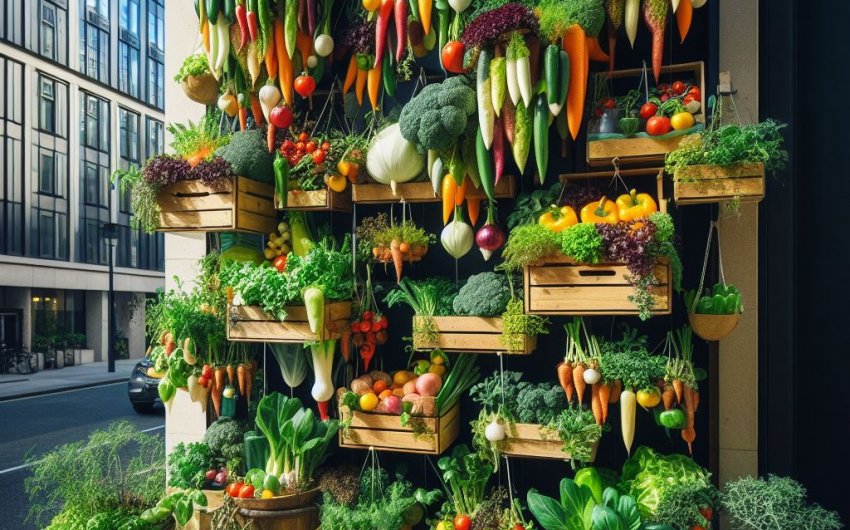
Growing big in small spaces is not only possible but incredibly rewarding with the right strategies and creative thinking, allowing urban and compact gardeners to achieve impressive yields of fresh vegetables. The key to small space vegetable gardening solutions lies in maximizing every dimension—vertical, horizontal, and even temporal—through smart plant selection, innovative growing methods, and diligent care. You can transform even the tiniest balcony, patio, or backyard into a bountiful producer of homegrown goodness.
Why Is Small Space Vegetable Gardening So Popular?
Small space vegetable gardening has exploded in popularity, transforming tiny balconies, urban patios, and compact backyards into productive food-growing areas. This trend is driven by a desire for fresh produce, a connection to nature, and an efficient use of limited square footage, proving that growing big in small spaces is highly desirable. It's an accessible solution for many modern lifestyles.
What Are the Compelling Reasons for Small Space Gardening?
The appeal of growing your own food in confined areas addresses many challenges and desires of contemporary living, making it an excellent small space vegetable gardening solution.
- Access to Fresh, Healthy Food: This is perhaps the most significant motivator. Small space gardening allows you to grow your own fresh, organic, and pesticide-free vegetables, ensuring you know exactly where your food comes from and that it's picked at peak ripeness for maximum flavor and nutrition.
- Space Efficiency: Urban living often means limited or no traditional garden plots. Small space solutions like containers, raised beds, and vertical gardens allow anyone with a balcony, patio, or even a sunny windowsill to become a productive gardener, making growing big in small spaces a reality.
- Cost Savings: While there's an initial investment in supplies, over time, growing your own vegetables can lead to significant savings on grocery bills, especially for specialty or organic produce.
- Environmental Benefits:
- Reduced Food Miles: Growing your own food reduces the distance your food travels from farm to plate, lowering your carbon footprint.
- Sustainable Practices: Allows for control over pesticides and water use, promoting more sustainable and eco-friendly gardening practices.
- Mental and Physical Wellbeing:
- Stress Reduction: Gardening is a proven stress reducer. The act of nurturing plants and connecting with nature is therapeutic, offering a mindful escape from daily pressures.
- Physical Activity: Provides light exercise and fresh air.
- Mood Boost: Witnessing growth and enjoying a harvest can boost mood and provide a sense of accomplishment.
- Flexibility and Mobility: Container gardening, a cornerstone of small space solutions, offers incredible flexibility. Plants can be moved to optimize sunlight, protect from extreme weather, or even change the aesthetic of a space.
- Better Soil Control: In containers or raised beds, you have complete control over the soil quality, ensuring optimal drainage and nutrient levels, which can be challenging with poor native soils.
- Pest and Disease Management (Often Easier): Elevated beds and containers can help deter some ground-dwelling pests. Isolated plants are often easier to inspect and treat for problems before they spread.
- Aesthetic Appeal: A well-designed small vegetable garden adds beauty, vibrancy, and life to any compact outdoor area, enhancing curb appeal or patio enjoyment.
For these compelling reasons, small space vegetable gardening is more than just a trend; it's a practical, rewarding, and sustainable approach to food production that empowers individuals to grow big in small spaces, regardless of their gardening footprint.
What Are the Most Effective Layouts for Small Space Vegetable Gardening?
Maximizing every inch in small space vegetable gardening is about clever design and efficient use of available dimensions, ensuring you're truly growing big in small spaces. The layout you choose can dramatically impact yield, plant health, and ease of maintenance. Thoughtful planning is key to transforming compact areas into productive food-growing hubs.
What Are Top Layout Solutions for Small Gardens?
These layouts are specifically designed to optimize space, light, and access in confined gardening areas, providing excellent small space vegetable gardening solutions.
- Raised Beds:
- Description: Enclosed garden boxes built above ground, filled with ideal soil mix.
- Pros:
- Superior Soil Control: You fill with perfect, well-draining, nutrient-rich soil from day one.
- Better Drainage: Prevents waterlogging.
- Warmer Soil: Heats up faster in spring, extending the season.
- Reduced Weeds & Pests: Easier to manage.
- Ergonomic: Less bending, easier access from all sides.
- Defined Aesthetic: Creates a neat, organized look.
- Usage: Best for backyards, patios, or any level surface where you can place a permanent structure. Build them 12-24 inches deep. A cedar raised garden bed kit is a popular choice.
- Container Gardening:
- Description: Growing plants in individual pots, tubs, grow bags, or specialized planters.
- Pros:
- Ultimate Flexibility: Easily moved for optimal sun, protection from weather, or rearranging.
- Custom Soil: Each plant can have its ideal soil mix.
- Excellent Drainage: If pots have holes.
- Pest & Disease Isolation: Problems are less likely to spread.
- Aesthetic: Add decorative elements.
- Usage: Ideal for balconies, patios, rooftops, small yards, or even indoors. A fabric grow bag for vegetables is lightweight and promotes aeration.
- Vertical Gardening:
- Description: Growing plants upwards using trellises, stakes, cages, wall-mounted planters, or stacked systems.
- Pros:
- Maximizes Vertical Space: Converts unused wall space, fences, or air above beds into growing areas.
- Healthier Plants: Improves air circulation, keeps plants off the ground (reducing disease/pests).
- Easier Harvesting: Fruits often hang at eye level.
- Visual Impact: Creates stunning green walls or productive towers.
- Usage: Perfect for any small space with a vertical surface. Combine with raised beds or containers. A vertical garden tower is a popular vertical solution.
- Square Foot Gardening (Intensive Planting):
- Description: Dividing a raised bed (or any garden plot) into a grid of 1-foot squares and planting specific numbers of plants per square, rather than in rows.
- Pros:
- High Yields: Maximizes production from a small area by optimizing plant spacing.
- Reduced Weeds: Dense planting shades out weeds.
- Efficient Resource Use: Focuses water and nutrients where plants need them.
- Simple Planning: Easy to plan and manage.
- Usage: Excellent for raised beds. A square foot gardening book can guide you.
- Window Boxes and Railing Planters:
- Description: Shallow, narrow planters designed to fit on windowsills or attach to railings.
- Pros: Utilizes often-unused space, adds beauty to windows or balconies.
- Cons: Dries out quickly, limited depth.
- Usage: Best for shallow-rooted herbs, leafy greens, or smaller flowers.
By strategically combining these effective layouts, you can successfully implement small space vegetable gardening solutions that allow you to grow big in small spaces, creating a highly productive and beautiful garden regardless of your available footprint.
What Are the Best Vegetables to Grow Big in Small Spaces?
To truly succeed at growing big in small spaces, selecting the right vegetable varieties is paramount. Not all vegetables are created equal when it comes to space efficiency; some are naturally compact, while others can be trained or bred to fit confined areas. Choosing wisely is a top trick for small space vegetable gardening solutions.
What Vegetable Characteristics Are Ideal for Small Spaces?
Look for these specific traits to ensure your chosen vegetables thrive and produce abundantly in containers, raised beds, or vertical gardens. They are the key to growing big in small spaces.
- Compact/Bush Varieties: Choose varieties specifically labeled as "bush," "patio," "dwarf," or "compact." These are bred to have a smaller footprint.
- Vining Varieties that Climb: Many vining plants can be trained vertically on trellises, saving ground space.
- "Cut-and-Come-Again" Crops: Vegetables that produce multiple harvests from a single plant (e.g., leafy greens) are excellent for continuous yield.
- Quick-Maturing Crops: These allow for succession planting, maximizing total yield by growing multiple crops in the same spot over a season.
- Shallow-Rooted Crops: Ideal for shallower containers or window boxes.
What Are Excellent Vegetable Choices for Small Spaces?
These vegetables are proven performers in compact gardening, offering impressive yields from limited room. They are perfect for small space vegetable gardening solutions.
- Leafy Greens:
- Why they're great: Thrive in containers, tolerate some shade, quick-maturing, and can be harvested "cut-and-come-again." Excellent for continuous yield.
- Examples: Lettuce (loose leaf varieties like 'Black Seeded Simpson', 'Salad Bowl'), Spinach, Arugula, Swiss Chard, Kale (dwarf varieties).
- Herbs:
- Why they're great: Most herbs are compact, grow well in pots, and provide continuous harvests. They also deter some pests.
- Examples: Basil (especially 'Dwarf Greek' or 'Bush' varieties), Chives, Parsley, Mint (always in its own pot!), Rosemary (upright varieties), Thyme, Cilantro.
- Bush Beans and Peas:
- Why they're great: Bush varieties are compact and don't require extensive support. Vining types can be trellised.
- Examples: Bush Snap Beans ('Provider', 'Blue Lake Bush'), Bush Shelling Peas ('Little Marvel'), Pole Beans/Peas (for vertical growth on a trellis).
- Radishes:
- Why they're great: Incredibly fast-growing, shallow-rooted, and perfect for succession planting in tiny gaps.
- Examples: 'Cherry Belle', 'French Breakfast'.
- Carrots:
- Why they're great: Love the loose, deep soil of raised beds. Choose shorter, round, or Nantes varieties for shallower containers.
- Examples: 'Danvers 126' (for deeper beds), 'Paris Market' (round, for pots).
- Compact Tomatoes:
- Why they're great: Many varieties are bred specifically for pots, offering a great yield of fresh tomatoes. All will need some support.
- Examples: Dwarf/Patio varieties ('Tiny Tim', 'Patio'), Determinate (Bush) varieties (e.g., 'Roma', 'Celebrity'), Cherry Tomatoes ('Sweet 100', 'Sungold'). A dwarf tomato seed pack is perfect for small spaces.
- Peppers:
- Why they're great: Stay relatively compact, especially bush varieties, and are highly productive in warm, sunny conditions.
- Examples: Bell Peppers ('California Wonder'), Jalapeños, Serrano.
- Cucumbers and Squash (Bush/Vining with Trellis):
- Why they're great: Traditional types sprawl, but bush or container varieties can be very productive. Vining types can be trained vertically.
- Examples: 'Bush Pickle' cucumber, 'Spacemaster' cucumber, 'Patio Snacker' cucumber, 'Bush Acorn' squash, 'Space Saver' zucchini. Provide a cucumber trellis.
- Strawberries:
- Why they're great: Perfect for hanging baskets, strawberry pots, or edges of raised beds. Ever-bearing varieties give continuous harvests.
- Examples: 'Ozark Beauty', 'Seascape', 'Tristar', Alpine Strawberries.
By focusing on these well-suited vegetables, you can create a highly efficient and bountiful small space vegetable garden, growing big in small spaces and enjoying a constant supply of homegrown goodness.
How Can Vertical Gardening Maximize Yields in Small Spaces?
Vertical gardening is one of the most transformative small space vegetable gardening solutions, dramatically maximizing yields by converting unused vertical dimensions into productive growing areas. It's the ultimate trick for growing big in small spaces, allowing you to cultivate a surprising amount of food where only a flat wall or railing once stood. This innovative approach efficiently utilizes every cubic inch of your garden.
What Are the Benefits of Vertical Gardening for Small Spaces?
Beyond simply saving space, vertical gardening offers a range of advantages that contribute to healthier plants, easier maintenance, and greater harvests. These benefits make it an essential solution for growing big in small spaces.
- Maximizes Growing Area: The most obvious benefit. Vertical systems allow you to grow plants "up" instead of "out," significantly increasing your total planting surface area in a confined footprint. A 4x4 foot raised bed can effectively become a much larger growing space with vertical elements.
- Improved Plant Health:
- Enhanced Air Circulation: Lifting plants off the ground promotes better airflow around foliage, reducing the risk of fungal diseases like powdery mildew, which thrive in stagnant, damp conditions.
- Reduced Pest Issues: Keeps plants away from ground-dwelling pests (slugs, snails, some insects) and reduces the likelihood of soil-borne diseases splashing onto leaves.
- Better Sunlight Exposure: Spreading vines vertically ensures more leaves receive optimal sunlight, leading to more efficient photosynthesis and more fruit.
- Cleaner and Healthier Produce: Fruits that hang freely from vertical structures are kept off the soil, resulting in cleaner, blemish-free vegetables that are less prone to rot and easier to wash.
- Easier Harvesting: Vegetables are often at eye level or easily accessible, making harvesting a joy rather than a back-breaking chore. This reduces missed harvests of ripe produce.
- Aesthetic Appeal: A well-designed vertical garden adds dramatic visual interest, transforming bland walls or fences into lush, green focal points. It enhances the beauty of any small space.
- Mobility (for some systems): Certain vertical systems or trellised containers can be moved, offering flexibility to optimize sun exposure or protect from weather.
What Are Effective Vertical Gardening Structures?
There's a wide variety of DIY and ready-made vertical gardening systems to suit different needs and aesthetics, providing creative small space vegetable gardening solutions.
- Trellises, Stakes, and Cages:
- Description: Classic supports for vining plants. Trellises (grid/ladder structures), single sturdy stakes, or conical cages.
- Materials: Wood, bamboo, metal (cattle panels, re-mesh), heavy-duty twine.
- Best for: Cucumbers, pole beans, peas, vining tomatoes, small squash varieties, indeterminate peppers. A sturdy garden trellis is essential.
- Vertical Planters/Stackable Planters:
- Description: Multi-tiered containers where pots stack vertically, or systems with multiple planting pockets on a vertical frame.
- Best for: Strawberries, leafy greens, herbs, small compact flowers. A stackable vertical garden tower is a popular choice.
- Pocket Planters/Wall-Mounted Systems:
- Description: Fabric pockets or modular hard-plastic units designed to hang on a wall, fence, or railing.
- Best for: Herbs, lettuce, spinach, strawberries, small compact greens. A wall-mounted fabric planter is lightweight and flexible.
- Pallet Gardens:
- Description: Repurposed wooden pallets stood upright or modified to create planting pockets.
- Best for: Herbs, leafy greens, small annuals. (Ensure pallets are untreated - look for "HT" stamp).
- Arches and Arbors:
- Description: Creates a beautiful tunnel for climbing plants, doubling as a garden feature.
- Best for: Vining cucumbers, pole beans, indeterminate tomatoes (with extra support).
By strategically integrating vertical gardening techniques, you unlock immense potential in your small space vegetable gardening, allowing you to grow big in small spaces and enjoy a truly abundant harvest from your compact garden.
How Can Intensive Planting Techniques Maximize Harvests?
Intensive planting techniques are revolutionary small space vegetable gardening solutions, allowing gardeners to achieve significantly larger harvests from a given area compared to traditional row planting. By strategically placing plants closer together, these methods maximize every inch of soil and sunlight, ensuring you're truly growing big in small spaces and making your compact garden incredibly productive.
What Is Intensive Planting?
Intensive planting fundamentally rethinks how plants are spaced, moving away from conventional rows to a more organic, space-efficient model. It's about optimizing the available resources for your indoor plant care.
- Block or Grid Planting: Instead of long, single rows with wide paths between them, plants are arranged in blocks or grids (e.g., square-foot gardening) across the entire bed. This minimizes wasted space on paths.
- Closer Spacing: Plants are placed as close as they can comfortably grow without hindering each other's development, creating a dense canopy.
- Focus on Surface Area: The goal is to cover the soil surface with foliage as quickly as possible, shading out weeds and creating a humid microclimate.
What Are the Benefits of Intensive Planting?
The advantages of intensive planting are particularly pronounced in small gardens, directly contributing to greater yields and reduced maintenance. These are key small space vegetable gardening solutions.
- Maximizes Yield per Square Foot: By eliminating wasted space between rows, you can fit significantly more plants into the same area, directly increasing your total harvest. This is the essence of growing big in small spaces.
- Weed Suppression: A dense canopy of plants shades the soil, suppressing weed growth. This means less time spent weeding, a huge bonus for any gardener.
- Efficient Water Use: The dense foliage shades the soil, reducing water evaporation. Additionally, water applied directly to the planting block reaches plant roots efficiently, minimizing waste.
- Improved Soil Health: The constant root activity and dense foliage help maintain a healthy soil structure and support beneficial microbial life.
- Reduced Compaction: Since you don't need to walk in the planting areas (beds are typically narrow enough to reach across), soil compaction is avoided, keeping the soil loose and aerated.
- Easier Maintenance: While planting is denser, the overall area is smaller, making tasks like watering, fertilizing, and harvesting more concentrated and often quicker.
How to Implement Intensive Planting:
- Prepare the Bed: Ensure your raised bed or garden plot is prepared with rich, loose, well-draining soil, generously amended with compost. This nutrient-rich environment is crucial for supporting dense planting.
- Plan Your Grid: Divide your growing area (especially raised beds) into a grid of 1-foot x 1-foot squares. You can use string, thin wood strips, or even just visualize the squares.
- Follow Spacing Guidelines: For each square, plant a specific number of vegetables based on their mature size.
- 1 plant per square: Large plants like tomatoes (trellised), peppers, broccoli, eggplant.
- 4 plants per square: Bush beans, lettuce, Swiss chard, corn (in blocks).
- 9 plants per square: Spinach, beets, turnips.
- 16 plants per square: Radishes, carrots (small varieties).
- Vining plants: Plant 1-2 per square at the base of a trellis, allowing them to grow vertically.
- Consult a Square Foot Gardening chart for specific recommendations.
- Succession Planting: As soon as a fast-maturing crop is harvested from a square, immediately replant it with another crop suitable for the season. This maximizes total yield over the entire growing period.
- Companion Planting: Integrate beneficial companion plants within your blocks to deter pests, attract pollinators, and improve overall plant health.
- Water and Fertilize Adequately: With denser planting, plants will have higher demands for water and nutrients. Monitor soil moisture carefully with a soil moisture meter and fertilize regularly with a balanced liquid feed or organic amendments during the growing season.
By adopting intensive planting techniques, your small space vegetable gardening will become incredibly efficient and productive, allowing you to achieve truly impressive harvests and proving that growing big in small spaces is not just a dream, but a highly achievable reality.
How Does Succession Planting Maximize the Small Space Harvest?
Succession planting is an ingenious small space vegetable gardening solution that dramatically maximizes your harvest by ensuring your garden beds are never idle, producing food continuously throughout the growing season. Instead of planting once and harvesting once, you strategically plant multiple crops in the same spot over time, allowing you to truly grow big in small spaces. It's about optimizing the temporal dimension of your garden.
What Is Succession Planting?
Succession planting is a strategy that involves staggered planting times and quick crop rotation to ensure continuous harvests from the same plot of land. It means utilizing your garden space to its fullest potential across the entire growing season. This is crucial for small space vegetable gardening solutions.
- Staggered Planting: Planting small batches of the same crop every 2-3 weeks (e.g., lettuce, radishes, bush beans) so that instead of one massive harvest, you get smaller, continuous harvests over a longer period.
- Interplanting: Planting a fast-maturing crop between slower-growing ones (e.g., radishes between cabbage). The quick crop is harvested before the slower one needs the space.
- Follow-Up Planting: As soon as one crop is harvested, immediately plant another crop (often a different one suited to the season) in its place. For example, spring lettuce followed by summer bush beans, then fall spinach.
What Are the Benefits of Succession Planting?
The advantages of succession planting are particularly impactful in small gardens, where every square foot must deliver maximum productivity. This is key to growing big in small spaces.
- Continuous Harvests: Provides a steady supply of fresh vegetables throughout the growing season, preventing gluts and ensuring you always have something new to pick.
- Maximizes Yield from Small Areas: By ensuring beds are always productive, you get a much larger total yield from a small footprint over the entire season than with single-crop planting. This is the essence of small space vegetable gardening solutions.
- Efficient Use of Space: Prevents precious garden space from sitting empty after a harvest, making every square foot count.
- Reduced Waste: Smaller, staggered harvests mean you're more likely to consume all your produce at its peak, reducing spoilage.
- Pest and Disease Management: Rotating different types of crops through the same space can confuse pests and disrupt disease cycles, promoting healthier plants.
- Diverse Harvest: Allows you to grow a wider variety of vegetables in your small garden over the season.
How to Implement Succession Planting in Small Spaces:
- Choose Fast-Maturing Crops: Prioritize quick-growing vegetables that mature in 30-60 days.
- Examples: Lettuce, spinach, arugula, radishes, bush beans, cilantro, dill, scallions.
- Plan Your Garden Layout:
- Design your raised beds or containers with individual "blocks" or "squares" in mind (e.g., Square Foot Gardening). This makes it easy to manage successive plantings.
- Keep track of what you planted and when.
- Stagger Planting:
- For crops like lettuce or radishes, plant a small patch (e.g., one square foot in a raised bed, or one small container) every 2-3 weeks.
- Once the first patch is harvested, the next will be ready, and you can replant the now-empty spot.
- Follow-Up with Seasonal Crops:
- Spring: Cool-season crops (lettuce, spinach, radishes).
- Summer: As spring crops finish, immediately plant warm-season crops (bush beans, peppers, determinate tomatoes).
- Fall: As summer crops fade, plant more cool-season crops for a late-season harvest (fall spinach, kale, root vegetables).
- Prepare the Soil Between Plantings:
- After harvesting a crop, replenish the soil in that spot with a fresh layer of compost or worm castings before replanting. This ensures the new crop has ample nutrients.
- Monitor Your Calendar and Climate:
- Know your local frost dates to accurately plan your spring and fall succession plantings.
- Adjust your planting schedule based on unexpected heat waves or cold snaps.
By diligently practicing succession planting, you transform your small space vegetable garden into a continuous production line, proving that growing big in small spaces is not just achievable, but a vibrant and continuous source of homegrown delights through smart small space vegetable gardening solutions.
How Can Companion Planting Optimize Your Small Space Garden?
Companion planting is an invaluable small space vegetable gardening solution that optimizes your garden by leveraging the natural beneficial interactions between different plants. It's a clever trick for growing big in small spaces, enhancing plant health, deterring pests, attracting beneficial insects, and ultimately leading to a more productive and resilient mini-ecosystem within your confined garden. This bio-diverse approach reduces the need for chemical interventions.
What Is Companion Planting?
Companion planting is the art and science of placing different plant species in close proximity to each other to improve their growth, flavor, or protection from pests and diseases. It taps into nature's own wisdom for gardening. This is an essential small space vegetable gardening solution.
- Mutual Benefit: Plants can help each other in various ways:
- Pest Deterrence: Some plants emit scents or release chemicals that repel harmful insects, confusing them or making the area less attractive.
- Attracting Beneficial Insects: Certain flowering plants attract predatory insects (like ladybugs or lacewings) that feed on garden pests, or pollinators (like bees) essential for fruit set.
- Improving Soil Health: Legumes (like beans and peas) fix nitrogen in the soil, making it available to neighboring plants. Deep-rooted plants can break up soil, improving aeration.
- Shade and Support: Taller plants can provide natural shade for shorter, more sun-sensitive crops. Sturdy plants can offer physical support for vining crops.
- Flavor Enhancement: Some combinations are believed to actually improve the flavor of neighboring vegetables.
- Weed Suppression: Dense companion planting can help shade out weeds.
What Are the Benefits of Companion Planting in Small Spaces?
The advantages of companion planting are particularly amplified in compact gardens, where every plant must contribute to the overall health and productivity. This is key to growing big in small spaces.
- Natural Pest Control: In a small, confined raised bed or container, pest infestations can spread rapidly. Companion planting offers a natural, organic defense, reducing the reliance on pesticides and keeping your edible plants healthier.
- Increased Yields: By reducing pest damage, attracting pollinators, and improving soil conditions, companion planting helps each plant perform better, leading to higher overall yields from your limited garden space.
- Optimized Resource Use: Strategically placing plants with different growth habits and nutrient needs allows for more efficient use of your precious raised bed soil, water, and sunlight. For example, shallow-rooted lettuce can grow between deep-rooted tomatoes.
- Attracting Pollinators: Many small gardens might lack diverse flowers. Incorporating pollinator-attracting companions ensures good fruit set for crops like tomatoes, peppers, cucumbers, and squash.
- Improved Soil Fertility: Nitrogen-fixing legumes are particularly beneficial in raised beds, enriching the soil for subsequent crops or heavy feeders planted nearby.
- Enhanced Flavor: Some gardeners swear by combinations like basil and tomatoes for improved flavor, adding another layer of reward to your harvest.
- Biodiversity: Creating a diverse polyculture (many plants together) makes your garden more resilient and less susceptible to widespread problems than a monoculture (one crop alone).
What Are Classic Companion Planting Combinations for Small Spaces?
These tried-and-true pairings are perfect for maximizing your small space vegetable gardening efforts. They are essential small space vegetable gardening solutions.
- Tomatoes + Basil + Marigolds:
- Basil: Believed to improve tomato flavor and deter tomato hornworms and flies.
- Marigolds (French): Repel nematodes and other harmful soil pests. Plant these around the perimeter or intersperse them. A marigold seed packet is cheap pest control.
- Cucumbers + Nasturtiums + Radishes:
- Nasturtiums: Act as a trap crop for aphids, drawing them away from cucumbers. They also attract beneficial insects.
- Radishes: Quick-growing, shallow-rooted radishes can be harvested before cucumbers need full space, while their roots loosen the soil.
- Corn (if space allows): For larger plots, corn provides a natural trellis.
- Carrots + Rosemary + Lettuce:
- Rosemary: Its strong scent deters the carrot rust fly.
- Lettuce: Shades the soil, keeps it cool, and is harvested before carrots need full space.
- Bush Beans + Summer Savory:
- Summer Savory: Believed to deter bean beetles and improve bean growth and flavor.
- Brassicas (Broccoli, Cabbage, Kale) + Aromatic Herbs:
- Rosemary, Thyme, Sage, Mint (in a separate pot!): Their strong scents confuse and deter cabbage moths (which lay eggs that become cabbage worms).
- Dill: Attracts beneficial wasps that prey on cabbage worms.
- Peppers + Basil + Onions:
- Basil/Onions: Both can deter common pepper pests and are good neighbors.
- Strawberries + Bush Beans + Borage:
- Bush Beans: Fix nitrogen.
- Borage: Attracts pollinators and improves strawberry growth.
When implementing companion planting, always ensure adequate watering and fertilization for all plants, as dense planting can increase nutrient and water demand. By thoughtfully combining plants, you unlock the full potential of your small space vegetable gardening, achieving impressive harvests and creating a vibrant, resilient garden.