
Braving the Cold: Winter Vegetable Gardening Tips and Tricks
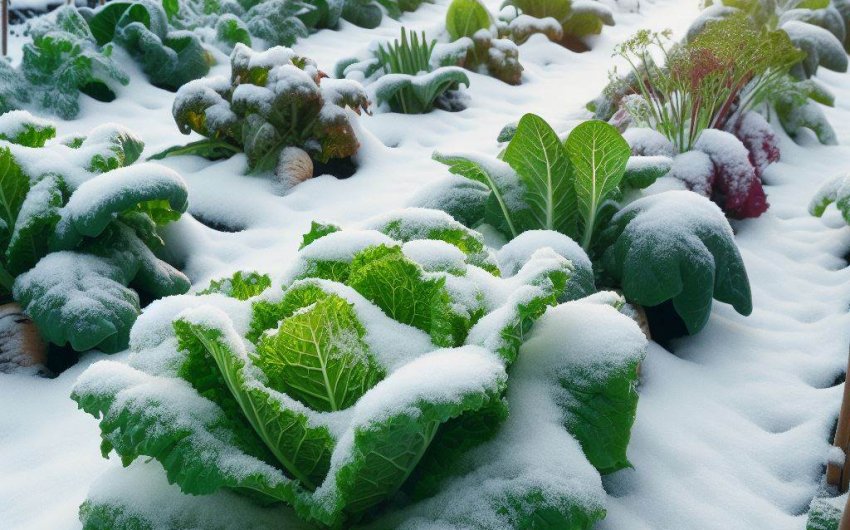
As the days shorten and a crisp chill fills the air, many gardeners pack away their tools, assuming the growing season has ended. But for those with a bit of grit and a desire for fresh, homegrown produce year-round, winter brings a unique opportunity. Winter vegetable gardening is not just possible; it's a deeply rewarding experience that offers a continuous harvest of delicious, cold-hardy vegetables. Imagine pulling up a vibrant kale plant or harvesting crisp carrots even when snow blankets the ground. This guide will help you embrace the cold, transforming your garden into a productive haven throughout the frosty months.
What are the Best Vegetables to Grow in Winter?
Choosing the right plants is the first step to a successful winter garden. Not all vegetables are cut out for the cold. You'll want to focus on cold-hardy varieties that can withstand frost, short days, and chilly temperatures.
Root Vegetables: Hardy and Hearty Choices
Root vegetables are often stars in the winter harvest. They grow their edible parts underground, which provides a bit of insulation from the cold.
- Carrots: These sweet roots become even sweeter after a touch of frost. Look for varieties like 'Danvers 126' or 'Nantes' that are known for their cold tolerance. You can find a good selection of carrot seeds to get started. Plant them in late summer or early fall for a winter harvest. They can stay in the ground until you're ready to pick them, making them a convenient crop.
- Beets: Both the roots and the greens of beets are delicious. 'Detroit Dark Red' and 'Cylindra' are excellent choices for winter growing. Beet greens are packed with nutrients and can be harvested even in cold weather.
- Radishes: While many radishes are quick-growing warm-season crops, some varieties like 'Black Spanish' or 'Daikon' are more tolerant of cooler temperatures and can be planted in late fall for a winter or early spring harvest. They add a spicy kick to winter salads.
- Turnips: These versatile roots can be eaten young and tender or allowed to grow larger for roasting. Their greens are also edible and very nutritious. Try 'Purple Top White Globe' for a reliable winter crop.
- Parsnips: Similar to carrots, parsnips actually improve in flavor after a few frosts. Their starches convert to sugars, making them sweeter. Plant them in late spring or early summer for a deep winter harvest.
Leafy Greens: Frost-Kissed and Flavorful
Many leafy greens thrive in cooler temperatures and some even become more flavorful after a light frost. These are essential for fresh salads and cooking throughout the winter season.
- Kale: This superfood is a true champion of the cold. Varieties like 'Lacinato' (Dinosaur Kale) and 'Red Russian' are incredibly resilient. Kale can withstand significant freezes and continues to produce leaves, often tasting sweeter after a frost. You can find robust kale seeds perfect for your winter garden.
- Spinach: While spinach can bolt (go to seed) in hot weather, it absolutely loves the cool temperatures of fall and winter. 'Tyee' and 'Bloomsdale Long Standing' are excellent choices for a continuous supply of tender leaves. Plant in early fall for a late fall and winter harvest.
- Swiss Chard: With its vibrant stems and nutritious leaves, Swiss chard is a beautiful and productive addition to the winter garden. It's more tolerant of heat than spinach but still thrives in cool weather. 'Bright Lights' offers a colorful display.
- Lettuce: Not all lettuce is suited for winter, but certain cold-tolerant varieties like 'Winter Density' or 'Arctic King' can surprise you. Provide some protection, and you can harvest fresh lettuce well into the winter months.
- Mache (Corn Salad): This delicate-looking green is incredibly cold-hardy. It forms small rosettes of leaves that have a nutty flavor, perfect for winter salads. Mache is one of the easiest greens to grow in cold weather with minimal protection.
- Arugula: For a peppery kick, arugula is a fast-growing green that tolerates cool temperatures. Plant in early fall for a harvest that continues until hard freezes set in. Some protection can extend its season even further.
Alliums: Pungent and Practical
Onions and their relatives are surprisingly cold-hardy and a great addition to the winter garden.
- Garlic: Plant garlic in the fall for a harvest the following summer. The cloves will establish roots before the ground freezes and then sprout in early spring. It's an easy crop to grow and provides fresh garlic for cooking. You'll want quality garlic bulbs for planting.
- Leeks: These mild-flavored alliums are very cold-tolerant and can be left in the ground to be harvested as needed throughout the winter. 'Blue Solaise' and 'American Flag' are popular cold-hardy varieties. They add a wonderful flavor to soups and stews.
- Scallions/Green Onions: While many types of onions are planted in spring, you can plant onion sets in late fall for an early spring harvest of green onions. Some varieties can even be harvested intermittently throughout a mild winter.
How Can I Protect My Winter Vegetables from the Cold?
Protecting your plants from the harshest winter conditions is crucial for a successful winter vegetable garden. Even cold-hardy vegetables have their limits. The goal is to moderate temperatures, block harsh winds, and maintain consistent soil moisture.
Understanding Frost and Freezing
- Frost: Forms when the air temperature at ground level drops to 0 degrees C (32 degrees F) or below, and moisture in the air freezes onto surfaces. A light frost might not harm many cold-hardy plants, but a hard frost or freeze can be damaging.
- Freezing Temperatures: When air temperatures remain below 0 degrees C (32 degrees F) for extended periods, water in plant cells can freeze, causing cellular damage.
Row Covers: Your First Line of Defense
Row covers are lightweight fabrics made from spun-bonded polypropylene that can be draped over plants. They are one of the most effective and versatile tools for winter protection.
- How They Work: Row covers trap a layer of warm air around the plants, raising the temperature beneath by a few degrees. They also protect against wind, which can desiccate plants. Depending on the thickness (or weight) of the fabric, they can offer various levels of protection.
- Lightweight vs. Heavyweight:
- Lightweight row covers (around 0.5 oz/sq yd): Provide about 2 degrees F to 4 degrees F (1 degree C to 2 degrees C) of protection. Good for mild frosts and insect protection.
- Medium-weight row covers (around 1.0 oz/sq yd): Offer 4 degrees F to 6 degrees F (2 degrees C to 3 degrees C) of protection. Ideal for moderate frosts.
- Heavyweight row covers (around 1.5 oz/sq yd or more): Can provide up to 8 degrees F (4 degrees C) or more of protection. Best for hard freezes.
- Installation: You can simply lay the fabric directly over plants (known as floating row covers) or support it with hoops to create a mini-tunnel. Hoops prevent the fabric from touching the plant leaves, which can prevent cold spots. Secure the edges with rocks, soil, or garden staples to prevent wind from blowing it away and to trap warmth effectively.
- Ventilation: On sunny, warmer winter days, you might need to lift the row covers to allow for ventilation, especially if temperatures get above 50 degrees F (10 degrees C), to prevent overheating and fungal issues.
Cold Frames: Miniature Greenhouses
Cold frames are essentially bottomless boxes with a transparent lid, usually made of glass or clear plastic. They are excellent for extending the growing season and providing significant protection.
- Construction: You can build a cold frame from wood, bricks, or even straw bales. The lid should be hinged so you can easily open and close it for ventilation and access. Angling the lid towards the south helps maximize sun exposure. You can often find cold frame kits that simplify the process.
- Benefits: Cold frames create a microclimate that is several degrees warmer than the outside air. They protect plants from wind, heavy snow, and hard freezes. They are ideal for growing smaller winter vegetables like lettuce, spinach, and radishes, or for hardening off seedlings in late winter/early spring.
- Management: On sunny days, open the lid to prevent overheating. Close it tightly at night and during cold spells. Consider adding insulation around the sides (such as straw bales or foam board) for extra warmth during extreme cold.
Cloches: Individual Plant Protection
Cloches are individual covers placed over single plants. They are typically bell-shaped and made of glass, plastic, or even old milk jugs with the bottom cut out.
- Purpose: Best for protecting individual, tender plants from light frosts or sudden temperature drops. They offer a quick and easy solution for spot protection.
- Drawbacks: They don't offer as much thermal mass as cold frames or continuous protection as row covers. You need to remember to remove them on sunny days to prevent plants from getting too hot.
Hoophouses and Polytunnels: Larger Scale Protection
For serious winter vegetable gardeners or those with more space, hoophouses (also known as polytunnels) provide a much larger protected environment.
- Structure: These are essentially tunnels made of metal or PVC hoops covered with a durable greenhouse-grade plastic film.
- Advantages: They create a significantly warmer environment, allowing for the growth of a wider range of crops further into winter. They protect against all forms of adverse weather, including snow and ice. The larger air volume inside means temperatures fluctuate less rapidly than in smaller structures.
- Investment: Hoophouses represent a larger investment in time and money, but they offer the greatest potential for year-round harvesting. You can explore hoophouse kits for various sizes.
- Ventilation: Proper ventilation is critical in a hoophouse. Sides can often be rolled up, or doors opened, to allow excess heat to escape on warm days.
Mulching: Nature's Insulation Blanket
A thick layer of mulch is an essential tool for winter gardening.
- Benefits: Mulch helps to insulate the soil, keeping it warmer and preventing it from freezing solid. This protects the roots of your plants from extreme cold. It also helps retain soil moisture, which is important even in winter.
- Materials: Good mulching materials include straw, shredded leaves, wood chips, or even pine needles. Apply a layer of at least 4 to 6 inches around your plants.
- Root Crops: For root crops like carrots or parsnips that you plan to leave in the ground, a thick layer of straw mulch can keep the ground from freezing, allowing you to harvest them even in the dead of winter.
Watering: Essential Even in Winter
It might seem counterintuitive, but winter vegetables still need water, especially before a hard freeze.
- Why Water? Moist soil holds heat better than dry soil. Watering your garden bed thoroughly before a predicted freeze can help release latent heat from the soil, providing a little extra protection to plant roots.
- Timing: Water in the morning on a sunny day so the water has time to soak in and doesn't freeze on the plant leaves. Avoid watering in the late afternoon or evening when temperatures are dropping.
Raised Beds: A Warm Advantage
Raised garden beds offer several advantages for winter vegetable gardening.
- Better Drainage: Raised beds naturally drain better, which is crucial in winter when melting snow or rain can lead to waterlogged soil.
- Warmer Soil: The soil in raised beds tends to warm up faster in spring and stay warmer longer into winter compared to in-ground beds, giving your plants a head start and extending their season.
- Accessibility: Raised beds are easier to work with, reducing bending and kneeling, especially helpful when working in cold weather. You can find excellent raised garden bed kits in various materials.
By combining these protection methods, you can create a favorable environment for your winter vegetables to thrive, ensuring a continuous supply of fresh produce from your garden.
What Are the Best Planting Times for Winter Harvests?
Timing is everything in winter vegetable gardening. You're not planting in the dead of winter for a harvest a few weeks later. Instead, you're planting in late summer or fall, giving your plants enough time to establish themselves and grow to a decent size before the really cold weather sets in. The goal is to get plants to near-maturity or maturity while conditions are still relatively mild.
Understanding Days to Maturity (DTM) and Frost Dates
- Days to Maturity (DTM): This is the estimated number of days from planting (or transplanting) to when the plant is ready for harvest. You'll find this information on seed packets.
- First Frost Date: This is the average date of the first light frost in your area in the fall. You can usually find this information from local agricultural extension offices or online weather resources.
- Hard Freeze Date: This is the average date when temperatures drop significantly below freezing, often indicating the end of the growing season for tender plants.
Calculating Your Planting Window
The general rule of thumb for winter harvests is to count backward from your average first hard freeze date.
- Identify Your Hard Freeze Date: Find out when your area typically experiences consistent hard freezes (temperatures below 28 degrees F or -2 degrees C).
- Add Buffer Time: Add about 2 to 4 weeks to the DTM for your chosen vegetable. This accounts for the slower growth rates that occur as days shorten and temperatures cool. For example, if a plant has a DTM of 60 days, assume it will take 80 to 90 days in the fall.
- Count Backward: Subtract this adjusted DTM from your average hard freeze date. This will give you a target planting window.
Example: If your average hard freeze is November 15th, and you want to grow spinach with a 30-day DTM:
- Adjusted DTM: 30 days + 3 weeks (21 days) = 51 days.
- Count back 51 days from November 15th: Your planting window would be around September 25th.
This means you need to get your seeds in the ground around late September to give the spinach enough time to mature before the really cold weather halts growth.
Successive Planting for Continuous Harvest
Don't plant all your winter vegetables at once! Successive planting means planting small batches of seeds every 2 to 3 weeks. This ensures a continuous harvest rather than a single large one.
- For greens like spinach, lettuce, and arugula, plant a small row every few weeks in late summer and early fall.
- This also hedges your bets against unexpected early cold snaps; if one planting fails, you have others coming along.
Specific Planting Guidelines by Vegetable Type
While the general rule applies, here are some more specific guidelines for popular winter vegetables:
Late Summer Plantings (August - Early September)
These crops need more time to mature before the deepest cold sets in.
- Root Vegetables:
- Carrots: Plant in mid-to-late August for a harvest from late fall through winter. Ensure you have loose, well-draining soil. You can use a seed dispenser for even planting.
- Beets: Plant in late August or early September. The roots will develop, and you can harvest greens continuously.
- Turnips: Plant in late August or early September. Harvest young for tender roots or allow to size up.
- Parsnips: If you want a deep winter harvest, plant parsnips in late spring or early summer, as they take a long time to mature and benefit from a full growing season. The frost improves their flavor.
- Brassicas (Cabbage Family):
- Kale: Plant in early to mid-August. Kale is very resilient and will continue to produce leaves even after multiple frosts.
- Collard Greens: Similar to kale, plant in early to mid-August. They are incredibly cold-hardy.
- Broccoli Raab (Rapini): A faster-growing brassica that can be planted in late August for a fall/early winter harvest.
- Overwintering Onions: Plant onion sets or seeds of overwintering varieties in late August to early September. They will establish roots and then become dormant over winter, sprouting early in spring.
Early to Mid-Fall Plantings (Late September - October)
These are generally faster-growing greens that can still achieve good size before deep winter, especially with protection.
- Leafy Greens:
- Spinach: Plant in late September to early October for a late fall and early winter harvest. With protection, it can continue through mild winters.
- Lettuce (Cold-Hardy Varieties): Plant in late September. Choose varieties specifically bred for cold tolerance.
- Arugula: Plant in late September. It grows quickly.
- Mache (Corn Salad): Plant in October. This very cold-hardy green thrives in cool conditions and can be harvested throughout winter.
- Asian Greens (Pak Choi, Tatsoi, Mizuna): Many of these are quite cold-tolerant and fast-growing. Plant in late September for fall and early winter harvests.
- Radishes: Certain winter-hardy varieties like 'Black Spanish' can be planted in October for a winter harvest.
Late Fall Plantings (October - November)
This time is typically reserved for plants that will overwinter and produce in very early spring.
- Garlic: Plant garlic cloves in October or November, before the ground freezes solid. This allows the roots to establish before winter dormancy. They will then emerge in spring. Ensure your soil is ready with soil amendments.
- Spring Onions/Scallions (from sets): Plant onion sets in late fall for very early spring green onions.
- Broad Beans/Fava Beans: In milder climates, broad beans can be planted in late fall for an early spring harvest. They can withstand some frost.
Regional Variations and Microclimates
Remember that these are general guidelines. Your specific location, elevation, and even your garden's microclimate (e.g., a sheltered spot against a south-facing wall) will influence planting times.
- Observe Your Garden: Pay attention to how the sun moves across your garden in the fall and winter. Where does it get the most sun exposure? Those spots will be ideal for your winter vegetables.
- Experiment: Don't be afraid to try different planting times and varieties. Keep a garden journal to record what works best in your specific climate. This is crucial for refining your winter gardening strategy year after year.
By carefully planning your planting times, you'll maximize your chances of a bountiful winter harvest, ensuring fresh, delicious vegetables are available even when snow is on the ground.
How Can I Prepare My Soil for Winter Vegetable Gardening?
Good soil is the foundation of any successful garden, and winter vegetable gardening is no exception. Healthy soil provides the necessary nutrients, drainage, and warmth for your cold-hardy plants to thrive. Preparing your soil in late summer and early fall will set your winter garden up for success.
Why Healthy Soil Matters in Winter
- Nutrient Availability: Plants still need nutrients even when growth slows in winter. Rich soil ensures they have access to what they need.
- Drainage: In winter, you're likely to experience more rain or snowmelt. Well-draining soil prevents waterlogging, which can suffocate roots and promote disease.
- Warmth Retention: Soil with high organic matter content retains heat better, providing a crucial buffer against freezing temperatures for plant roots.
- Microbial Activity: Healthy soil is teeming with beneficial microorganisms that help break down organic matter and make nutrients available to plants. These microbes are still active, though slower, in cooler temperatures.
Step-by-Step Soil Preparation
1. Clear Out Summer Leftovers
Before you plant your winter crops, remove any spent summer plants. This includes vegetable plants that have finished producing, as well as any weeds that have taken hold.
- Remove Diseased Plants: If any summer plants showed signs of disease, remove them completely from the garden area and dispose of them (don't compost them) to prevent disease carryover.
- Weeding: Pull any weeds, ensuring you get as much of the root as possible. Weeds compete for nutrients and moisture.
2. Amend with Organic Matter
This is arguably the most important step for winter soil preparation. Organic matter improves soil structure, drainage, nutrient retention, and microbial activity.
- Compost: Add a generous layer (2 to 4 inches) of well-rotted compost to your garden beds. Work it into the top 6 to 12 inches of soil using a garden fork or tiller. Compost is rich in nutrients and improves all aspects of soil health. You can also layer compost on top of existing beds without digging.
- Aged Manure: If you have access to well-aged manure (from cows, chickens, horses, etc.), it's another fantastic source of organic matter and nutrients. Ensure it's truly aged (6 months to a year old) to avoid burning plants with fresh manure's high nitrogen content.
- Leaf Mold: Decomposed leaves create a wonderful, nutrient-rich soil amendment called leaf mold. If you have a pile of leaves, start one for next year's garden!
- Cover Crops (Green Manures): If you're preparing a bed that won't be immediately planted, consider sowing a cover crop in late summer or early fall.
- What are they? Cover crops are plants grown specifically to benefit the soil, not for harvest. Common winter cover crops include clover, winter rye, hairy vetch, or field peas. You can find various cover crop seeds online.
- Benefits: They prevent soil erosion, suppress weeds, add organic matter when tilled in, and some (like legumes) even fix nitrogen in the soil, making it available for your next crop.
- How to Use: Sow them in late summer/early fall after summer crops are done. Let them grow until just before you're ready to plant your winter vegetables or in early spring. Then, cut them down and either dig them into the soil (allowing a few weeks for decomposition before planting) or leave them as a surface mulch.
3. Test Your Soil (Optional, but Recommended)
If you haven't done it recently, a soil test can provide valuable information about your soil's pH and nutrient levels.
- Why Test? It tells you exactly what your soil needs, preventing you from adding unnecessary amendments. Different vegetables have preferred pH ranges.
- How to Test: You can buy a home soil test kit or send a sample to your local agricultural extension office for a more comprehensive analysis.
- Adjust pH: If your soil pH is too acidic or alkaline, you might need to adjust it. For acidic soil, add garden lime. For alkaline soil, add sulfur. Do this well in advance of planting, as it takes time for pH adjustments to take effect. Most vegetables prefer a slightly acidic to neutral pH (6.0 to 7.0).
4. Ensure Good Drainage
Poor drainage is a killer for most plants, especially in winter when wet conditions can persist.
- Raised Beds: As mentioned earlier, raised beds are excellent for drainage.
- Amending Heavy Clay Soil: If you have heavy clay soil, adding plenty of organic matter is the best way to improve its structure and drainage. It helps clay particles clump together, creating air pockets for roots.
- Avoid Compaction: Try not to walk on your garden beds, especially when the soil is wet, as this can compact the soil and reduce drainage. Create designated paths.
5. Consider Fertilization (Use Sparingly)
While you've added compost, some winter vegetables might benefit from a slow-release, balanced fertilizer if your soil test indicates a deficiency, or if you want an extra boost.
- Organic Fertilizers: Opt for organic fertilizers like blood meal, bone meal, or a balanced granular organic blend. These release nutrients slowly over time, which is ideal for the slower growth of winter plants.
- Foliar Feeds: For a quick boost, especially for leafy greens, you can use a liquid foliar feed (a nutrient solution sprayed directly onto the leaves) on warmer winter days. However, avoid this just before a hard freeze, as the moisture can freeze on leaves.
- Go Easy: Remember that growth slows significantly in winter. Over-fertilizing can lead to weak, leggy growth that is more susceptible to cold damage. Less is often more.
6. Mulch After Planting
Once your winter vegetables are planted, apply a generous layer of mulch around them.
- Insulation: Mulch acts as an insulating blanket, keeping the soil warmer and preventing extreme temperature fluctuations. This is vital for protecting roots from freezing.
- Moisture Retention: It also helps retain moisture, reducing the need for frequent winter watering.
- Weed Suppression: Mulch helps suppress winter weeds that might try to sprout.
By taking the time to properly prepare your soil in the fall, you'll create an optimal environment for your winter vegetable garden to flourish, leading to a more abundant and delicious harvest throughout the colder months.
How Do I Manage Watering and Fertilizing in Winter?
Managing water and nutrients during the colder months is a bit different from summer gardening. Plants grow slower, days are shorter, and temperatures are lower, all of which affect how much they need to drink and eat. The key is to be observant and provide what's needed without overdoing it.
Watering: Less is More, But Don't Neglect
One of the biggest mistakes in winter gardening is either overwatering or completely neglecting watering. Plants still need moisture, but their needs are greatly reduced.
- Reduced Evaporation: Cooler temperatures, shorter days, and often higher humidity mean less water evaporates from the soil and from plant leaves.
- Slower Plant Metabolism: Plants' metabolic processes slow down significantly in cold weather, meaning they absorb less water through their roots.
- Check Soil Moisture Regularly: Don't just water on a schedule. Stick your finger about 2 inches into the soil. If it feels dry, it's time to water. If it's still damp, wait. You can also use a moisture meter for accuracy.
- Water Deeply, But Infrequently: When you do water, water thoroughly so that the moisture penetrates deep into the root zone. This encourages roots to grow deeper, making plants more resilient. However, water much less often than you would in summer.
- Morning Watering is Best: Always try to water in the morning on a mild day. This allows excess moisture to evaporate from the foliage before nightfall, reducing the risk of fungal diseases. It also gives the soil time to absorb the water, which can help insulate roots before a cold night. Avoid watering late in the afternoon or evening, especially if freezing temperatures are expected, as water on leaves can freeze and cause damage.
- Water Before a Freeze: As mentioned previously, watering thoroughly before a predicted hard freeze is a good strategy. Moist soil holds heat better than dry soil, providing a protective blanket for roots.
- Monitor Protected Areas: Plants under row covers, in cold frames, or hoophouses will need less frequent watering than exposed plants, but they still need to be checked. These structures reduce evaporation even further.
- Snow as Water Source: If you have snow on your beds, it will slowly melt and provide some moisture. However, don't rely solely on snow, especially if it's a light dusting or if temperatures are consistently below freezing.
Fertilizing: Go Gentle or Not at All
Winter vegetables are not actively growing at the same rate as summer crops. Their need for nutrients is much lower, and too much fertilizer can actually be detrimental.
- Focus on Soil Health, Not Heavy Feeding: If you prepared your soil well with plenty of compost and organic matter in the fall, your plants likely have access to sufficient nutrients for their slower winter growth. This initial soil preparation is usually more critical than active fertilization during the winter.
- Slow-Release is Key: If you do decide to fertilize, choose a slow-release organic granular fertilizer rather than a quick-acting liquid one. These release nutrients gradually over time, matching the plant's slower uptake.
- Minimal Nitrogen: Avoid high-nitrogen fertilizers in winter. While nitrogen promotes leafy growth, it can make plants more tender and susceptible to frost damage. Focus on a balanced fertilizer or one slightly higher in phosphorus and potassium if your soil test suggests it.
- Foliar Feeding for a Boost (with Caution): For a quick, gentle boost to leafy greens on a mild, sunny day, you could consider a very diluted foliar feed (like a liquid seaweed extract). Apply it early in the day so it can dry before temperatures drop. Do NOT apply foliar feeds if freezing temperatures are expected within 24 hours.
- Observe Your Plants: The best indicator of nutrient needs is your plants themselves. Yellowing leaves (especially older ones) can indicate a nitrogen deficiency, while purpling can suggest a phosphorus deficiency. However, be careful not to confuse nutrient deficiencies with cold stress, which can also manifest in discoloration.
- When in Doubt, Don't Fertilize: If your plants look generally healthy and green, it's best to err on the side of caution and avoid additional fertilization in winter. Over-fertilizing can lead to nutrient imbalances and encourage weak, leggy growth that won't withstand the cold.
By adopting a mindful approach to watering and fertilizing – focusing on soil health, observing your plants, and providing moisture and nutrients sparingly and strategically – you'll help your winter vegetables stay strong and productive throughout the chilly months.
What Are Common Winter Pests and Diseases, and How Can I Prevent Them?
Even in the cold, your winter vegetable garden isn't entirely free from threats. While the chill naturally reduces many pest and disease populations, some specific issues can still arise. Understanding these and taking preventative measures will keep your plants healthy.
Common Winter Pests
Pest activity generally decreases significantly in winter, but a few hardy culprits can still cause trouble, especially in protected environments like cold frames or hoophouses where conditions are milder.
- Aphids: These tiny, soft-bodied insects are masters of reproduction, even in cooler temperatures. They can cluster on the undersides of leaves and on new growth, sucking out plant sap.
- Prevention/Control:
- Inspect Regularly: Check your plants often, especially the undersides of leaves.
- Blast with Water: A strong spray of water can dislodge them.
- Deterrents: Consider planting companion plants like calendula nearby, which can attract beneficial insects when it's warmer.
- Insecticidal Soap: For more severe infestations, a solution of insecticidal soap can be effective.
- Prevention/Control:
- Slugs and Snails: These slimy pests are more active in damp, cool conditions, which are common in winter gardens. They chew holes in leaves, especially tender greens.
- Prevention/Control:
- Remove Hiding Spots: Clear away debris, loose leaves, and excess mulch from around plants, which provide daytime hiding places.
- Hand-Picking: Go out at dusk or dawn with a flashlight and hand-pick them.
- Slug Baits: Organic slug baits containing iron phosphate are safe for use around food crops and can be effective.
- Barriers: Create barriers around susceptible plants with copper tape or crushed eggshells (though the effectiveness of eggshells is debated).
- Prevention/Control:
- Cabbage Worms (larvae of Cabbage White Butterflies): While the butterflies aren't active in deep winter, their larvae might overwinter as pupae or emerge from later fall egg layings if temperatures are mild enough. They chew ragged holes in brassicas.
- Prevention/Control:
- Row Covers: Using row covers early in the fall is an excellent preventative, as it keeps the butterflies from laying eggs on your plants.
- Hand-Picking: Inspect plants and remove any green larvae you find.
- Bacillus Thuringiensis (Bt): This organic spray is a natural bacterium that is specific to caterpillars and safe for other beneficial insects. You can find Bt spray for organic gardening.
- Prevention/Control:
Common Winter Diseases
Diseases are often less prevalent in winter due to cooler temperatures, but the increased dampness and reduced air circulation in protected environments can sometimes lead to fungal issues.
- Downy Mildew: This fungal disease appears as fuzzy, purplish-gray growth on the undersides of leaves, with yellow spots on the top. It thrives in cool, damp, and humid conditions.
- Prevention/Control:
- Good Air Circulation: Ensure good air circulation, especially in cold frames and hoophouses. Ventilate on sunny days.
- Proper Spacing: Don't overcrowd plants. Give them enough space for air to move between them.
- Water at the Base: Avoid overhead watering, which wets the foliage. Water the soil directly.
- Remove Affected Leaves: Promptly remove and dispose of any affected leaves to prevent spread.
- Prevention/Control:
- Powdery Mildew: Appears as white, powdery spots on leaves and stems. While it often prefers drier conditions than downy mildew, it can still appear in winter, especially if air circulation is poor.
- Prevention/Control:
- Air Circulation: Again, good air circulation is key.
- Resistant Varieties: Choose disease-resistant varieties if available.
- Fungicides (Organic Options): For severe cases, consider organic fungicides like neem oil or a baking soda solution. Neem oil spray is a popular organic choice.
- Prevention/Control:
- Damping Off: This fungal disease affects seedlings, causing them to rot at the soil line and fall over. It's common in overly wet, cool soil.
- Prevention/Control:
- Sterile Seed Starting Mix: Use a sterile seed starting mix for indoor or cold frame propagation.
- Good Drainage: Ensure pots and seed trays have adequate drainage.
- Avoid Overwatering: Keep the soil moist but not soggy.
- Good Air Circulation: Provide air movement for seedlings.
- Prevention/Control:
General Prevention Strategies for a Healthy Winter Garden
Prevention is always easier than cure when it comes to pests and diseases.
- Sanitation:
- Clean Garden Beds: Remove all plant debris from the previous season. Diseased plant material can harbor pests and pathogens.
- Clean Tools: Sanitize your gardening tools regularly, especially if you've been working with diseased plants, using a solution of 10% bleach or rubbing alcohol.
- Crop Rotation: If possible, avoid planting the same family of vegetables in the same spot year after year. This helps break the life cycles of pests and diseases specific to certain plant families.
- Proper Spacing: Give your plants enough room to grow. Good air circulation is crucial for preventing fungal diseases.
- Water Wisely: As discussed, water at the base of plants and in the morning to allow foliage to dry before night. Avoid overwatering.
- Monitor Regularly: Daily or every-other-day checks of your plants are essential. Catching a problem early makes it much easier to manage. Look under leaves, inspect stems, and note any changes in plant appearance.
- Healthy Soil, Healthy Plants: A plant growing in healthy, nutrient-rich soil is more resilient and better able to fend off pests and diseases naturally. Continue to amend your soil with compost and organic matter.
- Provide Protection Thoughtfully: While row covers and cold frames are great for warmth, remember they can also create humid, stagnant air if not properly ventilated. Open them up on sunny days to allow for air exchange.
By being proactive and vigilant, you can significantly reduce the chances of pests and diseases taking hold in your winter vegetable garden, ensuring a healthier and more productive harvest.
What Are Some Smart Harvesting Techniques for Winter?
Harvesting winter vegetables is a unique pleasure, but it requires a bit of finesse. Unlike summer, where you might harvest large quantities at once, winter harvesting often involves a "cut and come again" approach, extending your yield throughout the colder months. Understanding how to properly harvest in the cold will protect your plants and ensure the best flavor.
"Cut and Come Again" for Leafy Greens
Many winter greens are perfect for the "cut and come again" method, which means you harvest outer leaves while allowing the inner ones to continue growing. This maximizes your harvest from a single plant.
- Kale, Spinach, Swiss Chard, Collard Greens, Arugula, Mizuna:
- How to Harvest: Use a sharp knife or clean garden scissors to snip off the larger, outer leaves near the base of the plant. Leave the central growing point and at least 3-4 inner leaves intact.
- Why it Works: This encourages the plant to continue producing new leaves from the center, providing you with multiple harvests over weeks or even months.
- Frequency: You can typically harvest these greens every 1-2 weeks, depending on growth rate and temperature.
- Tool: A good pair of pruning snips makes this easy and precise.
Harvesting Root Vegetables
Root vegetables are often left in the ground until needed, acting as a natural storage method. This is especially true for those that get sweeter after a frost.
- Carrots, Beets, Parsnips, Turnips, Leeks:
- Harvesting: Gently loosen the soil around the root with a garden fork before pulling to avoid breaking or damaging the root.
- Timing: For carrots, parsnips, and beets, a light frost can actually enhance their sweetness. Leave them in the ground until you're ready to eat them.
- Mulch is Key: A thick layer of straw or leaves over your root crop beds will prevent the ground from freezing solid, allowing you to harvest them even when there's snow on the ground. Without mulch, the ground can become rock-hard and impossible to dig.
- Leeks: Leeks can often be left in the ground and harvested as needed throughout the winter, even under snow. Dig them up carefully.
- Radishes: Winter radishes like 'Black Spanish' should be harvested when they reach their mature size, as they can become woody if left too long.
Harvesting Herbs and Alliums
Some herbs and alliums can also be harvested through winter.
- Hardy Herbs (e.g., Thyme, Rosemary, Sage): These herbs are often evergreen and can withstand cold. Snip off sprigs as needed. Protect them with mulch or covers if temperatures get extremely low.
- Garlic and Overwintered Onions: These are typically planted in fall for a spring/summer harvest. You won't be harvesting the bulbs in winter, but you might get some very early green shoots from overwintering onions in late winter/early spring.
Best Time of Day for Winter Harvests
- Avoid Frozen Leaves: Never harvest frozen leaves. Harvesting when leaves are frozen can cause cellular damage, leading to mushy, unusable produce once thawed.
- Mid-Morning is Ideal: The best time to harvest winter vegetables is usually mid-morning after the sun has been up for a while and any frost has thawed from the leaves. This also allows the plants a chance to recover before the evening chill sets in.
- Dry Conditions: Try to harvest on a dry day, if possible. Wet leaves, especially on leafy greens, are more prone to rotting in storage.
Preparing for Storage
While the beauty of winter gardening is often fresh-from-the-garden eating, you might harvest more than you need for a single meal.
- Leafy Greens: Wash gently, pat dry thoroughly, and store in airtight containers in the refrigerator. A layer of paper towel can help absorb excess moisture. They typically last a week or two.
- Root Vegetables: For root vegetables, if you plan to store them, brush off excess soil but don't wash them. Cut off the greens (they can be used for cooking). Store in a cool, dark, humid place (like a root cellar, unheated basement, or even a cooler buried in soil) or in the crisper drawer of your refrigerator.
Protecting Plants After Harvest
- Be Gentle: When harvesting, be gentle with your plants to minimize stress.
- Re-Cover: If you have protective covers (row covers, cold frames), remember to replace them immediately after harvesting, especially if cold temperatures are expected. This ensures your remaining plants continue to be protected.
By adopting these smart winter harvesting techniques, you'll not only enjoy the freshest possible produce but also extend the life and productivity of your winter vegetable garden, proving that even in the coldest months, your garden can remain a vibrant source of food.