
Defending Your Garden: Managing Vegetable Garden Pests Naturally
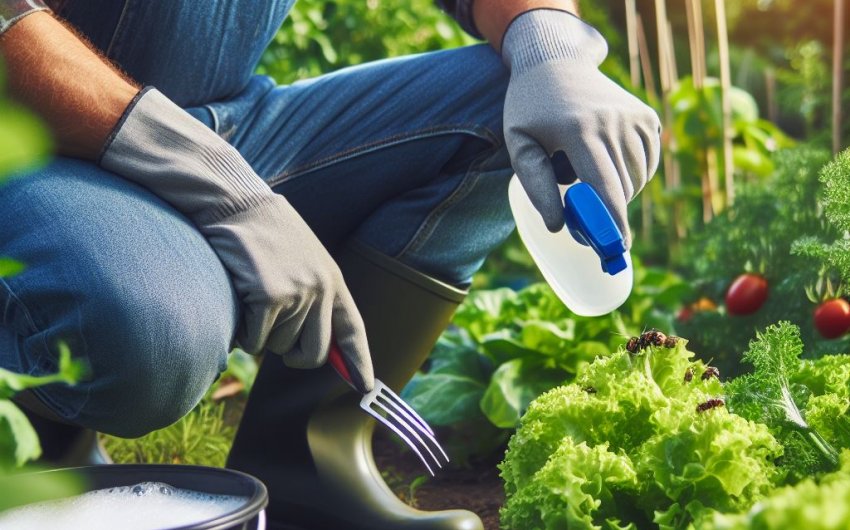
Yes, managing vegetable garden pests naturally is an incredibly effective and sustainable way of defending your garden without resorting to harsh chemicals. This holistic approach, often called Integrated Pest Management (IPM), focuses on prevention, promoting beneficial insects, and using organic remedies to keep pest populations in check, ensuring your plants thrive and produce abundant, healthy harvests. It's about working with nature, not against it.
What is Integrated Pest Management (IPM) for Vegetable Gardens?
Integrated Pest Management (IPM) is a smart, holistic approach to managing vegetable garden pests naturally, moving beyond simply spraying chemicals whenever a bug appears. It's a science-based strategy that focuses on long-term prevention of pests and their damage through a combination of techniques, with chemical controls (especially organic ones) used only as a last resort. For defending your garden effectively and sustainably, IPM is the gold standard.
Here are the key principles and steps of IPM:
- Prevention (The First Line of Defense):
- Goal: To stop pests from becoming a problem in the first place.
- Tactics:
- Healthy Soil & Plants: Vigorously growing plants in healthy soil are naturally more resistant to pests.
- Resistant Varieties: Choosing vegetable varieties specifically bred for disease or pest resistance.
- Crop Rotation: Changing where plant families grow each year to disrupt pest life cycles.
- Sanitation: Removing diseased plants and garden debris to eliminate pest hiding spots.
- Physical Barriers: Using row covers or fences to exclude pests.
- Monitoring and Identification:
- Goal: To detect pests early and correctly identify them.
- Tactics:
- Regular Inspection: Frequently walk through your garden, checking the tops and undersides of leaves, stems, and fruits for signs of pests or damage.
- Correct Identification: Knowing what pest you have is crucial for choosing the right solution. Not all bugs are bad! Some are beneficial predators.
- Traps: Use sticky traps to monitor pest populations.
- Establish Action Thresholds:
- Goal: To determine when a pest population is large enough to cause unacceptable damage and warrants intervention.
- Tactics: Not every bug or chewed leaf requires action. Healthy gardens can tolerate some pest activity. Learn to differentiate between minor cosmetic damage and a threat to your harvest.
- Control Methods (Least Toxic First):
- Goal: To choose the most effective and least environmentally harmful control methods. IPM employs a hierarchy of controls:
- Cultural Controls: (Prevention methods like crop rotation, good watering).
- Biological Controls: Introducing or encouraging natural predators (ladybugs, parasitic wasps) to control pests.
- Physical/Mechanical Controls: Hand-picking pests, using traps, strong water sprays, hand weeding.
- Organic/Botanical Chemical Controls: Using naturally derived pesticides like insecticidal soap, neem oil, or Bt (Bacillus thuringiensis) as a last resort.
- Synthetic Chemical Controls: (Rarely used in organic or permaculture IPM, generally avoided for edible gardens).
- Goal: To choose the most effective and least environmentally harmful control methods. IPM employs a hierarchy of controls:
- Evaluation:
- Goal: To assess the effectiveness of your control methods and refine your strategy.
- Tactics: Observe if your chosen intervention worked. Did it reduce pests without harming beneficials? What could be done better next time?
By following IPM principles, you create a resilient, self-regulating garden ecosystem, making managing vegetable garden pests naturally an empowering and highly effective way of defending your garden against common threats.
How Do I Build Healthy Soil to Deter Pests and Diseases?
Building healthy soil is arguably the most fundamental and effective strategy for defending your garden against pests and diseases, acting as a powerful natural deterrent. Plants grown in rich, vibrant, living soil are inherently more robust, resilient, and capable of warding off threats than those struggling in depleted, compacted earth. For managing vegetable garden pests naturally, the journey always begins underground.
Here’s how to build healthy soil to significantly deter pests and diseases:
- Prioritize Organic Matter (The Foundation):
- Feed the Soil, Not Just the Plant: The single most important thing you can do for soil health is to incorporate abundant organic matter.
- Sources: Use generous amounts of well-rotted compost, aged manure, leaf mold, and shredded leaves.
- Benefits: Organic matter improves soil structure (drainage in clay, water retention in sand), provides a slow-release of nutrients, and fuels a diverse soil food web.
- Embrace No-Till or Minimum Tillage Practices:
- Preserve Soil Structure: Avoid deep, aggressive tilling, which disrupts the delicate fungal networks, earthworm tunnels, and microbial communities that make up healthy soil.
- Benefit: No-till gardening maintains soil structure, which improves drainage and aeration (crucial for preventing root diseases), reduces weed seed germination, and allows beneficial soil organisms to thrive undisturbed.
- Application: Apply organic matter to the surface and let earthworms and microbes work it in.
- Ensure Proper Soil Drainage:
- Prevent Root Rot: Waterlogged soil is a breeding ground for root-rotting fungi and suffocates plant roots, making them weak and susceptible to disease.
- Solutions: Amend heavy clay soils with organic matter and possibly coarse sand/grit. Consider raised beds if drainage is a persistent issue.
- Benefit: Healthy, oxygenated roots can better absorb nutrients and fight off pathogens.
- Maintain Balanced Soil pH:
- Nutrient Availability: Most vegetables thrive in a slightly acidic to neutral pH (6.0-7.0). When the pH is outside this range, nutrients can become "locked up" in the soil, even if present, leading to nutrient deficiencies.
- Weak Plants: Nutrient-deficient plants are stressed plants, and stressed plants are far more attractive to pests and susceptible to disease.
- Action: Conduct a soil test kit to determine your pH and amend with lime (to raise) or sulfur (to lower) as needed.
- Encourage a Diverse Soil Microbiome:
- Beneficial Organisms: Healthy soil is teeming with beneficial bacteria, fungi, protozoa, and nematodes that break down organic matter, cycle nutrients, and even suppress harmful pathogens.
- Mycorrhizal Fungi: These fungi form symbiotic relationships with plant roots, extending their reach for water and nutrients and providing some disease protection.
- Action: Continuously add organic matter, avoid synthetic pesticides that harm soil life, and practice no-till gardening.
- Use Mulch:
- Protection: A 2-4 inch layer of organic mulch (straw, shredded leaves, compost) keeps soil temperatures consistent, retains moisture, and feeds the soil microbiome.
- Disease Barrier: It also prevents soil-borne pathogens from splashing onto lower leaves during watering or rain. A roll of garden straw mulch can protect your plants.
By diligently building and nurturing healthy soil, you empower your vegetable garden's natural defenses, making managing vegetable garden pests naturally an achievable and sustainable goal, ensuring a robust and abundant harvest.
What Are Natural Physical Barriers to Protect Vegetables?
Employing natural physical barriers is a highly effective, non-toxic strategy for defending your garden against a wide range of vegetable garden pests, especially larger animals and flying insects. These barriers create a protective shield around your plants, preventing pests from ever reaching them. For managing vegetable garden pests naturally, physical exclusion is often the first line of defense.
Here are some effective natural physical barriers:
- Floating Row Covers:
- Description: Lightweight, translucent fabric sheets made of spun-bonded polypropylene or polyester. They are "floating" because they are light enough to lay directly over plants (or over hoops) and are typically anchored down at the edges. A floating row cover for vegetable garden is invaluable.
- Protection Against: Cabbage moths (prevents cabbage worms), cucumber beetles, squash vine borers, onion maggots, leaf miners, flea beetles, and even some birds and rabbits.
- Benefits: Allows light and water to penetrate, provides some frost protection (extending the season), and can deter deer.
- Application: Install immediately after planting/sowing. Remove during flowering for crops that need insect pollination (e.g., squash, melons, beans) to allow bees access.
- Fencing:
- Description: Physical barriers around the entire garden or specific beds.
- Protection Against: Deer, rabbits, groundhogs, and sometimes raccoons.
- Height: For deer, fencing needs to be at least 7-8 feet tall. For rabbits and groundhogs, bury the bottom 6-12 inches of fencing into the ground and bend it outwards to prevent burrowing underneath.
- Materials: Woven wire, chicken wire, mesh.
- Collars and Rings:
- Description: Cardboard tubes, plastic rings, or bottomless cans placed around the base of young seedlings.
- Protection Against: Cutworms, which chew through plant stems at the soil line.
- Application: Insert them 1-2 inches deep into the soil around the stem of vulnerable seedlings (tomatoes, peppers, brassicas).
- Netting and Cages:
- Description: Finer mesh netting over fruit trees or berry bushes, or sturdy cages around individual plants (like tomatoes).
- Protection Against: Birds (berries, corn), squirrels (nuts, corn), hail.
- Application: Fruit tree netting, tomato cages.
- Sticky Traps (for Monitoring/Minor Control):
- Description: Yellow or blue sticky cards placed near plants.
- Protection Against: Flying insect pests like whiteflies, aphids, fungus gnats. They get stuck on the adhesive.
- Application: Primarily for monitoring pest presence, but can provide minor control.
- Hand-Picking Barriers:
- Trenching/Diatomaceous Earth: For slugs and snails, creating a shallow trench around vulnerable plants and filling it with diatomaceous earth (food grade) or wood ash can create a drying barrier they dislike to cross. Reapply after rain.
By strategically deploying these natural physical barriers, you create effective exclusion zones around your plants, making defending your garden a proactive and successful endeavor in managing vegetable garden pests naturally.
How Can I Attract Beneficial Insects for Natural Pest Control?
Attracting beneficial insects for natural pest control is a cornerstone of managing vegetable garden pests naturally, turning your garden into a thriving ecosystem that largely takes care of itself. By inviting nature's own pest patrol, you drastically reduce the need for intervention, ensuring your defending your garden strategy works in harmony with the environment. These tiny allies are often more effective than any spray.
Here’s how to effectively attract beneficial insects to your vegetable garden:
- Plant Diverse "Insectary" Flowers and Herbs:
- Nectar and Pollen Sources: Beneficial insects need food. Plant flowers and herbs with small, accessible flowers that provide nectar (energy) and pollen (protein).
- Examples:
- Umbellifers: Dill, fennel, cilantro (let some go to seed), parsley, Queen Anne's Lace. These have flat-topped flower clusters perfect for tiny beneficials.
- Aster Family: Marigolds, calendula, cosmos, zinnias, sunflowers, daisies.
- Mint Family: Mint, oregano, thyme (especially when flowering).
- Other: Borage, sweet alyssum, alyssum.
- Continuous Bloom: Plant a variety that blooms throughout the season to provide a continuous food supply. A pollinator seed mix for gardens can be a simple way to achieve this.
- Provide Water Sources:
- Shallow Water: Beneficial insects get thirsty too. A shallow dish or bird bath with rocks or marbles (to provide landing spots) gives them a safe place to drink without drowning.
- Offer Shelter and Habitat:
- Leave Some "Wild" Areas: A small patch of undisturbed native grasses or perennial flowers, a brush pile, or a rock pile can provide shelter and nesting sites for beneficial insects, spiders, and other small predators (frogs, lizards).
- "Insect Hotels": Consider placing insect hotels for beneficial insects or bundles of hollow stems in your garden.
- Overwintering Sites: Leave some perennial stems standing over winter to provide overwintering habitat for beneficials.
- Understand Your Allies:
- Ladybugs: Both adult ladybugs and their alligator-like larvae are voracious eaters of aphids, mites, and other soft-bodied pests.
- Lacewings: Larvae are aggressive predators of aphids, mealybugs, and spider mites. Adults feed on nectar and pollen.
- Hoverflies (Syrphid Flies): Adult hoverflies are pollinators, but their larvae are excellent aphid predators.
- Parasitic Wasps: Tiny wasps that lay their eggs inside or on other pest insects (like aphids, caterpillars), effectively killing them.
- Avoid Broad-Spectrum Pesticides (Even Organic Ones):
- Non-Discriminatory: Most pesticides, even organic ones like neem oil or insecticidal soap, can harm beneficial insects as well as pests.
- Targeted Use: If you must spray, do so only on affected plants, at dusk (when beneficials are less active), and choose the least toxic option.
- Practice Polyculture and Companion Planting:
- Diversity: A diverse garden with many different plants is more resilient. It makes it harder for specific pests to find their host plants and provides a wider array of food and shelter for beneficials.
- Companion Planting: Strategically interplant pest-repelling herbs (like marigolds or basil) with your vegetables, alongside beneficial insect attractors.
By thoughtfully designing your garden to be a welcoming haven for beneficial insects, you leverage nature's intricate web of life, making managing vegetable garden pests naturally an empowering and highly effective strategy for defending your garden.
What Are Effective Organic Sprays for Vegetable Garden Pests?
When cultural practices and beneficial insects aren't quite enough, effective organic sprays provide a targeted and environmentally friendly option for managing vegetable garden pests naturally. These solutions, derived from natural sources, offer a way of defending your garden without resorting to harsh synthetic chemicals, ensuring your harvests remain safe and healthy. It's crucial to use them correctly and judiciously.
Here are some effective organic sprays for common vegetable garden pests:
- Insecticidal Soap:
- What it is: A solution of potassium salts of fatty acids. It works by dissolving the protective outer layer (cuticle) of soft-bodied insects, causing them to dehydrate and die.
- Effective Against: Aphids, whiteflies, spider mites, mealybugs, thrips, squash bugs (nymphs).
- Benefits: Low toxicity to humans and pets, leaves no harmful residue, breaks down quickly in the environment.
- Application: Mix according to label directions (often 1-2 tablespoons per gallon of water). Spray directly onto pests, ensuring complete coverage (including undersides of leaves), as it only works on contact. Apply every 5-7 days if needed. Do not apply in direct hot sun, as it can burn leaves.
- Recommended: Look for organic insecticidal soap spray from garden suppliers.
- Neem Oil (Neem Extract):
- What it is: An oil extracted from the neem tree (Azadirachta indica). It contains azadirachtin, which acts as an insect growth regulator (disrupts life cycle), an antifeedant (deters insects from eating), and a repellent.
- Effective Against: Aphids, whiteflies, spider mites, thrips, leaf miners, some caterpillars, and even some fungal diseases (e.g., powdery mildew).
- Benefits: Low toxicity to humans and pets, biodegradable, effective against a wide range of pests and diseases.
- Application: Mix according to label directions (often 1-2 tablespoons per gallon of water). Spray thoroughly, covering all plant surfaces. Apply every 7-10 days if needed. Apply in the evening or on a cloudy day to avoid sun scorch and minimize harm to beneficial insects (who are less active then). A concentrated neem oil spray is a versatile option.
- Bt (Bacillus thuringiensis):
- What it is: A naturally occurring bacterium that produces protein crystals toxic only to the larvae (caterpillars) of certain insect orders, specifically moths and butterflies. It must be ingested by the caterpillar to be effective.
- Effective Against: Cabbage worms, cabbage loopers, tomato hornworms, tent caterpillars, gypsy moth larvae.
- Benefits: Highly specific, does not harm beneficial insects, humans, pets, or other wildlife.
- Application: Mix according to label. Spray foliage thoroughly where caterpillars are feeding. Reapply after rain. Look for products like Monterey Bt Caterpillar Killer.
- Homemade Garlic/Pepper Spray (Repellent):
- What it is: A blend of minced garlic and/or hot peppers steeped in water, strained, and mixed with a little insecticidal soap.
- Effective Against: Acts primarily as a repellent against a broad range of chewing and sucking insects.
- Benefits: Uses common kitchen ingredients, non-toxic.
- Application: Spray liberally on foliage. Reapply after rain.
- Caution: Can irritate skin/eyes. Test on a small plant area first to ensure no phytotoxicity (plant damage).
- Horticultural Oil:
- What it is: A highly refined petroleum-based or plant-based oil (e.g., mineral oil, paraffinic oil). Works by suffocating insects (eggs, nymphs, adults) and mites.
- Effective Against: Aphids, spider mites, whiteflies, scale, mealybugs.
- Benefits: Safe for beneficial insects if applied correctly, biodegradable.
- Application: Used as a dormant oil (late winter/early spring) or a summer oil (lighter concentration). Always follow label directions carefully, as improper use can damage plants, especially in hot weather or on certain varieties.
General Application Tips for All Organic Sprays:
- Read Labels: Always read and follow all label instructions for mixing, application, and safety precautions.
- Timing: Apply in the evening or early morning to minimize plant burn and reduce harm to beneficials.
- Coverage: Ensure thorough coverage of all plant surfaces where pests are present.
- Repeat Applications: Most organic sprays require repeat applications to break pest life cycles.
- Test Patch: Always test on a small, inconspicuous part of a plant before full application to check for adverse reactions.
By judiciously using these effective organic sprays as part of a broader IPM strategy, you can successfully implement managing vegetable garden pests naturally, ensuring a healthy and productive defending your garden without resorting to harsh chemicals.