
Tips for Reviving a Lawn Damaged by Salt and Deicers
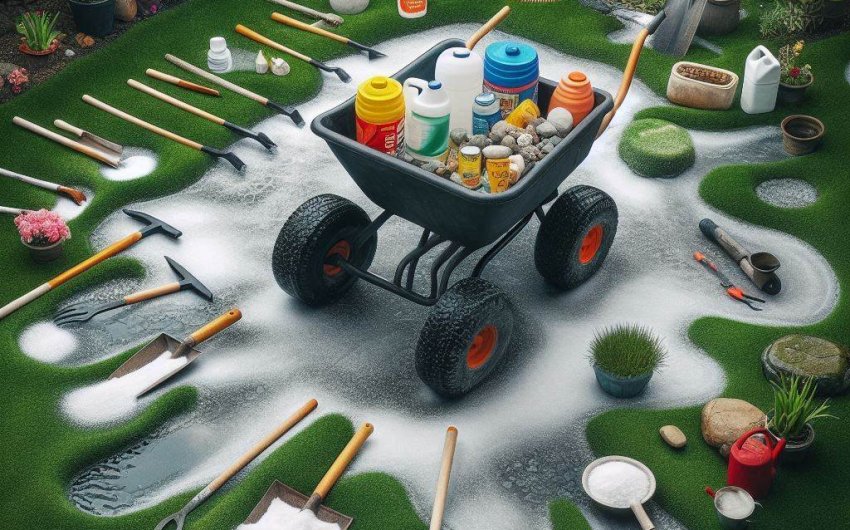
Winter often leaves lawns looking worse for wear, especially in areas where salt and deicers are used to clear ice and snow. While these products make walkways safer, they can cause significant damage to grass. Salt draws moisture out of grass blades, leading to brown patches, dead spots, and compacted soil. But don’t worry—reviving a salt-damaged lawn is possible with the right approach and a bit of patience. Here are some effective strategies to help your lawn bounce back and regain its green, healthy look.
Understanding How Salt and Deicers Damage Lawns
When road salt and other deicing chemicals seep into the soil, they disrupt the natural balance by absorbing water and nutrients essential for grass growth. This imbalance can lead to dehydration in grass roots, making it difficult for your lawn to absorb moisture. Over time, the salt also alters the soil structure, compacting it and reducing the availability of oxygen and essential nutrients.
Common Symptoms of Salt Damage
- Brown or Yellow Patches: Dehydrated grass often turns brown or yellow, particularly near driveways and walkways.
- Thinning Grass: Salt can weaken grass, causing it to thin out and die off in sections.
- Soil Crust: If the soil has a white crusty layer, that’s often a sign of salt buildup.
Reviving salt-damaged grass requires clearing the salt, improving soil conditions, and reintroducing essential nutrients to the soil.
1. Flush Out the Salt with Water
One of the easiest ways to reduce salt buildup in your lawn is by thoroughly flushing the soil with water. This dilutes the salt concentration and helps move it deeper into the soil, away from grass roots.
- How to Flush: Water the damaged areas slowly and thoroughly, letting the water soak in without running off.
- Frequency: Repeat the process every few days during early spring to clear out as much salt as possible.
Using a garden hose with a spray nozzle allows you to control the water flow and ensure an even soak for the affected areas.
2. Add Gypsum to Neutralize the Soil
Gypsum is a natural mineral that helps break up compacted soil and neutralize salt-affected soil by replacing sodium ions with calcium. This process can improve soil structure and restore its health.
- How to Apply: Spread gypsum over the affected areas using a lawn spreader and water it in.
- Application Frequency: Apply gypsum once in early spring and again in the fall if needed.
Consider using gypsum lawn treatment to help flush out excess sodium and improve soil texture.
3. Aerate the Lawn to Reduce Soil Compaction
Soil compaction makes it difficult for water and nutrients to penetrate deeply, which is essential for lawn recovery. Aerating the lawn allows water, air, and nutrients to reach the roots, promoting healthier growth.
- Best Time to Aerate: Early spring or fall is ideal for aeration.
- Aeration Technique: Use a core aerator to create small holes throughout the lawn.
A manual lawn aerator is an affordable tool that can help relieve compacted soil and improve root access to water and nutrients.
4. Apply Compost to Restore Nutrients
Adding compost to your lawn improves the soil's nutrient content and encourages healthy grass growth. Compost also enhances soil structure, which can help counteract the negative effects of salt and deicers.
- How to Apply: Spread a thin layer of compost over the salt-damaged areas and rake it in gently.
- Benefits: Compost adds organic matter to the soil, helping retain moisture and providing essential nutrients.
Use a compost spreader to distribute compost evenly across affected areas.
5. Use Salt-Tolerant Grass Seed for Reseeding
Choosing the right type of grass seed can make a big difference in your lawn’s resilience. Salt-tolerant grasses are better equipped to handle residual salt, making them ideal for areas near walkways and driveways.
- Types of Salt-Tolerant Grass: Consider ryegrass, tall fescue, or fine fescue for salt-prone areas.
- Seeding Tips: Reseed the damaged spots in early spring to give the grass time to establish.
A salt-tolerant grass seed mix can help your lawn recover and become more resistant to salt damage in the future.
6. Fertilize to Strengthen Grass Roots
Fertilizing is essential to reviving a salt-damaged lawn. Adding nutrients helps support grass growth and strengthens the root system, making your lawn more resilient to future damage.
- Best Fertilizer Type: Use an organic, slow-release fertilizer that’s gentle on weakened grass.
- Application Timing: Fertilize in early spring and follow up with another application in late spring if needed.
Applying a natural lawn fertilizer will support healthy growth without stressing the grass further.
7. Mulch Around Walkways to Reduce Salt Exposure
Adding a layer of mulch around walkways and driveways can help prevent salt from spreading onto your lawn. Mulch absorbs excess salt and prevents it from seeping into the soil.
- Best Mulch Type: Organic mulches like bark or wood chips work well and can be replenished each season.
- Application Tips: Apply a 2-3 inch layer around the edges of walkways and driveways.
Use bark mulch to create a protective barrier that helps keep salt from reaching the grass.
8. Adjust Watering Schedule for Optimal Recovery
Overwatering can worsen salt damage by leaching nutrients from the soil. Adjust your watering schedule to provide enough moisture without drowning the grass.
- How Much Water: Water deeply but infrequently, allowing the soil to dry slightly between sessions.
- Best Time to Water: Early morning is ideal, as it reduces evaporation and allows grass to absorb water effectively.
A watering timer can help you stick to a consistent watering schedule for optimal lawn health.
9. Rinse Off Salt from Driveways and Walkways
Prevent salt from washing onto your lawn by rinsing it off hard surfaces before it has a chance to seep into the ground. This can be done with a simple spray of water after a snowstorm.
- When to Rinse: Rinse walkways and driveways on warmer days when the snow has mostly melted.
- How Often: Rinse as needed throughout the winter season to prevent salt buildup.
Using a garden hose with a spray nozzle can make it easier to direct water where it’s needed without flooding nearby grass.
10. Use Sand or Kitty Litter for Traction Instead of Salt
Reducing or eliminating salt usage is one of the best ways to protect your lawn from future damage. Sand or kitty litter provides traction without altering the soil chemistry or dehydrating grass roots.
- Application: Sprinkle a thin layer on icy surfaces for safe walking without the harmful effects of salt.
- Benefits: These materials won’t dissolve or seep into the soil, keeping your lawn safe.
Using non-clumping kitty litter is an easy and pet-friendly alternative for winter traction.
11. Remove Salt-Crusted Soil and Replace with Fresh Topsoil
In severe cases of salt damage, the soil may develop a visible crust that prevents grass from growing. Removing this crust and replacing it with fresh topsoil can help your lawn recover.
- How to Remove: Use a rake or shovel to scrape away the top layer of salt-crusted soil.
- Add New Topsoil: Apply a 1-2 inch layer of topsoil, then reseed as needed.
A high-quality garden shovel can help you remove salt-affected soil efficiently.
12. Test Soil pH and Amend as Needed
Salt and deicers can alter soil pH, making it more alkaline and less suitable for grass. Testing the soil’s pH will help you understand what amendments are needed for optimal growth.
- Ideal pH Range: Grass typically prefers a pH between 6.0 and 7.0.
- How to Amend: If the pH is too high, adding organic matter like compost or sulfur can help restore balance.
A soil pH test kit can provide valuable information to guide your lawn recovery efforts.
13. Dethatch Your Lawn to Improve Soil Health
A thatch layer can hold salt on the surface of the lawn, preventing it from washing away and further damaging grass. Dethatching removes this layer, helping the soil breathe and improving water drainage.
- How to Dethatch: Use a dethatching rake to lift and remove the thatch layer from the lawn.
- When to Dethatch: Early spring is ideal for dethatching as it prepares the lawn for the growing season.
A dethatching rake is perfect for clearing excess thatch and helping your lawn recover more quickly.
14. Protect Vulnerable Lawn Edges with Burlap
Placing a burlap barrier along walkways and driveways provides a protective shield between the lawn and salted areas, reducing salt splash and buildup.
- How to Install: Lay burlap along the edges of high-salt areas and secure it with stakes.
- Benefits: Burlap is biodegradable and easy to remove in spring.
Using burlap garden fabric helps create an effective, eco-friendly shield for your lawn.
15. Encourage Microbial Growth with Lawn Additives
Soil affected by salt may lack beneficial microorganisms essential for healthy growth. Adding a soil conditioner or microbial inoculant can help restore this balance.
- Benefits: Microorganisms break down salt and other harmful compounds, improving soil health.
- How to Apply: Mix a microbial lawn additive into your soil or compost before spreading.
Using a lawn microbial booster will enhance soil health and support grass recovery.
16. Plan for Seasonal Lawn Maintenance
Regular lawn care, particularly during the growing season, strengthens grass and reduces the impact of winter damage. By preparing your lawn in the fall and maintaining it in spring, you can reduce salt damage in the future.
- Fall Preparation: Aerate, overseed, and fertilize in fall to prepare for winter.
- Spring Recovery: Reseed, dethatch, and fertilize again in spring to encourage fast recovery.
Using a lawn care kit makes it easy to keep your lawn healthy year-round, reducing winter stress.