
Root Health 101: Preventing and Treating Root Rot
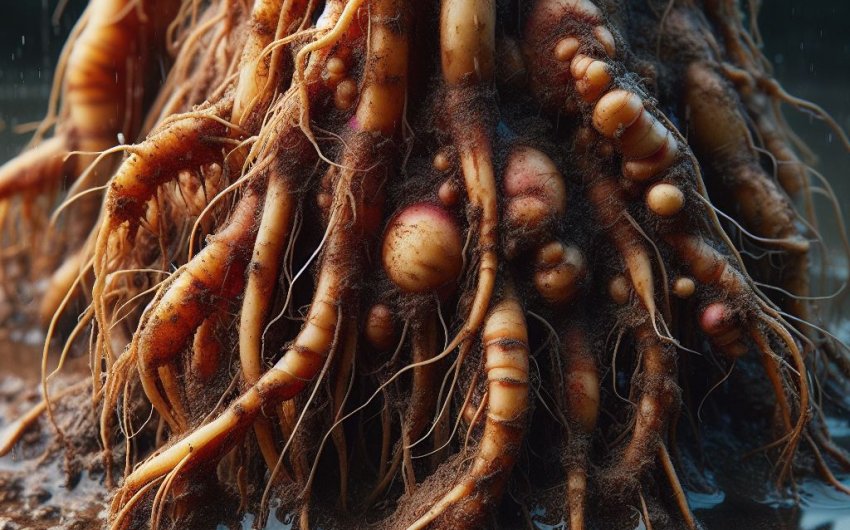
For any plant enthusiast, understanding root health 101 is absolutely fundamental, and a critical part of that knowledge is how to effectively prevent and treat root rot. This common, yet often devastating, plant disease is a silent killer, frequently caused by overwatering and poor drainage, leading to oxygen-deprived roots that can no longer sustain the plant. Learning its signs and proactive prevention strategies is essential for ensuring your plants not only survive but truly thrive.
What Exactly is Root Rot?
Root rot is one of the most common and destructive diseases affecting plants, particularly houseplants and those in gardens with poor drainage. Despite its name, it's not a single disease but rather a complex condition where the plant's roots literally begin to decay, fundamentally compromising its ability to survive. Understanding what root rot is forms the bedrock of root health 101 and is the crucial first step in its prevention and treatment.
Here's a deeper look at what root rot is:
- The Underlying Cause: Lack of Oxygen (Anaerobic Conditions):
- Plant Roots Need to Breathe: Plant roots, like all living cells, require oxygen for respiration – the process that converts sugars into energy for growth, water, and nutrient uptake. They absorb this oxygen from the tiny air pockets (pore spaces) in the soil.
- Waterlogging: When soil remains consistently saturated with water (waterlogged), all these essential air pockets become filled with water. This suffocates the roots, depriving them of the oxygen they desperately need.
- Anaerobic Environment: This lack of oxygen creates an anaerobic environment (meaning "without oxygen") in the soil.
- The Role of Pathogens:
- Opportunistic Attack: While lack of oxygen is the initial stressor, it's the subsequent proliferation of harmful, opportunistic microorganisms that causes the "rot." These are typically water mold fungi (e.g., Phytophthora species, Pythium species) and certain anaerobic bacteria that thrive in soggy, oxygen-deprived conditions.
- Decomposition: These pathogens attack the weakened, suffocated roots, causing them to decompose and literally rot away.
- Visible Symptoms of Root Rot:
- Underground: Healthy roots are usually firm, pliable, and white or tan. Roots affected by rot will be:
- Soft and Mushy: They lose their firmness.
- Brown or Black: Discolored from their healthy appearance.
- Foul Smell: Often emit a distinct foul, sulfuric, or rotten-egg odor as anaerobic decomposition occurs.
- Slimey: May feel slimy to the touch.
- Above Ground (Mimics Underwatering!): The cruel irony of root rot is that the symptoms often mimic severe underwatering because the damaged roots can no longer absorb water or nutrients.
- Wilting: Leaves wilt and droop, even though the soil is wet.
- Yellowing/Browning Leaves (Chlorosis/Necrosis): Leaves turn yellow (chlorotic) or brown (necrotic), often starting from the tips or margins.
- Stunted Growth: The plant stops growing or shows very weak, stunted new growth.
- Leaf Drop: Leaves may fall off prematurely.
- Death: If left untreated, the plant will eventually die.
- Underground: Healthy roots are usually firm, pliable, and white or tan. Roots affected by rot will be:
- Factors Contributing to Root Rot:
- Overwatering (Most Common Cause): This is the leading cause. Too much water, too often, or allowing pots to sit in standing water.
- Poor Drainage: Heavy, compacted soil (like clay) or pots without drainage holes that prevent excess water from escaping.
- Incorrect Potting Mix: Mixes that retain too much moisture.
- Too Large a Pot: A pot that is too large for the root ball holds too much soil and thus too much moisture.
- Compacted Soil: Restricts oxygen and water movement.
By understanding that root rot is fundamentally a suffocation problem exacerbated by opportunistic pathogens, gardeners can focus their efforts on preventing waterlogging, a key tenet of root health 101.
What Are the Main Causes of Root Rot?
To effectively prevent and treat root rot, it's crucial to understand its primary causes. While the symptoms are always devastating, almost all instances of root rot can be traced back to one fundamental issue, often compounded by environmental factors. Addressing these root causes is the most effective approach to safeguarding root health 101 in your plants.
Here are the main causes of root rot:
- Overwatering (The #1 Culprit):
- Mechanism: This is, by far, the most common reason plants develop root rot. Watering too frequently, giving too much water at once, or not allowing the soil to dry out sufficiently between waterings leads to persistently saturated soil.
- Consequence: When the soil is constantly waterlogged, all the essential air pockets that roots need for oxygen become filled with water, effectively suffocating the roots. This creates the anaerobic conditions where harmful root rot pathogens thrive.
- Impact: Without oxygen, roots cannot perform respiration, leading to energy deprivation, root death, and subsequent attack by fungi and bacteria.
- Poor Drainage:
- Mechanism: Even if you're a careful waterer, if your soil or potting mix doesn't drain well, excess water will accumulate around the roots. This leads to the same waterlogged, oxygen-deprived conditions as overwatering.
- Causes of Poor Drainage:
- Heavy Clay Soil: Composed of tiny particles that pack tightly together, leaving very little pore space for water to percolate through.
- Compacted Soil: Foot traffic, heavy machinery, or construction can compact soil, drastically reducing air and water movement.
- Hardpan Layer: An impervious layer of compacted soil or rock beneath the topsoil that completely blocks downward water movement.
- Pots Without Drainage Holes: A surprisingly common mistake for container plants.
- Blocked Drainage Holes: Debris can clog drainage holes in pots.
- Incorrect Potting Mix: Using a mix that is too dense, heavy, or retains too much moisture (e.g., garden soil in a pot instead of proper potting mix).
- Too Large a Pot: A pot that is significantly larger than the plant's root ball holds an excessive volume of soil, which stays wet for too long for the roots to utilize all the moisture.
- Pathogen Presence:
- Ubiquitous Fungi: The fungi and bacteria responsible for root rot (Phytophthora, Pythium, Fusarium, Rhizoctonia, etc.) are often naturally present in most soils and potting mixes. They lie dormant, waiting for the right conditions.
- Opportunistic Attack: These pathogens become aggressive when roots are stressed by lack of oxygen and can easily overwhelm the weakened plant's defenses.
- Spread: Once established, these pathogens can spread through contaminated soil, water, or tools.
- Temperature Extremes (Indirect Causes):
- Cold, Wet Soil: Cold temperatures slow down plant metabolism and root activity, making plants less able to utilize water. If combined with consistently wet soil, this dramatically increases the risk of root rot.
- Heat Stress: While less direct, plants stressed by excessive heat might also have weakened roots, making them more susceptible to root rot if they then experience overwatering.
Understanding that root rot primarily results from the fatal combination of insufficient oxygen for roots and the opportunistic nature of pathogens highlights that controlling soil moisture and ensuring excellent drainage are the most powerful preventative tools in your root health 101 arsenal.
What Are the Early Signs of Root Rot?
Catching root rot in its early stages is crucial for successfully treating it and preventing irreversible damage to your plants. Unfortunately, its early symptoms often mimic other common plant problems, making accurate diagnosis a bit tricky. However, by knowing what to look for, you can act quickly to save your plant and implement better root health 101 practices.
Here are the early signs of root rot:
- Sudden or Gradual Wilting (Despite Wet Soil):
- The Crucial Clue: This is often the first and most confusing sign. Your plant will start to wilt or droop, even though the soil is visibly moist or even soggy. This happens because the rotting roots can no longer absorb water efficiently to support the foliage.
- Distinction: If a plant wilts in dry soil, it needs water. If it wilts in wet soil, it's likely root rot.
- Yellowing Leaves (Chlorosis):
- Appearance: Leaves may start to turn yellow (chlorosis), often in a uniform pattern, or sometimes starting from the lower, older leaves.
- Cause: This is due to the damaged roots' inability to absorb essential nutrients like nitrogen, which are vital for chlorophyll production.
- Stunted Growth or Lack of New Growth:
- Appearance: The plant stops growing, new leaves are smaller or fail to emerge, or overall growth appears weak and stunted.
- Cause: The plant is under severe stress due to root damage and lack of nutrient/water uptake.
- Soft or Mushy Stem Base:
- Appearance: If the rot has progressed upwards from the roots, the base of the stem (at or near the soil line) may feel soft, mushy, or discolored (brown/black).
- Cause: The decay has started to affect the lower part of the stem.
- Foul Smell from the Soil:
- Appearance: A distinct foul, musty, or rotten-egg odor emanating from the soil or drainage holes.
- Cause: This smell is a strong indicator of anaerobic conditions (lack of oxygen) and the decomposition of roots by harmful bacteria.
- Discolored or Sparse Roots (Requires Inspection):
- Action: If you suspect root rot, gently remove the plant from its pot (or carefully excavate around the roots in the garden).
- Healthy Roots: Should be firm, plump, flexible, and typically white or tan.
- Rotten Roots: Will be soft, mushy, black, brown, or dark gray, often easily detaching from the plant, and may smell bad. You might also see fewer healthy roots than expected.
- Slower Drying Soil:
- You might notice that the soil in the pot or garden bed is taking much longer than usual to dry out between waterings, indicating that the roots are not actively absorbing water.
These early signs of root rot, though sometimes subtle, are critical alerts. Promptly investigating, especially by inspecting the roots, gives your plant the best chance of recovery and reinforces the importance of diligent root health 101 practices.
How Can I Prevent Root Rot in My Potted Plants?
Preventing root rot in your potted plants is far easier and more successful than trying to treat it, making it a cornerstone of root health 101 for container gardening. Since overwatering and poor drainage are the primary culprits, tailoring your watering habits and choosing the right setup are paramount. These proactive measures ensure your plants have the oxygen and moisture balance their roots need to thrive.
Here’s how you can prevent root rot in your potted plants:
- Always Use Pots with Drainage Holes:
- Non-Negotiable: This is the most fundamental rule. If a pot doesn't have drainage holes, excess water will accumulate at the bottom, creating instant waterlogging.
- Avoid Self-Watering Pots (Unless Experienced): While convenient, self-watering pots can keep the soil too consistently moist for many plants, increasing rot risk.
- Choose the Right Potting Mix:
- Well-Draining: Use a high-quality, well-draining potting mix specifically formulated for containers (all purpose potting mix). This typically contains components like peat moss, perlite, and/or vermiculite to ensure aeration and drainage.
- Avoid Garden Soil: Never use heavy garden soil in pots, as it compacts easily and retains too much moisture.
- Customize if Needed: For plants that require even faster drainage (e.g., succulents, cacti, orchids), amend the potting mix further with extra perlite, coarse sand, orchid bark, or pumice.
- Water Correctly:
- "Feel the Soil" Method: The golden rule for watering. Stick your finger 1-2 inches into the soil. Water only when the top layer feels dry to the touch. For some plants, allow it to dry out even more deeply.
- Water Thoroughly: When you do water, water deeply until you see water draining from the bottom of the pot. This ensures the entire root ball is moistened.
- Empty Saucers: Never let your pot sit in standing water in its saucer for more than 30 minutes. This reintroduces water to the roots and causes waterlogging.
- Adjust to Conditions: Watering frequency needs to change with the seasons, light levels, and temperature. Plants need less water in winter, in lower light, or in cooler rooms.
- Tools: A soil moisture meter can provide accurate readings and prevent guesswork.
- Select the Right Pot Size:
- Not Too Big: A common mistake is planting a small plant in a pot that is too large. A large pot holds an excessive volume of soil that stays wet for too long for the plant's small root system to absorb, leading to waterlogging.
- Gradual Increase: Repot into a pot that is only 1-2 inches larger in diameter when the plant outgrows its current container.
- Ensure Good Air Circulation:
- Good air circulation around the plants and pots helps to dry out the soil surface more evenly and reduce humidity that can foster fungal growth.
- Clean Drainage Holes:
- Periodically check that the drainage holes are not blocked by roots or debris.
- Repot Regularly (Fresh Soil):
- Even well-draining potting mixes break down over time, becoming more dense and compacted, which reduces drainage. Repot plants every 1-2 years (or as needed) into fresh potting mix.
By diligently following these preventative measures, you empower your potted plants with optimal root health 101, drastically reducing their risk of succumbing to the silent killer of root rot.
How Can I Prevent Root Rot in My Garden Plants?
Preventing root rot in your outdoor garden plants is a crucial aspect of establishing a thriving and resilient landscape. Unlike potted plants where you control the entire environment, garden plants are subject to natural soil conditions and weather patterns. The key to prevention lies in improving soil drainage, managing water, and selecting the right plants for your site, foundational principles of root health 101.
Here’s how you can prevent root rot in your garden plants:
- Improve Soil Drainage (The Ultimate Solution):
- Add Organic Matter (Most Effective): This is the single most important long-term solution for improving drainage in heavy clay soils. Incorporate generous amounts of organic matter (e.g., well-rotted compost (organic garden compost), shredded leaves, pine bark fines, composted manure) deep into your garden beds (12-18 inches deep).
- How it Works: Organic matter creates larger pore spaces in heavy soils, allowing water to percolate through more easily. It also improves overall soil structure and aeration.
- Avoid Over-Amending with Sand Alone: Adding a small amount of sand to clay soil will often make the problem worse, creating something akin to concrete. For sand to be effective in clay, it needs to be added in very large quantities.
- Address Hardpan: If you have an impermeable hardpan layer beneath your topsoil, you may need to break it up using specialized tools (like a broadfork or subsoiler) or dig deeper and incorporate organic matter.
- Add Organic Matter (Most Effective): This is the single most important long-term solution for improving drainage in heavy clay soils. Incorporate generous amounts of organic matter (e.g., well-rotted compost (organic garden compost), shredded leaves, pine bark fines, composted manure) deep into your garden beds (12-18 inches deep).
- Build Raised Beds:
- For Severe Drainage Issues: If your native soil drainage is extremely poor and widespread, raised garden beds (raised garden bed kits) are an excellent solution.
- How it Works: You essentially create a new, well-draining growing environment by filling the raised structure with a custom blend of good quality topsoil, compost, and amendments, completely bypassing the problematic native soil.
- Choose the Right Plants for the Right Place:
- Match to Conditions: Select plants that are naturally adapted to your soil's drainage characteristics.
- For Poorly Drained Areas: Choose plants that tolerate or thrive in moist or wet conditions (e.g., many bog plants, certain ferns, willows).
- For Well-Drained Areas: Most garden plants prefer well-drained soil.
- Research: Always research a plant's specific drainage needs before planting.
- Match to Conditions: Select plants that are naturally adapted to your soil's drainage characteristics.
- Practice Smart Watering:
- Deep and Infrequent: Water deeply and thoroughly, but less frequently. Allow the soil to dry out somewhat between waterings. This encourages roots to grow deeper.
- Monitor Moisture: Use a soil moisture meter to check actual soil moisture levels before turning on the hose.
- Avoid Overhead Watering (especially in evening): Overhead watering can leave foliage wet, promoting fungal diseases, and may not deliver water efficiently to roots. Drip irrigation or soaker hoses are more efficient.
- Mulch Regularly:
- Benefits: Apply a 2-4 inch layer of organic mulch (wood chips, straw, shredded leaves) around your plants. Mulch helps:
- Moderate soil temperature: Keeps soil cooler in summer, warmer in winter.
- Retain soil moisture: Reduces evaporation, leading to more consistent moisture.
- Suppress weeds: Reduces competition for water and nutrients.
- Adds Organic Matter: Slowly breaks down, contributing to long-term soil health and drainage.
- Caution: Keep mulch a few inches away from plant stems and crowns to prevent moisture buildup and rot.
- Benefits: Apply a 2-4 inch layer of organic mulch (wood chips, straw, shredded leaves) around your plants. Mulch helps:
- Avoid Compacting Soil:
- Minimize walking on garden beds, especially when soil is wet. Use designated pathways.
- Broadforking can help loosen compacted soil without completely inverting layers.
- Ensure Proper Grading (for new beds):
- When creating new garden beds or landscaping, ensure the area is properly graded to allow surface water to flow away from vulnerable areas, rather than pooling.
By systematically implementing these preventative strategies, you can transform problematic areas into vibrant garden spaces, ensuring the root health 101 of your outdoor plants and effectively preventing root rot.
How Can I Treat a Plant with Root Rot?
Treating a plant with root rot is often an urgent race against time, as the disease can quickly become irreversible. While there's no guaranteed cure, immediate action, careful intervention, and a commitment to changing the underlying conditions that caused the rot offer the best chance of saving your beloved plant. This process is a hands-on application of root health 101 principles.
Here’s how you can attempt to treat a plant with root rot:
Step 1: Immediate Action - Remove from Current Conditions
- Act Quickly: As soon as you suspect root rot (wilting in wet soil, yellowing, foul smell), take action.
- Remove from Pot/Soil: Gently remove the plant from its pot or carefully dig it up from the garden bed. Be as gentle as possible to avoid further root damage.
- Shake Off Soil: Gently shake off as much of the old, soggy, contaminated soil as possible from the roots.
Step 2: Inspect and Prune Rotted Roots
- Inspect Roots Thoroughly: Carefully examine the roots.
- Healthy Roots: Will be firm, plump, and typically white or tan.
- Rotted Roots: Will be soft, mushy, black, brown, or slimy. They may also emit a foul odor.
- Prune Damaged Roots: Using a pair of clean, sharp sterilized pruning shears (garden pruning shears) or scissors (sterilize with rubbing alcohol or a bleach solution between cuts), carefully cut away all the diseased, mushy, black, or smelly roots.
- Goal: You want to remove all the decaying tissue, leaving only the firm, healthy roots behind. Don't be afraid to be aggressive; it's better to remove more if it's compromised.
- Trim Foliage (Optional, but Recommended for Severe Cases):
- If you've removed a significant amount of the root system, it's often beneficial to trim back some of the foliage (e.g., 1/3 to 1/2 of the leaves or stems) above ground.
- Why: This reduces the amount of water the plant needs to support, balancing it with the now-reduced root system, helping the plant to recover and prioritize new root growth.
Step 3: Repot with Fresh, Well-Draining Medium
- Clean Pot: If repotting into the same container, thoroughly wash and sterilize the pot with a 10% bleach solution (1 part bleach to 9 parts water) to kill any remaining pathogens. Rinse well.
- Fresh Potting Mix: Repot the plant into a fresh, sterile, well-draining potting mix (all purpose potting mix). If your chosen plant requires even better drainage, amend the mix with extra perlite or coarse sand.
- Correct Pot Size: Ensure the pot is appropriately sized for the remaining root ball, not the original plant size. A slightly smaller pot might be necessary temporarily.
Step 4: Post-Treatment Care (Crucial for Recovery)
- Initial Watering: After repotting, water the plant once thoroughly, allowing excess water to drain out.
- Strict Watering Schedule: This is the most important step for recovery. Allow the soil to dry out significantly (top 2-3 inches, or even deeper depending on the plant) before watering again.
- Tools: A soil moisture meter is invaluable during this recovery phase.
- Frequency: You will likely be watering much less frequently than before the rot occurred.
- Light and Temperature: Place the plant in a bright location with indirect light. Avoid direct, intense sun or extreme temperatures, which can further stress the weakened plant.
- Humidity (Optional): For very sensitive plants or those that have lost a lot of foliage, providing some humidity (e.g., a pebble tray, or placing in a clear plastic bag tent for a few days – but ensure ventilation to prevent fungal issues) can help reduce water loss from leaves.
- Avoid Fertilizing: Do not fertilize a plant recovering from root rot. Its weakened roots cannot process the nutrients, and the salts can further stress the plant. Wait until new, healthy growth appears.
- Patience and Monitoring: Recovery from root rot can be a slow process, taking weeks or even months. Monitor the plant closely for new, healthy root and leaf growth. Remove any further signs of decay.
While treating root rot is a challenging endeavor, taking these immediate, decisive steps and diligently adhering to proper root health 101 practices for the future significantly increases your chances of rescuing your plant from this common, yet devastating, disease.
Can Beneficial Microbes Help Prevent and Treat Root Rot?
Yes, beneficial microbes can play a significant and increasingly recognized role in both preventing and assisting in the treatment of root rot, making them a valuable component of modern root health 101 strategies. These microscopic allies work by outcompeting harmful pathogens, improving soil conditions, and even stimulating plant defenses, offering a natural and sustainable approach to managing this common disease. They represent a living, proactive line of defense for your plant's roots.
Here's how beneficial microbes help prevent and treat root rot:
- Competitive Exclusion (Outcompeting Pathogens):
- Mechanism: Healthy soil and potting mixes are teeming with a diverse community of microorganisms. When you introduce or foster beneficial microbes, they actively colonize the root zone (the rhizosphere) of the plant.
- How it Prevents Rot: These beneficial fungi and bacteria effectively "crowd out" or outcompete the harmful root rot pathogens (like Phytophthora and Pythium) for space, nutrients, and resources. By occupying the prime real estate around the roots, they make it difficult for the disease-causing microbes to establish and multiply.
- Examples: Certain species of Trichoderma fungi and Bacillus bacteria are well-known for this competitive action.
- Antagonism and Antibiosis (Direct Attack on Pathogens):
- Mechanism: Some beneficial microbes go beyond simple competition; they actively produce compounds that are harmful or inhibitory to root rot pathogens.
- How it Prevents/Treats Rot: They can release antibiotics, enzymes, or other biochemicals that directly suppress the growth, inhibit the reproduction, or even kill the pathogenic fungi and bacteria responsible for root rot.
- Examples: Certain Trichoderma strains are known to parasitize harmful fungi, while some Bacillus species produce a range of antifungal metabolites.
- Enhanced Plant Defenses (Induced Systemic Resistance):
- Mechanism: The presence of beneficial microbes around the roots can trigger the plant's own natural defense mechanisms, a process known as Induced Systemic Resistance (ISR).
- How it Prevents/Treats Rot: The plant's immune system becomes "primed" or activated, making it more resilient and better able to defend itself against future pathogen attacks, including those causing root rot.
- Benefit: This systemic response provides broad-spectrum protection, strengthening the plant's overall health.
- Improved Soil Structure and Aeration:
- Mechanism: Beneficial fungi (especially mycorrhizal fungi) and bacteria produce sticky substances and create vast networks that bind soil particles together into stable aggregates. Earthworms, encouraged by healthy microbial activity, also create tunnels.
- How it Prevents Rot: This improved soil structure enhances drainage and aeration in the root zone. Better drainage means less waterlogging, and better aeration ensures roots have sufficient oxygen, which are both crucial for preventing the anaerobic conditions that lead to root rot.
- Nutrient Cycling: Microbes also improve nutrient cycling, making plants stronger and more resistant to stress.
- Application in Prevention and Treatment:
- Prevention:
- Compost: Incorporating high-quality, biologically active compost (organic compost) into your soil or potting mix is an excellent way to introduce a diverse range of beneficial microbes.
- Compost Tea: Applying compost tea as a drench or foliar spray.
- Commercial Inoculants: Purchasing commercial products containing specific beneficial fungi (Trichoderma spp.) or bacteria (Bacillus spp.) and applying them as a soil drench or seed treatment.
- Treatment (as an Aid): While not a standalone cure for severe, established root rot, beneficial microbes can be used after infected roots have been pruned and the plant has been repotted into fresh, well-draining soil. They can help:
- Re-establish a healthy microbial community.
- Protect new root growth from lingering pathogens.
- Boost the plant's recovery.
- Prevention:
By harnessing the power of beneficial microbes, gardeners can implement an advanced root health 101 strategy, providing a dynamic, living shield against root rot that actively promotes healthier soil and stronger, more resilient plants.