
How Can I Treat Root Mealybugs in Houseplants?
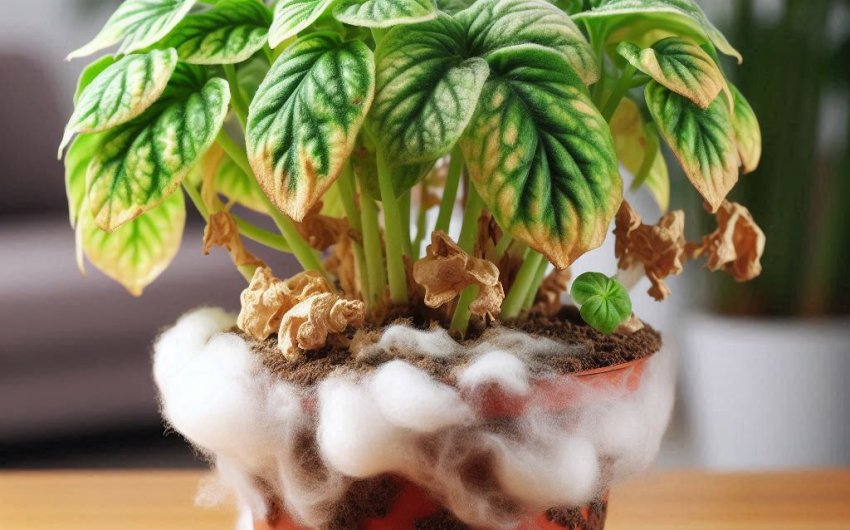
Discovering that your seemingly healthy houseplant is suffering from an invisible assailant beneath the soil can be a frustrating and alarming experience. Root mealybugs are insidious pests that feed on plant roots, often causing decline without obvious signs until the infestation is severe. Learning how to treat root mealybugs in houseplants requires a targeted, persistent approach, focusing on a combination of physical removal, cultural adjustments, and effective soil-drench treatments to eradicate these hidden nuisances and restore your plant's vigor.
Why Are Root Mealybugs So Troublesome?
Root mealybugs are particularly challenging houseplant pests because they operate out of sight, making early detection difficult and allowing infestations to become severe before symptoms appear above ground.
What Makes Root Mealybugs Unique Challenges?
Their hidden nature and protective coating contribute to their difficulty.
How Do They Hide?
Subterranean habitat: Unlike their more common above-ground cousins, root mealybugs live exclusively in the subterranean habitat of the potting mix, feeding directly on plant roots. This makes them invisible during routine plant inspections.
Mimicry of perlite/fungus: They are often mistaken for perlite, beneficial fungi, or harmless white mold due to their appearance. Root mealybugs are tiny, white, cottony, or powdery specks that cling to roots or appear as white masses in the soil. Their waxy coating makes them somewhat water-repellent.
What Are the Signs of Root Mealybug Infestation?
Since you can't see the pests directly, you must rely on observing changes in your plant's health and appearance.
Stunted growth: One of the most common and frustrating symptoms is stunted growth. Your plant might stop putting out new leaves, or new growth is much smaller than usual. It seems to just sit there, not thriving.
Yellowing leaves (without obvious cause): Yellowing leaves, especially if they drop prematurely and you can't identify any other obvious cause (like overwatering or nutrient deficiency), can point to root mealybugs sucking the life out of the roots.
Wilting despite adequate watering: If your plant is wilting or drooping even though the soil feels moist, it's a strong red flag. Damaged roots cannot absorb water effectively, causing symptoms similar to underwatering.
General decline or lack of vigor: The plant just seems generally unhealthy, lacking its usual vibrancy and vigor. It may look stressed, even with seemingly good care.
White, cottony masses on soil/drainage holes: Sometimes, especially in severe infestations, you might see small, white, cottony masses clinging to the inside of the pot near drainage holes, or even appearing on the soil surface, particularly when the soil is dry. These are the mealybugs themselves or their protective waxy secretions.
Ants in the pot: Ants "farm" mealybugs for their honeydew. If you notice ants actively nesting in or around the soil of a houseplant, it's a strong indicator of a root mealybug (or other scale pest) infestation.
How Do They Harm Plants?
Sap-sucking damage: Root mealybugs have piercing-sucking mouthparts that they use to extract plant sap directly from the roots. This depletes the plant of vital nutrients and water, leading to its decline.
Root damage and weakening: Their feeding directly damages the root tissue, creating entry points for fungal infections and physically weakening the plant's root system. A compromised root system cannot properly anchor the plant or effectively absorb resources.
Honeydew and sooty mold: Like their above-ground relatives, root mealybugs excrete honeydew, a sticky, sugary substance. While less visible in the soil, it can attract ants and provide a medium for sooty mold growth (a black, powdery fungus) on the root surfaces.
Reduced nutrient uptake: As the roots are damaged and stressed, the plant's ability to absorb essential nutrients from the soil is severely hindered, leading to various deficiency symptoms and overall stunting.
How Do I Identify Root Mealybugs in Houseplants?
Since these pests are hidden, careful inspection of the root ball is crucial for definitive identification.
What Are the Visual Clues on Roots?
Once you suspect an infestation, a root inspection is necessary.
How Do I Perform a Root Inspection?
Gently unpot the plant: The only way to truly confirm root mealybugs is to gently unpot the plant. Support the plant by its base, tilt the pot on its side, and carefully slide the root ball out.
Look for white, cottony masses: Examine the root ball thoroughly. Look for small, white, cottony, or powdery masses clinging to the roots, especially in crevices or where roots branch. These are the mealybugs themselves or their waxy protective coating. They might look like tiny bits of perlite, but if you poke them, they'll be softer or slightly fuzzy.
Check drainage holes: Inspect the inside of the pot, particularly near the drainage holes, for any white, waxy residue or cottony masses.
Presence of tiny, crawling insects: If you look very closely (a magnifying glass helps), you might see the tiny (1-3mm), oval-shaped, white, slow-moving insects themselves on the roots.
What Are the Differences from Other Root Issues?
It's important not to confuse root mealybugs with other common root problems.
Distinguishing from perlite: Perlite is a white, lightweight, volcanic rock amendment in potting mixes. It's granular and rigid. Root mealybugs are soft, fuzzy/waxy, and will smear if crushed.
Distinguishing from beneficial fungi/mold: Sometimes, harmless white fungal growth (saprophytic fungi) can appear in moist soil. This usually looks like fine, cobwebby threads. Root mealybugs are distinct individual insects or waxy clumps, not just threads.
Distinguishing from mineral salt buildup: White crusty deposits on the pot rim or soil surface can be mineral salt buildup from tap water or fertilizer. This is usually crystalline and hard, not soft or fuzzy.
Distinguishing from root rot: While root mealybugs can lead to root rot, root rot itself manifests as mushy, brown, or black roots with a foul smell. While you might see the mealybugs with healthy-looking roots initially, severe infestations will lead to rotten roots.
How Can I Treat Root Mealybugs in Houseplants?
Treating root mealybugs is a multi-step process that requires persistence and a combination of mechanical, cultural, and chemical approaches.
What Is the First Step: Isolation and Preparation?
Before any treatment, protect your other plants.
Isolate infected plants: As soon as you suspect root mealybugs, immediately isolate the infected plant away from all other houseplants to prevent spread.
Gather supplies: Have all your treatment supplies ready before you start: new potting mix, a clean pot, rubbing alcohol, insecticidal soap, neem oil, gloves, pruning shears, and a watering can.
What Are Mechanical and Cultural Control Methods?
These methods focus on physical removal and environmental adjustments.
How Do I Remove Mealybugs from Roots?
Unpot and clean roots: This is the most crucial step. Unpot the plant and gently remove as much of the old potting mix as possible. You can gently shake the root ball, or even use a soft stream of water (from a hose, or a spray bottle) to wash away the old soil and expose the mealybugs on the roots. Be gentle to avoid damaging the roots.
Rubbing alcohol wipe: After washing, use a cotton swab or soft cloth dipped in 70% isopropyl rubbing alcohol to carefully wipe away any visible mealybugs directly from the roots. The alcohol dissolves their waxy coating. Some people also submerge the entire root ball in a diluted alcohol solution (e.g., 1 part alcohol to 2-3 parts water) for 15-20 minutes, then rinse thoroughly.
Trim badly infested/rotted roots: If some roots are heavily infested or show signs of rot (mushy, black), trim them off with clean, sterilized pruning shears.
How Do I Repot and Sanitize?
Discard old potting mix: Never reuse infested potting mix. Dispose of it in a sealed bag in the trash. The mealybugs and their eggs will be in the soil.
Clean and sanitize the old pot: Thoroughly clean and sanitize the old pot before reusing it. Wash it with hot, soapy water, then soak it in a 10% bleach solution (1 part bleach to 9 parts water) for 30 minutes, or a strong hydrogen peroxide solution. Rinse thoroughly.
Use fresh, sterile potting mix: Repot the plant into fresh, sterile potting mix. Choose a mix that is well-draining and appropriate for your plant.
What About Cultural Adjustments?
Avoid overwatering: Root mealybugs thrive in moist, stagnant soil conditions. Avoid overwatering by letting the top 1-2 inches of soil dry out between waterings. Ensure proper drainage holes in your pot.
Improve air circulation: While more for above-ground pests, good air circulation generally promotes healthier plants less susceptible to pest stress.
What Are Chemical Control Methods (Soil Drenches)?
Since root mealybugs are in the soil, systemic insecticides or soil drench applications are most effective.
What Insecticides Are Effective?
Systemic insecticides: These are absorbed by the plant's roots and distributed throughout its tissues, making the sap toxic to feeding insects. Active ingredients often include imidacloprid or dinotefuran. They offer long-lasting protection. Look for houseplant systemic insect killer granules or liquids.
Insecticidal soap soil drench: While primarily a contact killer, some gardeners have success using insecticidal soap as a soil drench. Mix the insecticidal soap concentrate with water according to label directions for a drench, and thoroughly saturate the soil. The soap smothers the pests. This may need repeat applications. A good insecticidal soap concentrate is useful.
Neem oil soil drench: Neem oil acts as an insect growth regulator and anti-feedant. It can be used as a soil drench to help control root mealybugs. Mix neem oil concentrate with water and a few drops of mild soap (as an emulsifier) and drench the soil. Repeat every 7-10 days for several weeks. You can find neem oil concentrate for plants.
Hydrogen peroxide soil drench: Some gardeners use a diluted hydrogen peroxide solution (1 part 3% hydrogen peroxide to 4 parts water) as a soil drench. This can help oxygenate the soil and potentially kill some larvae or eggs, but its effectiveness on mature mealybugs is debated. It also helps with fungus gnats and root rot.
How Do I Apply Soil Drenches Safely?
Read label instructions: Always, always read and follow the product label instructions carefully. This includes dilution rates, application frequency, and safety precautions (PPE).
Apply to moist soil: Apply soil drenches to already moist soil, not dry soil. This helps ensure even distribution and prevents root burn from concentrated chemicals.
Water thoroughly: After applying a drench, water the plant thoroughly with plain water to help distribute the treatment throughout the root ball.
Repeat applications: Most soil drench treatments will require repeat applications (e.g., every 7-14 days for several weeks) to break the pest's life cycle and target newly hatched eggs. Persistence is key.
Safety (PPE): Wear appropriate Personal Protective Equipment (PPE), such as gloves and eye protection, when handling and applying any pesticides. Work in a well-ventilated area. Keep treated plants away from children and pets.
What About Biological Control?
While less common for houseplants, beneficial insects can be a solution.
Beneficial nematodes: Some species of beneficial nematodes (Steinernema feltiae) can prey on root mealybugs. They are microscopic roundworms that attack insect larvae in the soil. This is a safe, organic option, often found in concentrated solutions online. They need specific conditions to thrive (moist soil, certain temperatures). You can order beneficial nematodes for plants for this.
Mealybug destroyers (Cryptolaemus montrouzieri): These are tiny ladybugs that prey on mealybugs. While typically used for above-ground mealybugs, some may venture into the soil. They are generally more effective in a greenhouse or enclosed environment than an open home.
How Do I Prevent Future Root Mealybug Infestations?
Prevention is always the best defense against these hidden pests.
What Are Inspection and Quarantine Practices?
Vigilance with new plants is crucial.
Inspect new plants thoroughly: Always inspect new plants thoroughly before bringing them into your home. This includes gently lifting them from their nursery pots to check the roots for any signs of white, cottony masses.
Quarantine new plants: Quarantine all new plants in a separate room or area, away from your existing collection, for at least 2-4 weeks. During this time, monitor them closely for any signs of pests (both above and below ground) before integrating them into your main plant collection.
What About Proper Potting and Watering?
Cultural practices that promote healthy roots deter pests.
Use sterile potting mix: Always use fresh, sterile potting mix when potting or repotting. Avoid reusing old potting mix that might harbor pests or disease.
Ensure good drainage: Use pots with adequate drainage holes and a well-draining potting mix to prevent soggy conditions that attract root mealybugs.
Avoid overwatering: Maintain a consistent watering schedule that allows the top inch or two of soil to dry out between waterings. This creates an environment less favorable for root mealybugs.
Sterilize reused pots: If reusing old pots, sterilize them thoroughly (e.g., with a 10% bleach solution) to kill any lingering pests or eggs.
How Do I Keep My Plants Healthy?
Strong, healthy plants are more resilient to pest attacks.
Provide optimal light and nutrients: Ensure your plants receive optimal light, proper nutrients, and appropriate humidity for their species. A healthy plant is naturally more resistant to pests.
Avoid plant stress: Stressed plants are more susceptible. Minimize factors that cause stress, such as sudden temperature changes, drafts, or improper fertilization.
Inspect regularly: Make it a habit to inspect all your houseplants regularly, especially when watering. This helps catch any pest issues early, including subtle signs of root problems.
Confronting root mealybugs in houseplants can feel like a daunting task due to their hidden nature, but with patience and a systematic approach, you can successfully eradicate them. By diligently inspecting roots, implementing thorough cleaning and repotting techniques, and utilizing targeted soil drench treatments, you can liberate your plants from these insidious pests. This proactive and persistent approach not only eliminates existing infestations but also promotes a healthier, more resilient houseplant collection, allowing your green companions to thrive once again.