
Drowning Danger: Recognizing Signs of Overwatering in Plants
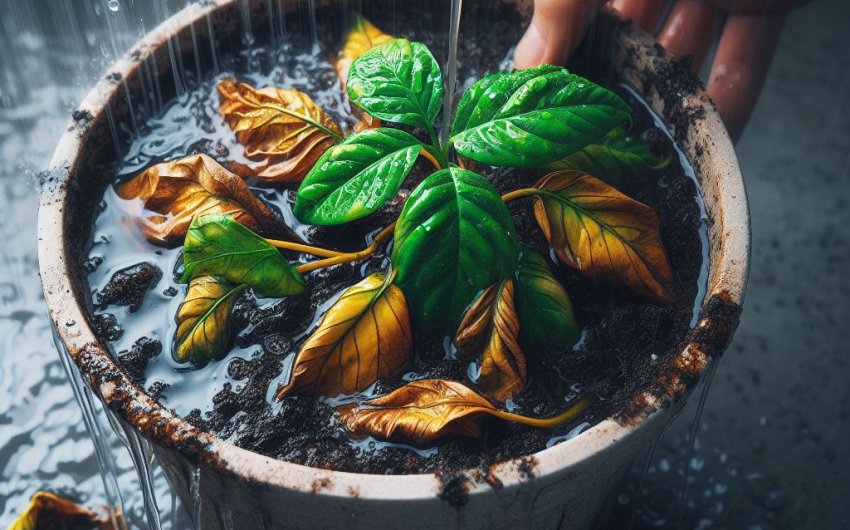
Recognizing signs of overwatering in plants is a critical skill for any gardener, as this drowning danger is one of the most common and often misdiagnosed causes of plant death. Symptoms often mimic underwatering, making proper diagnosis essential for effective rescue. This guide demystifies the subtle and obvious clues your plants provide, empowering you to save them from excess moisture.
Why is Overwatering Such a "Drowning Danger" for Plants?
Overwatering is a silent yet deadly drowning danger for plants, often causing more harm than underwatering because it suffocates the roots. While seemingly counterintuitive, too much water deprives roots of the oxygen they need to survive, leading to a cascade of problems. Understanding why overwatering is such a drowning danger is the first step in recognizing signs of overwatering in plants and intervening effectively.
How Does Excess Water Harm Plant Roots and Overall Health?
Excess water harms plant roots and overall health by creating an anaerobic (oxygen-deprived) environment in the soil, suffocating the very structures plants need to survive. This drowning danger directly impacts every function of the plant, from nutrient uptake to growth. Understanding this detrimental chain reaction is crucial for recognizing signs of overwatering in plants and preventing severe damage.
Here's how excess water harms plant roots and overall health:
- Root Suffocation (Oxygen Deprivation):
- Mechanism: Plant roots, just like humans, need oxygen to "breathe" (respire). Healthy soil has tiny air pockets (pore spaces) that contain oxygen. When soil becomes saturated with excess water, these air pockets are filled with water, pushing out all the oxygen.
- Impact: Roots are starved of oxygen and cannot perform their vital functions. This is the primary harm caused by overwatering.
- Root Rot:
- Mechanism: Prolonged oxygen deprivation severely weakens roots, making them highly susceptible to various water mold fungi (e.g., Pythium, Phytophthora) and anaerobic bacteria that thrive in soggy, low-oxygen conditions.
- Impact: Infected roots turn soft, mushy, black or brown, and begin to decay. They can no longer absorb water or nutrients, even if they are present in the soil.
- Mimicking Dehydration:
- Mechanism: Because rotting roots cannot absorb water, the plant above ground experiences drought conditions, even though the soil is wet.
- Impact: This is why overwatered plants often show symptoms (like wilting and yellowing) that are identical to underwatered plants, making overwatering notoriously difficult to diagnose for beginners.
- Nutrient Leaching and Deficiency:
- Mechanism: Excessive water moving through the soil can wash away essential, water-soluble nutrients (especially nitrogen) before plant roots have a chance to absorb them.
- Impact: Plants suffer from nutrient deficiencies, leading to stunted growth and yellowing leaves.
- Weakened Plant Defenses:
- Mechanism: A plant struggling with root damage and nutrient deficiencies is severely stressed.
- Impact: It becomes much more susceptible to other pests (e.g., fungus gnats thrive in wet soil) and secondary diseases (fungal leaf spots, blights).
- Stunted Growth and Overall Decline:
- Mechanism: With damaged roots and impaired nutrient/water uptake, the plant cannot produce enough energy for healthy growth.
- Impact: Leads to slow or stunted growth, reduced flowering/fruiting, and a general decline in plant vigor. The plant may eventually collapse and die.
- Increased Algal Growth:
- Mechanism: Constantly wet soil surfaces can promote the growth of algae or moss.
- Impact: While not directly harmful to the plant, it indicates persistent moisture and can reduce aesthetic appeal.
Why is Overwatering So Often Confused with Underwatering?
Overwatering is so often confused with underwatering because many of their visible symptoms on plant foliage are remarkably similar, leading to misdiagnosis and further harm. This deceptive similarity is a major reason why overwatering is such a drowning danger, making it particularly challenging for gardeners to address. Understanding this confusion is key to accurately recognizing signs of overwatering in plants.
Here's why overwatering is often confused with underwatering:
- Shared Symptom: Wilting:
- Underwatering: Plant wilts because there isn't enough water in the soil for roots to absorb. Cells lose turgor.
- Overwatering: Plant wilts because excess water suffocates roots, causing them to rot. Rotting roots cannot absorb water, even though it's abundant in the soil. The plant experiences "drought" at a cellular level.
- The Confusion: Both scenarios lead to droopy, lifeless-looking plants, making it hard to tell if the plant needs more or less water without checking the soil.
- Shared Symptom: Yellowing Leaves:
- Underwatering: Leaves turn yellow (then brown) as cells die from dehydration. Often starts on older leaves.
- Overwatering: Leaves turn yellow because damaged, rotting roots cannot absorb oxygen or essential nutrients (like nitrogen or iron), causing a breakdown in chlorophyll. Often starts on older leaves, but can be widespread.
- The Confusion: Yellow leaves are a general sign of stress, making it difficult to differentiate water extremes solely by color.
- Similar Leaf Drop:
- Underwatering: Leaves may dry out, turn brittle, and drop prematurely.
- Overwatering: Leaves may turn yellow, then soft and mushy, and drop prematurely.
- The Confusion: Both can cause leaf drop.
- Root Damage is Hidden:
- The Problem: The critical difference (healthy vs. rotten roots) is underground, out of sight. Unless you physically inspect the roots, you can't tell the difference by looking at the foliage alone.
- The Cycle of Harm: A gardener sees a wilting plant and assumes underwatering, then adds more water, further exacerbating the overwatering and root rot, pushing the plant closer to death.
Key to Differentiating:
- Always check the soil moisture first. This is the definitive diagnostic step.
- Dry Soil + Wilting/Yellowing = Underwatering.
- Soggy/Wet Soil + Wilting/Yellowing = Overwatering/Root Rot.
- Feel the Leaves: Overwatered leaves may feel soft, limp, or mushy, while underwatered leaves are often dry and crispy.
- Inspect Roots: If you suspect overwatering, carefully unpot the plant and inspect the roots. Healthy roots are firm and white/tan. Rotting roots are soft, mushy, black/brown, and may smell foul.
What Are the Key Signs of Overwatering in Plants?
Recognizing signs of overwatering in plants is a crucial diagnostic skill for any gardener to avert a drowning danger. These clues appear both above and below the soil, providing clear indicators that your plant is suffering from excess moisture. Learning to spot these specific symptoms is essential for effective intervention and restoring plant health.
What are the Visible Symptoms on Leaves and Stems?
The visible symptoms on leaves and stems are often the first (and sometimes most misleading) indicators that your plant is experiencing the drowning danger of overwatering. While some signs are distinct, many overlap with underwatering. Understanding these specific cues is critical for accurately recognizing signs of overwatering in plants and making an informed diagnosis.
Here are the visible symptoms on leaves and stems:
- Yellowing Leaves (Chlorosis):
- Pattern: Often starts as a general, uniform yellowing across the entire leaf, sometimes initially on older, lower leaves, but can spread rapidly. It's often a paler, sickly yellow.
- Why: Damaged, oxygen-deprived roots cannot absorb essential nutrients (like nitrogen, iron, magnesium) needed for chlorophyll production.
- Wilting or Drooping Leaves:
- Pattern: Leaves become limp and droop, just as they would from underwatering. The plant looks generally lifeless.
- Why: Rotting roots cannot absorb water, so the plant experiences drought at a cellular level, even with abundant soil moisture.
- Distinction: Overwatered leaves may feel soft, limp, or mushy to the touch, whereas underwatered leaves are often dry and crispy.
- Brown, Crispy Leaf Tips and Edges:
- Pattern: Brown edges or tips, sometimes with a yellow halo. This can happen from overwatering as cells die from lack of oxygen and the inability to absorb nutrients.
- Why: The cellular damage from root rot eventually manifests as dead leaf tissue.
- Leaf Drop:
- Pattern: Leaves may turn yellow, then soft and mushy, and drop prematurely. It can sometimes be a sudden and dramatic drop of healthy-looking leaves.
- Why: The plant is shedding stressed parts in a desperate attempt to conserve energy.
- Stunted Growth or No New Growth:
- Pattern: The plant's overall growth slows considerably or stops entirely. New leaves, if they appear, are small and weak.
- Why: Damaged roots and nutrient deficiencies inhibit the plant's ability to produce energy for growth.
- Edema (Oedema):
- Pattern: Small, wart-like blisters or bumps appear on the undersides of leaves, especially on new growth. These may turn brown, corky, or rupture.
- Why: Occurs when roots absorb water faster than the leaves can transpire it, causing internal pressure to build up and rupture cells. More common in humid conditions or when watering is erratic.
- Soft, Mushy Stems or Base of Plant:
- Pattern: The base of the stem near the soil line, or even the stems themselves, may feel soft, squishy, or appear discolored (dark brown/black).
- Why: This is a direct sign of stem rot or crown rot, which often accompanies root rot.
- Lack of Vigor/General Unhealthiness:
- Pattern: The plant simply looks unhealthy, lacking its usual vibrancy and robust growth.
- Why: The cumulative effect of root damage, nutrient deficiencies, and stress.
Key Diagnostic Tip: These symptoms are only truly indicative of overwatering if the soil is consistently wet or soggy. Always check the soil first!
What are the Critical Clues from the Soil and Roots?
The critical clues from the soil and roots are the most definitive indicators that your plant is experiencing the drowning danger of overwatering. Unlike misleading foliage symptoms, these underground signs directly expose the damage caused by excess moisture. Understanding these deep-seated signals is absolutely crucial for accurately recognizing signs of overwatering in plants.
Here are the critical clues from the soil and roots:
Clues from the Soil:
- Consistently Wet or Soggy Soil (The #1 Indicator):
- Observation: The soil in the pot or garden bed remains wet to the touch, often for days or weeks, long after it should have dried out. It may feel heavy and dense.
- Why it's critical: This is the direct cause of oxygen deprivation and root rot.
- Action: Always check soil moisture with your finger (2-3 inches deep) or a soil moisture meter before watering.
- Standing Water on Surface:
- Observation: Water consistently pools on the soil surface for long periods after watering or rain.
- Why: Indicates very poor drainage or severely compacted soil, leading to prolonged saturation.
- Foul, Rotten Odor:
- Observation: When you stick your finger into the soil or carefully unpot the plant, you might notice a distinct, unpleasant, rotten, or sulfurous smell (like rotten eggs).
- Why: This is a strong indicator of anaerobic conditions (lack of oxygen) and actively rotting roots or decaying organic matter.
- Algal or Moss Growth on Surface:
- Observation: A green or brownish-green film (algae) or a layer of moss forms on the surface of the soil.
- Why: Signifies that the soil surface is perpetually moist, providing an ideal environment for these growths.
Clues from the Roots (Requires Unpotting or Digging):
- Soft, Mushy, Brown, or Black Roots:
- Observation: Gently remove the plant from its pot or carefully dig around the roots (for in-ground plants). Healthy roots are firm, flexible, and typically white or light tan. Roots suffering from root rot will be soft, slimy, mushy, dark brown, or black, and may easily break off when handled.
- Why it's critical: This is definitive proof of root rot, the direct consequence of oxygen deprivation from overwatering.
- Few or No Fine Feeder Roots:
- Observation: The plant may have larger, structural roots, but the smaller, fine feeder roots (which are primarily responsible for water and nutrient absorption) may be absent or minimal.
- Why: These delicate roots are the first to die in waterlogged conditions.
- Foul Odor from Roots:
- Observation: The roots themselves may emit a putrid, rotten smell.
- Why: Confirmation of anaerobic decay.
- Roots Clumped Together / Lack of Soil Aeration:
- Observation: If the root ball feels dense, heavy, and the soil is compacted around the roots, indicating poor aeration.
- Why: This contributes to waterlogging and oxygen deprivation.
How Do You Rescue an Overwatered Plant?
Rescuing an overwatered plant demands immediate and targeted action, as its roots are under severe stress from a drowning danger. The focus is on reversing the anaerobic conditions and allowing the roots to recover, buying crucial time for survival. Understanding how to rescue an overwatered plant is vital for preventing irreversible damage and restoring its health.
What are the Immediate Steps for Recovery?
When a plant is suffering from the drowning danger of overwatering, the immediate steps for recovery are critical to reverse the damage and prevent further decline. Swift action focuses on improving drainage and airflow to the roots, offering the best chance for survival. These interventions are crucial for effectively recognizing signs of overwatering in plants and responding to their distress.
Here are the immediate steps for recovery:
- Stop Watering Immediately (CRITICAL!):
- Action: Do not give the plant any more water.
- Why: The primary problem is excess moisture; adding more will only exacerbate root suffocation and rot.
- Improve Drainage and Airflow (for Potted Plants):
- Action:
- Empty Saucer: If the plant is in a pot with a saucer, empty any standing water immediately.
- Elevate Pot: Lift the pot off the ground or saucer (e.g., onto pot feet) to allow maximum airflow around the drainage holes.
- Move to Airy Spot: Relocate the plant to a well-ventilated area with good air circulation.
- Remove Decorative Wraps: If the pot is wrapped in foil or decorative paper, remove it to allow the pot to "breathe."
- Why: To help the soil dry out faster and allow oxygen to return to the root zone.
- Action:
- Assess and Amend Soil (for Potted Plants):
- Action: If the soil is particularly dense, heavy, or has been consistently soggy, carefully remove the plant from its pot.
- Why: This allows you to inspect the roots and improve the soil environment.
- Inspect and Prune Roots (If Unpotting):
- Action: Gently brush away excess soggy soil from the roots. Examine them closely.
- Healthy Roots: Will be firm and typically white or light tan.
- Rotting Roots: Will be soft, mushy, black, or brown, and may smell foul. Use clean, sharp pruning shears to carefully cut away all rotten, damaged roots.
- Why: Removing dead/diseased roots prevents the spread of rot and allows the plant to focus energy on new, healthy root growth.
- Repot with Fresh, Well-Draining Soil (If Unpotting):
- Action: Repot the plant into a clean pot (or the same cleaned pot) with fresh, sterile, well-draining potting mix. Do not use the old soggy soil.
- Why: Provides a fresh, oxygen-rich environment for roots to recover.
- Soil Type: Use a potting mix appropriate for the plant, often one with perlite, grit, or sand for extra drainage.
- Prune Damaged Foliage (If Severe):
- Action: If a significant portion of the foliage is severely yellowed, brown, or mushy, prune it off. Remove no more than 20-30% of the foliage initially.
- Why: Reduces the demands on the struggling root system and removes dying tissue that could harbor disease.
- Caution: Don't prune excessively, as plants still need some foliage for photosynthesis.
- Provide Indirect Light and Stable Conditions:
- Action: Place the recovering plant in a location with bright, indirect light and stable, moderate temperatures. Avoid direct sun, extreme heat, or cold drafts.
- Why: Reduces stress on the weakened plant.
- Patience:
- Action: Recovery takes time. Do not water again until the top few inches of the new soil feel dry.
- Why: Rushing it back to watering can restart the cycle of rot.
What are the Long-Term Solutions for Preventing Overwatering?
To permanently resolve the drowning danger of overwatering, implementing long-term solutions for preventing overwatering is crucial. These proactive strategies address the underlying causes of excess moisture, ensuring your plants receive optimal hydration without harm. Understanding these fundamental changes is key to consistent, healthy growth and effective recognizing signs of overwatering in plants.
Here are the long-term solutions for preventing overwatering:
- Always Check Soil Moisture Before Watering:
- Action: This is the most important habit. Stick your finger 2-3 inches deep into the soil. If it feels dry, then water. If it still feels moist, wait.
- Tools: Use a soil moisture meter for more accurate readings.
- Why: Prevents watering on a rigid schedule that ignores the plant's actual needs.
- Use Pots with Drainage Holes (for Containers):
- Action: Ensure every pot has at least one functional drainage hole. Avoid pots that only have small, decorative holes.
- Why: Essential for excess water to escape. Without drainage, water accumulates at the bottom, creating a waterlogged environment.
- Choose the Right Potting Mix:
- Action: Use a high-quality, well-draining potting mix appropriate for your plant. For succulents, cacti, or plants prone to rot, use a specific cactus and succulent potting mix with added perlite or grit.
- Why: Ensures good aeration and allows water to drain freely.
- Improve Garden Soil Drainage (for In-Ground Plants):
- Action: For heavy clay soils that retain too much water, amend generously with organic compost to improve structure and drainage. Consider aeration for lawns.
- Why: Prevents waterlogging in garden beds.
- Water Deeply and Infrequently (The Golden Rule):
- Action: When you do water, water thoroughly to encourage deep root growth. Then, allow the soil to partially dry out before the next watering.
- Why: Promotes resilient, drought-tolerant root systems that are less susceptible to root rot.
- Water in the Early Morning:
- Action: If using overhead irrigation, water between 4 AM and 10 AM.
- Why: Reduces leaf wetness (preventing disease) and allows water to penetrate efficiently before evaporation.
- Know Your Plant's Specific Water Needs:
- Action: Research the specific water requirements for each plant in your garden. Succulents need less water than ferns.
- Why: Avoids a "one-size-fits-all" approach that can lead to overwatering.
- Consider Smart Irrigation or Automation:
- Action: Install a smart sprinkler controller or a hose timer to automate watering based on actual needs or set schedules.
- Why: Ensures consistent and optimized watering without constant manual oversight.
By diligently recognizing signs of overwatering in plants and implementing these immediate rescues and crucial long-term prevention strategies, you can overcome the drowning danger that excess moisture poses. This comprehensive guide empowers you to accurately diagnose and treat overwatering, ensuring your plants thrive in a balanced and healthy environment, leading to a vibrant and resilient garden.