
Can a Snake Plant Grow in Low Light?
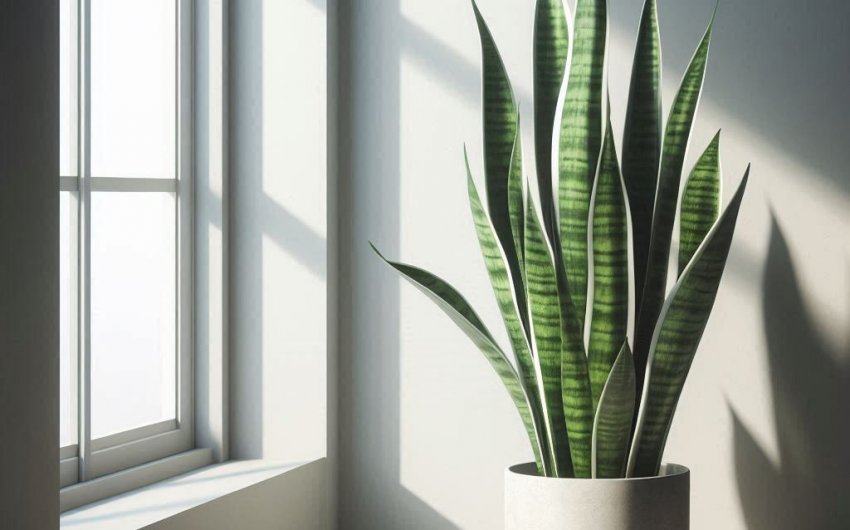
The snake plant (Sansevieria trifasciata), also known as "Mother-in-Law's Tongue," is one of the most popular indoor plants worldwide, admired for its sword-like leaves and striking appearance. Its hardy nature and ability to tolerate various environmental conditions make it a preferred choice for many homeowners and office decorators. But one question remains: Can a snake plant grow in low light?
Let's explore whether snake plants can truly thrive in minimal light conditions, their unique qualities, and how to care for them in environments with limited sunlight.
What is a Snake Plant?
Before delving into their light requirements, it's helpful to understand what makes snake plants unique. These hardy plants belong to the Asparagaceae family, originating from West Africa. They are known for their upright, sturdy leaves, which can grow up to three feet tall, depending on the species. The foliage is usually dark green with lighter green or yellow edges.
Snake plants are often praised for being nearly indestructible houseplants, requiring very little attention compared to other indoor plants. However, while their low maintenance makes them appealing, understanding the ideal growing conditions is still crucial for their well-being.
Care for your snake plant effortlessly by exploring different products that can aid in proper growth and health. Check out the latest plant care tools here.
Can a Snake Plant Grow in Low Light?
The Resilient Nature of Snake Plants
Snake plants are often referred to as "the plants that thrive on neglect." Their hardy nature extends beyond just watering; they also demonstrate an impressive ability to survive in low-light conditions. Unlike many other indoor plants that may struggle without bright, indirect sunlight, snake plants can maintain their structural integrity even with minimal light exposure.
That being said, while snake plants can survive in low light, there are factors to consider for their optimal growth. Their growth rate may be slower, and they may not reach their maximum potential in terms of size and leaf color without some exposure to brighter light. But, if you're looking for a plant that can withstand dimly lit rooms or even a windowless bathroom, the snake plant could be your perfect companion.
How Low is "Low Light"?
In the context of indoor gardening, "low light" does not mean complete darkness. It refers to areas where natural sunlight is scarce, such as rooms with north-facing windows, or corners that receive only filtered or indirect sunlight. For snake plants, low-light conditions can be those where light levels are between 50 to 250 foot-candles, which is suitable for plants with lower light requirements.
If you place your snake plant in such a setting, expect slower growth, and some leaves may not show as vibrant colors as they would under brighter conditions. However, the plant will still be able to sustain itself, making it an ideal choice for offices, bedrooms, and other low-lit spaces.
Place your snake plant in an elegant pot to complement your interior decor. See stylish options for plant pots here.
The Adaptability of Snake Plants to Different Light Levels
The snake plant's ability to grow in various light conditions makes it highly adaptable. When placed in bright indirect light, snake plants will grow more quickly and produce more vibrant leaf patterns. However, even in low light, snake plants can still survive—though with slower growth and potentially thinner leaves.
It is important to remember that even the hardiest plants have limits. While snake plants can handle low-light environments, prolonged exposure to very dim or no light may eventually stress the plant, leading to discolored or drooping leaves. For optimal health, try to occasionally expose the plant to some indirect light, even if only for a few hours a week.
Factors Influencing Snake Plant Growth in Low Light
1. Watering Needs
One of the most important factors for a snake plant's health in low-light conditions is its watering routine. Since these plants prefer to dry out completely between waterings, overwatering can easily occur if light is minimal. Low-light environments slow down the rate at which the soil dries, increasing the risk of root rot.
To prevent overwatering:
- Check the soil moisture before watering.
- Water the plant once every 2-6 weeks, depending on the room's humidity level.
- Use a moisture meter to measure the soil's dryness accurately.
Prevent overwatering issues with a moisture meter. Discover reliable options here.
2. Humidity Levels
Snake plants are highly tolerant of various humidity levels, but low humidity is ideal for them, especially in low light conditions. High humidity can slow down the evaporation of moisture from the soil, increasing the risk of overwatering and root rot. If you place the plant in a bathroom or other naturally humid area, consider using a dehumidifier to keep the air balanced.
Maintain the perfect indoor humidity for your plants with a dehumidifier. Find effective dehumidifiers here.
3. Temperature
While snake plants are highly adaptable to temperature changes, they still prefer a range between 60°F to 80°F (16°C to 27°C). Low light often correlates with cooler rooms, so it's important to ensure that your plant does not get exposed to temperatures below 50°F (10°C). In colder environments, snake plants may experience slowed growth or leaf damage.
4. Soil Type
Using the right potting mix is crucial for snake plants in low light. A well-draining soil mix that allows water to flow through easily will prevent root rot. Mixes designed for cacti or succulents are ideal, as they ensure the soil remains sufficiently aerated and doesn't hold excess moisture.
Get the perfect soil mix to keep your snake plant thriving. See suitable potting soils here.
How to Enhance Snake Plant Growth in Low Light Conditions
Even though snake plants can survive in low light, there are ways to enhance their growth and appearance:
1. Rotating the Plant
Rotate your snake plant every few weeks to ensure that all sides receive an equal amount of light. This can prevent the leaves from leaning toward a single light source and maintain a more symmetrical shape.
2. Use of Artificial Lighting
In cases where natural light is severely limited, consider using artificial light sources such as LED grow lights. These lights can mimic natural sunlight and help supplement the light requirements of your snake plant. A basic LED light can make a significant difference, especially during the winter months when sunlight is scarce.
Enhance the growth of your snake plant with an LED grow light. Explore energy-efficient options here.
3. Avoid Over-Fertilization
While fertilizing your snake plant can boost growth, it's crucial to avoid over-fertilizing, especially in low light. Under dim conditions, the plant's nutrient uptake is slower, and excess fertilizer can lead to a buildup of salts in the soil. Fertilize only once during the growing season (spring or summer), and use a diluted, balanced houseplant fertilizer.
Choose a quality houseplant fertilizer to keep your snake plant healthy. See top-rated options here.
Common Problems for Snake Plants in Low Light
While snake plants are easy to care for, some issues may arise if they are kept in low-light conditions for too long:
1. Yellowing or Drooping Leaves
Yellowing or drooping leaves often indicate overwatering or poor drainage. As the plant is not exposed to sufficient light, it absorbs less water, causing the excess moisture to accumulate. It is crucial to adjust the watering schedule and ensure that the pot has adequate drainage.
2. Fungal Infections
Fungal infections may also occur due to high humidity and overwatering. The symptoms typically include dark, mushy spots on the leaves or stems. To combat this, allow the soil to dry out more thoroughly between waterings and consider using a natural fungicide if necessary.
Prevent fungal problems with effective fungicide treatments. Find solutions here.
3. Leaf Browning
If you notice browning on the edges of the leaves, it could be due to low humidity, cold drafts, or exposure to direct sunlight. When the plant is placed in an area where there is little airflow, the temperature variations may affect the foliage's health. Move your snake plant to a more stable location and keep it away from vents or drafty windows.
Benefits of Growing a Snake Plant in Low Light
1. Air Purification
One of the most celebrated benefits of snake plants is their ability to improve indoor air quality. They are capable of filtering toxins such as formaldehyde, benzene, and trichloroethylene from the air, making them ideal for low-light areas where air circulation may not be optimal. The snake plant releases oxygen even during the night, unlike most plants that only do so during the day.
2. Minimal Maintenance
Snake plants require minimal maintenance, especially when placed in low-light conditions. Since they grow slowly in these environments, there is no need for frequent pruning or repotting. They can easily adapt to a "set it and forget it" care routine.
3. Suitable for Various Indoor Spaces
Their adaptability to different light levels allows snake plants to be placed almost anywhere. Whether you have a small apartment, a spacious office, or a dimly lit bathroom, snake plants can thrive in various locations, providing a touch of greenery to brighten the space.
Decorate your living space effortlessly with indoor plants. Find decorative indoor planters here.
Comparing Snake Plants to Other Low Light Tolerant Houseplants
If you're looking for more low-light tolerant houseplants besides snake plants, consider the following options:
1. ZZ Plant (Zamioculcas zamiifolia)
ZZ plants are another hardy indoor plant that thrives in low light. Like snake plants, they require little watering and are highly resilient. However, they tend to have a slightly different appearance, with rounded leaves that grow in an upright fashion.
Add a ZZ plant to your collection for a touch of elegance. Browse ZZ plants here.
2. Pothos (Epipremnum aureum)
Pothos are well-known for their trailing vines and can adapt to both low and bright light. They grow faster than snake plants, making them suitable for creating lush green displays even in dimly lit rooms.
Get beautiful pothos plants for a hanging garden. Explore options here.
3. Peace Lily (Spathiphyllum)
Peace lilies are famous for their white blooms and deep green leaves. While they can tolerate low light, they may produce fewer flowers under these conditions.
Find peace lilies to add a touch of nature to your interior. Check out options here.
For a more comprehensive guide on caring for snake plants, including their light, watering, and soil needs, visit our snake plant care guide.