
Why Are My Snake Plant’s Leaves Turning Yellow?
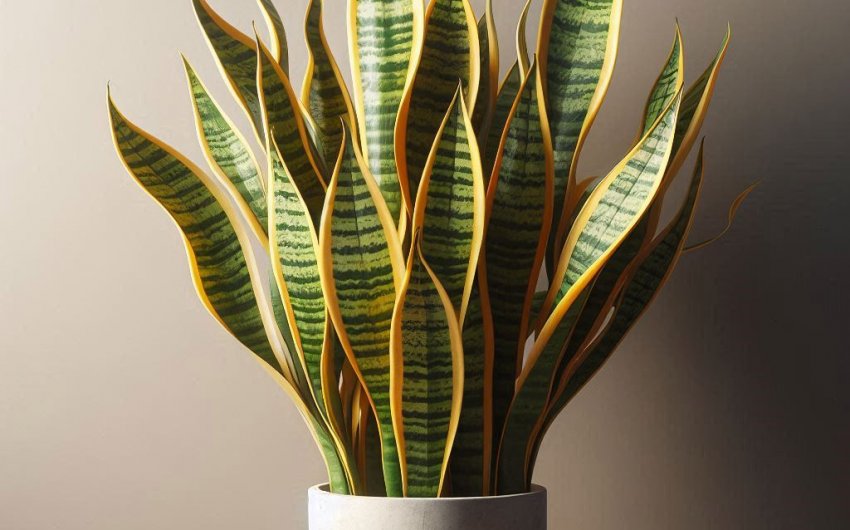
Witnessing the vibrant green leaves of your usually resilient snake plant begin to fade and turn yellow can be concerning, especially given their reputation for being almost indestructible. If you're wondering, "Why are my snake plant's leaves turning yellow?" you're likely facing one of a few common issues, most of which are easily remedied with a bit of detective work and adjusted care. This guide will help you diagnose the problem and bring your beloved Sansevieria back to its lush, verdant state.
Why Are My Snake Plant's Leaves Turning Yellow? (Overwatering)
The number one reason my snake plant's leaves are turning yellow is almost always overwatering. Despite their hardy nature, snake plants are succulents that store water in their thick leaves and rhizomes, making them highly susceptible to root rot if their soil stays wet for too long.
How Overwatering Causes Yellowing
When a snake plant receives too much water, especially if the pot lacks proper drainage or the soil is too dense, the roots sit in soggy conditions. Roots need oxygen to "breathe" and function properly; without it, they begin to suffocate and rot.
- Root Damage: Rotting roots can't absorb water or nutrients effectively, even if they're present in the soil. This leads to symptoms of dehydration and nutrient deficiency, which manifest as yellowing leaves.
- Fungal/Bacterial Growth: Excess moisture creates an ideal environment for harmful fungi and bacteria to thrive, further attacking the compromised roots.
- Leaf Breakdown: The cells within the leaves themselves can become waterlogged and burst, leading to a mushy, yellow, and eventually black appearance.
Signs of Overwatering
It's crucial to recognize the specific signs of overwatering to correctly diagnose why my snake plant's leaves are turning yellow:
- Soft, Mushy Yellow Leaves: Unlike crispy yellow leaves from underwatering, overwatered leaves will feel soft, squishy, or even slimy to the touch, especially at the base.
- Blackening at the Base of Leaves: This is a strong indicator of root rot. The base of the leaves where they emerge from the soil may turn dark and mushy.
- Foul Odor from Soil: A rotten or sour smell coming from the potting mix suggests anaerobic conditions and decaying roots.
- Soggy Soil: The soil remains wet for an extended period after watering, often feeling heavy and dense.
- Yellowing Spreading Upwards: Yellowing often starts at the bottom leaves and progresses upwards, or affects entire leaves.
How to Fix Overwatering
If you suspect overwatering is why my snake plant's leaves are turning yellow, immediate action is needed.
- Stop Watering Immediately: Do not water again until the soil has thoroughly dried out, usually several weeks.
- Inspect Roots (If Severe): Gently remove the plant from its pot. Shake off excess soil. Examine the roots. Healthy roots are firm and white or light tan. Rotting roots will be dark, mushy, and may smell foul.
- Prune Damaged Roots and Leaves: Using clean, sharp scissors or pruners, cut away any black, mushy, or completely rotted roots. Also, remove any completely yellow or mushy leaves.
- Repot (If Necessary): If root rot is extensive, repot into a fresh, well-draining cactus and succulent potting mix. Consider a slightly smaller pot if a lot of roots were removed.
- Ensure Proper Drainage: Always use a pot with a drainage hole. If your decorative pot doesn't have one, use a nursery pot with drainage holes inside.
- Adjust Watering Routine: This is the long-term solution.
- Frequency: Only water when the soil is completely dry, usually every 2-4 weeks, but this varies based on light, humidity, and season. In winter, watering might only be once a month or less.
- Thoroughness: When you do water, water deeply until it drains from the bottom, then discard any standing water in the saucer.
By correcting your watering habits, you'll address the most common reason my snake plant's leaves are turning yellow and help your plant recover.
Why Are My Snake Plant's Leaves Turning Yellow? (Underwatering)
While overwatering is the most common issue, my snake plant's leaves are turning yellow can also be a sign of underwatering, though it's less frequent. Snake plants are drought-tolerant, but they still need water to survive and thrive.
How Underwatering Causes Yellowing
When a snake plant doesn't receive enough water for an extended period, its leaves begin to dehydrate. The plant starts drawing moisture from older leaves to sustain newer growth, leading to their decline.
- Dehydration: Lack of water means cells within the leaves shrink, losing their turgor (firmness), and chlorophyll production slows down or stops, causing the green color to fade to yellow.
- Nutrient Starvation: Water is the vehicle for nutrient transport from the soil to the plant. Without sufficient water, nutrient uptake is severely hampered, leading to deficiency symptoms like yellowing.
Signs of Underwatering
The signs of underwatering are distinct from overwatering. If my snake plant's leaves are turning yellow, look for these specific clues:
- Crispy, Dry Yellow Leaves: The yellow leaves will feel dry, brittle, and crispy, especially at the tips and edges. They might also appear shriveled or wrinkled.
- Brown Tips/Edges: The very ends or margins of the leaves might turn brown and crunchy.
- Stunted Growth: The plant will cease to produce new leaves, or any new growth will be very small and weak.
- Lightweight Pot: The pot will feel very light when you lift it, indicating the soil is completely dry.
- Leaves Curling or Drooping (Slightly): While snake plants don't typically "droop" dramatically, very underwatered leaves can curl inwards slightly or lose some of their upright rigidity.
How to Fix Underwatering
If you determine underwatering is why my snake plant's leaves are turning yellow, it's generally an easier fix than overwatering.
- Water Thoroughly: Water the plant deeply until water freely drains from the bottom of the pot.
- Consider Bottom Watering: If the soil has become very dry and hard (hydrophobic), water may just run off the surface. Try bottom watering: place the potted plant in a tray or sink filled with about 2-3 inches of water. Let it soak up water from the drainage holes for 30 minutes to an hour, or until the top of the soil feels moist.
- Adjust Watering Schedule: While snake plants are drought-tolerant, they do need regular (though infrequent) watering. Stick to a schedule where you water when the soil is completely dry to the touch, usually every 2-4 weeks, depending on environmental factors.
- Prune Severely Damaged Leaves: Any leaves that are completely crispy, brown, or shriveled may not recover their green color. It's okay to prune these off at the base with clean, sharp shears to direct the plant's energy to healthy growth.
With consistent and appropriate watering, your snake plant should perk up and stop turning yellow, confirming the reason my snake plant's leaves are turning yellow was indeed too little moisture.
Why Are My Snake Plant's Leaves Turning Yellow? (Lighting Issues)
While snake plants are famously tolerant of low light, extreme conditions, either too little or too much light, can still cause their leaves to turn yellow. If my snake plant's leaves are turning yellow, and watering seems correct, light might be the culprit.
Too Little Light
Even though snake plants survive in dim corners, they don't necessarily thrive there. Prolonged very low light can stress the plant.
- Reduced Photosynthesis: In insufficient light, the plant can't produce enough chlorophyll, the green pigment responsible for photosynthesis. This leads to a general fading and yellowing of the leaves, often starting from the bottom or inner leaves.
- Stunted Growth: Overall growth will slow to a crawl or stop completely, and new leaves may be thinner and paler.
- Variegation Loss: If your snake plant has variegated (striped or patterned) leaves, the colored parts may fade or disappear entirely in very low light.
Too Much Light (Direct Sun)
Snake plants are not designed for direct, intense sunlight, especially the afternoon sun coming through a window.
- Sunburn/Bleaching: Direct, harsh sun can scorch the leaves, leading to yellow, white, or brown patches. The yellowing often appears as bleached-out areas or distinct yellow spots rather than an overall fade.
- Stress: High light and heat stress the plant, making it more vulnerable to other issues.
How to Adjust Lighting
If lighting is why my snake plant's leaves are turning yellow, here's how to fix it:
For Too Little Light:
- Move to Brighter Spot: Relocate your snake plant to an area with brighter, indirect light. This could be a few feet away from a south- or west-facing window, or near an east-facing window which provides gentler morning sun.
- Observe: New growth should appear greener and more vigorous. Yellowed leaves might not fully recover their green color, but the plant will stop yellowing.
- Grow Lights (Optional): If your home lacks sufficient natural light, consider supplementing with a grow light for indoor plants, especially during winter.
For Too Much Light:
- Move to Shaded Spot: Relocate the plant further away from the window, or move it to a spot that receives bright indirect light but no direct sun.
- Use Sheer Curtains: If you can't move the plant, use sheer curtains to filter intense sunlight.
- Prune Damaged Leaves: Severely scorched or bleached leaves will not recover their color. You can prune them off at the base.
By providing the right amount of light (bright indirect being ideal for most varieties), you can prevent and resolve the yellowing issues that arise from improper light conditions, ensuring that my snake plant's leaves are turning yellow becomes a problem of the past.
Why Are My Snake Plant's Leaves Turning Yellow? (Nutrient Deficiencies or Excess)
While snake plants are not heavy feeders, an imbalance in nutrients can sometimes cause their leaves to turn yellow. If my snake plant's leaves are turning yellow, and watering and light seem fine, consider its nutrient intake.
Nutrient Deficiencies
Most commonly, a lack of essential nutrients can lead to chlorosis (yellowing) because the plant can't produce enough chlorophyll.
- Nitrogen Deficiency: Nitrogen is crucial for green leafy growth. A lack of it typically causes older leaves to yellow evenly, starting from the tip and moving inwards, and the entire plant might look pale.
- Iron Deficiency: Can cause interveinal chlorosis, meaning the areas between the leaf veins turn yellow while the veins themselves remain green. This often appears on newer leaves first. This is more common in alkaline (high pH) soils where iron is less available.
- Magnesium Deficiency: Similar to iron, can cause yellowing between veins, often on older leaves.
Nutrient Excess (Over-Fertilizing)
This is more common than deficiency for snake plants because they need very little fertilizer.
- Fertilizer Burn: Too much fertilizer, especially synthetic kinds, can lead to a buildup of salts in the soil. These salts can burn the roots, preventing them from absorbing water and nutrients, which then mimics symptoms of underwatering (crispy, brown tips/edges) but can also lead to general yellowing as the plant becomes stressed.
- Toxic Levels: Excess of one nutrient can sometimes hinder the uptake of another, leading to a deficiency in disguise.
How to Address Nutrient Issues
If you suspect nutrient problems are why my snake plant's leaves are turning yellow, here's how to manage them:
For Nutrient Deficiency:
- Fertilize Sparingly: Use a balanced, all-purpose liquid houseplant fertilizer during the growing season (spring and summer) at half or even quarter strength. Snake plants are slow growers and need very little. Once a month or even every other month is often sufficient.
- Ensure Proper pH: A soil pH that is too high (alkaline) or too low (acidic) can make nutrients unavailable. Snake plants prefer a slightly acidic to neutral pH (6.0-7.0). If you suspect pH issues, a soil pH test kit can help.
- Fresh Potting Mix: If your plant hasn't been repotted in several years, the potting mix might be depleted of nutrients. Repotting into fresh, high-quality houseplant potting mix can often resolve minor deficiencies.
For Nutrient Excess (Over-Fertilizing):
- Flush the Soil: Take the plant to a sink and slowly pour a large volume of clean, dechlorinated water through the soil (at least 3-4 times the volume of the pot). Let it drain completely. This helps flush out excess salts.
- Reduce Fertilizing: Drastically cut back on or temporarily stop fertilizing. Reintroduce fertilizer very sparingly once the plant shows signs of recovery.
- Prune Damaged Leaves: Remove severely burned leaves.
Remember, yellowing from nutrient issues often presents as a more gradual, general fading, whereas overwatering typically involves mushy, dark bases. By fine-tuning your fertilizing routine, you can prevent my snake plant's leaves are turning yellow due to nutrient imbalances.
Why Are My Snake Plant's Leaves Turning Yellow? (Age and Other Factors)
Sometimes, my snake plant's leaves are turning yellow for reasons other than improper care, such as natural aging or environmental stress. Understanding these less common but still possible causes helps complete your diagnosis.
Natural Aging
Just like all living things, plant leaves have a lifespan.
- Older Leaves Yellowing: It's completely normal for the oldest, outermost leaves at the base of your snake plant to yellow and eventually die off. The plant simply reabsorbs nutrients from these aging leaves to support new growth.
- Progression: This yellowing usually progresses slowly, one or two leaves at a time, and the leaves will eventually dry up completely. As long as new, healthy growth is emerging from the center, this is generally not a cause for concern.
Temperature Stress
Snake plants are quite adaptable, but extreme temperatures can still cause stress.
- Cold Damage: Exposure to very cold temperatures (below 50°F or 10°C) or sudden cold drafts (e.g., near a frosty window, open door in winter) can cause leaves to yellow, turn mushy, or even develop black spots.
- Heat Stress: While less common indoors, extreme heat combined with very dry conditions can stress the plant, leading to yellowing, especially if coupled with underwatering.
- Solution: Protect your snake plant from extreme temperature fluctuations. Keep it away from drafty windows, air conditioning vents, and heat sources. Ensure indoor temperatures are consistently above 55°F (13°C).
Pot Size and Root Bound Issues
If a snake plant becomes severely root-bound, it can show signs of stress, including yellowing.
- Root Bound: When the roots fill the entire pot and start circling around, they can become a dense, suffocating mass. This makes it difficult for them to absorb water and nutrients, even if you are watering and fertilizing correctly.
- Signs: Slowed or stunted growth, water running straight through the pot without soaking in, roots emerging from drainage holes or the top of the soil, and general decline including yellowing.
- Solution: Repot your snake plant into a pot that is only one size larger when it shows signs of being root-bound. Use fresh, well-draining potting mix. The best time to repot is during spring or early summer.
Pests and Diseases
While less common for snake plants, severe pest infestations or rare diseases can sometimes cause yellowing.
- Pests: Look for tiny insects like mealybugs (white, cottony masses) or spider mites (fine webbing, speckled leaves) on the leaves or in crevices. These sap-sucking pests can weaken the plant and cause yellowing.
- Fungal Diseases: Beyond root rot (caused by overwatering), other fungal issues are rare but can occur, often leading to specific spots or patterns of discoloration.
- Solution: Inspect your plant thoroughly. If you find pests, treat them promptly with insecticidal soap or neem oil. For diseases, good air circulation and appropriate watering are key preventative measures; severe cases might require a fungicide.
By considering natural aging and less common environmental stressors, you can gain a complete understanding of "why are my snake plant's leaves turning yellow?" and implement the most appropriate solutions for its recovery.