
How Do I Get My Peace Lily to Bloom?
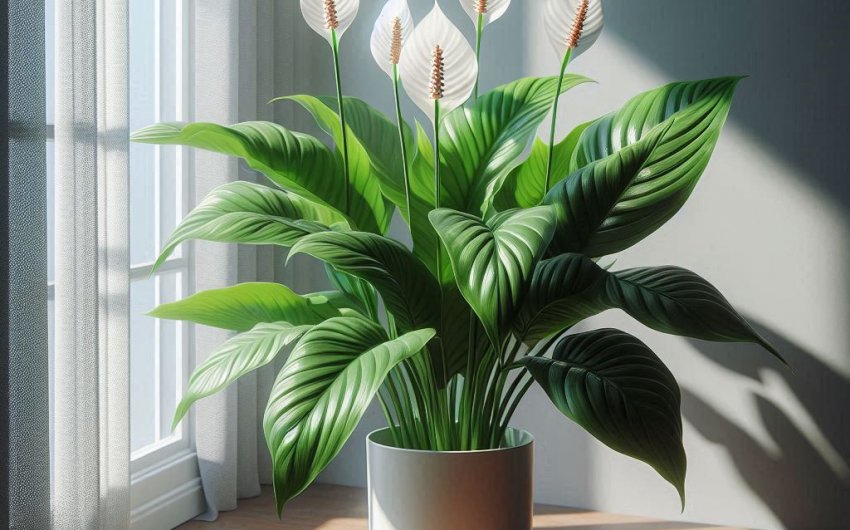
The peace lily (Spathiphyllum) is one of the most popular and elegant houseplants, cherished for its glossy, dark green leaves and its striking white "flowers." While those white parts aren't technically flowers (they're modified leaves called spathes that surround a central spike of tiny true flowers called a spadix), they are undeniably beautiful and the main reason many people bring these plants into their homes. When a peace lily is thriving and blooming, it truly adds a touch of serene beauty to any indoor space.
However, it's common for peace lily owners to experience a frustrating phenomenon: a plant that looks perfectly healthy, with lush green foliage, but simply refuses to bloom. This can be a puzzle, especially since peace lilies are generally considered easy-care plants. The secret to encouraging these graceful spathes to emerge often lies in understanding the plant's specific needs and making a few key adjustments to its environment and care routine. This guide will uncover the common reasons why your peace lily might not be blooming and provide clear, actionable steps on how to get your peace lily to bloom, transforming a green foliage plant into a magnificent display of white elegance.
Why Isn't My Peace Lily Blooming?
A peace lily that doesn't bloom is usually telling you something is missing or out of balance in its environment. While they are resilient and can survive in less-than-ideal conditions, they need specific factors to truly thrive and produce those iconic white spathes.
Is My Peace Lily Getting Enough Light?
Light is arguably the most common reason a peace lily fails to bloom. While they are often touted as low-light tolerant plants, there's a big difference between surviving in low light and producing flowers.
- Low Light (Survival): A peace lily can absolutely survive in a low-light corner of a room, where it receives very little natural light. In these conditions, its leaves will stay green, and it will slowly grow. However, there won't be enough energy for the plant to produce flowers. Think of it like a human living on just enough food to survive, but not enough to run a marathon.
- Bright, Indirect Light (Blooming): For consistent blooming, peace lilies need bright, indirect light. This means a location where the plant receives plenty of ambient light throughout the day, but no direct sunbeams hitting its leaves. Direct sun can scorch the leaves, causing brown spots and stress.
- Ideal Spots: An east-facing window is often perfect, offering gentle morning sun. A north-facing window can also work, but might be too dim in some homes. A south or west-facing window can work if the plant is set several feet back from the window or the light is filtered by a sheer curtain or blinds.
- Signs of Too Little Light: If your peace lily is healthy but simply not blooming, and its leaves are a deep, dark green, it's likely not getting enough light. New growth might also be leggy (stretched out with widely spaced leaves).
- Signs of Too Much Light: Yellowing leaves, crispy brown edges, or bleached-out spots indicate too much direct light.
Adjusting your peace lily's light exposure is often the quickest and most effective way to encourage blooming.
Am I Fertilizing My Peace Lily Correctly?
Fertilization is another critical factor. The right nutrients, applied at the right time, are essential for bud formation.
- Nutrient Imbalance (Too Much Nitrogen): Many fertilizers designed for general houseplants or for foliage plants are high in nitrogen. Nitrogen promotes lush, green leafy growth. While this makes your plant look full and healthy, too much nitrogen (and not enough phosphorus and potassium) will encourage the plant to put all its energy into growing leaves, neglecting flower production.
- Lack of Phosphorus and Potassium: Phosphorus (the "P" in N-P-K fertilizer ratios) is crucial for flower and fruit development. Potassium (the "K") supports overall plant health and resilience. If your fertilizer is lacking these, your plant won't have the building blocks for blooms.
Under-Fertilizing: If you never fertilize, your plant might be lacking the energy and specific nutrients needed to produce flowers, even if other conditions are ideal. The plant will be in survival mode.
Solution: During the growing season (spring through summer), use a balanced fertilizer with an N-P-K ratio where the middle number (phosphorus) and the last number (potassium) are relatively high, or at least balanced with nitrogen. Something like a 10-20-10 or 20-20-20 formula, or even a specific "bloom booster" fertilizer (which is high in phosphorus), applied at half strength every 2-4 weeks. Stop fertilizing in fall and winter when growth slows.
Is My Peace Lily Rootbound?
A rootbound peace lily is a plant whose roots have completely filled its pot, leaving little room for soil. This can definitely prevent blooming.
- Why it happens: As a peace lily grows, its root system expands. If it's not repotted into a larger container, the roots become a dense, tangled mass.
- Impact on Blooming: When a plant is severely rootbound, it becomes stressed. The roots can't efficiently absorb water or nutrients from the limited soil available. This stress signals the plant to focus on survival rather than reproduction (flowering). It also means there's simply not enough available nutrients to fuel bloom production.
Signs of Rootbound:
- Roots growing out of the drainage holes.
- The plant dries out very quickly after watering.
- The plant looks generally stunted or unhealthy despite good care.
- You can lift the plant out of its pot, and the root ball holds the exact shape of the pot, often with roots circling the edges.
Solution: If your peace lily is rootbound, it's time to repot it into a slightly larger pot (only one size up, e.g., from a 6-inch to an 8-inch pot) in early spring. This gives the roots more room to grow and access nutrients, often kickstarting blooming.
Are There Other Stressors Affecting My Peace Lily?
Even if light, fertilizer, and potting are seemingly correct, other stressors can prevent blooming.
- Age of the Plant: Very young peace lilies may not have the maturity or energy to produce flowers. Give them time to establish.
- Water Quality (Chlorine/Fluoride): Peace lilies can be sensitive to chemicals in tap water, especially chlorine and fluoride. These can cause brown leaf tips and stress, which might inhibit blooming.
- Solution: Let tap water sit out for 24 hours before watering to allow chlorine to evaporate, or use distilled water or rainwater.
- Temperature Extremes/Drafts: Sudden temperature fluctuations or consistent exposure to cold drafts from windows or hot blasts from heating vents can stress the plant.
- Solution: Maintain consistent room temperatures and keep the plant away from vents and drafty spots.
- Lack of Humidity: While peace lilies can tolerate average household humidity, they prefer high humidity. Low humidity can stress the plant and inhibit blooming.
- Solution: Increase humidity with a pebble tray, misting, or a humidifier.
- Pests: A severe pest infestation (e.g., spider mites, mealybugs) can weaken the plant and divert energy from blooming.
- Solution: Inspect regularly and treat pests with insecticidal soap or neem oil.
Addressing any of these underlying stressors is crucial for encouraging your peace lily to produce its beautiful white spathes.
What is the Ideal Light for Peace Lilies to Bloom?
As discussed, light is paramount for getting your peace lily to bloom. It's not about how much light the plant can survive in, but how much it needs to gather energy for flower production. The goal is bright, indirect light.
What Does "Bright, Indirect Light" Actually Mean?
For a peace lily, bright, indirect light means a location that receives a lot of ambient light, but where the sun's rays never directly hit the leaves.
- No Direct Sunbeams: If you see clear, defined sunbeams falling directly onto your peace lily's leaves, that's usually too much direct sun. This can scorch the leaves, causing brown spots and stress.
- Good Ambient Illumination: The room should feel naturally well-lit throughout the day. If you can read a book comfortably without turning on a light, it's probably bright enough.
- Soft Shadows: If you hold your hand a few inches above the plant, the shadow should be soft and blurry, not sharp and defined.
Think about the plant's natural habitat: the rainforest understory. They get plenty of light, but it's filtered through the dense canopy of taller trees above. This creates a consistently bright but diffused light environment.
What are the Best Window Locations?
Choosing the right window for your peace lily is essential for providing optimal light.
- East-Facing Window: This is often the ideal location. East-facing windows receive gentle morning sun, which is typically not strong enough to burn the leaves. This morning exposure provides a good energy boost, and then the light becomes indirect for the rest of the day.
- North-Facing Window: A north-facing window can also be a good spot, as it provides consistent, soft, indirect light throughout the day. However, in some homes, especially during winter or if the window is small, a north-facing window might not provide enough brightness for blooming. Observe your plant carefully.
- South or West-Facing Window (with Modifications): If your only options are south or west-facing windows, which receive intense, direct sunlight, you'll need to modify the light.
- Sheer Curtains or Blinds: Use sheer curtains or blinds to filter the harsh direct sunbeams.
- Set Back: Place your peace lily several feet back from the window, so it receives bright ambient light but isn't hit by direct rays. The further back you move it, the less intense the light will be.
- Nearby Obstacles: A building or a large tree outside a south/west-facing window can also naturally filter the light, making it suitable.
Continuously observe your plant. If the leaves are becoming bleached or scorched, move it further away or add more filtration. If it's healthy but not blooming and looks a very dark green, it probably needs more light.
Can Grow Lights Help Peace Lilies Bloom?
Yes, artificial grow lights can be a fantastic solution if your home doesn't provide enough natural bright, indirect light for your peace lily to bloom. They offer consistent, controllable light.
- Type of Light: Choose a full-spectrum LED grow light. These mimic natural sunlight and are energy-efficient, producing very little heat. You don't need a super-powerful grow light for peace lilies; even a moderately sized one will suffice. A small LED grow light for houseplants can do wonders.
- Positioning: Place the grow light about 12-24 inches above the top of your peace lily. If the light feels hot to your hand at plant level, it's too close. Adjust the height as needed.
- Duration: Provide 10-14 hours of light per day. Use a light timer for plants to ensure consistency. It's important for the plant to have a period of darkness (at least 8 hours) each day to complete its metabolic processes.
- Observe Your Plant: If the leaves start to look bleached or stressed, raise the light or reduce the duration. If growth remains leggy and it's still not blooming, consider increasing the duration or bringing the light slightly closer.
Grow lights ensure that your peace lily gets the consistent light energy it needs to produce those beautiful, signature white blooms, even in less-than-ideal natural lighting conditions.
What Are Watering and Fertilizing Best Practices for Blooming?
Beyond light, consistent and appropriate watering and fertilization are crucial for signaling to your peace lily that it's in a good environment and has the resources to produce blooms. These practices create a stable and nutrient-rich foundation.
How Should I Water My Peace Lily for Blooming?
Proper watering is a common challenge, but it's essential. Peace lilies famously "tell" you when they're thirsty by drooping dramatically, but overwatering is just as harmful as underwatering.
- Consistent Moisture, Never Soggy: Peace lilies prefer consistently moist soil, but they absolutely hate sitting in soggy, waterlogged conditions. This leads to root rot, which will quickly kill your plant or prevent it from blooming.
- Check Soil Before Watering: Don't water on a fixed schedule. Instead, feel the soil. Water thoroughly when the top 1-2 inches of soil feel dry to the touch. The leaves might start to show a slight droop, which is their signal for thirst without being fully stressed.
- Water Thoroughly: When you water, provide enough water so that it drains out of the bottom of the pot. This ensures the entire root ball is saturated.
- Drainage is Key: Always ensure your pot has adequate drainage holes. Never let the pot sit in standing water in its saucer for more than 30 minutes. Empty any excess water immediately.
- Water Quality: If your tap water is highly chlorinated or fluoridated, consider letting it sit out for 24 hours to allow chemicals to dissipate, or use distilled water or rainwater. These chemicals can stress the plant and cause brown leaf tips, which indirectly affects blooming.
Consistent, proper watering without ever allowing the plant to sit in water is a vital step towards healthy, blooming peace lilies.
What is the Best Fertilizer Ratio for Blooming?
The right fertilizer provides the specific nutrients a peace lily needs to produce flowers. As mentioned before, avoiding too much nitrogen is key.
- Low Nitrogen, Higher Phosphorus & Potassium: For blooming, you want a fertilizer with a lower first number (Nitrogen, N) and higher middle (Phosphorus, P) and last (Potassium, K) numbers. A formula like 15-30-15 or 10-20-10 (or similar bloom-boosting ratios) is ideal. Phosphorus is particularly important for flower development.
- Balanced Fertilizer (General Health): A balanced N-P-K (like 20-20-20) can also work if you use it at a diluted strength, but a bloom-specific formula is often more effective for encouraging flowers. You can find houseplant bloom fertilizer or a general indoor plant food that is balanced.
- Dilution is Crucial: Always dilute the fertilizer to half or even quarter strength of what the package recommends for indoor plants. Peace lilies are sensitive to over-fertilization, which can burn their roots and cause brown leaf tips.
- Fertilizing Schedule: Fertilize only during the active growing season (typically spring and summer) when the plant is actively producing new leaves and hopefully buds. Fertilize every 2-4 weeks. Reduce or stop fertilizing in the fall and winter months when growth slows down, as the plant is not actively using nutrients then.
- Do Not Fertilize a Stressed Plant: Never fertilize a peace lily that is currently stressed (e.g., wilting, yellowing from watering issues, recently repotted, or showing signs of pests). Fertilizing a stressed plant can do more harm than good. Wait until it has recovered.
By carefully managing your fertilizer, you provide your peace lily with the energy and nutrients specifically targeted for beautiful blooms.
What Other Factors Influence Peace Lily Blooming?
Beyond light, water, and fertilizer, several other environmental and cultural factors contribute to a peace lily's willingness to bloom. Paying attention to these details can make all the difference.
Does Humidity Affect Blooming?
Yes, humidity plays a significant role in peace lily health and its ability to bloom, as they are native to humid rainforest environments.
- Preference: Peace lilies thrive in high humidity, ideally above 60%. Most homes, especially during winter when heating systems are on, have much lower humidity levels (often 20-40%).
- Impact on Blooming: Low humidity can stress the plant, causing delicate flower buds to dry out and fall off before they even get a chance to open. It also makes the plant more susceptible to pests like spider mites.
- How to Increase Humidity:
- Pebble Tray: Place the plant's pot on a tray filled with pebbles and water. Ensure the bottom of the pot doesn't sit directly in the water to avoid root rot. As the water evaporates from the tray, it creates a more humid microclimate around the plant. You can get a plant humidity tray.
- Misting: Daily misting with a fine mist sprayer can provide a temporary boost, but it's not a long-term solution on its own.
- Humidifier: The most effective way to provide consistent high humidity is to use a room humidifier near your peace lily. A small plant humidifier can significantly improve the plant's environment.
- Grouping Plants: Grouping your peace lily with other houseplants can also help, as plants release moisture into the air through their leaves, collectively raising localized humidity.
Why is Repotting Important for Blooming?
As mentioned, a rootbound peace lily often refuses to bloom. Repotting provides the necessary space and resources for the plant to thrive and flower.
- Timing: Repot your peace lily in early spring, ideally after its blooming period if it does bloom. This gives the plant time to recover from the stress of repotting before it needs to put energy into flowering.
- Pot Size: Choose a new pot that is only one size larger than the current one (e.g., from a 6-inch diameter to an 8-inch). Going too large can lead to excess soil staying wet for too long, increasing the risk of root rot.
- Fresh Potting Mix: Always use fresh, high-quality, well-draining potting mix when repotting. A good mix retains moisture but drains freely. Look for a general houseplant potting mix that is peat-based.
- Root Care: When repotting, gently tease apart any circling roots. Trim away any dead, mushy, or unhealthy roots.
- Post-Repotting Care: Water thoroughly after repotting. Place the plant in a spot with stable conditions (no drafts, consistent light). Avoid fertilizing for 4-6 weeks to allow the plant to adjust.
Repotting provides fresh soil, more room for roots to expand, and a renewed supply of nutrients, which can often be the trigger for a previously non-blooming plant to start producing spathes.
How Does Pruning Affect New Blooms?
Pruning your peace lily isn't just about aesthetics; it can also help redirect the plant's energy towards producing new blooms.
- Deadheading Spent Blooms: Once a peace lily spathe turns green and eventually brown, it's considered "spent." Deadheading (cutting off these faded blooms) is important. Use clean, sharp pruning shears or a knife to cut the flower stalk at its base, as close to the soil line as possible.
- Why? Removing spent blooms prevents the plant from putting energy into producing seeds. This energy can then be redirected into creating new leaves and, more importantly, new flower buds.
- Removing Yellow or Dead Leaves: Also, regularly remove any yellowing, brown, or dead leaves by cutting them at the base of the stem. This cleans up the plant, improves air circulation, and again, allows the plant to focus its energy on healthy, productive growth. A good pair of houseplant pruning snips will make this task easy and prevent damage to the plant.
- Dividing: If your peace lily is very large and densely clumped, it might benefit from division during repotting. Dividing the plant into smaller sections can rejuvenate it and encourage more vigorous growth, which in turn supports blooming.
Proper pruning practices keep your peace lily healthy, encourage bushier growth, and ensure its energy is focused on what you want: those beautiful white spathes. Consistent care, attention to environmental cues, and a little patience will ultimately help your peace lily flourish and bloom.