
How Do I Propagate a Pothos Plant?
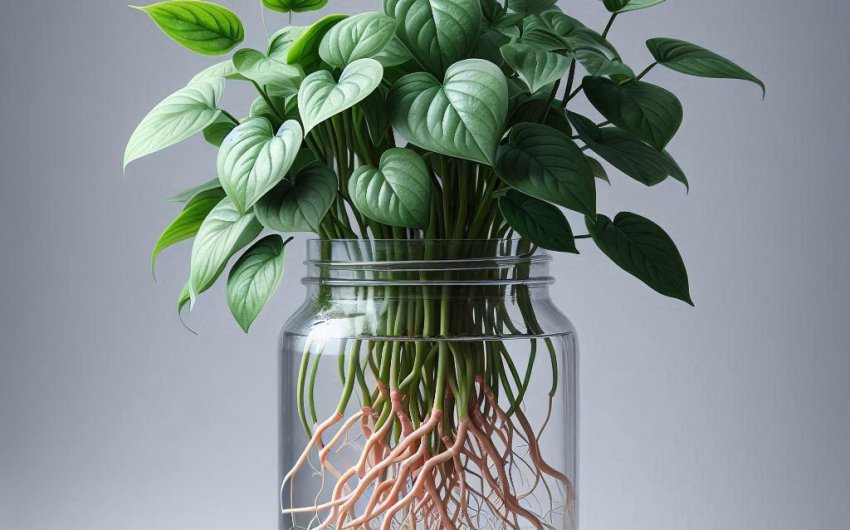
Pothos plants are a true favorite among houseplant enthusiasts, and for good reason! Their beautiful cascading vines, easy-going nature, and air-purifying qualities make them a perfect addition to any indoor space. But what if you could have more than just one? That's where propagation comes in. Turning one healthy Pothos into several new plants is not only incredibly satisfying but also surprisingly simple.
Propagating a Pothos is a fantastic way to expand your own plant collection, share with friends, or simply revive a leggy plant. You don't need any special equipment or a green thumb; just a few basic tools and a bit of patience. This guide will walk you through the easiest and most successful methods for creating new Pothos plants, ensuring you can enjoy their lush greenery in every corner of your home.
What is Pothos and Why Propagate It?
Before we get to the how-to, let's briefly touch on what makes Pothos such a popular plant for both beginners and experienced growers, and why propagation is so beneficial.
What Makes Pothos So Popular?
Pothos (Epipremnum aureum) is a versatile and resilient houseplant originating from the Solomon Islands. It's known by many common names, including Devil's Ivy, because of its incredibly hard-to-kill nature and its ability to stay green even in low light.
- Easy Care: They tolerate a wide range of conditions, from bright indirect light to low light, and are forgiving if you forget to water occasionally.
- Beautiful Foliage: Pothos plants have heart-shaped leaves that can be solid green, or variegated (multi-colored) with shades of yellow, white, or light green. Popular varieties include 'Golden Pothos', 'Marble Queen Pothos', 'Neon Pothos', and 'N'Joy Pothos'.
- Vining Habit: Their long, trailing vines make them perfect for hanging baskets, shelves, or letting them climb a moss pole.
- Air Purifying: Like many houseplants, Pothos can help improve indoor air quality by filtering out certain toxins.
Why Should I Propagate My Pothos?
Propagation is the process of creating new plants from an existing one. For Pothos, it offers many advantages:
- More Plants for Free: It's a cost-effective way to expand your collection.
- Sharing with Friends: You can easily share your love of plants by gifting cuttings or rooted plants.
- Reviving Leggy Plants: If your Pothos has become long and sparse, taking cuttings can help it become bushier and more attractive.
- New Design Opportunities: Use new propagations to fill in other pots, create a multi-level plant display, or even make a Pothos wall.
- It's Easy and Fun: Pothos is one of the easiest plants to propagate, making it a great project for new plant parents.
What Do I Need to Propagate Pothos?
You don't need a lot of fancy equipment to propagate Pothos. Most of what you need you probably already have at home.
Essential Tools
- Sharp Scissors or Pruners: Clean, sharp tools are crucial for making a clean cut. This minimizes damage to the plant and reduces the risk of disease. The Fiskars Softgrip Pruning Shears are a good option.
- Healthy Pothos Plant: Choose a mature plant that is actively growing and looks healthy. Avoid taking cuttings from stressed or diseased plants.
- Vessel for Water Propagation: Small jars, glasses, vases, or even a shot glass will work. Anything that can hold water and is clear so you can see the roots develop.
- Potting Mix for Soil Propagation: A well-draining potting mix is essential for successfully rooting in soil. A standard houseplant potting mix like the Miracle-Gro Potting Mix is usually fine.
- Small Pots (for Soil Propagation): Once rooted, you'll need small pots (3-4 inches) with drainage holes to plant your new Pothos.
Optional Supplies
- Rooting Hormone: This powder or gel can help speed up root development, especially for soil propagation. While not strictly necessary for Pothos (they root easily without it), it can be beneficial. The Bonide Rooting Powder is a popular choice.
- Gloves: If you have sensitive skin, or just want to keep your hands clean.
- Rubbing Alcohol: For sterilizing your cutting tools before and after use to prevent disease.
How Do I Take a Pothos Cutting?
This is the most critical step. Taking a proper cutting ensures that your new plant has the best chance of survival and growth.
Identify a Node
The most important part of a Pothos cutting is the node. A node is the small bump or joint on the stem where a leaf emerges, and more importantly, where new roots will grow. You'll often see small aerial roots already forming at the nodes on mature vines.
Where to Cut on the Stem?
- Choose a Healthy Vine: Select a healthy, actively growing vine from your parent Pothos plant.
- Locate a Node: Identify a section of the vine that has at least one or two leaves and at least one node. You can take single-node cuttings (one leaf, one node) or longer cuttings with multiple leaves and nodes. Longer cuttings with 2-4 nodes tend to have a higher success rate and can grow into bushier plants faster.
- Make a Clean Cut: Using your sharp, sterilized scissors or pruners, make a clean cut about 1/2 inch to 1 inch below a node.
- Remove Lower Leaves: If your cutting has multiple leaves, remove any leaves that would be submerged in water (for water propagation) or buried in soil (for soil propagation). This prevents the leaves from rotting.
Pro Tip: If your parent Pothos has very long, leggy vines, taking cuttings is also a great way to encourage new, bushier growth from the main plant.
How Do I Propagate Pothos in Water? (Easiest Method)
Water propagation is the most popular and easiest method for Pothos. It allows you to watch the roots grow, which is very satisfying!
Step 1: Prepare Your Cuttings
- Ensure your cuttings are prepared as described above: at least one node, lower leaves removed.
Step 2: Place Cuttings in Water
- Fill your clean jar or vessel with room temperature water.
- Place the Pothos cuttings into the water, making sure that at least one node is submerged. Do not submerge any leaves.
- You can put multiple cuttings in the same jar, but don't overcrowd them.
Step 3: Choose a Location
- Place the jar in a spot that receives bright, indirect light. Avoid direct sunlight, as it can be too intense and encourage algae growth in the water.
- A north-facing window sill or a few feet away from an east or west-facing window is usually ideal.
Step 4: Change the Water Regularly
- This is crucial. Change the water every 3-5 days, or whenever it starts to look cloudy. Fresh water provides oxygen to the developing roots and prevents bacterial growth.
Step 5: Wait for Roots to Develop
- Patience is key! You should start to see tiny white roots emerging from the nodes within 1-3 weeks. The roots will initially look like small nubs, then elongate.
- Let the roots grow to be at least 1-2 inches long before transplanting to soil. This usually takes 3-6 weeks, but can vary depending on conditions.
Step 6: Transplant to Soil
- Once roots are developed (at least 1-2 inches long, preferably with some branching), you can transplant your rooted cuttings into a small pot (3-4 inches) filled with well-draining potting mix.
- Plant them at the same depth they were in the water.
- Water thoroughly after planting.
- Keep the soil consistently moist for the first few weeks after transplanting to help the roots adjust to their new environment.
How Do I Propagate Pothos in Soil? (Faster Transition)
While water propagation is visually satisfying, rooting directly in soil can sometimes lead to a quicker transition to a potted plant, as the roots are already adapted to soil.
Step 1: Prepare Your Cuttings
- Again, ensure your cuttings are prepared as described: at least one node, lower leaves removed.
- (Optional) Dip the cut end of the cutting (including the node) into rooting hormone powder or gel. This can stimulate faster root growth. Gently tap off any excess powder.
Step 2: Prepare Your Potting Mix
- Fill a small pot (3-4 inches) with a well-draining potting mix. You can also use a seed starting mix or a mix amended with extra perlite for even better drainage. The FoxFarm Ocean Forest Potting Soil is a good base.
- Make a small hole in the center of the soil with your finger or a pencil.
Step 3: Plant the Cutting
- Carefully insert the cutting into the hole, ensuring at least one node is completely buried in the soil.
- Gently firm the soil around the cutting to ensure good contact. You can plant multiple cuttings in the same pot for a bushier new plant.
Step 4: Create a Humid Environment (Optional but Recommended)
- To help the cutting retain moisture while it develops roots, you can create a mini-greenhouse effect.
- Place a clear plastic bag or a plastic dome over the pot, ensuring it doesn't touch the leaves too much.
- Poke a few small holes in the plastic for some air circulation.
- This step is especially helpful if your indoor air is very dry.
Step 5: Provide Light and Moisture
- Place the potted cutting in a spot with bright, indirect light.
- Keep the soil consistently moist but not soggy. Water when the top inch of soil feels dry. The plastic cover will help keep moisture in.
Step 6: Check for Rooting
- It can take 3-6 weeks for roots to form. You won't see them directly, but you can gently tug on the cutting. If there's resistance, it means roots have started to form.
- Once you feel resistance or see new leaf growth, you can remove the plastic cover (if used) and continue to care for it as a new Pothos plant.
What Are Important Tips for Success?
Following these extra tips will increase your chances of successful Pothos propagation.
Sterilize Your Tools
Always, always, always sterilize your scissors or pruners with rubbing alcohol before and after making cuts. This prevents the spread of diseases from your tools to your plants.
Use Healthy Parent Plants
Only take cuttings from a vibrant, healthy Pothos plant. Stressed or sickly plants won't have the energy to support new growth.
Provide Warmth
Pothos roots best in warm conditions. Aim for temperatures between (70^\circ\text{F}) and (80^\circ\text{F}) ((21^\circ\text{C}) and (27^\circ\text{C})). A heat mat like the VIVOSUN Seedling Heat Mat can accelerate rooting, especially in cooler environments.
Ensure Good Air Circulation
Even with the humidity dome, ensure there's some airflow to prevent fungal issues. If you notice any signs of mold, remove the plastic cover immediately.
Don't Rush the Process
Patience is probably the single most important tool in propagation. Don't be tempted to transplant too early, or constantly tug on cuttings to check for roots. Let nature take its course.
Give New Plants the Right Care
Once your cuttings are rooted and established in soil, treat them like young Pothos plants.
- Light: Continue to provide bright, indirect light.
- Water: Water when the top 1-2 inches of soil are dry.
- Fertilizing: Wait until your new plant has put out several new leaves before beginning to fertilize very lightly (at half strength).
What Are Common Pothos Propagation Problems?
Even with the best intentions, you might run into a few snags during propagation.
Why Are My Cuttings Turning Yellow or Brown?
- Rot (Overwatering/Too Much Moisture): The most common problem. If the stem or leaves submerged in water turn mushy and dark, or the soil is constantly soggy, it's rotting. Discard the rotting parts, take a fresh cutting, and ensure better water/soil changes and aeration.
- Too Much Direct Sun: Yellowing, crispy leaves can indicate sunburn. Move to a spot with bright, indirect light.
- Not Enough Water (Soil Propagation): If the cutting dries out too much before rooting, it will wilt and brown. Ensure consistent moisture for soil-rooted cuttings.
- Lack of Nutrients: Unlikely in the initial stages, but once in soil, prolonged yellowing might indicate a need for a very gentle fertilizer.
Why Are My Cuttings Not Rooting?
- No Node Present: Double-check that you have a viable node on your cutting. Without it, roots cannot form.
- Water Not Changed/Dirty: Stagnant, cloudy water lacks oxygen and can harbor bacteria that inhibit root growth. Change water regularly.
- Too Cold: Cold temperatures slow down or stop root development. Move to a warmer spot.
- Not Enough Light: While not direct, proper light helps the cutting create energy for rooting.
Why Are My Cuttings Dying After Transplanting to Soil?
This is called transplant shock. The roots are adjusting from a watery environment to soil.
- Not Enough Roots: Transplanting too early, before roots are well-developed (at least 1-2 inches with some branching), can lead to failure.
- Sudden Environmental Change: The plant is stressed by the move.
- Solution: Keep the soil consistently moist for the first few weeks (not soggy!). Maintain high humidity if possible (a plastic bag can help initially). Provide stable bright, indirect light. The plant will usually recover within a week or two.
Pothos propagation is a rewarding experience that quickly turns one plant into many. By following these simple steps, you'll be able to create new, thriving Pothos plants for yourself and to share with fellow plant lovers.