
How Do I Propagate a ZZ Plant?
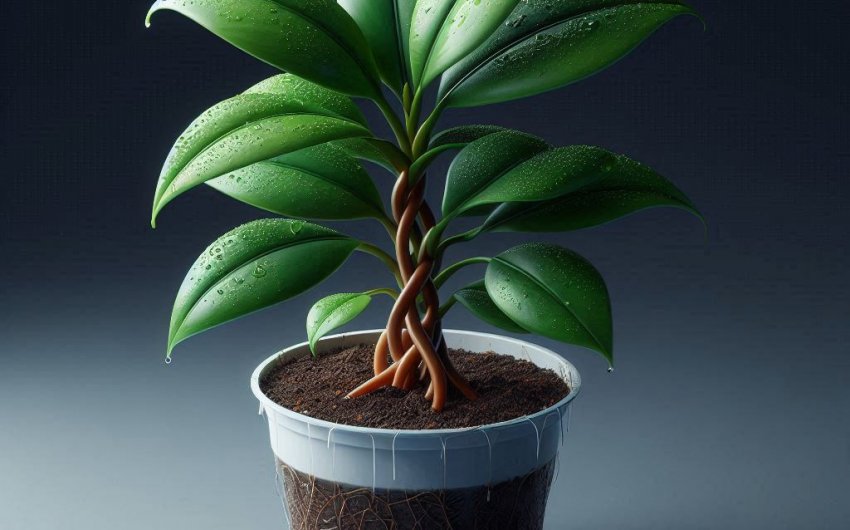
If you're a fan of the super-low-maintenance and striking ZZ plant, you might eventually wonder, "How do I propagate a ZZ plant?" Good news! ZZs are incredibly versatile when it comes to making new plants. While they might test your patience (they're notoriously slow!), their resilient nature means that with a little know-how and time, you can easily turn one healthy ZZ into several new ones. This guide will walk you through the various methods, from leaf cuttings to division, helping you expand your ZZ collection or share its beauty with friends.
Why Propagate a ZZ Plant?
Propagating your ZZ plant is a rewarding experience for several reasons. It's not just about making more plants; it's also a way to rejuvenate an existing plant or simply enjoy the process of growing something new from scratch.
What Are the Benefits of Propagating Your ZZ Plant?
There are several compelling benefits of propagating your ZZ plant:
- Free Plants! The most obvious advantage is that you get more plants without having to buy them. This is especially great if you want to fill more spaces in your home or gift a plant to a friend.
- Rejuvenate an Overgrown Plant: If your ZZ plant has become too large for its space or looks leggy, propagating can be a way to "reset" it. You can take cuttings and start fresh, giving the original plant a lighter load.
- Share with Friends: ZZs make fantastic, easy-care gifts. Propagating allows you to share the joy of plant parenthood.
- Learn and Experiment: Propagation is a fundamental gardening skill. Trying different methods with your ZZ plant is a great way to learn about plant growth and root development.
- Sense of Accomplishment: There's a unique satisfaction in seeing a tiny leaf or stem cutting eventually grow into a full-fledged plant.
Propagating a ZZ plant taps into the rewarding cycle of plant growth and renewal, enriching your indoor garden.
Is Propagation Difficult for ZZ Plants?
The good news is that propagation is not difficult for ZZ plants in terms of technique. They are very forgiving and willing to root. However, there's one key factor that makes them "challenging" for impatient gardeners: their speed.
- Patience is Key: ZZ plants are notoriously slow growers, and this applies to their propagation as well. It can take weeks, or even months, for roots to form, and then many more months for new shoots to emerge from the rhizome. This isn't a fast gratification project.
- High Success Rate: Despite the slowness, the success rate for ZZ plant propagation is generally very high, as long as you follow basic care steps and provide a suitable environment. Their resilient nature means they're not easily discouraged.
So, while you'll need to cultivate patience, the actual steps involved in how to propagate a ZZ plant are straightforward and beginner-friendly.
What Are the Main Ways to Propagate a ZZ Plant?
There are a few effective methods for propagating a ZZ plant, each with its own pros and cons, primarily regarding the time it takes and the potential for a quicker new shoot. We'll focus on leaf cuttings, stem cuttings, and division.
How Do You Propagate a ZZ Plant From a Leaf Cutting?
Propagating a ZZ plant from a leaf cutting is perhaps the most common method, especially if you only have a few leaves to spare (e.g., if one breaks off accidentally). It's incredibly simple, but it requires the most patience.
- Select a Healthy Leaf: Gently twist or cut a healthy, firm leaf from a ZZ stem. Ensure you get the entire leaf, including the very base where it connects to the stem (the petiole). Even just a small piece of the leaf blade can work, but a whole leaf with its petiole is best.
- Allow to Callus: This step is crucial to prevent rot. Lay the leaf cutting in a dry, airy spot for 2-3 days, or even up to a week, until the cut end forms a dry, protective callus. This is similar to how you would prepare succulent cuttings.
- Plant in Soil (Preferred):
- Fill a small pot (2-4 inches) with a well-draining succulent or cactus potting mix.
- Insert the callused end of the leaf about 1/4 to 1/2 inch deep into the soil. You can plant several leaves in one pot, spaced an inch or two apart.
- Watering: Water lightly only when the soil is completely dry. Overwatering will cause the leaf to rot. Misting the surface periodically is often enough in the initial stages.
- Propagate in Water (Optional, but less common for leaves): While possible, leaf cuttings in water are more prone to rot and don't typically grow new shoots as reliably as soil. If you choose this, only submerge the very tip of the callused petiole in water. Change water every few days.
- Patience, Patience, Patience: This is the slowest method. Roots might form in 2-3 months, but the rhizome (the potato-like tuber that stores water) can take 6-9 months or even longer to develop. A new shoot will only emerge once the rhizome is mature enough.
What's the Process for Propagating From a Stem Cutting?
Propagating a ZZ plant from a stem cutting is generally faster than a leaf cutting, as you're starting with more established plant material and often a larger section of the stem where rhizomes can more readily form.
- Choose a Healthy Stem: Select a healthy, mature stem from your ZZ plant. A stem is actually a compound leaf with many leaflets, emerging from the main rhizome.
- Make the Cut: Using clean, sharp pruning shears or a knife, cut the stem just above the soil line or from higher up on the stem. Aim for a cutting that is at least 6-8 inches long and has 2-4 pairs of leaflets.
- Remove Lower Leaflets: Remove the bottom 1-2 pairs of leaflets from the cutting. This exposes the nodes (where leaflets were attached) that will be submerged, encouraging root and rhizome formation.
- Allow to Callus: This step is critical! Lay the stem cutting in a dry, airy spot for 2-5 days (or even up to a week for thicker stems) until the cut end is completely dry and callused over. This prevents rot when placed in water or soil.
- Propagate in Water (Common and Recommended):
- Place the callused stem cutting into a clear glass jar or vase filled with clean water. Ensure the bottom nodes (where you removed leaflets) are submerged, but no leaves are in the water.
- Place in bright, indirect light.
- Change Water Regularly: Change the water every 5-7 days to keep it fresh and oxygenated, preventing bacterial growth.
- Root Development: You should start to see roots form within 4-8 weeks, sometimes longer.
- Planting in Soil: Once the roots are 1-2 inches long, and you see the beginnings of a small rhizome forming at the base, you can transfer it to well-draining potting mix.
- Propagate in Soil (Alternative):
- Insert the callused end of the stem cutting into a small pot filled with well-draining succulent or cactus potting mix. Ensure at least one node is buried.
- Watering: Water lightly only when the soil is completely dry. You can also mist the soil surface occasionally.
- Root and Rhizome Development: This method also requires patience, but rhizomes and roots often develop more robustly in soil. New shoots will emerge when the rhizome is ready.
When Is Division the Fastest Method of Propagation?
Division is by far the fastest method of propagating a ZZ plant and often results in immediate, larger new plants. This method is best when your ZZ plant has become very large, root-bound, or has multiple stems emerging from distinct rhizomes that can be easily separated.
- Remove from Pot: Gently remove the entire ZZ plant from its pot. It might be quite heavy and root-bound. Lay it on a clean surface.
- Inspect Rhizomes: Carefully brush away excess soil to expose the rhizomes (the fleshy, potato-like tubers) and root ball. You'll likely see individual stems emerging from separate rhizomes or clusters of rhizomes.
- Separate Sections: Identify natural divisions where individual stems or clusters of stems can be gently pulled apart from the main plant. Each new section should have its own rhizome(s) and a healthy root system. You can gently tease them apart by hand or, if necessary, use a clean, sharp knife to cut through very tough connections, ensuring each division has roots.
- Pot Up Divisions: Pot each new section into a separate pot (choose a size appropriate for the division, usually 4-6 inches) filled with fresh, well-draining potting mix for ZZ plants.
- Water Lightly: Water lightly after repotting. Since the plant has been disturbed, avoid overwatering, but ensure the soil settles around the roots.
- Immediate Results: Unlike cuttings, divided ZZ plants already have established roots and rhizomes, so they will start producing new shoots much faster, often within a few weeks to a couple of months.
Division is excellent if you want to quickly create larger, established ZZ plants from an existing specimen.
What Are the Key Environmental Needs for Successful ZZ Plant Propagation?
Regardless of the method you choose to propagate a ZZ plant, providing the right environmental conditions significantly increases your chances of success and can even slightly speed up the notoriously slow process.
Why is Warmth Crucial for Root Development?
Warmth is crucial for root development in ZZ plants during propagation. Like many tropical plants, ZZs root best in warm temperatures.
- Ideal Temperature: Aim for consistent temperatures between 70-85°F (21-29°C) for optimal rooting. Cooler temperatures will slow down the process significantly, sometimes to a standstill.
- Heating Mat: If your ambient room temperature is lower, consider placing your cuttings on a plant heating mat. This provides bottom heat, which stimulates root growth.
Consistent warmth encourages faster cell division and metabolic activity necessary for roots and rhizomes to form.
How Does Light Influence Propagation Success?
While ZZs are known for tolerating low light as mature plants, light does influence propagation success.
- Bright, Indirect Light: Place your ZZ plant cuttings in a location that receives bright, indirect light. Avoid direct, harsh sunlight, which can scorch the delicate cuttings or promote algae growth in water.
- Avoid Deep Shade: Too little light will slow down the rooting process even further and may lead to weak root development.
- Grow Lights (Optional): If natural light is limited, a grow light can provide consistent, adequate light, especially beneficial during winter months.
Sufficient light provides the energy the cutting needs to produce new roots and eventually, new growth.
What Role Does Humidity Play in ZZ Plant Cuttings?
While ZZ plants are generally drought-tolerant, some level of humidity can play a supportive role in the initial stages of propagation, particularly for stem and leaf cuttings.
- Creates a Mini-Greenhouse Effect: Slightly higher humidity helps reduce moisture loss from the leaves of the cutting, allowing the plant to focus its energy on root development rather than trying to sustain its foliage.
- How to Provide Humidity (Optional):
- Plastic Bag: You can loosely cover the pot (for soil cuttings) or the top of the container (for water cuttings) with a clear plastic bag or dome, creating a mini-greenhouse effect. Ensure there's still some airflow to prevent fungal issues. Remove for an hour each day.
- Pebble Tray: Place the cutting's container on a pebble tray filled with water. As the water evaporates, it creates localized humidity around the plant.
- Humidifier: In very dry indoor environments, a room humidifier can benefit all your tropical plants, including cuttings.
High humidity isn't strictly necessary for ZZ plants, given their drought-tolerant nature, but it can create a slightly more favorable environment for initial rooting, especially when combined with warmth.
What to Expect After Propagating Your ZZ Plant?
The journey of propagating a ZZ plant doesn't end when roots appear. Understanding the next phases of growth and knowing what to look for will keep you on track to having robust new plants.
How Long Does It Take to See Roots and New Shoots?
This is where the infamous ZZ plant patience is truly tested. How long it takes to see roots and new shoots varies significantly by propagation method and environmental conditions.
- Leaf Cuttings:
- Roots: 2-4 months to see substantial roots.
- Rhizome: 6-12 months or even longer for a good-sized rhizome to form.
- New Shoot: After the rhizome has developed, it can take another 3-6 months for a new stem to emerge from the soil.
- Total Time: 9-18 months (or more) from leaf cutting to new shoot.
- Stem Cuttings:
- Roots: 4-8 weeks to see good root development.
- Rhizome: 2-4 months for a noticeable rhizome to form at the base of the stem.
- New Shoot: Another 1-3 months for a new stem to emerge from the rhizome.
- Total Time: 3-7 months (or more) from stem cutting to new shoot.
- Division:
- New Shoots: This is the fastest. New shoots can emerge from the divided rhizomes within a few weeks to 2-3 months, as the plant already has an established root system.
These are approximate timelines. Warmth, light, and consistency will help keep the process moving. Don't be discouraged if it takes longer; the ZZ plant's motto is slow and steady wins the race.
When Is It Time to Pot Up Your ZZ Plant Cuttings?
For cuttings started in water, knowing when it's time to pot up your ZZ plant cuttings is an important decision.
- Root Size: Wait until the roots are at least 1-2 inches long. They should be robust enough to support the transition to soil.
- Rhizome Development: Ideally, you want to see the beginnings of a small rhizome forming at the base of the cutting. This indicates the plant has stored enough energy for future growth.
- Potting Mix: Use a well-draining, chunky potting mix suitable for ZZ plants, often a succulent/cactus mix or an aroid mix.
- Pot Size: Start with a small pot, usually 4-6 inches, that is just slightly larger than the root ball. Too large a pot holds too much moisture, which can lead to rot.
- Acclimation: After potting, water lightly and place the newly potted cutting in a spot with bright, indirect light. The plant might experience a slight shock as it adjusts from water to soil roots, but it should recover within a few weeks. Avoid overwatering during this period.
What Are Common Problems in ZZ Plant Propagation and How to Avoid Them?
While resilient, ZZ plant propagation isn't entirely without its hitches. Knowing common problems and how to avoid them will improve your success rate. Most issues revolve around water management and patience.
Why Do ZZ Cuttings Sometimes Rot?
Rot is the most common and frustrating problem when propagating ZZ plant cuttings. It usually happens because of too much moisture.
- Insufficient Callusing: If the cut end isn't completely dry and callused before planting in soil or placing in water, bacteria can easily enter and cause rot.
- Avoid: Always allow the cut end to callus for several days in a dry, airy spot.
- Overwatering (in soil): Keeping the soil too wet for too long will suffocate the new roots and rhizome, leading to mushy rot.
- Avoid: Water very sparingly for soil cuttings. Let the soil dry out completely between waterings. Use a soil moisture meter if unsure.
- Stagnant Water (in water): Leaving water unchanged for too long allows bacteria and algae to build up, which can cause roots to become slimy and rot.
- Avoid: Change the water every 5-7 days for water cuttings.
- Cold Temperatures: Cold, wet conditions are a recipe for rot.
- Avoid: Ensure cuttings are in a warm environment (70-85°F). Use a heating mat if needed.
If you notice mushy, black, or smelly parts, remove the cutting, trim off all rotted sections, allow it to re-callus, and try again with better moisture control.
Why Are the Leaves Turning Yellow or Brown on Cuttings?
Yellow or brown leaves on ZZ plant cuttings are usually a sign of stress or issues with water.
- Overwatering/Rot: If the yellowing is accompanied by softness or mushiness, especially at the base of the cutting, it's likely rot due to too much moisture.
- Solution: Check for rot and adjust watering.
- Insufficient Roots/Rhizome: Sometimes, a leaf or stem cutting can't sustain all its foliage if it hasn't developed enough roots or a rhizome to support it. The plant sacrifices older leaves to conserve energy.
- Solution: This is often normal during the very slow rooting process. Don't be alarmed if a few lower leaflets yellow and drop off. Focus on providing ideal conditions for root development.
- Too Much Direct Sun: Harsh direct sunlight can scorch the leaves, turning them yellow or brown.
- Solution: Move cuttings to a spot with bright, indirect light.
Patience and consistent, appropriate care are your best tools for successful ZZ plant propagation. While it takes time, the reward of seeing new, independent ZZ plants emerge is well worth the wait.