
Can Aloe Vera Survive Indoors with Low Light?
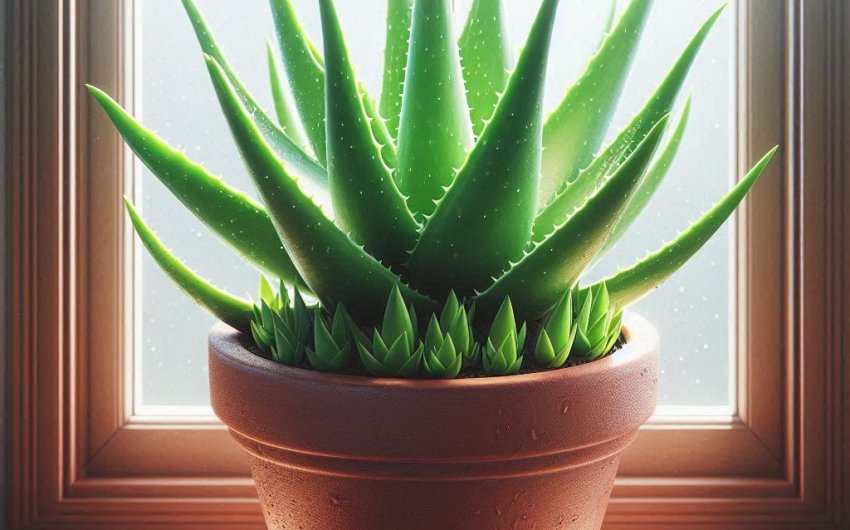
A common query for indoor plant enthusiasts, particularly those with less-than-bright living spaces, is whether can Aloe Vera survive indoors with low light. While Aloe vera is famously resilient and relatively easy to care for, its origins in arid, sunny climates suggest a strong preference for ample illumination. The truth is, while an Aloe plant might endure in dimly lit conditions for a period, true thriving, robust growth, and the development of potent medicinal gel depend heavily on sufficient light exposure. Understanding the plant's natural habitat and its physiological needs reveals why low-light environments are far from ideal for this succulent.
What Are Aloe Vera's Natural Light Requirements?
To understand how Aloe vera performs in low-light conditions, it's essential to first grasp its native environment and the significant amount of sunlight it naturally receives.
Originating from Sunny, Arid Climates
Aloe vera is a succulent plant native to the Arabian Peninsula, particularly regions like Oman and Yemen, and has been naturalized across North Africa, the Middle East, and parts of the Mediterranean. These are areas characterized by sunny, arid, or semi-arid climates. In its natural habitat, Aloe vera typically grows in full sun or bright, indirect light for the majority of the day. It is accustomed to intense sunlight, warm temperatures, and well-drained, often rocky, soils. This background is critical because a plant's natural environment dictates its physiological adaptations and, consequently, its ideal growing conditions.
Photosynthesis and Energy Production
Like all plants, Aloe vera relies on photosynthesis to convert light energy into chemical energy (sugars) for growth, maintenance, and the production of its characteristic gel. The more efficient the photosynthesis, the healthier and more robust the plant.
- Chlorophyll: The green pigment in Aloe leaves, chlorophyll, is responsible for absorbing light. Adequate light ensures sufficient chlorophyll production and active photosynthesis.
- Energy for Growth: Ample light provides the energy needed for new leaf development, root growth, and the production of new plantlets (pups).
- Gel Production: Crucially, the healing and beneficial compounds within the Aloe vera gel are products of the plant's metabolic processes, which are powered by photosynthesis. A plant that isn't photosynthesizing effectively due to low light will produce weaker, less potent gel.
How Aloe Vera Adapts to Bright Light
Aloe vera has evolved several adaptations to thrive in bright, sunny conditions:
- Fleshy Leaves: Its thick, fleshy leaves are designed to store water, allowing it to withstand long periods between rainfall. This water storage is directly supported by its ability to photosynthesize efficiently and produce sugars for energy.
- Crassulacean Acid Metabolism (CAM): Aloe vera is a CAM plant. This means it opens its stomata (pores) at night to take in carbon dioxide and closes them during the day to minimize water loss through transpiration. This water-saving adaptation is highly efficient but still requires adequate light during the day for the photosynthetic reactions to occur.
- Protective Pigments: In very intense sun, Aloe vera leaves may develop a reddish or brownish tint. This is a natural sun stress response, where the plant produces protective pigments (anthocyanins) to shield its chlorophyll from excessive UV radiation, much like a plant's equivalent of sunscreen. This indicates that the plant prefers and can handle bright conditions.
In summary, Aloe vera is inherently a sun-loving plant. While it might tolerate less than ideal light for a period, optimal growth, health, and medicinal efficacy are directly tied to abundant light exposure, mimicking its arid native home.
What Happens to Aloe Vera in Low Light?
Placing an Aloe vera plant in an environment with insufficient light can lead to a range of negative consequences, impacting its growth, health, and ultimately, its survival. These changes are often collectively referred to as etiolation or stretching.
Etiolation (Stretching): Long, Pale, and Weak Growth
The most noticeable effect of low light on Aloe vera is etiolation, or stretching.
- Leggy Appearance: Instead of growing compact, upright, and symmetrical, the leaves become unnaturally long, thin, and stretched out as the plant desperately reaches towards any available light source.
- Pale Color: The vibrant green color of healthy Aloe leaves fades, often turning a pale green, yellowish, or even a sickly whitish-green. This is due to reduced chlorophyll production.
- Weak Structure: Stretched leaves are weaker, more brittle, and prone to bending or breaking. The entire plant can become structurally unstable.
- Reduced Gel Potency: The plant focuses its limited energy on elongating its leaves to find light, rather than on producing and concentrating the beneficial compounds in its gel. The gel in etiolated leaves will be watery and far less potent.
Stunted Growth and Lack of New Pups
In low light, Aloe vera plants often exhibit stunted growth. The overall size of the plant remains small, and new leaf production slows significantly or stops altogether. Additionally, the plant will rarely, if ever, produce new pups (offsets or baby plants) when deprived of adequate light. Pups are a sign of a healthy, thriving Aloe, and their absence indicates the plant is struggling to even sustain its existing structure.
Increased Susceptibility to Overwatering and Rot
Paradoxically, even though Aloe vera is a succulent, low light significantly increases its susceptibility to overwatering and rot.
- Reduced Water Uptake: In low light, the plant's metabolic rate slows down dramatically. It photosynthesizes less, which means it uses less water.
- Slower Drying Soil: Soil in low-light conditions also takes much longer to dry out compared to brightly lit areas where warmth and light contribute to evaporation.
- Root Rot Risk: When the soil stays wet for too long, the roots of the Aloe vera plant (which are adapted to dry conditions) begin to suffocate and rot. Root rot is a common killer of indoor succulents, and low light is a major contributing factor. The plant may appear wilted or yellow, seemingly from thirst, but the cause is actually rotting roots that can no longer absorb water.
Weakened Medicinal Properties
The primary reason many people grow Aloe vera is for its renowned medicinal gel. However, a plant grown in low light will have weakened medicinal properties.
- Reduced Bioactive Compounds: The concentration of bioactive compounds (polysaccharides, antioxidants, vitamins, and minerals) in the gel is directly linked to the plant's overall health and vigorous growth.
- Watery Gel: Gel from a stressed, light-deprived plant will be thin, watery, and contain far fewer beneficial components, making it less effective for topical applications or consumption.
In essence, while an Aloe vera plant might technically "survive" in low light for a time, it will not thrive, will look unhealthy, and will fail to provide the plump, potent gel for which it is valued. Survival in this context means simply staying alive, not flourishing.
What Are the Best Light Conditions for Aloe Vera Indoors?
To truly see your Aloe vera thrive indoors, you need to replicate its natural sunny environment as closely as possible. This means aiming for specific light conditions and locations.
Bright, Indirect Light is Ideal
The optimal light condition for indoor Aloe vera is bright, indirect light.
- Definition: This means the plant receives plenty of bright light throughout the day, but it is shielded from the harsh intensity of direct, unfiltered sun, especially during the hottest parts of the afternoon.
- Why it's Best: Bright indirect light provides sufficient energy for robust photosynthesis without the risk of scorching the leaves, which can happen with direct afternoon sun, especially if the plant is not acclimated. It promotes compact, healthy growth and vibrant green color.
Optimal Window Placements
Choosing the right window is crucial for providing bright, indirect light.
South-Facing Window (with a Sheer Curtain)
A south-facing window generally provides the most intense and prolonged light exposure throughout the day in the Northern Hemisphere.
- Ideal for Winter: This is often the best spot during the shorter, weaker light days of winter.
- Summer Caution: During summer, the intensity of a south-facing window can be too much and cause leaf scorching. In this case, either pull the plant back a few feet from the window or use a sheer curtain to filter the light.
East-Facing Window
An east-facing window receives direct morning sun, which is typically gentler and less intense than afternoon sun.
- Excellent Choice: This is an excellent location for Aloe vera as it provides a good burst of essential direct light without the risk of overheating or scorching. The plant then enjoys indirect bright light for the rest of the day.
West-Facing Window (with Caution)
A west-facing window receives direct afternoon sun, which can be very intense and hot.
- Requires Acclimation/Protection: If you place an Aloe vera here, gradually acclimate it to the light to prevent burning. You may also need to pull it back from the window or use a sheer curtain during the hottest summer months to filter the most intense rays.
- Good for Winter: Like south-facing, a west-facing window can be beneficial during winter when sunlight is less intense.
North-Facing Window (Generally Insufficient)
A north-facing window typically provides the lowest light levels, offering mostly indirect or ambient light.
- Usually Insufficient: This is generally not enough light for Aloe vera to thrive and will often lead to the symptoms of etiolation and stunted growth. While it might survive here, it will not be healthy or produce potent gel.
What Does "Bright Indirect Light" Look Like?
To assess the light in a spot:
- Shadow Test: Place your hand about a foot above the spot where the plant would sit. If you see a distinct, somewhat blurry shadow, it's bright indirect light. If the shadow is sharp and clear, it's direct sun. If there's barely a shadow, it's low light.
- Light Meter: For serious enthusiasts, a Light Meter for Plants can provide precise readings (Aloe vera thrives with at least 5000-10,000 lux, or 500-1000 foot-candles, of light daily).
Supplementing Light with Grow Lights
If you truly lack adequate natural light in your home, supplemental lighting with a grow light is the best solution for healthy Aloe vera plants.
- LED Grow Lights: Modern LED grow lights are energy-efficient and provide the full spectrum of light plants need.
- Placement: Position the grow light a few inches to a foot above the plant, ensuring it receives 12-16 hours of artificial light per day.
- Example: A GE LED Grow Light Bulb can fit into a standard lamp fixture.
By providing ample bright, indirect light, you are giving your Aloe vera the fundamental energy it needs to grow into a robust, beautiful plant with potent, healing gel.
How Do You Care for Aloe Vera in Less-Than-Ideal Light (and how to tell if it's struggling)?
While optimal light is best, sometimes you might have to work with less. Understanding how to adapt care and recognize distress signals is key to managing Aloe vera in challenging light conditions.
Adapting Care Strategies
If your Aloe vera must endure less-than-ideal light, you need to adjust other care practices to compensate and minimize stress.
Drastically Reduce Watering Frequency
This is the most crucial adjustment. In low light, Aloe vera uses significantly less water, and the soil takes much longer to dry out.
- Allow Soil to Dry Completely: Wait until the potting mix is completely dry all the way through the pot before watering again. This might mean watering only once every 3-4 weeks, or even less frequently, especially in winter.
- Check Moisture Deeply: Use a wooden skewer or stick inserted to the bottom of the pot. If it comes out dry, it's time to water. A Soil Moisture Meter can also be helpful.
- Avoid Standing Water: Ensure the pot has excellent drainage holes, and never let the plant sit in standing water in a saucer.
Provide Excellent Drainage
Regardless of light, excellent drainage is always vital for Aloe vera.
- Right Potting Mix: Use a specialized succulent or cactus potting mix, or amend regular potting mix with plenty of perlite, coarse sand, or pumice. This mix allows water to drain quickly and provides aeration to the roots. A Miracle-Gro Cactus, Palm & Citrus Potting Mix is designed for this.
- Drainage Holes: Ensure your pot has ample drainage holes at the bottom.
Limit Fertilization
In low light, the plant's growth is inherently slowed.
- No or Minimal Fertilizer: Do not fertilize an Aloe vera plant that is in low light, as it cannot utilize the nutrients effectively, and they can build up and burn the roots. If you must, use a very diluted succulent fertilizer (quarter-strength) only once during its active growing season (spring/summer) and only if the plant shows signs of new, albeit etiolated, growth.
Pruning and Propagation (Limited)
While pruning can shape an Aloe, if it's etiolated from low light, cutting back won't fix the underlying issue. Propagation of healthy pups (if they appear, which is rare in low light) should still follow standard methods.
Recognizing Signs of Distress Due to Low Light
Your Aloe vera plant will communicate its unhappiness in low light through various visible signs. Learning to interpret these signals is crucial for intervention.
1. Leggy and Stretched Out Growth (Etiolation)
- Appearance: Leaves are unusually long, thin, and spaced far apart on the stem (if a stem is visible). The plant appears "reaching" for light.
- Significance: This is the clearest indicator of insufficient light. The plant is desperately trying to maximize its surface area to capture more light.
2. Pale Green or Yellowing Leaves
- Appearance: The characteristic vibrant green color of Aloe vera fades to a dull, pale green, yellow, or even whitish hue.
- Significance: This indicates a lack of chlorophyll production, which is directly tied to inadequate light. The plant can't efficiently photosynthesize.
3. Droopy or Floppy Leaves
- Appearance: Leaves that are usually upright and stiff become soft, limp, and droop downwards.
- Significance: This can be a sign of both overwatering (root rot) or severe underwatering. In a low-light context, it's very often a symptom of root rot because the soil stays wet for too long, suffocating the roots. If the leaves are also pale and stretched, low light is likely contributing to the root rot.
4. Stunted Growth and No New Pups
- Appearance: The plant barely grows, new leaves are small or absent, and it produces no offsets (baby plants or pups).
- Significance: The plant simply doesn't have enough energy from photosynthesis to fuel robust growth or reproduction.
5. Soft, Mushy Base of the Plant (Root Rot)
- Appearance: The lower leaves or the base of the plant stem turn soft, mushy, black, or brown.
- Significance: This is a definitive sign of root rot, often caused by persistently wet soil. In a low-light setting, this risk is significantly heightened due to reduced water usage by the plant. If you see this, it's critical to act immediately: remove the plant from the pot, trim away all rotten (mushy, smelly) roots, allow the cuts to callus for a few days, and repot in fresh, dry succulent mix. Do not water for a week or two.
If your Aloe vera exhibits these signs, the best solution is to gradually move it to a brighter location or provide supplemental grow lights. Gradual acclimation is important to prevent shocking or burning leaves that are not accustomed to intense light.
What Are the Best Practices for Growing Aloe Vera Indoors?
To ensure your Aloe vera thrives indoors, even if you can't offer perfect sunlight all the time, adhering to fundamental care practices is essential.
1. Provide Ample Bright, Indirect Light
As repeatedly emphasized, this is the single most important factor.
- Window Placement: Aim for an east or south-facing window. If south, use a sheer curtain during intense summer afternoons.
- Rotate: Turn your plant regularly (every few weeks) to ensure all sides receive even light exposure, preventing one-sided growth.
- Grow Lights: If natural light is insufficient, invest in a grow light. This is the only way to genuinely compensate for low natural light and promote healthy growth. An LED Plant Grow Light is energy-efficient and effective.
2. Use the Right Potting Mix
The correct soil is crucial for Aloe's water drainage needs.
- Cactus/Succulent Mix: Always use a well-draining potting mix specifically formulated for cacti and succulents. This mix typically contains a good amount of perlite, pumice, or coarse sand to ensure rapid drainage.
- DIY Mix: You can create your own by mixing equal parts regular potting soil, perlite, and coarse sand.
- Avoid Garden Soil: Never use garden soil, as it compacts in pots and retains too much moisture. A 2-pack of Sun Gro Black Gold Cactus Mix will provide ample, appropriate soil.
3. Choose a Pot with Excellent Drainage
Drainage is non-negotiable.
- Drainage Holes: Always use a pot with drainage holes at the bottom. A pot without drainage holes is a death sentence for an Aloe vera plant.
- Material: Terra cotta pots are often preferred as they are porous and allow excess moisture to evaporate through their walls, which can be beneficial for succulents. Plastic pots are also fine, but you'll need to be more vigilant about watering frequency.
4. Water Correctly (Deeply, Infrequently)
Mastering watering is paramount.
- Thorough Soaking: When you water, water thoroughly until you see water draining from the bottom holes.
- Dry Between Waterings: Allow the soil to become completely dry throughout the pot before watering again. This can mean waiting weeks, or even a month or more, depending on your climate, humidity, pot size, and light levels. Err on the side of underwatering rather than overwatering.
- Winter Reduction: Reduce watering even further during the cooler, darker winter months when the plant is less active.
5. Fertilize Sparingly (If at All)
Aloe vera plants are not heavy feeders.
- Rarely Needed: Fertilization is usually only needed for established, actively growing plants, and even then, very sparingly.
- Diluted Formula: If you choose to fertilize, use a balanced, liquid houseplant or succulent fertilizer diluted to half or quarter strength, applied once or twice during the active growing season (spring/summer). Never fertilize a dormant, stressed, or newly repotted plant.
6. Repotting Pups and Refreshing Soil
- Pups (Offsets): When your Aloe vera produces pups, you can carefully separate them from the mother plant once they are a few inches tall and have their own root system. This helps the mother plant thrive and gives you new plants.
- Repotting: Repot your Aloe vera every 2-3 years, or when it becomes root-bound, to refresh the potting mix and provide more space for growth. Choose a pot that is only one size larger than the previous one. The best time to repot is in spring or early summer.
7. Monitor for Pests and Diseases
Aloe vera is generally robust, but some issues can arise.
- Mealybugs/Scale: These can sometimes appear, especially on stressed plants. Treat with rubbing alcohol on a cotton swab or insecticidal soap.
- Fungal Rot: Almost always caused by overwatering or poor drainage. The solution is prevention: correct watering and proper soil/pot.
By providing consistent, bright, indirect light and adhering to these fundamental care principles, you will ensure your Aloe vera plant not only survives indoors but truly thrives, yielding robust, healthy leaves and potent gel.