
What Are the Common Pests That Affect Spider Plants?
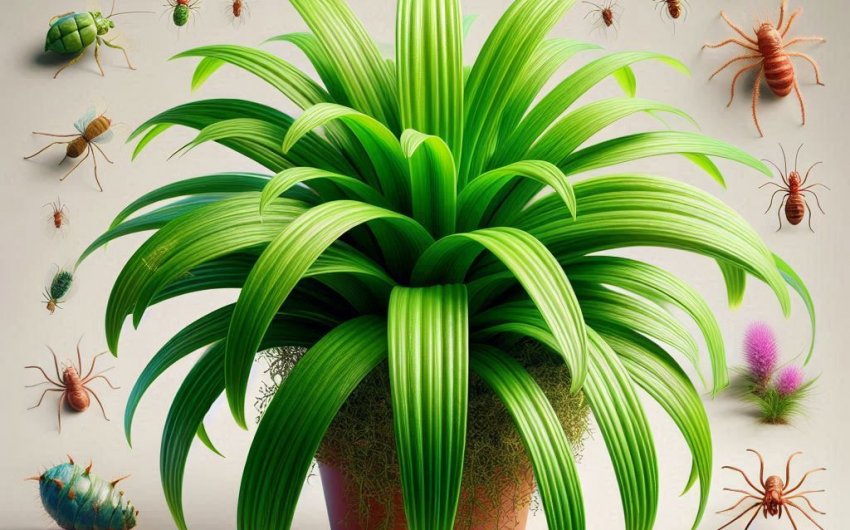
Spider plants are beloved houseplants for their easy-going nature, air-purifying qualities, and charming "spiderettes" that trail gracefully. They're often hailed as beginner-friendly plants, and for good reason—they're quite resilient. However, even the toughest plants aren't entirely immune to unwanted visitors. If you're seeing your normally vibrant spider plant look a little less lively, you might be wondering, "What are the common pests that affect spider plants?" While spider plants are generally resistant, a few persistent culprits can occasionally show up, making it important to know how to identify and treat them to keep your green friend thriving.
What Makes Spider Plants Susceptible to Pests?
While relatively tough, no houseplant is completely pest-proof. Understanding what makes spider plants susceptible to pests can help you recognize potential vulnerabilities and take proactive measures to protect them. Often, it comes down to environmental stress or the introduction of new, infested plants.
What Environmental Factors Attract Pests to Spider Plants?
Certain environmental factors can make your spider plant more appealing to pests or weaken its natural defenses, turning it into an easier target.
- Low Humidity: Spider plants (and many common houseplants) prefer moderate to high humidity. In dry indoor environments, especially during winter with heating systems running, the lack of humidity can stress the plant. Stressed plants are more vulnerable to pests like spider mites, which thrive in dry conditions. You might notice crispy leaf tips on your spider plant, which is often a sign of low humidity. A humidifier can help increase ambient humidity.
- Overwatering or Underwatering: Both extremes of watering can stress a spider plant.
- Overwatering: Leads to soggy soil, which can cause root rot. A weakened root system can't properly deliver water and nutrients to the foliage, making the plant weak and susceptible to pests that target stressed plants.
- Underwatering: Causes drought stress, making the plant brittle and less able to fend off invaders.
- Poor Air Circulation: Stagnant air, especially in a crowded plant collection, can create a humid, warm environment around leaves that some pests (and diseases) prefer. It also prevents foliage from drying quickly after misting or watering, which can be an issue.
- Nutrient Deficiencies or Excesses: A plant that isn't getting the right balance of nutrients (either too little or too much fertilizer) can become weak and more attractive to pests.
- Lack of Inspection: The most common way pests get established is simply by going unnoticed. If you're not regularly checking your plant, a minor infestation can become a major problem.
A healthy, happy spider plant in its preferred environment is your first and best defense against pests.
How Do Pests Get Introduced to Your Spider Plant?
Even if your spider plant is in perfect health, pests can get introduced into your home through various unsuspecting ways.
- New Plants: This is by far the most common culprit. A new plant from a nursery, garden center, or even a friend can unknowingly harbor pests. They hide on leaves, in the soil, or on stems. Always inspect new plants thoroughly before bringing them into your home, and consider quarantining them for a few weeks in a separate room.
- Contaminated Potting Mix: Less common, but some cheap or unsterilized potting mixes can contain pest eggs or larvae. Using a reputable indoor potting mix from a trusted brand reduces this risk.
- Outdoor Exposure: If you move your spider plant outdoors for the summer, it's exposed to a wider range of outdoor pests. Always inspect it carefully before bringing it back inside for the colder months.
- Open Doors/Windows: Occasionally, outdoor pests can wander or fly in through open doors or windows, though this is less frequent for common houseplant pests.
- Clothing/Pets: While rare, you could unknowingly transfer pests from one infested plant to another via your hands, clothing, or even a pet brushing against an infested plant.
Being aware of these entry points allows you to be more vigilant and prevent infestations before they begin.
What Are the Most Common Pests That Affect Spider Plants?
Despite their hardiness, there are a few common pests that affect spider plants. Knowing what to look for and how to act quickly is key to protecting your beloved plant. These sap-sucking insects are the most frequent culprits.
1. How Do You Identify and Treat Spider Mites on Spider Plants?
Spider mites are tiny, reddish-brown or yellowish pests that are notoriously difficult to spot with the naked eye until an infestation is quite advanced. They thrive in dry, warm conditions, making indoor environments, especially in winter, prime targets.
- Identification:
- Tiny Specks: Look for very fine, tiny red or black specks on the undersides of leaves.
- Yellow Stippling: Small, pin-prick sized yellow or white dots (stippling) on the upper surface of leaves. This is where they have sucked out chlorophyll.
- Fine Webbing: In severe infestations, you'll see delicate, fine webbing, often near where the leaves meet the stem or between leaf blades, resembling tiny spiderwebs.
- Overall Dullness: The plant may look dusty, dull, or generally unhealthy.
- Treatment:
- Isolate: Immediately move the infested spider plant away from other plants.
- Hose Down: Take the plant to a sink or shower and thoroughly spray it with a strong stream of lukewarm water. Focus on the undersides of leaves and all crevices to dislodge as many mites as possible.
- Wipe Leaves: Wipe down all leaves (top and bottom) with a damp cloth to remove mites and webbing.
- Insecticidal Soap: Apply a natural insecticidal soap spray to all parts of the plant, ensuring complete coverage. Follow product instructions carefully.
- Neem Oil: A neem oil spray is another effective organic treatment. It works by disrupting mite feeding and reproduction.
- Repeat: Spider mites reproduce quickly. Repeat treatment every 5-7 days for at least 2-3 weeks to target newly hatched mites.
- Prevention: Increase humidity around your spider plant (misting, pebble trays, or a humidifier). Regularly wipe down leaves to remove dust and disrupt any budding mite populations.
2. How Do You Identify and Treat Mealybugs on Spider Plants?
Mealybugs are soft-bodied insects covered in a white, cottony, waxy substance, making them look like tiny bits of cotton or fuzz. They tend to hide in leaf axils (where leaves meet stems) and on the undersides of leaves.
- Identification:
- White Cottony Masses: The most obvious sign is small, fluffy, white masses, especially where leaves meet the main stem or along the leaf veins.
- Sticky Residue (Honeydew): They excrete a clear, sticky substance called honeydew, which can make leaves feel tacky and attract sooty mold (a black fungus).
- Stunted Growth/Yellowing: Affected areas may show yellowing, distorted growth, or appear stunted as the mealybugs suck out plant sap.
- Treatment:
- Isolate: Separate the infested plant immediately.
- Manual Removal: For light infestations, dip a cotton swab in rubbing alcohol and gently wipe away all visible mealybugs and their cottony residue. Check all crevices thoroughly.
- Hose Down: If the plant is small enough, you can spray it with a strong stream of water to dislodge them.
- Insecticidal Soap/Neem Oil: Apply an insecticidal soap spray or neem oil spray, ensuring it reaches all the nooks and crannies where mealybugs hide.
- Repeat: Repeat treatments every 7-10 days for several weeks, as mealybug eggs are often hidden and will hatch.
- Prevention: Inspect new plants very carefully. Regularly check leaf axils and undersides of leaves, especially when watering.
3. How Do You Identify and Treat Aphids on Spider Plants?
Aphids are small, soft-bodied insects, often green, black, white, or reddish, that tend to cluster on new, tender growth and the undersides of leaves.
- Identification:
- Visible Insects: You'll see tiny, pear-shaped insects, often clustered together.
- Distorted New Growth: New leaves may appear curled, stunted, or misshapen.
- Sticky Residue (Honeydew): Like mealybugs, aphids excrete honeydew, leading to sticky leaves and potentially sooty mold.
- Treatment:
- Isolate: Move the infested plant away from others.
- Physical Removal: For light infestations, you can often just squish them with your fingers, or blast them off with a strong stream of water.
- Insecticidal Soap/Neem Oil: Spray with insecticidal soap or neem oil, ensuring thorough coverage of all affected areas, especially new growth and leaf undersides.
- Repeat: Reapply every 5-7 days for a couple of weeks to catch any newly hatched aphids.
- Prevention: Regularly inspect new growth. Healthy plants are generally more resistant.
4. How Do You Identify and Treat Fungus Gnats on Spider Plants?
Fungus gnats are tiny, black, mosquito-like flies that typically hover around the soil surface of houseplants. While the adult flies are mostly a nuisance, their larvae live in the soil and feed on decaying organic matter, and sometimes on delicate plant roots, especially in overwatered conditions.
- Identification:
- Small Black Flies: You'll see tiny flying insects, often when you water or disturb the soil.
- Larvae in Soil: In severe cases, you might see tiny, clearish-white worm-like larvae in the top layer of moist soil.
- Weakened Plant: While adults don't directly harm the plant, severe larval infestations can damage roots, leading to yellowing or stunted growth, especially in young spider plant babies (spiderettes).
- Treatment:
- Address Overwatering: This is the most crucial step. Fungus gnats thrive in constantly moist soil. Let the soil dry out completely between waterings. This alone often breaks their life cycle.
- Sticky Traps: Place yellow sticky traps near the plant to catch adult flies, reducing their ability to lay more eggs.
- Neem Oil Soil Drench: Mix neem oil concentrate according to instructions and use it to water the plant. Neem oil works on the larvae in the soil.
- BTI (Bacillus thuringiensis israelensis): Use a product containing BTI, like Mosquito Bits, which can be sprinkled on top of the soil or soaked in water before watering. BTI is a natural bacterium that targets gnat larvae.
- Bottom Watering: Temporarily switch to bottom watering to keep the top layer of soil dry, making it less attractive for adult gnats to lay eggs.
- Prevention: Avoid overwatering. Use well-draining potting mix. Inspect any new potting mix for signs of gnats before use.
What Are General Strategies for Pest Prevention and Management?
Beyond specific treatments for individual pests, there are several general strategies for pest prevention and management that apply to spider plants and most other houseplants. Being proactive is always better than reacting to a full-blown infestation.
Why Is Regular Inspection the Best Defense?
Regular inspection of your spider plant is truly the best defense against any pest infestation. Pests are much easier to control when their numbers are small.
- Frequency: Aim to inspect your plants at least once a week, preferably when you water them.
- Thoroughness: Don't just glance at the top.
- Look closely at the undersides of leaves.
- Check where leaves meet stems (axils).
- Examine new growth carefully.
- Look at the soil surface and around the rim of the pot.
- Know Your Plant: Learn what healthy spider plant leaves and roots look like so you can quickly spot anything out of the ordinary.
- Tools: A small magnifying glass can be invaluable for spotting tiny pests like spider mites.
Catching pests early allows for quick, targeted treatment and prevents widespread infestations that can be much harder to control.
How Does Quarantining New Plants Help?
Quarantining new plants is a simple yet crucial step that helps prevent pests from entering your home and spreading to your existing collection.
- Purpose: The idea is to isolate any potential hitchhikers on a new plant before they can jump to your other houseplants.
- Procedure:
- When you bring a new spider plant (or any new houseplant) home, place it in a separate room or a secluded area away from your other plants.
- Keep it isolated for at least 2-4 weeks.
- During this time, inspect it frequently for any signs of pests (daily if possible for the first few days).
- If you spot pests, treat the new plant thoroughly before introducing it to your main collection.
- Don't Skip This Step: It's tempting to put a pretty new plant right in its spot, but this is how many infestations begin.
What Role Does Proper Watering and Humidity Play?
As mentioned earlier, proper watering and humidity are critical environmental factors that directly influence your spider plant's resilience to pests.
- Avoid Overwatering: Let the top 1-2 inches of soil dry out between waterings. Use a well-draining potting mix and a pot with drainage holes to prevent soggy conditions that stress roots and attract fungus gnats.
- Increase Humidity: Spider mites despise humidity. You can increase humidity around your spider plant by:
- Misting: Regularly misting the leaves with distilled or filtered water. A plant mister works well.
- Pebble Trays: Place the pot on a pebble tray filled with water, ensuring the bottom of the pot doesn't sit directly in the water.
- Grouping Plants: Grouping plants together can create a microclimate of higher humidity.
- Humidifier: For very dry homes, a room humidifier is the most effective solution.
By ensuring your spider plant receives optimal care regarding water and humidity, you're not just making it look better; you're actively strengthening its natural defenses against common pests.