
What Kind of Light Does a Philodendron Need?
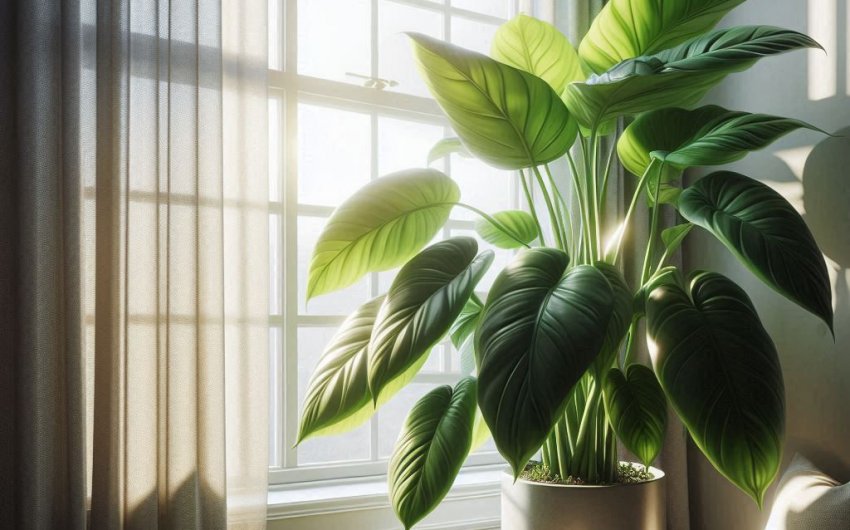
The philodendron is a beloved staple in homes and offices around the world, and it's easy to see why. With its lush, often heart-shaped leaves and gracefully trailing or upright growth habits, it adds a touch of vibrant green and natural elegance to any indoor space. What's more, these versatile plants are often touted as being incredibly easy to care for, making them a popular choice for both seasoned plant parents and those just starting their indoor garden journey.
However, even the hardiest of houseplants have specific needs, and the type of light a philodendron needs is perhaps the most crucial factor in its health and growth. While they can tolerate a range of conditions, providing the right light will unlock their full potential, leading to more vigorous growth, bigger leaves, and that unmistakable verdant glow. Understanding the nuances of philodendron light requirements is the key to transforming a surviving plant into a truly thriving, show-stopping specimen. Let's delve into the fascinating world of light and learn how to position your philodendron for optimal happiness.
What is "Bright, Indirect Light" for Philodendrons?
When you read about philodendron light requirements, the phrase "bright, indirect light" comes up almost universally. This is the sweet spot for most philodendron varieties. But what exactly does that mean in a practical sense for your home?
What Does "Bright" Mean?
"Bright" refers to the intensity of the light, but without the harshness of direct sun. Imagine a brightly lit room where you can easily read a book without needing an extra lamp, but where the sunlight isn't directly hitting the page and causing glare.
For a philodendron, bright means:
- No shadows, or very soft, blurry shadows: If you hold your hand over the plant's leaves in the intended spot, you shouldn't see a sharp, dark shadow. Instead, the shadow should be faint and ill-defined.
- Lots of ambient light: The room should feel naturally well-lit throughout the day, even on cloudy days.
Think of the jungle floor, where philodendrons often grow. They get a lot of light, but it's filtered through the canopy of taller trees, preventing harsh, direct sun exposure. That's the intensity you're aiming for.
What Does "Indirect" Mean?
"Indirect" is the crucial part that distinguishes it from direct sunlight. It means the sun's rays do not directly hit the leaves of the plant.
- Filtered Light: The light should be diffused, scattered, or filtered before it reaches the plant. This could be naturally filtered by sheer curtains, blinds, or by being placed further away from a window.
- No Direct Sunbeams: If you see clear, defined sunbeams falling directly onto your philodendron's leaves for more than an hour or two, that's considered direct light, and it can be harmful.
The combination of "bright" and "indirect" creates an environment where the plant receives plenty of energy for photosynthesis (the process plants use to convert light into food) without the risk of scorching its delicate leaves.
Where Are the Best Locations in My Home?
Knowing the definition, where are the practical spots in your home that offer this elusive bright, indirect light?
- North-Facing Window: This is often the safest bet. North-facing windows provide consistent, soft, indirect light throughout the day, without any harsh direct sun. It's usually the perfect spot for philodendrons.
- East-Facing Window: An east-facing window is also an excellent choice because it offers gentle, direct morning sun (which is less intense) for a few hours, followed by bright, indirect light for the rest of the day. The morning sun usually isn't strong enough to harm philodendron leaves.
- South or West-Facing Window (with modifications): These windows receive the most intense, direct sunlight, especially in the afternoon. If these are your only options, you'll need to diffuse the light.
- Sheer Curtains: Hang a sheer curtain or blind to filter the harsh direct rays.
- Set Back from Window: Place your philodendron several feet back from the window, so it receives bright ambient light but not direct sunbeams. The further back, the less intense the light will be.
- Reflected Light: Sometimes, light can bounce off a light-colored wall and indirectly illuminate the plant, even if it's not near a window.
Observe your space throughout the day. The ideal spot will have consistent bright ambient light without any harsh, direct sun.
What Are the Signs of Too Much or Too Little Light?
Your philodendron will communicate its light needs through its appearance. Knowing the signs of distress due to improper light levels is key to quickly adjusting its placement and keeping it healthy.
What Happens with Too Much Light?
While philodendrons appreciate brightness, too much direct, intense light can actually harm them. This is often the case with prolonged exposure to harsh afternoon sun from a south or west-facing window without any filtering.
Signs of too much light include:
- Yellowing or Pale Leaves: Leaves that are evenly yellowing, especially new growth, can be a sign of too much light. The vibrant green can fade.
- Scorched or Brown Patches: These often appear as crispy, dry, brown spots or patches directly on the leaves where the sun's rays have concentrated, similar to a sunburn.
- Bleached-Out Appearance: The leaves might look washed out or faded, losing their rich green color. Variegated varieties might lose their colorful patterns and turn a dull greenish-white.
- Stunted Growth or Slow Growth: While it seems counterintuitive, too much light can stress the plant, causing it to shut down growth to conserve energy.
- Leaves Curling Inward or Drooping: The plant might attempt to protect itself from excessive light by curling its leaves or drooping them downwards to reduce the surface area exposed to the sun.
If you see these symptoms, move your philodendron to a less intense light spot immediately.
What Happens with Too Little Light?
Insufficient light is also a common problem for philodendrons, especially when they are placed in very dark corners or rooms with only small windows. While they tolerate low light better than many plants, they won't thrive.
Signs of too little light include:
- Leggy or Stretched Growth: The most common sign. Stems will become long and stretched out with widely spaced leaves, as the plant reaches and "stretches" towards any available light source. This makes the plant look sparse and unhealthy.
- Smaller Leaves: New leaves will be noticeably smaller than older leaves. The plant is trying to conserve energy by producing less leaf tissue.
- Lack of New Growth: The plant simply stops producing new leaves or grows very, very slowly.
- Yellowing and Dropping of Lower Leaves: Older, lower leaves might turn yellow and drop off, as the plant conserves energy for the new, struggling growth.
- Dull or Darker Green Color: The vibrant green might become a dull, deeper green as the plant produces more chlorophyll to try and capture more light.
- Loss of Variegation: If you have a variegated philodendron (like 'Brazil' or 'Pink Princess'), the colored parts of the leaves might fade or disappear entirely, reverting to solid green. This is because the plant prioritizes producing chlorophyll for photosynthesis in low light.
If your philodendron is showing these signs, move it to a brighter location. You might consider supplementing with a plant grow light if natural light is consistently too low.
Do Different Philodendron Varieties Have Different Light Needs?
The genus Philodendron is vast, with hundreds of species and cultivars. While most share a general preference for bright, indirect light, there are some subtle differences, especially concerning variegated varieties and the distinction between vining and upright types.
Do Variegated Philodendrons Need More Light?
Yes, generally, variegated philodendrons (those with multiple colors in their leaves, like white, pink, or yellow sections) typically need more light than their all-green counterparts.
- Why? The colored parts of variegated leaves (white, pink, yellow) lack chlorophyll, which is the green pigment responsible for photosynthesis. This means that a variegated leaf has less "working" area to convert light into energy. To compensate, the plant needs more overall light intensity to produce enough food to support itself.
- Signs of Insufficient Light: If a variegated philodendron doesn't get enough light, the colored sections may fade, disappear entirely (revert to green), or become dull. The plant might also become leggy, as discussed before.
- Still Indirect: Even with more light, it's still crucial that this light be indirect. Variegated leaves are often more sensitive to scorching from direct sun than all-green leaves. Think of a very bright, diffused light rather than direct beams.
Examples of popular variegated philodendrons include 'Pink Princess', 'Brasil', 'Neon', and 'White Princess'. These will show their best colors and maintain their variegation with ample, bright, indirect light.
Do Vining Philodendrons Need Different Light Than Upright Philodendrons?
While the core principle of bright, indirect light applies to both, there can be subtle differences in how different growth habits respond to light.
- Vining Philodendrons (e.g., P. hederaceum varieties like Heartleaf, 'Brasil', 'Micans'): These are the most common philodendrons found in homes. They are often more tolerant of lower light conditions than upright varieties or variegated types. In nature, they often climb up trees, seeking light but still receiving some dappled shade. They will survive in medium-low light, but will become leggy and produce smaller leaves. For lush, full growth with good leaf size, they still prefer bright, indirect light.
- Upright or Self-Heading Philodendrons (e.g., P. selloum (now Thaumatophyllum bipinnatifidum), P. gloriosum, P. imperial red): These varieties grow outwards and upwards without vining. They generally tend to appreciate slightly brighter conditions than vining types to achieve their large, impressive leaves and full form. They still need indirect light, but often benefit from being closer to a bright window (with appropriate filtering) or even receiving a little filtered direct morning sun. Their larger leaves are more prone to scorching if placed in too harsh of a direct sun spot.
In general, if you have an upright philodendron or a highly variegated vining one, err on the side of brighter, but still indirect, light. For the classic green heartleaf philodendron, it's more forgiving in slightly lower light, but will look its best in bright, indirect conditions.
Can I Use Artificial Grow Lights for My Philodendron?
Yes, absolutely! Artificial grow lights are an excellent solution for providing the right light conditions for your philodendron (and other houseplants), especially if your home lacks sufficient natural light or if you want to ensure consistent growth year-round.
When are Grow Lights Necessary?
Grow lights become necessary or highly beneficial when:
- Your home lacks adequate natural light: If you have mostly north-facing windows, shaded windows, or live in an area with long, dark winters.
- You want faster, lusher growth: Even if your philodendron survives in lower light, a grow light can push it to thrive, producing larger leaves and more vigorous growth.
- Maintaining Variegation: For variegated varieties, a grow light can be crucial to maintain the vibrant colors and prevent reversion to all green, especially during winter months.
- Preventing Legginess: If your philodendron is constantly stretching and looking sparse despite being near a window, it's a sign it needs more light, and a grow light can provide it.
- Consistent Environment: Grow lights provide a consistent light source, unaffected by cloudy days or shorter winter days.
What Type of Grow Light is Best for Philodendrons?
The market for grow lights can be overwhelming, but for most philodendrons, you don't need the most powerful or complex setup.
- LED Grow Lights: These are generally the best choice for houseplants.
- Energy Efficient: They use much less electricity than older types of grow lights.
- Low Heat Emission: They produce very little heat, so you can place them closer to your plants without risk of burning.
- Long-Lasting: LEDs have a very long lifespan.
- Full Spectrum: Look for "full spectrum" LED grow lights. These emit a balanced light that mimics natural sunlight, which is ideal for vegetative growth and overall plant health. They won't give off that jarring purple glow that older LED grow lights used to have. You can find a full spectrum LED grow light.
- Fluorescent Lights (e.g., T5, T8): These can also work for philodendrons and are more affordable upfront, though less energy-efficient than LEDs. A standard shop light with cool white or full-spectrum bulbs can be effective.
- Avoid Incandescent Lights: Standard incandescent bulbs produce too much heat and not the right spectrum of light for plant growth.
You don't typically need expensive high-intensity discharge (HID) lights unless you're running a commercial grow operation.
How Do I Position and Use a Grow Light?
Proper positioning and duration are key to getting the most out of your grow light without harming your philodendron.
- Distance: The ideal distance between your grow light and your philodendron will depend on the light's intensity. For most LED grow lights, start by positioning them about 12-24 inches above the plant canopy. Observe your plant; if you see signs of too much light (scorching, fading), raise the light. If you see signs of too little light (legginess, dullness), lower it slightly. The grow light with adjustable height can be very helpful.
- Duration: Most philodendrons benefit from 10-14 hours of artificial light per day. Use a light timer for plants to ensure consistency. Providing a period of darkness (at least 8 hours) is also important for plant health, as plants have natural light-dark cycles.
- Observe and Adjust: Always observe your plant's response. Signs of too much light (like crisping leaves) mean the light is too close or too intense. Signs of too little light (like legginess) mean the light is too far away or not on for long enough. Adjust as needed.
Grow lights can be a fantastic way to ensure your philodendron receives the consistent, bright, indirect light it craves, leading to vibrant growth and happy foliage.