
What Type of Light Does a Spider Plant Need?
Why is light crucial for houseplant health?
Imagine trying to live without food. That's what a plant faces without enough light. For houseplants, light is not just important; it's absolutely crucial for their survival and health. It’s the energy source that fuels almost everything they do.
Plants use light to perform a process called photosynthesis. This is how they convert light energy, water, and carbon dioxide into sugars (their food) and oxygen. Without enough light, a plant can't make enough food, just like you can't live without eating.
When a houseplant doesn't get the right amount of light, it starts to show signs of stress. Its leaves might turn pale or yellow, growth might slow down or become leggy (stretched out and weak), and it might never flower or produce the beautiful foliage you expect. Getting the light just right is one of the most important things you can do to ensure your houseplant thrives and stays vibrant. It's the foundation of good plant care.
What type of light does a Spider Plant typically need?
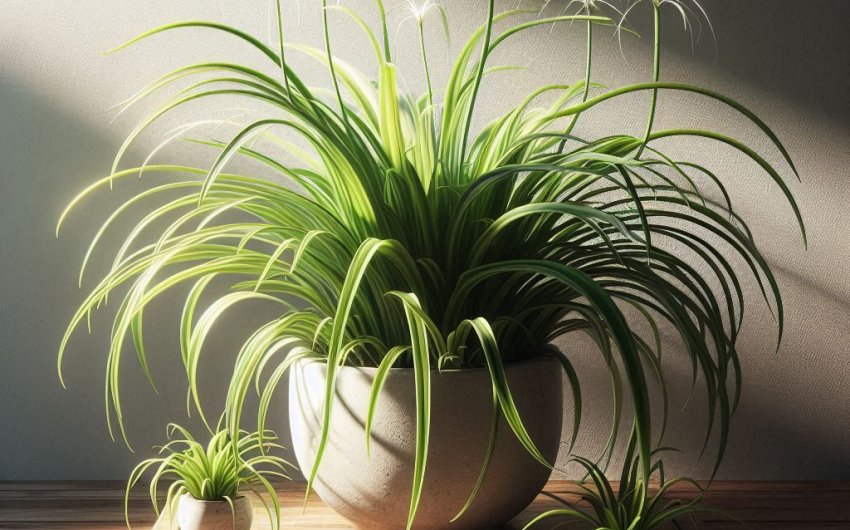
The Spider Plant (Chlorophytum comosum) is famous for being easy to care for, and that includes its light needs. It’s quite forgiving, which makes it a great choice for beginners. However, giving it the right amount of light will make it truly thrive and produce those wonderful spiderettes (baby plants) it’s known for.
A Spider Plant typically needs bright, indirect light.
Let's break down what that means:
- Bright: This means the area is well-lit throughout most of the day, but the sun's rays don't hit the plant directly for extended periods. Think of a bright room that doesn't feel dim, even without lights on.
- Indirect: This is the key part. Direct, intense sunlight, especially hot afternoon sun, can actually harm a Spider Plant's leaves. It can cause them to scorch, turn brown, or develop crispy tips. The indirect light protects its delicate foliage.
Ideal Locations in Your Home:
- Near a North-Facing Window: These windows typically provide bright, consistent, indirect light all day long. This is often an ideal spot for a Spider Plant.
- A Few Feet Away from East or West-Facing Windows:
- East-facing windows offer gentle morning sun, which is usually okay for a Spider Plant for a couple of hours. After that, it gets indirect light.
- West-facing windows provide stronger afternoon sun. A Spider Plant should be placed several feet away from a west window so it gets the bright light but avoids the direct, harsh rays.
- Further Away from a South-Facing Window: South-facing windows get the most intense direct sunlight. A Spider Plant should be placed well away from such a window, perhaps 6-10 feet back, or behind a sheer curtain to diffuse the light.
The goal is to give your Spider Plant plenty of light without subjecting it to direct, harsh sunbeams, especially the afternoon ones. This balanced approach will ensure healthy growth, vibrant leaf color, and a good supply of spiderettes.
What happens if a Spider Plant gets too much direct sunlight?
While Spider Plants need bright light to thrive, getting too much direct sunlight can actually be harmful. This is a common mistake for beginners who think "more light is always better." For a Spider Plant, intense, unfiltered sun can cause several problems.
Here's what happens if your Spider Plant gets too much direct sunlight:
- Scorched or Sunburned Leaves: This is the most obvious sign. The leaves, especially the white or variegated parts, will develop brown or yellow patches that look dry and crispy. These are essentially plant sunburns. Once a leaf is scorched, it won't recover its color.
- Faded Color: The vibrant green and white (or cream) stripes on the leaves might start to look faded, dull, or washed out. The plant loses its lively appearance.
- Crispy Leaf Tips: While crispy tips can also be a sign of low humidity or chemical buildup in water, intense direct sun can contribute to this problem by drying out the leaf tissue too quickly.
- Stunted Growth: Paradoxically, too much stress from direct sun can actually inhibit growth. The plant is putting all its energy into surviving the harsh light rather than producing new leaves or spiderettes.
- Overall Stress: A Spider Plant constantly under direct, intense sun will look unhappy and unhealthy. It might be less resilient to other stresses like improper watering or pests.
Why the Variegated Parts are More Vulnerable:
Spider Plants with white or cream stripes (variegated varieties) are even more susceptible to sunburn. The white parts of the leaf lack chlorophyll (the green pigment that absorbs light). These areas can't convert light energy and are more prone to burning because they essentially reflect or absorb excessive light without being able to process it efficiently.
If you notice any of these signs, immediately move your Spider Plant to a spot where it receives only bright, indirect light. Trim off any heavily damaged leaves, and the new growth should be healthy. Consistent indirect light is key to their success.
What happens if a Spider Plant doesn't get enough light?
Just as too much sun is harmful, not giving your Spider Plant enough light can also lead to problems. While they are forgiving, insufficient light will make them struggle to perform photosynthesis and thrive.
Here's what happens if your Spider Plant doesn't get enough light:
- Pale or Faded Color: The vibrant green and white stripes on the leaves will become dull and washed out. The white or cream stripes might even disappear, and the entire leaf will look a sickly pale green. This is because the plant is trying to produce more chlorophyll (the green pigment) to capture what little light is available.
- Leggy Growth: The plant will start to stretch and look "leggy." This means the leaves and stems become elongated and sparse, with larger gaps between leaves, as the plant literally reaches and strains towards a light source. The overall form will look straggly and weak.
- Slow or Stunted Growth: Without enough energy from light, the plant's metabolism slows down. It will produce new leaves much more slowly, and they will likely be smaller than normal. The plant will simply stop growing vigorously.
- No Spiderettes: One of the most disappointing signs of low light for a Spider Plant is a lack of spiderettes (the baby plants it produces on long stolons). The plant needs ample energy to produce these offsets, and insufficient light will prevent them from forming.
- Reduced Overall Vigor: A Spider Plant living in low light will generally look unhealthy and lack its usual robust, bushy appearance. It will be more susceptible to pests and diseases due to being stressed.
- Soil Stays Wet Longer: In low light, plants use less water. This means the soil will stay wet for longer, increasing the risk of root rot if you're watering on a schedule rather than checking soil moisture.
If your Spider Plant shows these signs, it's time to move it to a brighter spot with indirect light. Gradually introduce it to brighter conditions to avoid shocking it. Providing the right amount of light is fundamental for a happy, healthy, and prolific Spider Plant.
How do you know if your Spider Plant is getting the right amount of light?
Knowing if your Spider Plant is getting the right amount of light is key to its health. Your plant will actually tell you through its appearance. Learning to "read" your plant is a valuable skill in plant care.
Here are the signs to look for:
Signs of the Right Amount of Light (Bright, Indirect Light):
- Vibrant, Defined Colors: The green parts of the leaves are a rich, healthy green. The white or cream stripes are clear, distinct, and bright, with good contrast. The variegation (pattern) is strong.
- Bushy, Compact Growth: The plant produces new leaves consistently, and they are reasonably close together, resulting in a full, bushy appearance. It doesn't look stretched or sparse.
- Lots of Spiderettes: A happy Spider Plant with good light will regularly send out long stems (stolons) with numerous spiderettes forming at the ends. This is a clear sign of a thriving plant with ample energy.
- Steady Growth: You observe new leaves unfurling and the plant slowly increasing in size over time.
Signs of Too Much Direct Sunlight (Scorching/Fading):
- Brown, Crispy Patches: Especially on the white/variegated parts of the leaves. These are sunburns.
- Faded or Washed-Out Colors: The vibrant green and white look dull. The white might even turn a pale, sickly yellow.
- Crispy Leaf Tips: While other factors can cause this, direct sun dries out the leaf tissue.
- Leaves Curling Inward: A defensive reaction to protect itself from intense light.
Signs of Not Enough Light (Leggy/Pale):
- Pale or Dull Green: The entire plant looks lighter green than usual, or the variegation fades significantly. The white stripes might disappear.
- Long, Stretched Stems/Leaves: New growth is thin and elongated, "reaching" for light. The plant looks sparse and spindly.
- Slow Growth or No New Growth: The plant seems stuck and isn't producing new leaves or getting bigger.
- Lack of Spiderettes: Few to no baby plants forming.
If you see signs of too much or too little light, gently adjust your Spider Plant's placement. Observe it for a week or two after moving it to see how it responds. Finding that perfect spot might take a little trial and error, but your Spider Plant's health will clearly show you when you've succeeded.
How can artificial grow lights help with spider plant light needs?
Even if you don't have ideal natural light in your home, you can still successfully grow a thriving Spider Plant by using artificial grow lights. These lights provide the specific type of light energy that plants need for photosynthesis, filling in the gaps where natural light is lacking.
Here's how artificial grow lights can help meet your Spider Plant's light needs:
Supplementing Low Natural Light:
- If your home is naturally dim or has mostly north-facing windows where the light isn't quite "bright," a grow light can provide the necessary intensity.
- During darker winter months, when natural daylight hours are short and intensity is low, a grow light can prevent your Spider Plant from becoming leggy and pale.
Providing Consistent Light:
- Unlike natural sunlight, which varies throughout the day and with weather conditions, a grow light provides a consistent amount of light at a steady intensity for a set duration. This stability can be very beneficial for a plant's growth.
Encouraging Spiderette Production:
- As mentioned, Spider Plants need ample energy to produce spiderettes. If your plant isn't making babies, even with good care, it might be a sign it needs more light. A grow light can give it the boost it needs.
Types of Grow Lights Suitable for Spider Plants:
- LED Grow Lights: These are very popular and efficient. Look for full-spectrum LEDs. They use less electricity, produce less heat, and last a long time. They come in various forms, from small clip-on lights to larger panels.
- Fluorescent Grow Lights (e.g., T5 or T8 tubes): Also a good option, especially for multiple plants. They provide broad, even light and are energy-efficient.
- Distance and Duration:
- Distance: For most grow lights, place them about 12-24 inches (30-60 cm) above your Spider Plant. Adjust as needed, watching for signs of too much light (scorching) or too little (legginess).
- Duration: Provide 10-14 hours of light per day. You can use a simple light timer for plants to automate this.
Important Considerations:
- Full Spectrum: Look for "full-spectrum" grow lights, as these emit the full range of light wavelengths that mimic natural sunlight and are beneficial for plants.
- Heat Output: Be mindful of heat. While LEDs produce less heat, ensure the light source isn't too close to the leaves, as intense heat can cause damage.
By understanding your Spider Plant's light needs and supplementing with artificial grow lights when necessary, you can ensure your plant receives the optimal light energy for vigorous growth, vibrant color, and abundant spiderette production, regardless of your home's natural light conditions.
Can Spider Plants change color or pattern based on light exposure?
Yes, Spider Plants absolutely can change their color and pattern (known as variegation) based on the amount and intensity of light exposure they receive. This is one of the ways they communicate their satisfaction or stress levels.
Here's how light exposure influences their appearance:
Optimal Light (Bright, Indirect):
- Vibrant Variegation: In their ideal bright, indirect light conditions, the white or cream stripes on the leaves will be crisp, clear, and very distinct from the green parts. The colors will look rich and vibrant.
- Strong Contrast: You'll see a healthy, noticeable contrast between the variegated and green sections. This is the Spider Plant at its happiest and best-looking.
Too Much Direct Sunlight:
- Fading and Bleaching: The white or cream stripes might become faded, dull, or even look bleached out. The green might also appear lighter or washed out.
- Browning/Scorching: As mentioned earlier, direct sun can cause the white parts (which lack chlorophyll and are more sensitive) to turn crispy brown. The overall plant will lose its vibrancy.
Not Enough Light (Low Light Conditions):
- Loss of Variegation: This is a very common symptom of insufficient light. The white or cream stripes can actually start to fade and even disappear, turning a pale green. The entire leaf may revert to mostly green. This happens because the plant is desperately trying to produce more green chlorophyll (the light-absorbing pigment) to capture any available light energy.
- Dull, Pale Green: Even the green parts of the leaves will become a dull, pale, or yellowish-green, lacking richness. The overall plant will look anemic and lifeless.
Why this happens: Plants are amazing at adapting. When there's less light, the Spider Plant tries to maximize its ability to capture light by making more chlorophyll. Since chlorophyll is green, this makes the white/variegated parts of the leaf (which have less chlorophyll) less prominent or even disappear.
If you notice your Spider Plant's variegation fading or its colors becoming dull, it's a strong indicator that it needs to be moved to a brighter spot with indirect light. Providing the correct light exposure is crucial not just for its health, but for maintaining the beautiful and characteristic striped pattern that makes the Spider Plant so popular.
How do you rotate a spider plant to ensure even growth?
Rotating your Spider Plant is a simple yet very effective part of good plant care that helps ensure even, balanced growth and a fuller-looking plant. Because light often comes from one main direction (like a window), if you don't rotate your plant, it will naturally start to lean and grow unevenly.
Here's why and how to rotate a Spider Plant for even growth:
Why Rotate Your Spider Plant?
- Phototropism: Plants exhibit phototropism, which means they grow towards a light source. If one side of your Spider Plant always faces the window, that side will receive more light, and its leaves will grow more vigorously and stretch towards the window. The side facing away will receive less light, resulting in slower, sparser, and often paler growth.
- Even Light Distribution: Rotation ensures all sides of the plant get equal access to the available light.
- Balanced Shape: This leads to a more symmetrical, bushy, and attractive plant. You won't have one side that looks full and vibrant while the other is leggy and sparse.
- Healthier Overall Plant: Consistent, even light exposure promotes overall healthier foliage and can even contribute to more abundant spiderette production all around the plant.
How Often and How to Rotate:
- Frequency: Aim to rotate your Spider Plant about once a week or every two weeks. You don't need to do it daily, but a consistent schedule helps.
- Method:
- Give the pot a quarter turn (90 degrees) each time you rotate it. This ensures that different sections of the plant are gradually exposed to the primary light source over time.
- If your plant is in a hanging basket, simply turn the basket.
- Observe Your Plant: Pay attention to how your plant is growing. If you notice it starting to lean or stretch significantly in one direction, that's a clear sign it's time for a rotation (and possibly that it needs more overall light if the leaning is extreme).
- When Watering: A good habit is to incorporate rotation into your watering routine. Every time you water your Spider Plant, give it a quarter turn. This makes it easy to remember.
By making rotating your Spider Plant a regular part of your plant care routine, you ensure all parts of the plant receive optimal light exposure, promoting balanced, vigorous, and beautiful growth, and maximizing its charming, cascading appearance.