
How Do I Propagate a Philodendron Plant?
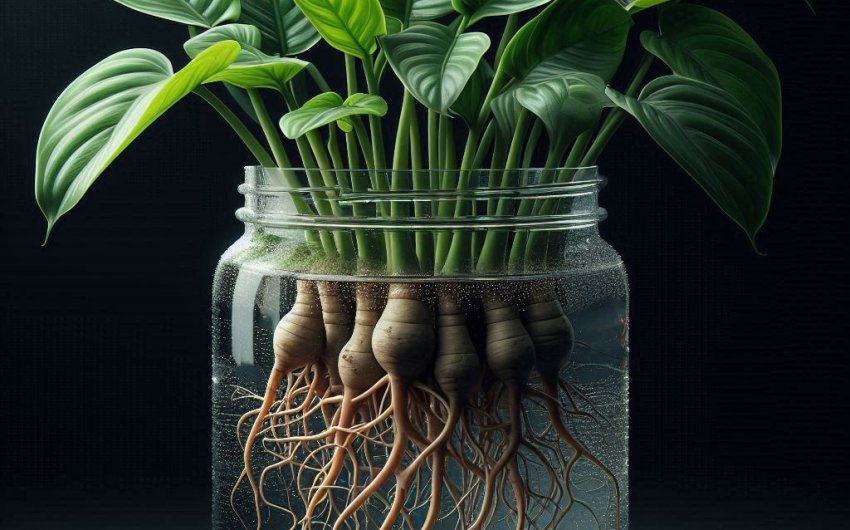
Have you ever looked at your lush, vining Philodendron plant and wished you could have more of its beautiful, heart-shaped leaves to fill another corner of your home, or share with a friend? Good news: propagating a Philodendron is incredibly easy! These popular houseplants are remarkably generous, readily rooting from cuttings and allowing you to expand your green family without buying new plants.
Propagating is simply making new plants from existing ones. For Philodendrons, it's a straightforward process that anyone can master, even if you're a complete beginner to plant propagation. It's a fantastic way to multiply your favorite plants, create thoughtful gifts, or simply prune your existing plant to encourage bushier growth.
This guide will demystify the art of Philodendron propagation. We'll walk you through the simple steps, explain the different methods (water vs. soil), and share pro tips for ensuring your new cuttings grow into thriving, beautiful plants. Get ready to turn one Philodendron into many and truly master this rewarding aspect of plant care!
Why Propagate Your Philodendron? (Beyond Just More Plants!)
The most obvious reason to propagate a Philodendron plant is to get more plants for free! But there are several other fantastic benefits to learning how to propagate a Philodendron.
1. Free Plants! (The Obvious Benefit)
- Expand Your Collection: Want another Philodendron for your bedroom, office, or bathroom? Propagating a cutting is free and easy, letting you fill your home with more greenery without spending a dime.
- Share with Friends: A rooted Philodendron cutting makes a wonderful, heartfelt gift for fellow plant lovers or someone just starting their plant journey. It's a living symbol of friendship!
2. Pruning for Bushier Growth (and Healthier Plants)
- Encourages Branching: Philodendrons (especially the vining types) can sometimes get long and leggy. Taking cuttings helps prune the mother plant, encouraging it to produce new growth from the nodes further down the stem. This results in a fuller, bushier, and more attractive plant.
- Removes Legginess: If your Philodendron is getting too long or sparse at the top, propagating the tips allows you to "restart" the plant or fill in the bare spots by planting the new rooted cuttings back into the original pot.
- Removes Unhealthy Parts: If a section of your Philodendron is looking unhealthy or damaged, you can prune it off and try to propagate healthy parts of that section, essentially saving the plant.
3. Creating Fuller Pots
- Thicker Appearance: Vining Philodendrons often look best when their pots are full and lush. By propagating a few cuttings and planting them back into the original pot once they've rooted, you can create a much denser and more attractive plant. This is a great way to "fill out" your existing plant.
4. Learning and Skill Building
- Rewarding Experience: Successfully propagating a plant is incredibly satisfying. It gives you a deeper understanding of plant growth and builds your confidence as a plant parent.
- Fundamental Skill: Propagation is a core skill in horticulture. Mastering it with an easy plant like a Philodendron prepares you for propagating other, more challenging plants in the future.
5. Revitalizing an Old Plant
- Fresh Start: If your Philodendron has become very old, leggy, or perhaps has developed some stem rot, propagation offers a chance to take healthy cuttings and start fresh, creating vibrant new plants from parts of the old one.
In short, knowing how to propagate a Philodendron plant is a valuable skill that offers practical benefits for your plant collection, your plant's health, and your own growth as a gardener. It's a win-win for everyone involved!
The Best Time and Tools for Propagating Philodendrons
While Philodendrons are famously easy to propagate, giving them the best chance for success involves choosing the right time and having the right (simple!) tools ready.
When is the Best Time to Propagate a Philodendron?
- Active Growing Season: The absolute best time to propagate a Philodendron plant is during its active growing season. For most indoor Philodendrons, this is typically spring and summer.
- Why: During this period, the plant is actively putting out new growth and has more energy. This means cuttings will root faster and more reliably. The warmer temperatures and longer daylight hours also contribute to faster root development.
- Avoid Dormant Season: While it's possible to root a Philodendron in fall or winter, it will take much longer, and the success rate will be lower because the plant's metabolism slows down.
- After Watering: It's a good idea to water your mother plant a day or two before taking cuttings. A well-hydrated plant will provide healthier cuttings that are less stressed.
Essential Tools You'll Need
You don't need fancy equipment to propagate a Philodendron. Most items you probably already have at home!
Sharp Pruning Snips or Scissors:
- Why: A clean, sharp cut is crucial for healthy propagation. Dull tools can crush the stem, making it harder for the cutting to root and potentially introducing disease.
- Tip: Use small, clean pruning snips or a sharp pair of household scissors.
- Sterilize: Always sterilize your tools before cutting to prevent the spread of diseases. You can wipe them with rubbing alcohol or a 10% bleach solution.
Container for Rooting:
- For Water Propagation: A clear glass jar, vase, or bottle is ideal. Clear containers allow you to easily see the roots forming, which is very satisfying! Any clean glass container will work.
- For Soil Propagation: Small nursery pots (2-4 inches), plastic cups with drainage holes, or a seed starting tray. A small plant pot set is perfect.
Rooting Medium:
- For Water Propagation: Clean tap water. If your tap water is heavily chlorinated, let it sit out for 24 hours to allow the chlorine to dissipate.
- For Soil Propagation: A lightweight, well-draining potting mix for houseplants or a specialized seed starting mix. You can also make your own by mixing perlite into standard potting soil for extra drainage.
Rooting Hormone (Optional but Recommended):
- Why: While Philodendrons root easily without it, rooting hormone (available as a powder or gel) can speed up root development and increase the success rate, especially for less vigorous cuttings.
- How to Use: Dip the cut end of the stem into the rooting hormone before placing it in water or soil.
With these simple tools and the right timing, you'll be perfectly set up to begin your Philodendron propagation journey and turn one plant into many!
Taking Cuttings: The Most Important Step for Propagation
The success of your Philodendron propagation largely depends on taking the right kind of cutting. It's a simple process, but understanding where to cut is key.
1. Identify a Healthy Stem
- Look for Vigor: Choose a healthy, mature stem from your Philodendron plant that shows good growth. Avoid old, woody stems that might be struggling, or very new, tender growth that hasn't hardened off yet.
- Vining Philodendrons: For common vining types (like Heartleaf Philodendron, Brasil, or Lemon Lime Philodendron), look for long stems with several leaves.
- Upright/Self-Heading Philodendrons: For types like Pink Princess or Moonlight, you'll still be looking for a stem with nodes, often pruning off a tip or a side branch.
2. Locate the "Node" (The Magic Spot!)
This is the most critical part of taking a cutting.
- What is a Node? A node is the small bump or swelling on the stem where a leaf emerges. It's also where you'll often see small, brown aerial roots (air roots) starting to form, or tiny dormant buds.
- Why Nodes Are Important: Nodes contain the specialized cells that are capable of producing new roots and new shoot (leaf) growth. Without at least one node, your cutting will likely not root successfully.
3. Make a Clean Cut
- Use Sharp, Sterilized Tools: Always use your sharp, clean pruning snips or scissors.
- Cut Below a Node: Make a clean cut about 1/4 to 1/2 inch below a node. This ensures that the node is included in your cutting and has enough stem below it to develop roots.
- Cutting Length: Aim for cuttings that are 4 to 6 inches long, containing at least 2-3 nodes. You can have more nodes, but make sure at least one node will be submerged in water or buried in soil.
4. Prepare Your Cutting
- Remove Lower Leaves: Gently remove any leaves that are on the lower part of the stem and would be submerged in water or buried in soil. These leaves will rot if left submerged, contaminating your water or soil and potentially causing stem rot in your cutting. Aim to remove leaves from the bottom 1-2 nodes.
- Optional: Dip in Rooting Hormone: If you choose to use rooting hormone, moisten the cut end of the stem slightly (if dry), then dip it into the rooting hormone powder or gel. Tap off any excess.
How Many Cuttings Should I Take?
- Multiple Cuttings: It's always a good idea to take several cuttings (3-5 or more) from your mother plant. This increases your chances of success, as not every cutting will root.
- Pinch Back Mother Plant: Taking multiple cuttings will also encourage the mother plant to become bushier and produce more branching, as we discussed earlier.
By carefully selecting healthy stems, accurately locating the nodes, and making clean cuts, you'll create the best possible foundation for successful Philodendron propagation, whether you choose water or soil as your rooting medium.
Rooting in Water: The Popular Philodendron Method
Rooting Philodendron cuttings in water is arguably the most popular and satisfying method. It's easy to do, and you get the undeniable joy of watching the roots grow right before your eyes!
Step 1: Prepare Your Container
- Choose a Clear Container: A clear glass jar, vase, or bottle is ideal because it allows you to observe root growth. Any clean container will work.
- Fill with Water: Fill your chosen container with clean tap water.
- Dechlorination (Optional but Recommended): If your tap water is heavily chlorinated, let it sit out in an open container for 24 hours before using it. This allows the chlorine to evaporate, which can be beneficial for sensitive roots.
- Avoid Overcrowding: Don't cram too many cuttings into one small container. Give them some space to breathe.
Step 2: Place Cuttings in Water
- Submerge Nodes: Place your prepared Philodendron cuttings (with lower leaves removed and optional rooting hormone applied) into the water. Ensure that at least one or two nodes are fully submerged in the water. The roots will emerge from these submerged nodes.
- Keep Leaves Out of Water: Make sure no leaves are underwater, as they will rot and foul the water.
Step 3: Find the Right Location
- Bright, Indirect Light: Place your water propagation station in a spot that receives bright, indirect light. Avoid direct, harsh sunlight, as this can overheat the water, encourage algae growth, and stress the cuttings.
- Warmth: A consistently warm spot will encourage faster rooting. Avoid cold drafts.
Step 4: Change Water Regularly
This is a critical step for successful water propagation.
- Frequency: Change the water every 3-5 days, or whenever it starts to look cloudy.
- Why it Matters: Fresh water provides more oxygen to the developing roots and prevents the buildup of bacteria or algae that can cause the stem to rot.
- No Fertilizer Yet: Do not add any fertilizer to the water at this stage. The cuttings are focused on root development, not nutrient uptake.
Step 5: Be Patient and Watch for Roots!
- Rooting Time: You should start to see tiny white roots emerging from the submerged nodes within 2-4 weeks, sometimes sooner for very vigorous cuttings or warmer conditions. It can take up to 6-8 weeks, so don't despair if it's slow.
- Healthy Roots: The roots will look white, sometimes with small brownish tips. They should be firm, not mushy.
Step 6: When to Pot Up Your Rooted Cuttings
- Ideal Root Length: Wait until the roots are at least 1-2 inches long before transferring them to soil. Longer roots generally mean the cutting is more established and will adapt better to potting mix.
- Gradual Transition: The transition from water to soil can be a bit of a shock for the cutting. Some plant parents like to transition slowly by adding a little bit of potting mix to the water over a few days, or by placing the rooted cutting in a very well-draining, moist soil mix first.
Water propagation is a truly rewarding way to multiply your Philodendron plants, allowing you to witness the miracle of root growth firsthand. Just remember to be patient and keep that water fresh!
Rooting in Soil: A Direct Approach for Philodendrons
While water propagation is popular for Philodendrons, rooting cuttings directly in soil is also a very effective method. Some gardeners even prefer it, as it eliminates the "transplant shock" that can sometimes occur when moving water-rooted cuttings to soil.
Step 1: Prepare Your Pot and Potting Mix
- Choose Small Pots: Select small pots (2-4 inches in diameter) with drainage holes. A small plant pot set is convenient.
- Use the Right Potting Mix: Fill the pots with a fresh, lightweight, and well-draining potting mix. A standard houseplant potting mix works well, but you can enhance drainage by mixing in extra perlite (1 part perlite to 2-3 parts potting mix). Avoid dense, heavy garden soil.
- Moisten the Mix: Lightly moisten the potting mix before planting. It should be damp like a wrung-out sponge, not soggy.
Step 2: Plant Your Cuttings
- Make a Hole: Use your finger or a pencil to make a small hole in the center of the moistened potting mix.
- Insert Cutting: Carefully insert the prepared Philodendron cutting (with lower leaves removed and optional rooting hormone applied) into the hole. Ensure that at least one or two nodes are buried beneath the soil surface. These buried nodes are where the roots will form.
- Gently Firm Soil: Lightly press the soil around the base of the cutting to ensure good contact. Don't compact it too tightly.
- Multiple Cuttings in One Pot (Optional): For a bushier future plant, you can plant several cuttings in one pot, spacing them a few inches apart.
Step 3: Create a Humid Environment (Optional but Recommended)
Creating a mini-greenhouse effect helps the cuttings by reducing moisture loss through their leaves while they don't have roots.
- Cover the Pot:
- Place a clear plastic bag over the pot, propped up with sticks so it doesn't touch the leaves.
- Use a plastic dome (if using a seed starting tray).
- Recycle a clear plastic bottle by cutting off the top and placing it over the cutting.
- Ventilation: Puncture a few small holes in the plastic for a little airflow, or lift the cover for an hour each day to allow for ventilation and prevent mold.
- Why it Helps: This traps humidity around the cutting, preventing it from drying out while it's focused on root development.
Step 4: Find the Right Location
- Bright, Indirect Light: Place your potted cuttings in a spot that receives bright, indirect light. Direct sun can be too harsh and dry out the soil too quickly.
- Warmth: A consistently warm location (70-80°F or 21-27°C) will encourage faster rooting. Consider a heat mat for seedlings for optimal warmth, especially in cooler environments.
Step 5: Watering and Monitoring
- Keep Soil Consistently Moist: The key is consistent moisture. Check the soil every day or two. When the top inch feels slightly dry, water thoroughly until water drains from the bottom. Do not let the soil dry out completely, and do not let it become soggy.
- Avoid Fertilizing: Do not fertilize newly planted cuttings. They need to focus all their energy on root development.
- Signs of Rooting:
- New Growth: The most reliable sign of successful rooting is when you start to see new leaf growth emerging from the top of the cutting. This means the roots below are established enough to support top growth.
- Gentle Tug Test: After a few weeks, you can very gently tug on the cutting. If you feel resistance, it means roots have formed and are anchoring it in the soil.
Step 6: Transitioning to Regular Care
- Remove Cover Gradually: Once you see new growth and feel resistance, gradually remove the plastic cover over a few days to a week, allowing the cutting to acclimate to normal household humidity.
- Move to Standard Pot: Once established with new growth, you can transfer it to a larger decorative pot (if desired) and begin treating it as a regular Philodendron plant, following normal watering and light routines.
Rooting in soil can sometimes take a bit longer than water (4-8 weeks), but it often results in a more robust transition for the young plant, setting it up for long-term success.
Post-Propagation Care: Nurturing Your New Philodendron Plant
Congratulations! You've successfully rooted your Philodendron cuttings, whether in water or soil. Now comes the exciting part: nurturing your new Philodendron plant into a lush, thriving specimen. The first few weeks and months after rooting are crucial for establishing a strong, healthy plant.
1. Light and Location
- Bright, Indirect Light: Continue to provide your newly potted Philodendron with plenty of bright, indirect light. This is ideal for robust growth. Avoid direct, harsh sunlight, especially in the first few weeks, as the new roots are still delicate and the leaves can easily scorch.
- Stable Environment: Keep the plant in a location with consistent temperatures and away from strong drafts from windows or heating/AC vents.
2. Watering: The Most Critical Factor Post-Propagation
Proper watering is paramount to avoid root rot and ensure the new plant establishes well.
- Initial Watering: Water thoroughly immediately after potting up (if you rooted in water and are now planting in soil) or after you've confirmed rooting in soil. Water until it drains from the bottom.
- Allow Soil to Dry Partially: For most Philodendrons, allow the top 1-2 inches of soil to dry out between waterings.
- How to Check: Stick your finger into the soil. If it feels dry, it's time to water. If it feels moist, wait.
- Avoid Overwatering: This is the most common killer of newly potted cuttings. New plants have smaller root systems, so they don't absorb water as quickly as mature plants. Excess water leads to suffocation and root rot.
- Ensure Drainage: Always use a pot with drainage holes! If using a decorative cachepot, ensure you empty any excess water from the bottom after about 30 minutes.
3. Humidity
- Acclimation: If you used a humidity dome or plastic bag during rooting, gradually remove it over a few days to a week to help the plant acclimate to normal household humidity.
- Increase if Needed: If your home is very dry (especially in winter), consider increasing humidity around your new plant.
- Pebble Tray: Place the pot on a tray filled with pebbles and a little water (ensure the pot itself isn't sitting in water).
- Grouping Plants: Plants release moisture, so grouping them together can create a mini-humid environment.
- Humidifier: For very dry environments, a small room humidifier can benefit all your tropical houseplants.
4. Fertilizing: Be Patient!
- Wait to Fertilize: Do not fertilize your new Philodendron plant for at least 1-2 months after potting up.
- Why: New potting mixes usually contain enough nutrients for the first few weeks. More importantly, the new roots are very delicate, and fertilizer can burn them, causing significant damage.
- Start Mildly: When you do start fertilizing, begin with a very diluted liquid houseplant fertilizer (e.g., half-strength or quarter-strength). A balanced houseplant fertilizer is usually best. Gradually increase to the recommended strength as the plant grows.
5. Repotting (Eventually)
- Not Yet! Your newly rooted cuttings are in small pots and are happy there for now. Don't rush to repot them into much larger containers.
- When to Repot: Watch for the same signs as a mature plant (roots coming out of drainage holes, slowed growth, soil drying too quickly). When you do repot, remember the golden rule: go up only one pot size at a time.
6. Pruning and Training
- Pinch for Bushiness: Once your new plant has grown a few new leaves and stems, you can pinch back the growing tips to encourage bushier growth, just as you would for a mature plant.
- Support for Vining Types: If you've propagated a vining Philodendron, you might want to consider a plant support pole or allow it to trail from a hanging basket as it grows.
By providing consistent, appropriate care in the crucial weeks and months after propagation, you'll ensure your new Philodendron plant grows into a healthy, beautiful, and thriving addition to your indoor garden. Enjoy watching your new green babies flourish!