
How Can I Encourage My Rubber Plant to Grow Taller?
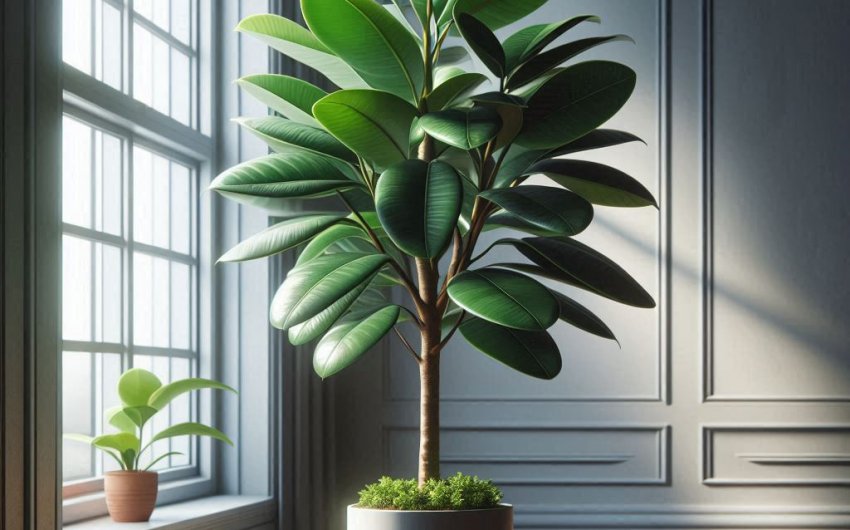
Why Isn't My Rubber Plant Growing Taller?
Your rubber plant (Ficus elastica) is a beautiful houseplant, known for its glossy, large leaves and impressive height when happy. But sometimes, these wonderful plants seem to just stop growing upwards. It can be frustrating when you want a tall, striking plant, and yours stays stubbornly short. Understanding why your rubber plant isn't gaining height is the first step to helping it reach its full potential. Several factors can slow down or stop vertical growth, from its environment to its care routine. Learning about these common issues will give you the tools to encourage that beautiful upward stretch.
Is It Getting Enough Light?
Light is absolutely crucial for a rubber plant to grow taller. These plants are native to tropical areas where they get plenty of bright, indirect light. If your plant isn't getting enough light, it will put all its energy into just surviving, not growing. It might look leggy (stretched out with sparse leaves) as it reaches for light, but it won't gain significant height. Place your rubber plant near a bright window, but keep it out of direct, harsh afternoon sun, which can burn its leaves. An east-facing window is often perfect, or a few feet away from a south or west-facing window. If natural light isn't enough, consider adding a LED Grow Light to supplement.
Is the Watering Right?
Too much or too little water can also stunt your rubber plant's growth. If the soil is constantly soggy, the roots can rot, preventing the plant from taking up nutrients and water, which are essential for growth. If the soil is too dry, the plant will go into survival mode and won't grow. The key is to water thoroughly when the top 2-3 inches of soil feel dry to the touch, and then let excess water drain away completely. Never let your rubber plant sit in standing water. A Soil Moisture Meter can help you know exactly when to water.
Is It Getting Enough Nutrients?
Like all living things, rubber plants need food to grow. If your plant isn't getting enough nutrients from its soil, its growth will slow down or stop. This is especially true for houseplants, as the nutrients in their potting mix get used up over time. Regular fertilizing during the growing season is essential for encouraging new growth, including vertical growth. We'll talk more about the right kind of fertilizer later.
Is the Pot Too Big or Too Small?
The size of your rubber plant's pot can have a big impact on its growth. If the pot is too big, the soil stays wet for too long, leading to root rot. If the pot is too small, the roots become cramped and have nowhere to grow, which stops the plant from getting bigger overall. A rubber plant prefers to be slightly pot-bound (roots just filling the pot), but not so much that roots are circling tightly or coming out of the drainage holes.
Is the Humidity High Enough?
Rubber plants are tropical plants, so they love humidity. Low humidity, especially in dry indoor environments or during winter, can stress the plant. When stressed, a rubber plant might not put energy into new growth. Crispy leaf edges can be a sign of low humidity. Boosting humidity can help your plant feel more at home and encourage it to grow taller.
What Are the Best Lighting Conditions for Taller Growth?
Light is like food for your rubber plant. Without the right amount and type of light, your plant won't have the energy to grow tall. Getting the lighting just right is one of the most impactful changes you can make to encourage vertical growth in your Ficus elastica.
Bright, Indirect Light is Ideal
Your rubber plant thrives in bright, indirect light. This means a spot where it receives plenty of light throughout the day, but the sun's rays don't directly hit its leaves, especially during the hottest parts of the day. Think of it like being under the canopy of a tropical forest where light filters through the leaves above. Direct, harsh sun can scorch its beautiful, glossy leaves, leaving brown, crispy spots.
Where to Place Your Plant
- East-facing window: This is often the perfect spot. It provides bright morning sun, which is gentle, and indirect light for the rest of the day.
- South or West-facing window (with caution): These windows offer the brightest light. If you place your rubber plant here, make sure it's set back a few feet from the window, or use sheer curtains to diffuse the intense afternoon sun. You want bright light, not scorching heat.
- North-facing window: This might not provide enough light for vigorous growth, especially if you're trying to encourage height. Your plant might survive but won't thrive or grow tall. If this is your only option, you'll likely need supplemental lighting.
Signs of Incorrect Lighting
- Too Little Light: If your rubber plant isn't getting enough light, its growth will slow down dramatically. New leaves might be smaller than older ones, and the plant might look "leggy" or stretched out with large gaps between leaves as it tries to reach for light. The beautiful dark color of the leaves might also fade.
- Too Much Direct Light: Brown, crispy spots or bleached-looking areas on the leaves are signs of sunburn from too much direct sun. If you see this, move your plant to a shadier spot immediately.
Supplementing Light with Grow Lights
If you live in a place with dark winters, or if your home simply doesn't offer enough natural light, a grow light can be a game-changer. Look for a full-spectrum Indoor Plant Grow Light designed for houseplants. Place it a few feet above your rubber plant, providing 10-12 hours of light per day. This can significantly boost its growth and help it reach for the sky, even in gloomy conditions.
Rotate Your Plant Regularly
Even in the best spot, light often comes from one direction. To encourage even growth and prevent your rubber plant from leaning towards the light, rotate it a quarter turn every week or two. This ensures all sides of the plant get equal light exposure, leading to a more balanced and upright plant.
How Can Proper Watering Habits Encourage Height?
Watering your rubber plant correctly is more than just pouring water into the pot. It's about finding the right balance to support healthy root development, which is the foundation for all growth, including height. Incorrect watering habits are one of the most common reasons houseplants struggle.
The "Soggy Not Dry" Rule (Mostly)
Rubber plants prefer their soil to dry out a bit between waterings, but they don't like to be bone dry for extended periods. The biggest mistake is overwatering, which leads to root rot. Root rot happens when the roots sit in constantly wet, oxygen-deprived soil, causing them to decay. Damaged roots can't take up water or nutrients, stunting growth and eventually killing the plant.
How to Water Your Rubber Plant
- Check the Soil: Before watering, stick your finger about 2-3 inches deep into the soil. If it feels dry at that depth, it's time to water. If it still feels moist, wait a few more days and check again. A Soil Moisture Sensor can also be a helpful tool.
- Water Thoroughly: When it's time to water, water slowly and deeply until you see water draining out of the bottom of the pot's drainage holes. This ensures the entire root ball gets hydrated.
- Empty Excess Water: IMPORTANT: Never let your rubber plant sit in standing water in its saucer. Dump any excess water collected in the saucer after about 15-30 minutes. This prevents root rot.
- Use Room Temperature Water: Cold water can shock the roots. Use water that's at room temperature.
Signs of Incorrect Watering
- Overwatering: Yellowing leaves (especially lower leaves), soft and mushy stems, stunted growth, and a sour smell from the soil are all signs of overwatering. If you suspect overwatering, check the roots for rot (they will be black and mushy).
- Underwatering: Drooping leaves, crispy leaf edges, and very dry, compact soil are signs of underwatering. The plant might also stop producing new leaves. While less common to kill a plant than overwatering, consistent underwatering will prevent any significant height gain.
Adjust Watering Seasonally
Your rubber plant's watering needs will change throughout the year. During the active growing season (spring and summer), it will need more frequent watering. In fall and winter, when light levels are lower and the plant is resting, it will need less water. Always check the soil before watering, rather than sticking to a strict schedule.
Use a Pot with Drainage Holes
This cannot be stressed enough. Your rubber plant absolutely needs a pot with drainage holes. Without them, water will sit at the bottom, leading to inevitable root rot. If your decorative pot doesn't have holes, use a slightly smaller nursery pot with holes inside it, and remove the inner pot for watering and draining.
How Does Fertilizing Impact Rubber Plant Height?
Just like we need food to grow, your rubber plant needs nutrients to get taller and produce new leaves. The soil in your pot only holds so much food, and over time, the plant uses it all up. That's where fertilizing comes in. Providing the right kind of plant food at the right time will give your Ficus elastica the boost it needs to shoot upwards.
Why Fertilize?
Fertilizers provide essential nutrients that potting soil alone cannot sustain for long. The three main nutrients (macronutrients) that plants need are Nitrogen (N), Phosphorus (P), and Potassium (K). These are usually listed as NPK numbers on fertilizer labels.
- Nitrogen (N): Crucial for leafy green growth, including stems. This is the primary nutrient you'll want to focus on for height and overall plant size.
- Phosphorus (P): Important for root development, flowering, and fruiting.
- Potassium (K): Supports overall plant health, disease resistance, and water regulation. For a rubber plant, which you want to grow tall and leafy, a fertilizer with a slightly higher nitrogen content is often beneficial.
When to Fertilize
Your rubber plant primarily grows during the spring and summer months. This is its growing season. This is when the plant is actively producing new leaves and stretching upwards.
- Spring and Summer: Fertilize every 2-4 weeks during this period.
- Fall and Winter: Reduce or stop fertilizing. During these cooler, darker months, the plant's growth slows down, and it doesn't need as many nutrients. Over-fertilizing during dormancy can lead to a buildup of salts in the soil, which can harm the plant.
What Kind of Fertilizer to Use
Choose a balanced liquid houseplant fertilizer that you can dilute. A common NPK ratio like 20-20-20 or 10-10-10 is a good general choice. Some growers prefer a fertilizer with a slightly higher nitrogen number, like a 2-1-1 ratio, to encourage more foliage growth. Always dilute the fertilizer to half or quarter strength compared to what the package recommends. It's much better to under-fertilize than to over-fertilize, as too much fertilizer can burn the roots. A popular choice is Miracle-Gro Indoor Plant Food.
How to Fertilize
- Always water before fertilizing: Never fertilize a dry plant. This can lead to root burn. Water your plant as you normally would, then apply the diluted fertilizer solution.
- Apply evenly: Pour the diluted fertilizer evenly around the base of the plant.
- Flush the soil periodically: Every few months, especially if you fertilize regularly, "flush" the soil by watering your plant thoroughly with plain water until a large amount drains out. This helps to wash away any built-up mineral salts from the fertilizer, which can harm the roots over time.
Signs of Nutrient Deficiency or Over-Fertilizing
- Nutrient Deficiency: Slow growth, yellowing lower leaves, or very pale new leaves can indicate a lack of nutrients.
- Over-Fertilizing: Crispy, brown leaf tips or edges, white crust on the soil surface, or sudden wilting are signs of fertilizer burn. If you see these, flush the soil immediately and stop fertilizing for a while.
How Does Pot Size and Repotting Affect Vertical Growth?
The pot your rubber plant lives in plays a surprisingly big role in how tall it will grow. It's not just about aesthetics; the right pot size and knowing when to repot are crucial for healthy root development, which directly impacts the plant's ability to support new, taller growth.
The Importance of Root Space
A rubber plant needs enough room for its roots to grow. Roots are what absorb water and nutrients from the soil. If the roots become too cramped (pot-bound), they won't be able to effectively take up what the plant needs to grow, and vertical growth will stop. On the other hand, a pot that's too large can lead to problems.
When Is a Pot Too Small?
Signs your rubber plant is pot-bound and needs a larger home include:
- Roots coming out of drainage holes: This is a clear indicator that the roots have nowhere else to go.
- Roots circling around the top of the soil surface.
- Water running straight through the pot: This means the soil is mostly roots and can't hold water effectively.
- Stunted growth: The plant stops growing taller or producing new leaves.
- More frequent watering needed: The plant dries out much faster than before.
Why a Pot That's Too Big Can Be Bad
While it might seem logical to give your rubber plant a huge pot for future growth, it's actually not a good idea.
- Overwatering Risk: A very large pot holds too much soil that the roots can't absorb. This extra soil stays wet for too long, creating an environment ripe for root rot.
- Slowed Growth: The plant will focus its energy on filling the new, larger pot with roots before putting energy into upward growth. This means growth might seem to stall for a while.
The Right Pot Size for Repotting
When you decide to repot your rubber plant, only go up one size in pots. For example, if it's in a 6-inch pot, move it to an 8-inch pot. This gives the roots just enough new space to grow without overwhelming the plant or creating an overwatering risk.
How to Repot Your Rubber Plant
Repotting is best done in the spring or early summer, just before or at the beginning of the active growing season.
- Choose the right pot: Select a pot that is 1-2 inches larger in diameter than the current pot. Ensure it has drainage holes.
- Prepare the new pot: Add a layer of fresh, well-draining potting mix to the bottom of the new pot. A good mix for rubber plants includes perlite or coarse sand for drainage, like FoxFarm Ocean Forest Potting Soil.
- Remove the plant: Gently loosen the plant from its old pot. You might need to gently squeeze the sides of a plastic pot or slide a knife around the edge of a clay pot.
- Inspect roots: Gently untangle any circling roots at the bottom. Trim away any black, mushy, or unhealthy-looking roots (signs of root rot).
- Place the plant: Center the rubber plant in the new pot, ensuring the top of the root ball is at the same level as it was in the old pot. Add more potting mix around the sides, gently tamping it down to remove large air pockets.
- Water thoroughly: Water the newly repotted plant well to help settle the soil.
When NOT to Repot
Avoid repotting your rubber plant during fall and winter, when it's typically dormant. Also, don't repot a plant that is actively stressed or showing signs of disease, as it can add to its stress.
Can Humidity Levels Affect My Rubber Plant's Height?
Absolutely! Your rubber plant is a tropical native, and it thrives in environments that mimic its natural habitat. One of the key elements of a tropical environment is high humidity. If your indoor air is too dry, especially during winter months when heating systems are running, it can stress your rubber plant and slow down its growth, including its ability to grow taller.
Why Humidity Matters for Rubber Plants
- Leaf Function: Leaves absorb moisture from the air, especially in humid conditions. When the air is too dry, leaves can lose moisture faster than the roots can take it up, leading to stress.
- Transpiration: Plants release water vapor through their leaves in a process called transpiration. High humidity reduces this water loss, allowing the plant to retain more moisture, which is crucial for healthy cell expansion and new growth.
- Preventing Stress: A stressed plant focuses its energy on survival rather than vigorous growth. Providing adequate humidity helps your rubber plant feel comfortable and direct its energy towards producing new leaves and gaining height.
Signs of Low Humidity
If your rubber plant is suffering from low humidity, you might notice these signs:
- Crispy or brown leaf edges/tips: This is a very common symptom.
- Curling leaves: Leaves might curl inwards to try and reduce water loss.
- Stunted growth: The plant just isn't putting out new leaves or growing taller.
- Dull-looking leaves: The typical glossy sheen might appear dull.
How to Increase Humidity Around Your Rubber Plant
There are several effective ways to boost the humidity around your rubber plant:
- Pebble Trays: Place a saucer or tray filled with pebbles under your plant's pot. Add water to the tray, making sure the bottom of the pot doesn't sit in the water (to prevent root rot). As the water evaporates, it increases the humidity directly around the plant.
- Humidifier: For consistent and effective humidity, especially in large, dry rooms, a room humidifier is your best friend. An Indoor Plant Humidifier can significantly raise the humidity levels to a comfortable range for your rubber plant (ideally between 50% and 70%). This is often the most reliable method.
- Grouping Plants: Plants release moisture through their leaves, so grouping several houseplants together can create a mini-microclimate of higher humidity.
- Misting (with caution): While misting provides a temporary boost of humidity, the effect is short-lived, and it can sometimes lead to fungal issues if water sits on the leaves for too long, especially on the large leaves of a rubber plant. If you do mist, do it in the morning so the leaves have time to dry. Don't rely on misting as your sole humidity solution.
Where to Place Your Plant for Humidity
Keep your rubber plant away from direct heat sources like radiators, heating vents, or fireplaces, as these will severely dry out the air around the plant. Bathrooms or kitchens often have higher natural humidity, making them potentially good spots if they also provide enough light.
Should I Prune My Rubber Plant to Encourage Height?
This might sound backward! How can cutting off parts of your rubber plant make it grow taller? It's a common question, and the answer is that strategic pruning can indeed encourage a bushier, healthier plant that then has more energy to focus on vertical growth. It's less about directly making it taller from the cut point, and more about promoting overall vigor.
Why Prune Your Rubber Plant?
Pruning isn't just about making your plant look nice; it's about encouraging healthier, more robust growth.
- Promotes Bushiness: When you prune the main stem, you remove the apical bud (the top growth point that produces auxin, a hormone that suppresses side growth). This encourages the plant to put out new branches from nodes lower down the stem, making the plant fuller and bushier. A bushier base provides more leaves to photosynthesize, which can then support more vigorous upward growth in the long run.
- Encourages New Growth: Cutting back leggy or sparse stems can stimulate the plant to produce new, healthier growth, both from the cut point and from lower nodes.
- Maintains Shape and Size: You can direct the plant's energy where you want it to go. If you have a very tall, leggy plant with sparse lower leaves, pruning the top can force it to branch out and become denser.
- Removes Damaged or Diseased Parts: Pruning allows you to remove any yellow, brown, damaged, or diseased leaves or stems, helping the plant direct energy to healthy growth.
When to Prune
The best time to prune your rubber plant is during its active growing season – spring and early summer. This is when the plant has the most energy to recover from the pruning and put out new growth. Avoid heavy pruning in fall or winter, as the plant is less active and won't heal or grow back as quickly.
How to Prune for Taller Growth and Bushiness
- Use Clean, Sharp Tools: Always use sharp, sterilized pruning shears or a clean, sharp knife. This prevents jagged cuts that can damage the plant and reduces the risk of introducing diseases. You can sterilize tools with rubbing alcohol.
- Identify the Cut Point: Look for the main stem. Decide how much height you want to remove. Below the cut point, identify a node. A node is where a leaf attaches to the stem, and it's where new branches will emerge.
- Make the Cut: Make a clean cut just above a node. This tells the plant to activate the dormant buds at that node, encouraging new branches to form.
- For a Leggy Plant: If your rubber plant is very tall with few leaves on the bottom, you can do a more significant prune. Cut the main stem down to your desired height, again, just above a node. While this initially reduces height, it often results in multiple new branches emerging from lower nodes, leading to a much fuller plant. Over time, these new branches will grow taller, giving you a more robust and taller plant overall than a single leggy stem.
- Dealing with Sap: Rubber plants produce a milky white sap when cut. This sap can be irritating to skin, so wear gloves. You can dab the cut area with a damp cloth to stop the sap flow.
What to Do with the Cuttings
Don't throw away your cuttings! Rubber plant cuttings can be easily propagated. You can root them in water or directly in moist potting mix. This is a great way to make more rubber plants and share them with friends. Place the cutting in a spot with bright, indirect light and be patient.
Can Staking or Support Help My Rubber Plant Grow Taller?
Yes, staking or providing support can absolutely help your rubber plant grow taller, especially as it gains significant height. While it doesn't directly stimulate new growth at the top, it helps the plant maintain an upright posture, prevents it from leaning or falling over, and directs its energy into upward growth rather than struggling to stay upright.
Why Staking is Beneficial
As rubber plants grow tall, their stems can become heavy, especially with large, lush leaves. Without support, they might start to lean, bend, or even snap.
- Provides Stability: A stake gives the stem something to lean on, offering crucial support as the plant gains height.
- Directs Upward Growth: By tying the stem to a stake, you encourage it to grow straight up rather than laterally or bending over. This promotes a strong central leader.
- Prevents Damage: It protects the stem from damage due to weight, wind (if near an open window), or accidental bumps.
- Aesthetics: A straight, supported rubber plant simply looks more impressive and healthier.
Types of Stakes or Support
- Bamboo Stakes: These are simple, natural-looking, and effective. Choose a stake that is sturdy and tall enough to support the intended height of your rubber plant. You can find Bamboo Plant Stakes at most garden stores.
- Moss Poles: While more commonly used for climbing plants like monsteras, a moss pole can also provide good support for a rubber plant, especially if you want to encourage a more natural, tropical look. The aerial roots might attach to it over time, offering extra stability. You can buy a Moss Pole for Plants.
- Trellises: For very large plants, a small indoor trellis can offer broad support.
How to Stake Your Rubber Plant
- Insert the Stake Early: It's best to insert the stake when your rubber plant is relatively young and actively growing, before it starts to lean too much. Push the stake firmly into the soil, close to the main stem but avoiding major roots. Go as deep as possible for stability.
- Tie Loosely: Use soft plant ties, twine, or Velcro plant ties to secure the main stem to the stake. Crucially, tie loosely. You want to support the plant, not choke it or restrict its growth. Leave enough slack for the stem to thicken naturally. Check the ties regularly and loosen them if they start to dig into the stem.
- Add More Ties as it Grows: As your rubber plant gets taller, add more ties higher up the stake to continue guiding its vertical growth.
- Replace Stakes if Needed: If your rubber plant outgrows its current stake, or if the stake becomes weak, replace it with a taller, sturdier one. This might require gently removing the plant from its pot to insert the new stake without damaging roots.
What to Avoid When Staking
- Tight Ties: Never use tight ties that will constrict the stem as it grows. This can cause damage and prevent sap flow.
- Weak Stakes: A flimsy stake won't provide adequate support and could bend or break under the plant's weight.
- Forgetting to Check: Ties can tighten over time as the stem grows. Make it a habit to check and loosen them regularly.
What's the Ideal Temperature and Humidity for a Tall Rubber Plant?
Your rubber plant is a tropical plant, and like all tropical plants, it thrives in consistent, warm temperatures and high humidity. Providing these ideal environmental conditions isn't just about keeping your plant alive; it's about making it comfortable enough to invest its energy into vigorous growth and reach impressive heights.
Temperature: Keep it Warm and Stable
Rubber plants prefer consistently warm temperatures.
- Ideal Range: The optimal temperature range for rubber plants is between (65^\circ\text{F}) and (80^\circ\text{F}) ((18^\circ\text{C}) to (27^\circ\text{C})). This mimics the warm climates they naturally grow in.
- Avoid Extremes: They do not like cold drafts or sudden drops in temperature. Keep them away from open windows during winter, air conditioning vents, or heating radiators. Cold temperatures can stress the plant, leading to stunted growth, leaf drop, and overall decline. Temperatures below (50^\circ\text{F}) ((10^\circ\text{C})) can be very damaging.
- Consistency is Key: Stable temperatures are better than wild fluctuations. Try to keep your home's temperature consistent where your plant is located.
Humidity: The Tropical Connection
As discussed earlier, humidity is vital for rubber plants. Dry air can cause stress, leading to crispy leaves and slowed growth.
- Ideal Range: Aim for humidity levels between 50% and 70%. Many homes, especially during winter with heating systems on, can have humidity as low as 20-30%, which is far too dry for a rubber plant.
- Signs of Low Humidity: Crispy brown edges on leaves, leaves curling inwards, or a generally dull appearance of the leaves.
- Ways to Increase Humidity:
- Humidifier: The most effective method is to use a Room Humidifier near your plant. This provides consistent, reliable moisture to the air.
- Pebble Tray: Place the pot on a tray filled with pebbles and water, ensuring the pot doesn't sit directly in the water. As the water evaporates, it creates a localized humid environment.
- Grouping Plants: Plants release moisture into the air, so grouping your rubber plant with other houseplants can create a beneficial microclimate.
- Bathroom/Kitchen: If you have enough light, a bathroom or kitchen can naturally offer higher humidity levels.
Why Temperature and Humidity Impact Height
When a rubber plant is in its ideal temperature and humidity range, it is comfortable and unstressed. This allows it to put all its energy into actively growing, producing large, healthy leaves and developing a strong stem capable of supporting significant height. If it's too cold or too dry, the plant will go into survival mode, trying to conserve energy, and growth will slow dramatically or stop altogether. Providing these ideal conditions is a foundational step in encouraging your rubber plant to grow taller.
What Are Other Tips for Encouraging a Taller Rubber Plant?
Beyond the main factors like light, water, nutrients, pot size, and humidity, a few other general care tips can contribute to your rubber plant's overall health and help it grow taller and more robust. These tips ensure your plant remains happy and vibrant throughout its life.
Clean Your Leaves Regularly
The large, glossy leaves of a rubber plant can collect dust over time. This dust blocks light from reaching the leaf surface, reducing the plant's ability to perform photosynthesis (the process of converting light into energy for growth).
- How to Clean: Gently wipe down each leaf with a damp cloth every few weeks. You can use plain water or a very dilute solution of water with a tiny drop of dish soap.
- Benefits: Clean leaves mean more efficient photosynthesis, leading to more energy for growth, including height. It also keeps your plant looking beautiful!
Provide Good Air Circulation
While rubber plants like humidity, they also benefit from good air circulation. Stagnant air can encourage fungal diseases or pest issues.
- Placement: Don't crowd your rubber plant too closely with other plants or against walls.
- Fans: In a very still room, a gentle oscillating fan can help, but don't direct it straight at the plant. Just enough to move the air around. This also helps with consistent temperatures and humidity.
Protect from Pests
A healthy rubber plant is more resistant to pests, but they can still strike. Common pests include spider mites, mealybugs, and scale insects. These pests feed on plant sap, weakening the plant and diverting its energy away from growth.
- Inspect Regularly: Check your plant's leaves (tops and undersides) and stems regularly for any signs of pests.
- Early Treatment: If you spot pests, act quickly. For minor infestations, wipe them off with a damp cloth or a cotton swab dipped in rubbing alcohol. For more severe cases, use an insecticidal soap or Neem Oil for Plants, following the product instructions carefully.
Consider Repotting Medium
The potting mix you use is important for root health. A good quality, well-draining potting mix is essential. Rubber plants don't like heavy, dense soil that retains too much moisture.
- Ideal Mix: Look for a mix designed for houseplants or a general potting mix that you can amend. You can improve drainage by adding perlite, orchid bark, or coarse sand to your potting mix. A good general recipe is two parts potting soil, one part perlite, and one part bark.
Be Patient
Growth takes time. While providing ideal conditions and following these tips will certainly encourage your rubber plant to grow taller, it won't happen overnight. Enjoy the process of caring for your plant and watch it slowly but surely reach for the sky. Consistent care over time yields the best results. A small, new leaf might seem insignificant, but each one contributes to the overall height and health of your plant.
Don't Move It Too Often
Rubber plants can be a bit sensitive to sudden changes in their environment. Once you find a spot your rubber plant seems to like, try to keep it there. Frequent moves can stress the plant and cause it to drop leaves, diverting energy from vertical growth into recovery. If you must move it, try to replicate the previous conditions as closely as possible.