
Why Are the Leaves of My Boston Fern Turning Brown?
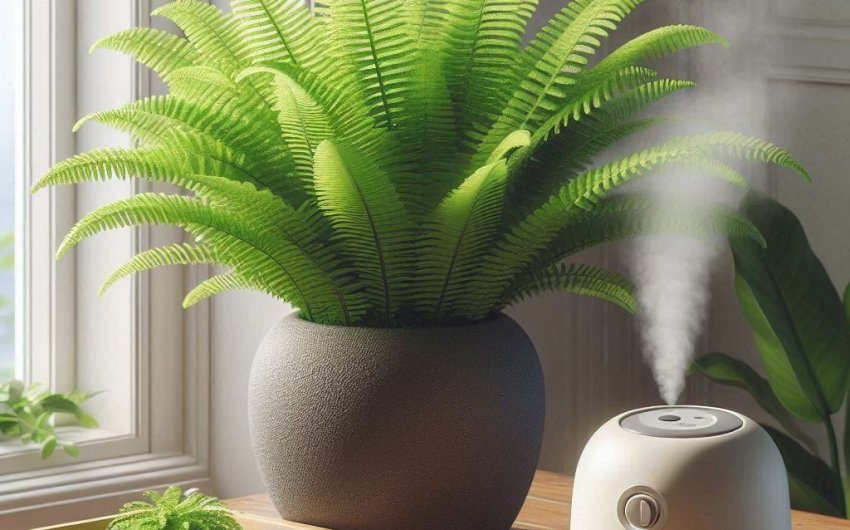
The Boston fern (Nephrolepis exaltata 'Bostoniensis') is a classic houseplant. It's loved for its lush, graceful fronds that can fill a space with vibrant green beauty. It's a popular choice for hanging baskets and adding a touch of nature indoors. But if you own one, you've probably faced a common and frustrating problem: brown leaves. Seeing those once-lively green fronds turn crispy and brown can make any plant parent worried. Don't throw in the towel yet! Most of the time, brown leaves on a Boston fern are a cry for help about its environment. Let's figure out why your fern is browning and how you can bring it back to its glorious green self.
What Are the Basic Needs of a Boston Fern?
To understand why your Boston fern is browning, it's helpful to know what it truly loves. These plants come from warm, humid, and somewhat shady places like tropical forests.
Where Do Boston Ferns Naturally Grow?
Boston ferns are native to tropical and subtropical regions all over the world, including Florida, Central and South America, and parts of Africa.
- Humid environments: They thrive in places with high moisture in the air, like swamps and rainforest floors.
- Shady spots: In their natural habitat, they grow under the canopy of larger trees, meaning they prefer filtered or indirect light, not harsh direct sun.
- Consistent moisture: They are used to consistently moist soil, but not soggy conditions.
What Kind of Light Does a Boston Fern Need?
This is crucial for their health.
- Bright, indirect light: This is the sweet spot. Place your fern near a window that gets bright light, but where the direct sun's rays don't hit the leaves. An east-facing window is often ideal.
- Partial shade: They can tolerate some partial shade, but too little light can lead to sparse growth.
- Avoid direct sun: Direct, intense sunlight, especially hot afternoon sun, will scorch their delicate fronds, causing them to turn yellow, then brown and crispy.
What About Humidity and Water?
These two factors are often the biggest culprits for browning.
- High humidity is key: Boston ferns crave humidity. They are not happy in dry indoor air, especially during winter when heaters are on. Aim for at least \(50\)\% humidity, ideally higher.
- Consistently moist soil: The soil should always feel slightly damp. Don't let it dry out completely. However, they also hate sitting in soggy, waterlogged soil, which can lead to root rot.
Top Reasons Your Boston Fern Leaves Are Turning Brown
Now that we know what they love, let's look at the common problems that cause those dreaded brown fronds.
1. Low Humidity: The Number One Culprit
This is, without a doubt, the most frequent reason Boston fern leaves turn brown, especially indoors.
- How it looks: The tips of the fronds will start to crisp and turn brown, and eventually, whole fronds might shrivel. You'll often see it on the oldest (outer) fronds first.
- Why it happens: Our homes, especially with heating or air conditioning running, can be very dry environments for a plant that loves humidity. The dry air pulls moisture out of the fern's leaves faster than the roots can supply it, leading to dehydration and browning.
- The fix:
- Mist regularly: Mist your fern daily or even twice a day with room-temperature water. A good plant mister can make this easy.
- Pebble tray: Place the pot on a saucer filled with pebbles and a little water. Make sure the bottom of the pot doesn't sit directly in the water. As the water evaporates, it creates a more humid microclimate around the plant.
- Humidifier: For serious dryness, a room humidifier near your fern (and other humidity-loving plants) is the most effective solution. You can find effective humidifiers for plants on Amazon.
- Group plants: Grouping plants together can create a slightly more humid environment as they release moisture through transpiration.
- Bathroom/Kitchen: These rooms often have higher humidity, making them ideal spots for ferns.
2. Improper Watering: Too Much or Too Little
Watering is tricky because both extremes can cause browning.
- Underwatering:
- How it looks: The fronds become crispy, brittle, and brown, starting from the tips and edges. The soil will feel completely dry. The plant might also seem lighter than usual.
- Why it happens: If the soil dries out too much, the roots can't supply enough water to the fronds, leading to dehydration and death of leaf tissue.
- The fix: Water thoroughly when the top inch of soil just begins to feel dry. Water until it drains out the bottom. If the soil is extremely dry and compacted, you might need to bottom water by placing the pot in a saucer of water for \(30\) minutes to an hour to let it soak up water from below.
- Overwatering (Leading to Root Rot):
- How it looks: Fronds might turn yellow first, then brown, becoming limp and mushy rather than crispy. The soil will often smell musty or sour. The plant might also look generally unwell and wilted, even though the soil is wet.
- Why it happens: Constant soggy soil suffocates the roots. Roots need oxygen to function. When deprived of oxygen, they start to rot, preventing the plant from taking up water and nutrients, even if water is present.
- The fix: This is more serious.
- Allow the soil to dry out more between waterings. Don't water on a schedule; water when the plant needs it.
- Ensure your pot has drainage holes and that excess water can escape.
- If root rot is suspected, gently remove the plant from its pot, inspect the roots (healthy roots are firm and white; rotted roots are mushy and brown/black). Prune off any rotted roots, repot in fresh, well-draining soil, and adjust your watering habits.
3. Too Much Direct Light (Sunburn)
Boston ferns are not sun-worshippers.
- How it looks: Yellow, bleached-looking spots or patches that quickly turn brown and crispy. This often appears on the fronds directly exposed to intense sunlight.
- Why it happens: The delicate fronds get scorched by intense UV rays, similar to sunburn on skin.
- The fix: Move your fern to a spot with bright, indirect light. A few feet away from a sunny window or behind a sheer curtain can make a big difference.
4. Lack of Nutrients (Under-fertilizing)
While ferns aren't heavy feeders, they do need some nutrients.
- How it looks: General yellowing, stunted growth, and eventually browning on older fronds. This is a slower process than browning from humidity or watering issues.
- Why it happens: The plant uses up the available nutrients in the soil and doesn't have enough to support new growth or maintain existing fronds.
- The fix: Fertilize your Boston fern every \(2\) to \(4\) weeks during the spring and summer growing season. Use a balanced liquid fertilizer diluted to half strength. Reduce or stop fertilizing in fall and winter when the plant is less active. A good liquid plant fertilizer can do wonders.
5. Over-fertilizing (Fertilizer Burn)
More is not always better when it comes to fertilizer.
- How it looks: Brown, crispy tips and edges, similar to low humidity, but often accompanied by a white or crusty residue on the soil surface.
- Why it happens: Too much fertilizer can cause a build-up of salts in the soil, which draws moisture out of the plant's roots, essentially burning them.
- The fix:
- Flush the soil: Thoroughly water the plant, letting water drain freely for several minutes to wash out excess salts. Repeat this a few times.
- Reduce frequency/strength: Fertilize less often or dilute your fertilizer more.
- Use appropriate fertilizer: Ensure you're using a fertilizer suitable for houseplants.
6. Temperature Extremes and Drafts
Boston ferns like stable, moderate temperatures.
- How it looks: Browning along edges or entire fronds, often accompanied by wilting.
- Why it happens: Sudden drops in temperature, cold drafts from windows or doors, or placement too close to heating/AC vents can stress the plant. High heat can also cause browning if humidity isn't adequate.
- The fix:
- Stable temperatures: Keep your fern in a room with consistent temperatures, ideally between \(65\) and \(75\) degrees Fahrenheit (\(18\)-\(24\) degrees Celsius).
- Avoid drafts: Keep it away from cold windows in winter or direct blasts from heating/cooling vents.
7. Old Age of Fronds (Natural Browning)
Sometimes, browning is just part of life.
- How it looks: Older, lower fronds naturally turn yellow, then brown, and eventually die off. This is a slow, gradual process, not a sudden widespread browning.
- Why it happens: Like all living things, plant parts have a lifespan. Older fronds simply complete their cycle.
- The fix: This is normal and nothing to worry about. Simply prune off these old, brown fronds at the base to keep the plant tidy and direct energy to new growth.
Other Less Common Reasons for Browning
While the above reasons cover most cases, a few other things can cause Boston fern leaves to brown.
Are Pests a Problem for Ferns?
Yes, Boston ferns can sometimes attract pests, which can cause damage leading to browning.
- Spider mites: These tiny pests thrive in dry, low-humidity environments. They suck sap from leaves, causing tiny yellow dots (stippling) that can turn into bronzing or browning. You might see fine webbing on the fronds.
- The fix: Increase humidity, mist regularly, and if severe, use insecticidal soap or neem oil spray, ensuring thorough coverage on the undersides of leaves. A good insecticidal soap for plants can be effective.
- Mealybugs: Look for white, cottony masses in leaf axils. They also suck sap and weaken the plant.
- The fix: Dab with a cotton swab dipped in rubbing alcohol. For severe cases, use insecticidal soap or neem oil.
Can Potting Mix Issues Cause Browning?
- Poor drainage: If your potting mix is too dense or compacted, it can hold too much water, leading to root rot (as discussed under overwatering).
- Old soil: Over time, potting soil can lose its structure and nutrients.
- The fix: Use a well-draining potting mix specifically designed for ferns or houseplants. Repot your fern every \(1\)-\(2\) years into fresh soil to replenish nutrients and improve drainage.
What About Tap Water Chemicals?
- Chlorine/Fluoride sensitivity: Some plants, including ferns, can be sensitive to chemicals like chlorine and fluoride found in tap water. This can cause brown tips.
- The fix: Let tap water sit out for \(24\) hours before watering to allow chlorine to evaporate. Or, use filtered water, distilled water, or rainwater.
How to Help Your Browned Boston Fern Recover
Seeing brown leaves is tough, but your Boston fern can bounce back!
Should I Prune Off Brown Fronds?
- Yes: Once a frond turns fully brown and crispy, it won't magically turn green again. Pruning it off directs the plant's energy to healthy growth.
- How to prune: Use clean, sharp pruning shears or scissors. Cut the brown frond all the way down to the base of the plant, near the soil line. A precise pruning shears will help make clean cuts.
- Don't over-prune: Only remove truly dead or completely brown fronds. If a frond is only partially brown, you can just trim off the brown tips.
What Is the Most Important Thing for Recovery?
Consistent high humidity and proper watering are the two most critical factors for your Boston fern's recovery and long-term health. Once you address the root cause of the browning, your plant will start pushing out new, vibrant green fronds.
How Long Does It Take to Recover?
- Patience is key: Plants don't recover overnight. It might take several weeks or even a couple of months to see significant new growth, especially if the plant was severely stressed.
- Monitor new growth: Keep an eye out for fresh, unfurling fronds. This is a good sign your plant is happy again.
- Don't move it too much: Once you find a spot your fern likes, try to keep it there. Frequent moves can stress the plant.
By understanding the needs of your Boston fern and regularly checking for the signs of distress, you can quickly identify and fix the problem. With consistent care, especially focusing on humidity and watering, your fern will soon return to being the lush, green centerpiece you love. Embrace the learning process, and enjoy the beauty of your thriving Boston fern!