
What Are the Best Growing Conditions for Pomegranate Plants?
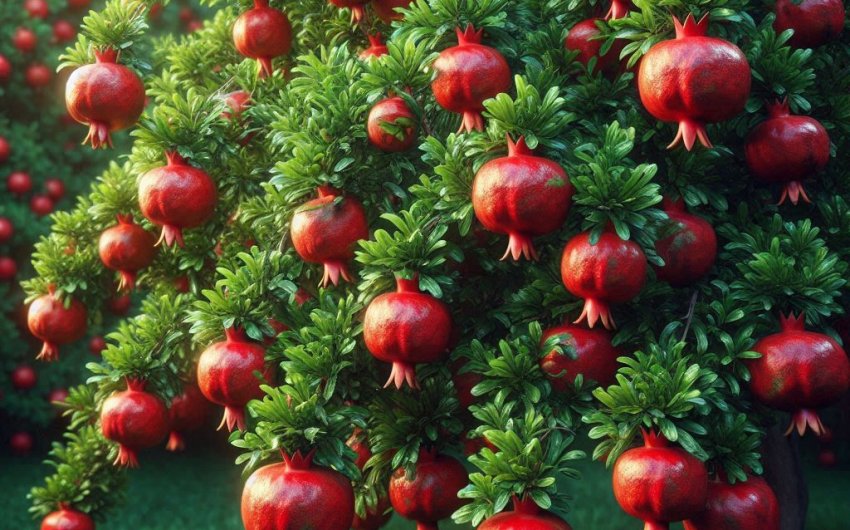
Cultivating the resilient and fruitful pomegranate plant offers the delight of homegrown, jewel-toned arils, but successful yields hinge on providing specific environmental conditions. Understanding what are the best growing conditions for pomegranate plants is paramount for nurturing these ancient beauties, ensuring they thrive and produce abundant, delicious fruit. This comprehensive guide will explore the ideal climate, soil, light, and water requirements to unlock the full potential of your pomegranate trees or shrubs.
What kind of climate do pomegranate plants prefer?
The climate is arguably the most crucial factor when considering what are the best growing conditions for pomegranate plants. These resilient plants have specific temperature and chilling requirements that directly influence their ability to flower and produce fruit.
Where do pomegranate plants originate?
Pomegranate (Punica granatum) plants are native to the region spanning from Iran to northern India. This origin informs their preferences: they are accustomed to hot, dry summers and mild to cool winters.
What are the ideal temperature ranges for pomegranates?
Pomegranates thrive in a Mediterranean or semi-arid climate characterized by:
- Hot, dry summers: They love intense summer heat, which is essential for fruit ripening. Temperatures consistently above 90°F (32°C) during the summer are ideal for developing sweet, fully flavored fruit. Lack of sufficient heat will result in sour, underripe fruit.
- Cool winters with some chill: While they are fairly cold-hardy, they do require a period of dormancy, usually triggered by temperatures dipping below 45°F (7°C). This chilling period is important for flower and fruit production.
What are the cold hardiness zones for pomegranates?
Most common pomegranate varieties are hardy in USDA Plant Hardiness Zones 7 to 10.
- Zone 7: Pomegranates can survive here, but often require a sheltered location, especially for younger plants. There might be some dieback in harsh winters, but they usually regrow from the roots. Fruit production may be less consistent if summers are not hot enough.
- Zone 8-10: These zones are generally ideal, providing enough summer heat for ripening and sufficient winter chill for dormancy.
Can pomegranates tolerate frost?
- Established plants: Mature, established pomegranate plants can tolerate temperatures down to about 10-15°F (-12 to -9°C) for short periods, especially if they are dormant.
- Young plants: Young pomegranates (first few years) are more susceptible to frost damage and may need protection during severe cold spells (e.g., covering with a blanket or burlap, or growing in a container that can be moved).
- Spring frost damage: Late spring frosts can damage newly emerging leaves and flowers, impacting the current year's fruit production.
Understanding these climatic preferences is the first critical step in ensuring pomegranate plants flourish in your garden.
How much sunlight do pomegranate plants need?
Sunlight is another non-negotiable factor when considering what are the best growing conditions for pomegranate plants. These fruit-bearing beauties are true sun-worshippers, and insufficient light will lead to poor flowering and disappointing fruit yields.
What is the ideal amount of sun for pomegranates?
Pomegranate plants require full sun to produce their best fruit. This means they need at least 6-8 hours of direct sunlight per day, preferably more.
- Maximum sun exposure: Aim for a location that receives sun throughout the entire day, especially during the crucial summer ripening period. The more sun, the better.
What are the impacts of insufficient sunlight?
If pomegranate plants don't receive enough direct sunlight, you will likely observe:
- Reduced flowering: The plant may produce very few or no flowers at all. Since flowers are what turn into fruit, this directly impacts your harvest.
- Poor fruit set: Even if some flowers appear, they may not develop into fruit.
- Small, sour fruit: Any fruit that does manage to grow will likely be smaller, have a poorer flavor, and may not fully ripen.
- Leggy, weak growth: The plant will stretch towards the light, resulting in spindly, less robust branches.
- Increased susceptibility to disease: Stressed plants are more vulnerable to pests and diseases.
Where is the best planting location for optimal sun?
- South-facing wall/exposure: In cooler climates (Zone 7-8), planting a pomegranate against a south-facing wall can provide reflected heat and maximize sun exposure, helping with fruit ripening.
- Open areas: Choose a spot in your garden that is not shaded by large trees, buildings, or other structures for the majority of the day.
- Avoid competition: Ensure there aren't other plants nearby that will eventually grow to shade out your pomegranate.
- Consider reflected light: White walls or fences nearby can actually enhance the light intensity for your plant.
Providing ample sunlight is paramount for successful fruit production, making it a cornerstone of what are the best growing conditions for pomegranate plants.
What kind of soil do pomegranate plants thrive in?
While remarkably adaptable, the right soil conditions significantly influence the health and productivity of your pomegranate plants. Understanding their preferences, particularly for drainage, is a key component of providing what are the best growing conditions for pomegranate plants.
What are the ideal soil characteristics for pomegranates?
Pomegranates prefer well-draining soil with a slightly acidic to neutral pH.
- Drainage: This is the most crucial factor. Pomegranates absolutely detest "wet feet" – consistently soggy or waterlogged soil. Poor drainage leads to root rot, which can quickly kill the plant.
- Loamy or sandy loam: These soil types are ideal as they allow water to drain freely while retaining some moisture and nutrients.
- pH: Pomegranates are quite tolerant of a range, but generally prefer a pH between 5.5 and 7.0. They can even tolerate slightly alkaline soils up to pH 8.0, though they may experience iron deficiency (chlorosis) in very alkaline conditions.
- Organic matter: While they can grow in relatively poor soils, incorporating some organic matter improves soil structure, drainage, and nutrient retention.
What are common soil problems and how to address them?
- Heavy Clay Soil:
- Problem: Clay soil is dense, drains poorly, and can suffocate roots.
- Solution: Amend heavy clay soil generously with organic matter like garden compost, aged manure, or pine bark fines. You might need to raise the planting bed to improve drainage if the clay is very stubborn.
- Excessively Sandy Soil:
- Problem: Drains too quickly, leading to nutrient leaching and rapid drying.
- Solution: Amend with organic matter (compost) to improve water retention and nutrient-holding capacity.
- Incorrect pH:
- Problem: Soil that is too alkaline can lead to iron chlorosis (leaves turning yellow with green veins). Soil that is too acidic can hinder nutrient availability.
- Solution: Perform a soil test kit to determine your soil's pH. If too high, lower it gradually with elemental sulfur. If too low, raise it with agricultural lime.
- Compaction:
- Problem: Compacted soil prevents root growth and drainage.
- Solution: Dig a large planting hole and loosen the surrounding soil. Incorporate organic matter.
How to prepare the planting site for new pomegranate plants:
- Dig a wide hole: Dig a planting hole that is at least two to three times wider than the root ball, but only as deep as the root ball.
- Amend the soil: Mix the excavated soil with plenty of well-rotted compost or other organic amendments to improve drainage and fertility.
- Create a mound (if drainage is poor): In areas with very heavy or poorly draining soil, consider planting on a slight mound or raised bed to ensure adequate drainage.
By prioritizing well-drained soil and addressing any underlying issues, you provide an excellent foundation for your pomegranate plants to flourish.
How much water do pomegranate plants need?
Watering is a critical aspect of the care and conditions for pomegranate plants, particularly during establishment and fruit development. While mature plants are remarkably drought-tolerant, consistent moisture at key times is essential for maximizing fruit yield and quality.
What are the watering needs for new vs. established plants?
- Newly Planted Pomegranates (first 1-2 years):
- Frequency: Need consistent moisture to establish a strong root system. Water 2-3 times per week, or more frequently during hot, dry periods.
- Depth: Water deeply to encourage roots to grow down, not just at the surface.
- Monitoring: Check the soil moisture before watering. It should feel slightly moist, but not soggy, 2-3 inches below the surface.
- Established Pomegranate Plants (after 2+ years):
- Drought Tolerance: Once established, pomegranates are very drought-tolerant and can survive long periods without supplemental water. This is part of their adaptation to arid climates.
- For Fruit Production: However, to get a good harvest of large, juicy fruit, they benefit from consistent watering, especially during flowering and fruit development.
- Frequency: During dry periods in spring (flowering) and summer (fruit ripening), water deeply once every 1-2 weeks.
- Reduce watering in fall: As fruit approaches maturity, gradually reduce watering. Overwatering at this stage can cause fruit to split.
- Winter dormancy: Stop watering completely during the dormant winter months, unless you are in a very dry climate and the soil becomes bone dry.
What are the best watering practices?
- Deep watering: Always water deeply to encourage deep root growth. Shallow, frequent watering leads to shallow roots, making the plant less drought-tolerant.
- Avoid overhead watering: Water at the base of the plant using a soaker hose or drip irrigation. Overhead watering can encourage fungal diseases and doesn't get water efficiently to the roots.
- Mulch: Apply a 2-4 inch layer of organic mulch (e.g., wood chips, straw, compost) around the base of the plant, keeping it a few inches away from the trunk. Mulch helps retain soil moisture, suppresses weeds (which compete for water), and moderates soil temperature. You can use garden mulch.
- Monitor soil: Use a soil moisture meter or simply stick your finger into the soil to determine if watering is truly needed.
| Plant Stage | Watering Frequency (general guide) | Considerations |
|---|---|---|
| Newly Planted | 2-3 times per week | Crucial for root establishment, deep watering |
| Established (for fruit) | 1-2 times per week (during dry spells) | Essential during flowering and fruit ripening |
| Established (survival) | Very infrequent, drought tolerant | Can survive dry periods, but fruit suffers |
Consistent and thoughtful watering practices, especially during key growth stages, contribute significantly to what are the best growing conditions for pomegranate plants for a bountiful harvest.
How do you fertilize pomegranate plants?
Fertilization is an important aspect of providing what are the best growing conditions for pomegranate plants, but these plants are not heavy feeders. Over-fertilization can be detrimental, leading to excessive leafy growth at the expense of fruit production, or even burning the roots.
When should you fertilize pomegranate plants?
The best time to fertilize pomegranate plants is in early spring, just as new growth begins to emerge, and potentially again in early summer. Avoid fertilizing in late summer or fall, as this can encourage new, tender growth that is vulnerable to early frosts.
What type of fertilizer is best for pomegranates?
- Balanced or slightly higher nitrogen: For young plants that are establishing and growing vegetatively, a balanced fertilizer (e.g., 8-8-8, 10-10-10) or one slightly higher in nitrogen can be used.
- Lower nitrogen for fruiting plants: Once established and in fruit production, a fertilizer that is lower in nitrogen and higher in phosphorus and potassium (e.g., 5-10-10) can encourage flowering and fruiting rather than just leafy growth.
- Organic options: Many gardeners prefer organic fertilizers like granular organic fruit tree fertilizer, well-rotted compost, or aged manure. These release nutrients slowly, improve soil health, and are less likely to cause burn.
- Micronutrients: If your soil test indicates deficiencies, particularly of iron (common in alkaline soils causing yellowing leaves), a specialized chelated iron supplement can be beneficial.
How much and how often should you fertilize?
- First year (new plants): Fertilize lightly, perhaps 1/4 to 1/2 cup of a balanced granular fertilizer, spread around the drip line (the outer edge of the branches) in spring.
- Established plants (2+ years): Apply 1/2 to 1 pound of balanced or fruit-specific granular fertilizer per plant in early spring. You can do a second, lighter application in early summer if growth or fruit set is slow.
- Always follow label directions: Fertilizer instructions vary widely by brand and formulation. Always read and adhere to the product label for specific application rates.
- Broadcast evenly: Spread granular fertilizer evenly around the drip line of the plant, avoiding direct contact with the trunk.
- Water in thoroughly: Always water the plant well immediately after applying granular fertilizer to help the nutrients move into the soil and prevent root burn.
- Soil test first: The most accurate way to know your fertilization needs is to perform a soil test. This will identify specific nutrient deficiencies or excesses and help you tailor your fertilizer program.
By understanding the moderate fertilization needs of pomegranate plants and applying nutrients judiciously, you can support their growth and maximize fruit production, fulfilling another key aspect of what are the best growing conditions for pomegranate plants.
How do you prune pomegranate plants?
Pruning is a crucial practice for maintaining the health, shape, and productivity of your pomegranate plants. Proper pruning techniques encourage flowering, improve fruit quality, and manage the plant's size, contributing significantly to what are the best growing conditions for pomegranate plants.
Why is pruning important for pomegranates?
- Shape and structure: Pomegranates naturally grow as multi-stemmed shrubs. Pruning allows you to train them as a shrub or a small tree, managing their size and form.
- Air circulation: Removing congested branches improves air circulation within the canopy, reducing the risk of fungal diseases.
- Sunlight penetration: Opening up the canopy allows more sunlight to reach the inner branches and developing fruit, which is vital for ripening and color.
- Fruit production: Pomegranates primarily fruit on old wood (2-5 years old). Pruning helps maintain a balance of new and older wood to ensure continuous fruiting. It also stimulates new growth, which will produce fruit in future years.
- Remove dead/diseased wood: Essential for plant health and preventing the spread of disease.
When is the best time to prune a pomegranate?
The best time for major pruning is during the dormant season, typically in late winter or early spring before new growth begins and before flower buds form. Light touch-up pruning can be done during the growing season as needed.
What are the main pruning goals and techniques?
Pomegranates can be trained as a multi-stemmed shrub or a single-trunk tree.
1. Multi-stemmed Shrub Form (most common):
- Year 1-2 (Establishment):
- Allow 3-5 strong, well-spaced shoots to develop from the base to form the main structural branches. Remove any weak or crossing shoots.
- Pinch back growing tips to encourage bushiness.
- Established Plants (Annual Dormant Pruning):
- Remove suckers: Pomegranates are notorious for producing suckers from their base. Continuously remove these at ground level to maintain your desired form.
- Remove water sprouts: These are fast-growing, upright shoots that don't typically produce fruit.
- Remove dead, diseased, or damaged wood: Cut these back to healthy wood.
- Thin out congested branches: Remove any crossing branches or those growing inwards to improve air circulation and light penetration. Aim for an open, goblet-like shape.
- Remove weak or unproductive branches: Pomegranates fruit on older wood. Remove older branches that are no longer productive to encourage new growth that will bear fruit in future seasons. Aim to remove about 20% of the oldest wood annually.
- Tip: Use clean, sharp pruning shears for plants and loppers for larger branches.
2. Single-trunk Tree Form (requires more effort):
- Year 1-3: Select one strong central leader. Remove all other suckers from the base. Gradually remove lower branches to form a clear trunk up to 2-3 feet high.
- Established Plants: Continue removing suckers and lower branches. Prune the upper canopy similar to a multi-stemmed shrub to maintain shape and encourage fruiting wood.
Light Summer Pruning (as needed):
- Remove any dead, diseased, or clearly unproductive branches.
- Pinch back new growth to manage size if necessary, but avoid heavy pruning during the fruiting season.
By applying these pruning techniques consistently, you can guide your pomegranate plant's growth, ensuring it remains healthy, well-shaped, and consistently productive, truly maximizing what are the best growing conditions for pomegranate plants.
How do you manage common pests and diseases in pomegranate plants?
While generally robust, pomegranate plants can occasionally face challenges from pests and diseases. Understanding how to identify and manage these issues is a key part of providing what are the best growing conditions for pomegranate plants and ensuring a healthy, productive harvest.
What are common pomegranate pests?
- Aphids: Small, soft-bodied insects that cluster on new growth, causing distorted leaves and sticky honeydew.
- Management: A strong spray of water can dislodge them. Introduce beneficial insects like ladybugs for gardens. For heavier infestations, use insecticidal soap for plants or neem oil for plants.
- Whiteflies: Tiny, white, winged insects that cluster on leaf undersides and fly up in a cloud when disturbed. They also excrete honeydew.
- Management: Use sticky traps to monitor. Spray with insecticidal soap or neem oil. Encourage beneficial insects.
- Mealybugs: Small, white, cottony pests that cluster in leaf axils and along stems, also leaving honeydew.
- Management: Dab with a cotton swab dipped in rubbing alcohol. For severe cases, use insecticidal soap or neem oil.
- Pomegranate Fruit Borer (Conopomorpha litchiella): A common pest in some regions, larvae bore into the developing fruit, causing decay and drop.
- Management: Cultural control is key: pick up and destroy all fallen and infested fruit. Use pheromone traps to monitor adult moths. Bagging individual fruit with paper bags once they set can protect them.
- Scale Insects: Small, immobile bumps on stems and leaves. They suck sap and excrete honeydew.
- Management: Scrape off light infestations. For heavier infestations, use dormant oil spray in winter (if appropriate for your climate) or horticultural oil/neem oil during the growing season.
What are common pomegranate diseases?
- Cercospora Fruit Spot (or Leaf Spot): Causes small, dark, sunken spots on fruit and leaves.
- Management: Remove and destroy infected plant parts. Improve air circulation through proper pruning. Avoid overhead watering. Apply a copper-based fungicide for plants if severe.
- Anthracnose: Causes irregular, dark, sunken spots on leaves, stems, and fruit, often with concentric rings. Can lead to fruit rot.
- Management: Similar to Cercospora. Practice good sanitation (remove fallen leaves/fruit), prune for air circulation, and use fungicides if necessary.
- Root Rot: Caused by consistently waterlogged soil, leading to yellowing, wilting, and eventual death of the plant.
- Management: Prevention is key. Ensure excellent drainage in the planting site. Amend heavy soils. Avoid overwatering.
What are general pest and disease prevention strategies?
- Choose resistant varieties: When available, select pomegranate cultivars known for their resistance to common local pests and diseases.
- Good sanitation: Regularly clean up fallen leaves, fruit, and plant debris around the base of the plant. This removes overwintering sites for pests and disease spores.
- Proper pruning: Prune annually to improve air circulation within the canopy and allow more sunlight penetration.
- Balanced nutrition and watering: Healthy, vigorous plants are more resistant to pests and diseases. Follow recommended fertilization and watering practices.
- Monitor regularly: Inspect your plants frequently for early signs of pest or disease activity. Early detection makes control much easier.
- Encourage beneficial insects: Plant diverse flowers around your pomegranate to attract natural predators of common pests.
By adopting these proactive management strategies, you can keep your pomegranate plants healthy and productive, fulfilling a crucial aspect of what are the best growing conditions for pomegranate plants.
Can pomegranate plants be grown in containers?
Yes, pomegranate plants can absolutely be grown in containers, making them a versatile choice even for those without in-ground garden space. Growing pomegranates in pots is an excellent way to provide what are the best growing conditions for pomegranate plants for several reasons, especially in colder climates or areas with unsuitable soil.
Why grow pomegranates in containers?
- Climate Control: For gardeners in USDA Zones below 7, container growing allows you to move the plant indoors during winter, protecting it from freezing temperatures and fulfilling its chilling requirements without risking freeze damage.
- Soil Control: If your native soil is heavy clay, extremely sandy, or has an unsuitable pH, container growing allows you to provide the ideal well-draining, slightly acidic to neutral potting mix.
- Portability: You can easily move the plant to follow the sun's path throughout the day, ensuring it always gets the maximum required sunlight. This is particularly useful on patios or balconies.
- Space Saving: Dwarf or compact varieties are perfect for patios, decks, or small gardens where in-ground planting isn't feasible.
- Aesthetics: Pomegranate plants have beautiful foliage, attractive flowers (often orange-red), and striking fruit, making them excellent ornamental additions to a patio.
What are the best varieties for container growing?
Look for dwarf or compact varieties specifically bred for smaller spaces and container growing. Some popular choices include:
- 'Nana' or 'Punica granatum 'Nana'': A true dwarf variety that typically grows to only 2-3 feet tall. It produces small, ornamental fruit (usually not for eating) but flowers profusely.
- 'Wonderful Dwarf': A more compact version of the popular 'Wonderful' cultivar, producing edible fruit on a smaller plant.
- 'Salavatski': A more cold-hardy and compact edible variety suitable for containers.
- 'Pink Ice': A smaller, thornless cultivar known for sweet, pink-fleshed fruit.
What are the specific care requirements for container-grown pomegranates?
- Container Size:
- Start with a 5-gallon pot for a young plant.
- Gradually increase the pot size as the plant grows, moving to a 10-15 gallon pot (or even larger, like half whiskey barrels) for mature fruiting plants. Ensure the plant pot with drainage has excellent drainage holes.
- Potting Mix:
- Use a high-quality, well-draining potting mix for outdoor containers, preferably one designed for citrus or fruiting plants. You can amend it with extra perlite or bark for even better drainage.
- Watering:
- Container plants dry out much faster than in-ground plants. You will likely need to water daily or every other day during hot, sunny summer weather. Always check the soil moisture before watering. Ensure proper drainage to avoid soggy conditions.
- Fertilization:
- Container plants require more frequent fertilization than in-ground plants because nutrients leach out with watering. Use a balanced, slow-release granular fertilizer or a liquid fertilizer every 2-4 weeks during the growing season. Follow label directions precisely, or err on the side of under-fertilizing.
- Pruning:
- Pruning is even more critical for container pomegranates to maintain a manageable size and shape. Follow the shrub-form pruning guidelines, focusing on keeping the plant compact and encouraging fruiting wood.
- Winter Protection:
- Move the potted plant to a cool, dark, frost-free location (e.g., garage, basement, unheated shed) once temperatures consistently drop below 45-40°F (7-4°C).
- Reduce watering significantly during dormancy – just enough to keep the soil from becoming bone dry.
- Move it back outdoors in spring after the danger of frost has passed.
By selecting appropriate dwarf varieties and providing diligent container-specific care, you can successfully grow pomegranate plants in pots, truly mastering what are the best growing conditions for pomegranate plants in a confined space.