
What Are the Ideal Growing Conditions for Pineapple Plants?
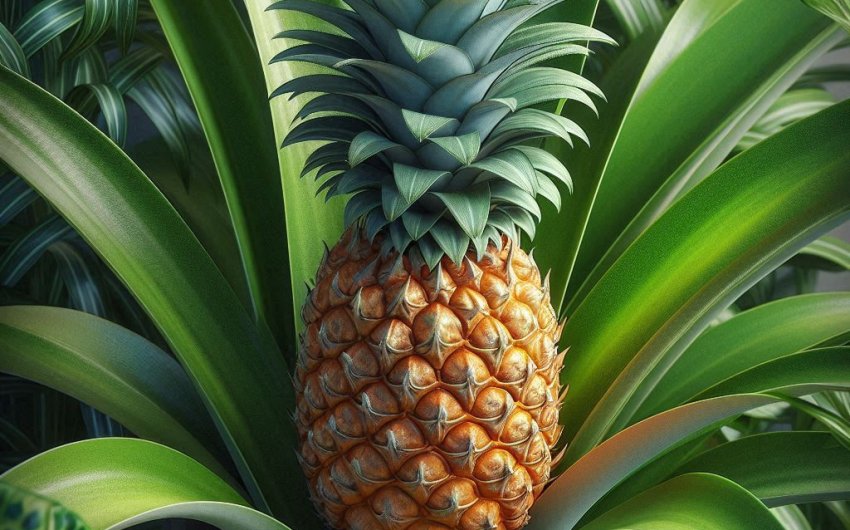
Cultivating a pineapple plant, whether indoors or out, can be a highly rewarding experience, culminating in the harvest of your very own tropical fruit. Achieving this success, however, hinges on understanding and replicating the specific environmental factors that these unique plants crave. From abundant sunlight to just the right amount of moisture, mastering these elements is key to fostering vibrant growth and delicious fruit production. This guide explores what are the ideal growing conditions for pineapple plants, helping you transform a simple fruit top into a thriving, fruiting specimen.
Where Do Pineapple Plants Naturally Thrive?
To understand the ideal growing conditions for pineapple plants, it's helpful to look at their natural habitat. Pineapple plants (Ananas comosus) are native to South America, specifically the region between southern Brazil and Paraguay. They are members of the Bromeliad family, a diverse group of plants known for their ability to store water and nutrients in specialized leaf structures. Their origins dictate their preferences for warm, sunny, and somewhat humid environments.
Tropical and Subtropical Climates
Pineapples flourish in tropical and subtropical regions around the world. These climates are characterized by consistently warm temperatures, high humidity, and distinct wet and dry seasons. This explains why major pineapple-producing countries like Costa Rica, the Philippines, and Thailand are located in these belts. Replicating these conditions, especially temperature and light, is paramount for home growers.
Well-Drained Soil
In their natural habitat, pineapple plants often grow in somewhat sandy or rocky soils that drain quickly. They are not accustomed to waterlogged conditions, which can lead to root rot. This preference for well-drained soil is a critical factor to consider when preparing their growing medium, whether in a pot or in the ground.
What Are the Light Requirements for Pineapple Plants?
Sunlight is arguably the most crucial factor for pineapple plant growth and fruit production. These tropical plants are sun-worshippers, and insufficient light is often the primary reason for slow growth or a lack of flowering and fruiting in home cultivation. Providing ample light is foundational to creating the ideal growing conditions for pineapple plants.
Full Sun Exposure
Pineapple plants absolutely thrive in full sun, meaning at least six to eight hours of direct sunlight per day. When grown outdoors in warm climates, they should be placed in the sunniest spot available. This intense light fuels the plant's photosynthesis, which is vital for developing sweet, large fruit.
Indoors: The Sunniest Window
If growing pineapple plants indoors, place them in the brightest available location. A south-facing window is usually best in the Northern Hemisphere, providing the most direct light throughout the day. East or west-facing windows can work, but a south-facing spot offers superior intensity.
Supplement with Grow Lights
In areas with shorter daylight hours or during cloudy winters, natural light might not be enough. Supplementing with a grow light is highly recommended to ensure your pineapple plant receives adequate light. A Full Spectrum LED Grow Light can mimic natural sunlight and significantly boost growth. Keep the light on for 12-14 hours a day to simulate tropical conditions.
What Temperatures Do Pineapple Plants Prefer?
As tropical plants, pineapples are very sensitive to cold. Consistent warmth is vital for their survival and productive growth. Understanding and maintaining their preferred temperature range is a non-negotiable part of providing the ideal growing conditions for pineapple plants.
Warm, Consistent Temperatures
The ideal temperature range for pineapple plants is between 65°F and 95°F (18°C to 35°C). They prefer consistent warmth and do not tolerate frost at all. Even temperatures dipping below 60°F (15°C) for extended periods can cause stress, leading to stunted growth or damage.
Protecting from Cold
If you live in a climate with cool winters, it's essential to protect outdoor pineapple plants. Bring potted plants indoors when temperatures drop below 50°F (10°C). Indoors, ensure they are not placed near drafty windows or cold exterior walls. A Plant Heat Mat can provide consistent warmth to the root zone, especially for younger plants or in cooler indoor environments.
How Important is Humidity for Pineapple Plants?
While not as critical as sunlight or temperature, adequate humidity can certainly contribute to the overall health and vigor of a pineapple plant, especially when grown indoors where air tends to be drier. Since they are tropical, a certain level of atmospheric moisture is part of their natural ideal growing conditions for pineapple plants.
Moderate to High Humidity
Pineapple plants appreciate moderate to high humidity, ideally around 60-70%. In their native environment, they benefit from abundant atmospheric moisture. Indoors, particularly during dry winter months, humidity levels can drop significantly, potentially causing leaf tips to brown.
Boosting Indoor Humidity
If your indoor air is dry, there are several ways to increase humidity around your pineapple plant.
- Misting: Lightly misting the plant's leaves a few times a week can provide temporary relief. Use a fine Plant Mister for this.
- Pebble Tray: Place the pot on a saucer filled with pebbles and water, ensuring the pot doesn't sit directly in the water. As the water evaporates, it increases localized humidity. You can use Decorative Pebbles for Plants.
- Humidifier: For more consistent humidity, especially if growing multiple tropical plants, a Room Humidifier is the most effective solution.
What Type of Soil and Nutrients Do Pineapple Plants Need?
The right growing medium is crucial for pineapple plants, providing proper drainage, aeration, and essential nutrients. As bromeliads, they have unique root systems adapted to their native environments. Understanding their soil and nutrient preferences is a vital component of the ideal growing conditions for pineapple plants.
Acidic, Well-Draining Soil
Pineapple plants prefer slightly acidic soil with a pH range of 4.5 to 6.5. More importantly, the soil must be extremely well-draining. They cannot tolerate soggy conditions, which can quickly lead to root rot and plant death. A good mix would be one part potting soil, one part coarse sand or perlite, and one part peat moss or coco coir. An Organic Potting Mix combined with Horticultural Perlite can work well.
Proper Potting Material and Size
For potted pineapple plants, use a container with ample drainage holes. Terra cotta pots are excellent as they allow the soil to breathe and excess moisture to evaporate. Start with a pot proportional to the top cutting (6-8 inches in diameter) and repot into larger containers as the plant grows, eventually reaching a 10-15 gallon pot for fruiting.
Balanced Fertilization
Pineapples are relatively heavy feeders once established. During the active growing season (spring and summer), fertilize your plant every 1-2 months. Use a balanced liquid fertilizer with micronutrients, diluted to half strength. Look for a fertilizer specifically for bromeliads or acid-loving plants, like Espoma Organic Pineapple Food. Avoid over-fertilizing, which can burn the roots.
Foliar Feeding
As bromeliads, pineapple plants can absorb some nutrients through their leaves. Foliar feeding with a very dilute liquid fertilizer (quarter strength) can supplement their nutrient intake. Spray the diluted solution directly onto the leaves, especially into the central cup, but avoid overdoing it, which can cause leaf burn.
How Should I Water My Pineapple Plant?
Watering technique is critical for pineapple plants. While they need consistent moisture, they are highly susceptible to root rot if overwatered. Balancing these needs is fundamental to establishing the ideal growing conditions for pineapple plants.
Water When Top Soil is Dry
The key is to water thoroughly but allow the top 1-2 inches of soil to dry out completely between waterings. Stick your finger into the soil to check moisture levels before watering. When watering, apply enough water until it drains from the bottom of the pot. Never let the pot sit in standing water. A simple Soil Moisture Meter can help take the guesswork out of watering.
Water the Central Cup
Pineapple plants, like other bromeliads, have a central "cup" formed by their tightly overlapping leaves. In their natural habitat, this cup collects rainwater, which the plant can then absorb. When watering, it's beneficial to pour a little water into this central cup, but ensure it doesn't stay stagnant for too long to prevent rot. Flush it out occasionally to prevent mineral buildup.
Reduce Watering in Winter
During the cooler, darker winter months, pineapple plants enter a period of slower growth or dormancy. Reduce watering frequency significantly during this time to prevent soggy soil, which is particularly dangerous when the plant is not actively absorbing much water.
What Is the Timeline for Pineapple Fruiting?
Patience is a virtue when growing pineapple plants, especially when waiting for them to produce fruit. The journey from planting a top to harvesting a ripe pineapple can take a significant amount of time, but understanding the timeline can manage expectations and guide your care. Meeting the ideal growing conditions for pineapple plants accelerates this process.
Rooting the Top (4-8 Weeks)
The first step, rooting a pineapple top, typically takes about 4 to 8 weeks. You can root the top in water or directly in soil. While water rooting often shows faster visual results, planting directly into soil can lead to a stronger root system. For best results, use a healthy, fresh pineapple top.
Vegetative Growth (1-2 Years)
After rooting, the plant enters a lengthy vegetative growth phase, focusing on developing a robust root system and a large crown of leaves. This stage can last anywhere from 1 to 2 years, sometimes even longer, depending on the growing conditions. During this time, consistent light, warmth, and appropriate watering and feeding are crucial for building a strong plant capable of supporting fruit.
Inducing Flowering (Optional, After 1-2 Years)
Once your plant has reached maturity (usually around 2-3 feet tall with at least 30-40 healthy leaves), you can attempt to induce flowering. This is often done using ethylene gas, which can be produced by ripening fruits like apples. Place a ripe apple or banana in a bag with your pineapple plant for a week or so. This typically initiates flowering within 6-8 weeks. Some growers use commercial products like Ethylene Gas Ripener for more consistent results.
Fruit Development (3-6 Months)
Once a flower spike appears, fruit development typically takes another 3 to 6 months. The small purple flowers will eventually transform into the familiar pineapple fruit. During this period, ensure the plant continues to receive ample sunlight, water, and nutrients.
Ripening and Harvest
The fruit is ready for harvest when its skin turns yellow-orange from the bottom up, and it emits a sweet aroma. A ripe pineapple should also feel slightly soft when squeezed. The entire process from planting the top to harvesting the fruit can take 2 to 3 years or even longer. Patience and consistent care under the ideal growing conditions for pineapple plants are key to this rewarding endeavor.
What Are Common Problems and Solutions for Pineapple Plants?
Even when striving for the ideal growing conditions for pineapple plants, issues can arise. Recognizing common problems and knowing how to address them can save your plant and ensure a successful harvest.
Brown or Crispy Leaf Tips
This is often a sign of insufficient humidity, underwatering, or mineral buildup from tap water.
- Solution: Increase humidity (misting, pebble tray, humidifier). Ensure consistent watering, allowing the soil to dry slightly between waterings. If using tap water, switch to distilled or rainwater.
Yellowing Leaves
Yellowing leaves can indicate overwatering (leading to root rot), nutrient deficiency, or insufficient light.
- Solution: Check soil moisture – if soggy, let it dry out. Improve drainage. If watering is correct, consider a balanced fertilizer. Ensure the plant is receiving enough light.
Stunted Growth or No Fruiting
Lack of growth or fruit is almost always due to insufficient light or cold temperatures.
- Solution: Move the plant to a sunnier location or add supplemental grow lights. Ensure temperatures remain consistently warm, above 65°F (18°C).
Root Rot
Caused by consistently wet, poorly draining soil. Symptoms include yellowing leaves, soft base, and foul odor from the soil.
- Solution: This is serious and often fatal. If caught early, repot into fresh, well-draining soil, trimming any mushy, discolored roots. Ensure proper watering practices and drainage holes in the pot.
Mealybugs or Scale
These sap-sucking pests can appear on leaves.
- Solution: Isolate the plant. For light infestations, wipe pests off with a cotton swab dipped in rubbing alcohol. For heavier infestations, use an organic insecticidal soap or Neem Oil Spray.
By consistently providing these ideal growing conditions for pineapple plants, you significantly increase your chances of nurturing a healthy, productive plant that will eventually reward you with its sweet, homegrown fruit.