
What Are the Best Growing Conditions for Avocado Plants?
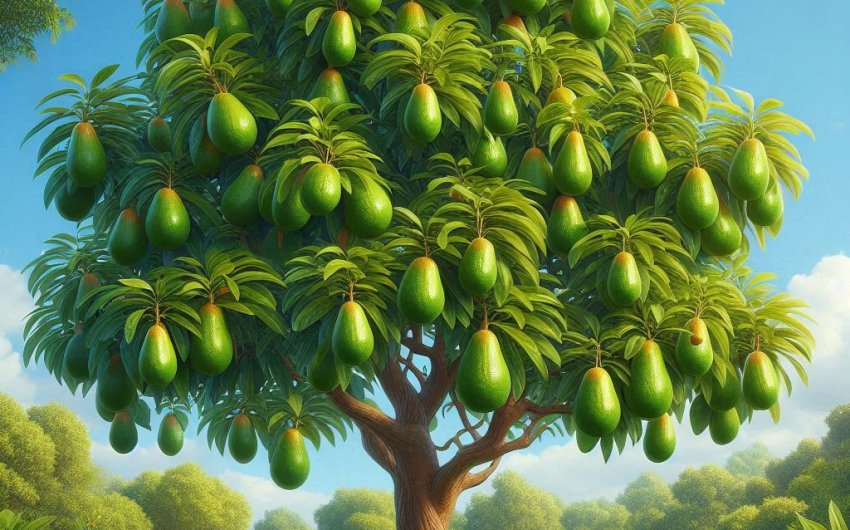
Cultivating healthy, productive avocado trees hinges on understanding what are the best growing conditions for avocado plants. These beloved fruit trees, native to tropical and subtropical regions, are somewhat particular about their environment but incredibly rewarding when their needs are met. From consistent temperatures and ample sunlight to specific soil requirements, optimizing their growing conditions is the key to enjoying a bountiful harvest of your own creamy, homegrown avocados.
What Kind of Climate and Temperatures Do Avocado Plants Need?
Avocado trees (Persea americana) are primarily tropical and subtropical plants, meaning they have very specific needs regarding temperature and climate. This is often the biggest limiting factor for home growers.
Climate and Hardiness Zones
- Optimal Climate: Avocados thrive in consistently warm climates with mild winters and plenty of sunshine. They are particularly sensitive to frost.
- USDA Hardiness Zones: Most commercial avocado production occurs in USDA Hardiness Zones 9-11.
- Zone 9: Can be challenging. Even in Zone 9, cold-hardy varieties are necessary, and frost protection is often required for young trees or during severe cold snaps.
- Zones 10-11: Ideal, as they experience minimal or no frost.
- Cold Hardiness Varies by Type: There are three main "races" of avocados, each with different cold tolerances:
- Mexican Race: Most cold-hardy (down to 20-25°F or -6 to -4°C). Leaves often smell like anise when crushed.
- Guatemalan Race: Moderately cold-hardy (down to 28-30°F or -2 to -1°C).
- West Indian Race: Least cold-hardy (down to 32-35°F or 0-2°C). Best for truly tropical areas.
- Hybrids: Most commercially available varieties (like 'Hass') are hybrids of these races and have varying cold tolerances. Look for cold-hardy avocado tree varieties if you are in a cooler zone.
Temperature Ranges
- Ideal Growing Temperature: Avocados prefer temperatures generally between 60-80°F (15-27°C). They thrive in consistent warmth.
- Frost Sensitivity: This is the most critical temperature consideration.
- Young Trees: Extremely vulnerable to frost. Even a light frost can severely damage or kill young trees. Protection is essential in zones below 10.
- Mature Trees: More tolerant, but extended freezes can still damage foliage, branches, or impact fruit production.
- Heat Tolerance: While they love warmth, extreme, prolonged heat (above 90-100°F or 32-38°C) combined with low humidity can cause leaf scorch and fruit drop. Providing afternoon shade or adequate water can help mitigate this.
- Coastal vs. Inland: Coastal areas (like parts of California) often provide ideal avocado climates due to consistent mild temperatures and higher humidity. Inland areas can experience greater temperature swings.
How Much Sunlight Do Avocado Plants Need?
Sunlight is another crucial factor for robust growth and productive fruit set in avocado trees.
- Full Sun is Essential: Avocado trees need full sun to thrive. This means at least 6-8 hours of direct, unfiltered sunlight per day.
- Benefits: Ample sunlight promotes vigorous growth, strong branches, and maximum flowering and fruiting.
- Protection for Young Trees: While mature trees crave full sun, very young avocado seedlings or recently transplanted trees (especially in their first year) can benefit from some afternoon shade in extremely hot climates to prevent leaf scorch. You can use a shade cloth for young trees.
- Indoor Growing (Challenges): Growing avocados indoors (from a pit, for example) is often challenging precisely because it's hard to provide enough light.
- Symptoms of Insufficient Light: Leggy growth (long, thin stems with sparse leaves), pale foliage, and very little chance of flowering or fruiting.
- Solution for Indoors: Place near your brightest south-facing window. Supplement with a powerful full-spectrum LED grow light if natural light is inadequate.
What Are the Ideal Soil Conditions for Avocado Trees?
Avocado trees are notoriously sensitive to poor soil conditions, particularly drainage. They thrive in loose, well-aerated, and well-draining soil.
1. Excellent Drainage is Paramount
- "Wet Feet" is Fatal: Avocado roots are extremely susceptible to root rot if they sit in standing water or constantly soggy soil. This is the number one killer of avocado trees.
- Aeration: Roots need oxygen to thrive. Poorly drained, compacted soil suffocates roots.
- Symptoms of Poor Drainage: Yellowing leaves (often with green veins), wilting, stunted growth, and eventual dieback, even if the plant seems to be getting enough water.
- Percolation Test: Before planting, dig a hole 1 foot deep and 1 foot wide. Fill it with water. If the water drains away in less than 4 hours, drainage is good. If it takes longer, you have a drainage problem.
2. Soil pH
- Slightly Acidic to Neutral: Avocados prefer a soil pH between 6.0 and 7.0, which is slightly acidic to neutral.
- Soil Test: A soil pH meter or professional soil test is recommended to determine your current pH.
- Adjusting pH:
- To lower pH (make more acidic): Incorporate elemental sulfur or peat moss.
- To raise pH (make more alkaline): Incorporate garden lime.
3. Soil Texture and Organic Matter
- Loose and Loamy: Avocados prefer a loose, sandy loam to loamy soil texture. This type of soil allows for good drainage and aeration while still retaining some moisture and nutrients.
- Rich in Organic Matter: Incorporating plenty of well-rotted compost or aged manure is highly beneficial.
- Benefits: Organic matter improves soil structure, enhances drainage, increases water and nutrient retention, and supports beneficial microbial life.
- Avoid Heavy Clay: If you have heavy clay soil, significant amendment is needed.
- Raised Beds: For challenging clay soils, planting in a raised garden bed or on a mound (to improve drainage away from the crown) filled with amended soil is often the best solution.
What Are the Specific Water and Humidity Needs of Avocados?
Watering avocados correctly is a fine balance: they need consistent moisture but cannot tolerate soggy conditions.
Watering
- Consistent Moisture: Avocado trees need consistent moisture, especially during their establishment phase (first 2-3 years) and throughout their flowering and fruiting cycles.
- Deep and Infrequent: When you water, water deeply to encourage deep root growth. Allow the top few inches of soil to dry out slightly between waterings.
- How to Check: Stick your finger into the soil about 2-4 inches deep. If it feels dry, it's time to water. A soil moisture meter can also be helpful.
- Factors Affecting Frequency: Watering frequency depends on:
- Climate: Hotter, drier climates require more frequent watering.
- Soil Type: Sandy soils drain faster than loamy soils.
- Tree Size: Larger, more mature trees have greater water demands.
- Season: Reduce watering frequency during cooler, dormant months.
- Symptoms of Underwatering: Wilting leaves, leaves curling inward, or premature leaf drop.
- Symptoms of Overwatering: Yellowing leaves (often starting from the lower leaves), wilting (paradoxically, as roots rot and can't absorb water), stunted growth. Always check soil moisture before watering.
Humidity
- Moderate to High Humidity: Avocado trees prefer moderate to high humidity levels. In naturally dry climates, low humidity can sometimes lead to browning leaf tips.
- Mitigation in Dry Climates:
- Mulching: A thick layer of mulch helps retain soil moisture, which can slightly increase humidity around the plant.
- Grouping Plants: Planting avocados near other plants can create a slightly more humid microclimate.
- Misting (Limited Value): While misting can temporarily increase humidity, it's generally not a practical long-term solution for large trees and can encourage fungal issues on foliage.
What Are the Nutritional Needs and Fertilization Guidelines for Avocados?
Avocado trees have specific nutrient requirements, and proper fertilization is essential for healthy growth and fruit production.
Essential Nutrients
- Nitrogen (N): For leafy growth.
- Phosphorus (P): For root development, flowering, and fruiting.
- Potassium (K): For overall plant health, fruit development, and disease resistance.
- Micronutrients: Avocados are particularly susceptible to deficiencies in certain micronutrients, especially Zinc, Iron, and Boron.
- Zinc Deficiency: Common in alkaline soils. Symptoms include yellowing between veins, smaller leaves, and stunted growth.
- Iron Deficiency: Also common in alkaline soils. Symptoms are similar to zinc but often affect newer leaves first.
- Boron Deficiency: Can cause distorted fruit or poor fruit set.
Fertilization Schedule
- Young Trees (First Year):
- Begin fertilizing 3-6 months after planting.
- Use a very light application of a balanced fertilizer (e.g., 6-6-6 or a citrus/avocado specific blend).
- Apply every 1-2 months, spreading the fertilizer away from the trunk.
- Established Trees:
- Fertilize 3-4 times a year during the active growing season (spring through fall).
- Use a balanced avocado tree fertilizer or a general-purpose fruit tree fertilizer. Many formulations are available (e.g., 8-3-9).
- Organic Options: Organic fruit tree fertilizers, compost, aged manure, and blood meal can provide balanced nutrition.
- Adjust Based on Soil Test: A regular soil test for fruit trees every few years is the best way to determine specific nutrient deficiencies and guide your fertilization program.
Application Tips
- Always Water Before & After: Apply fertilizer to moist soil and water thoroughly immediately afterward to help it dissolve and move into the root zone, preventing root burn.
- Broadcast Method: Spread fertilizer evenly under the canopy of the tree, extending to the drip line (the outer edge of the branches), but keep it a few inches away from the trunk.
- Foliar Sprays: For quick correction of micronutrient deficiencies (like zinc or iron), a foliar spray can be effective.
What About Pollination for Avocado Fruit Production?
Avocado pollination can be a bit tricky due to their unique flowering habit, making it important to understand for consistent fruit production.
Type A and Type B Flowers
- Dichogamy: Avocado trees exhibit synchronous dichogamy, meaning their flowers open as female at one time of day and as male at another time of day.
- Type A Flowers: Open as female in the morning of the first day, close at midday, and then reopen as male in the afternoon of the second day.
- Type B Flowers: Open as female in the afternoon of the first day, close in the evening, and then reopen as male in the morning of the second day.
- Self-Pollination (Limited): A single avocado tree can produce fruit, especially if there are many bees, as some overlap between male and female stages can occur. However, yields are often low.
Cross-Pollination for Increased Yields
- Boosting Production: For maximum fruit production, it is highly recommended to plant both a Type A and a Type B avocado tree near each other. This ensures that male-phase flowers of one type are open when female-phase flowers of the other type are open, facilitating cross-pollination.
- Common Type A Varieties: 'Hass', 'Gwen', 'Pinkerton', 'Reed'.
- Common Type B Varieties: 'Fuerte', 'Zutano', 'Bacon', 'Sharwil'.
- Pollinators: Bees are the primary pollinators. Attracting bees to your garden is important for good fruit set.
What Are Other Important Care Tips for Thriving Avocado Plants?
Beyond the core conditions, these additional practices will contribute to the long-term health and productivity of your avocado tree.
Mulching:
- Benefits: A 3-6 inch layer of organic mulch (like wood chips, shredded bark, or aged compost) around the base of the tree is highly beneficial. It helps retain soil moisture, suppresses weeds, moderates soil temperature, and slowly adds organic matter.
- Application: Keep mulch a few inches away from the trunk to prevent moisture buildup and disease.
Pruning:
- Purpose: Primarily for shaping, removing dead/diseased branches, improving air circulation, and maintaining a manageable size for harvesting.
- When: Prune after harvest or in late winter/early spring before new growth emerges.
- Avoid Excessive Pruning: Avocados generally don't require heavy pruning. Excessive pruning can reduce fruit production.
Pest and Disease Management:
- Root Rot (Phytophthora cinnamomi): The most common and serious disease, directly caused by poor drainage and overwatering. Prevention through proper soil and watering is the best cure.
- Avocado Lace Bug: Can cause yellow stippling and silvery sheen on leaves.
- Thrips/Mites: Can damage leaves and fruit.
- Control: Monitor regularly. Maintain tree health to increase natural resistance. Use organic pest control like neem oil spray for minor infestations. Consult local extension services for serious issues.
Protecting from Frost:
- Young Trees: For young trees in marginal zones, implement frost protection strategies:
- Covering: Cover the tree with frost blankets or burlap during cold nights.
- Watering: Water deeply before a freeze; moist soil retains heat better than dry soil.
- Temporary Lights: String old-fashioned Christmas lights (incandescent, which produce heat) through the canopy.
- Relocation (Potted Trees): If growing in a container, move the tree indoors or to a sheltered location during cold snaps.
- Young Trees: For young trees in marginal zones, implement frost protection strategies:
Planting from Seed (Pit):
- Fun Project: Growing an avocado from a pit is a fun educational project.
- Patience: These trees can take 7-15 years (or never) to fruit, as they are not true to type (genetically identical) to the parent fruit.
- Grafted Trees: For reliable fruit production and faster maturity, always buy a grafted avocado tree from a reputable nursery.
By meticulously understanding and providing what are the best growing conditions for avocado plants, you significantly increase your chances of nurturing a healthy tree that will eventually reward you with its delicious and highly anticipated fruit.