
What Are the Ideal Growing Conditions for Mango Plants?
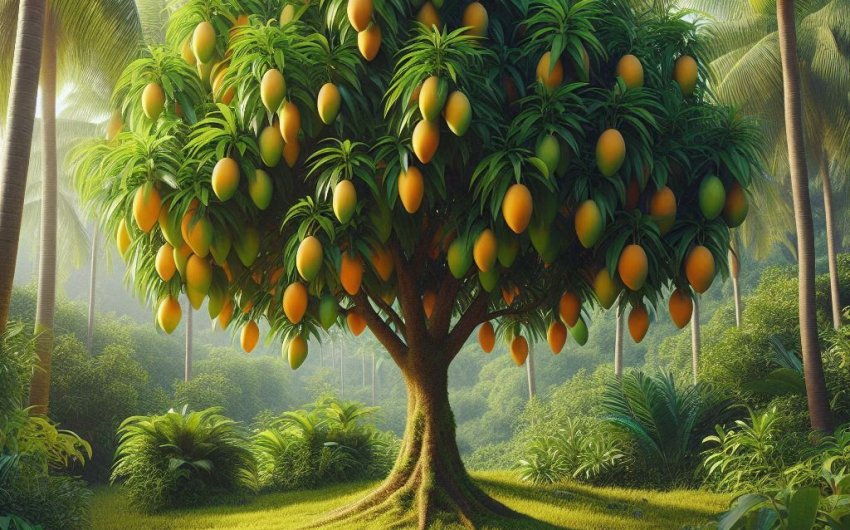
Cultivating a bountiful harvest of this beloved tropical fruit hinges on understanding its specific environmental requirements. Unlocking the secrets to abundant yields means identifying what are the ideal growing conditions for mango plants. These magnificent trees, native to South Asia, thrive in climates that consistently provide warmth, ample sunlight, and well-draining soil, alongside specific dry periods that encourage flowering. Replicating these precise environmental factors is crucial for successful cultivation, transforming a sapling into a fruit-laden specimen.
What kind of climate and temperature do mango plants prefer?
Understanding the preferred climate and temperature is the most critical factor in determining what are the ideal growing conditions for mango plants. Mangoes are unequivocally tropical trees, and they thrive in very specific thermal regimes that mimic their native environments. Getting the temperature right is essential not only for survival but for successful flowering and fruiting.
1. Tropical to Subtropical Climate
- Ideal Zone: Mangoes flourish in true tropical to subtropical climates. This means regions with consistently warm temperatures, high humidity, and distinct wet and dry seasons.
- USDA Hardiness Zones: Mangoes are generally suited for USDA Hardiness Zones 9-11, with some cold-hardy varieties potentially surviving in protected areas of Zone 9. However, Zones 10-11 (Florida, Hawaii, Southern California, parts of Texas, Puerto Rico) are typically where they perform best.
2. Warm Temperatures (No Frost!)
- Growing Season: Mango trees prefer sustained warm temperatures for active growth, ideally above 70°F (21°C). They can tolerate temperatures up to 110°F (43°C) if sufficient water is available.
- Absolute Minimum Temperature: This is the most crucial limiting factor. Mango trees are highly sensitive to frost and freezing temperatures.
- Light Frost (30-32°F / -1 to 0°C): Young trees can be severely damaged or killed. Mature trees may suffer significant leaf and branch damage.
- Hard Freeze (below 30°F / -1°C): Can kill even mature trees, especially if sustained.
- Why it's important: Cold temperatures damage the plant cells, leading to blackening of leaves and stems, dieback, and ultimately death if the cold is prolonged or severe. Even if they survive, cold stress can inhibit flowering and fruiting.
3. Warm Nights
- Requirement: Unlike some temperate fruit trees that benefit from cold dormancy, mangoes prefer warm nights, ideally staying above 50-60°F (10-15°C).
- Why it's important: Consistently warm nights prevent chilling injury and support continuous growth.
4. Distinct Dry Season (Crucial for Flowering)
- Requirement: While mangoes love overall warmth, they absolutely need a distinct dry season (typically 2-3 months) with cooler (but still above freezing), drier air and reduced rainfall to initiate flowering.
- Ideal Dry Season Conditions: Temperatures around 50-65°F (10-18°C) at night, with dry conditions and plenty of sun during the day.
- Why it's important: Without this period of stress, many mango varieties will focus on vegetative growth (producing leaves and branches) rather than reproductive growth (flowers and fruit). This is often the biggest hurdle for growers in constantly humid, warm climates (like some parts of the Caribbean) or those trying to grow in perpetually wet conditions. The dry stress forces the tree into a reproductive phase.
5. Humidity Tolerance
- General Preference: Mangoes generally thrive in environments with moderate to high humidity during their active growing and fruiting season.
- Considerations: However, overly high humidity combined with stagnant air can increase the risk of fungal diseases (like powdery mildew or anthracnose), particularly during flowering. Good air circulation is always beneficial.
Summary of Climate Needs:
- Consistent Warmth: Above 70°F (21°C) for growth.
- No Frost: Absolute minimum above 32°F (0°C).
- Dry Period for Flowering: Essential for fruit production.
- Warm Nights: Above 50-60°F (10-15°C).
Understanding and, if possible, replicating these precise climate and temperature requirements is fundamental for identifying what are the ideal growing conditions for mango plants and ensuring a successful harvest.
How much sunlight do mango plants need?
Sunlight is another non-negotiable factor when considering what are the ideal growing conditions for mango plants. These tropical trees are sun-worshippers, and providing ample, direct light is essential for their vigorous growth, robust health, and prolific fruit production.
1. Full Sun Exposure
- Requirement: Mango trees absolutely need full sun exposure. This means a minimum of 8-10 hours of direct sunlight per day, and ideally even more.
- Why it's important:
- Photosynthesis: Sunlight is the energy source for photosynthesis, the process by which plants convert light energy into chemical energy for growth. More sun means more energy for the tree.
- Vigorous Growth: Abundant sunlight promotes strong, sturdy branches and dense, healthy foliage.
- Flowering and Fruiting: Sufficient sunlight is crucial for triggering and supporting the heavy metabolic demands of flowering and subsequent fruit development. Trees in inadequate sun will likely produce few, if any, flowers or fruit.
- Pest and Disease Resistance: Healthy, sun-drenched trees are generally more resilient to pests and diseases than weak, shaded ones.
2. Avoiding Shade
- Impact of Shade:
- Leggy Growth: Trees in too much shade will become leggy and stretched, reaching for light.
- Reduced Flowering/Fruiting: Fruit production will be severely curtailed or non-existent.
- Increased Disease Risk: Shaded conditions often lead to higher humidity and reduced airflow, increasing susceptibility to fungal issues like powdery mildew or anthracnose.
- Considerations for Placement:
- When planting, choose a site that is not overshadowed by buildings, other large trees, or structures that would block direct sunlight for a significant part of the day.
- Be mindful of the sun's path throughout the seasons; what is full sun in summer might be partially shaded in winter when the sun is lower.
- For container-grown mangoes (if you're trying to grow them in marginal climates), place them in the sunniest possible location, rotating them periodically if sunlight is directional.
3. Light Intensity
- High Intensity: Mangoes thrive in the high light intensity common in tropical and subtropical regions. They are not understory plants and do not prefer dappled or filtered light once mature.
- Young Plants: While very young mango seedlings might benefit from a little temporary protection from the most scorching afternoon sun in extremely hot climates to prevent leaf scorch, mature trees prefer full, unobstructed sun.
In summary, for any attempt to identify what are the ideal growing conditions for mango plants, ample sunlight is a non-negotiable requirement. Providing full, direct sun exposure is paramount for fostering a healthy, productive mango tree.
What kind of soil do mango plants need?
The quality and composition of the soil are fundamental aspects of what are the ideal growing conditions for mango plants. While they are not overly picky about soil type, they have strict requirements for drainage and aeration to ensure their root systems thrive and the tree remains healthy.
Here’s what kind of soil mango plants need:
1. Well-Draining Soil (Absolutely Essential)
- Requirement: This is the most critical soil characteristic for mango trees. They absolutely cannot tolerate waterlogged or poorly draining soil.
- Why it's important:
- Root Rot: Mango roots are highly susceptible to root rot (Phytophthora and other fungi) in anaerobic (oxygen-deprived) conditions caused by soggy soil. This is a common killer of mango trees.
- Oxygen for Roots: Roots need oxygen to respire and absorb water and nutrients efficiently. Poor drainage cuts off this oxygen supply.
- How to achieve:
- Sandy Loam is Ideal: A naturally sandy loam soil (a mix of sand, silt, and clay with good porosity) is often considered ideal, as it drains well but also retains some moisture and nutrients.
- Amend Heavy Clay Soils: If you have heavy clay soil, which tends to compact and drain poorly, it's crucial to amend it significantly. Incorporate large amounts of organic matter (like compost, aged manure, or pine bark fines) to improve drainage and aeration. Building a raised planting mound is also an excellent strategy for heavy clay.
- Avoid Wet Feet: Ensure the planting site is not in a low-lying area where water might collect, especially after heavy rains.
2. Soil pH
- Ideal Range: Mango trees prefer a slightly acidic to neutral pH, ideally between 5.5 and 7.5. A pH of around 6.0-7.0 is generally considered optimal.
- Why it's important: The pH level affects the availability of nutrients in the soil. If the pH is too high (alkaline) or too low (very acidic), nutrients like iron, zinc, and manganese can become unavailable to the tree, leading to nutrient deficiencies (e.g., chlorosis – yellowing leaves).
- How to achieve:
- Soil Test: It's always best to perform a soil test kit before planting to determine your existing soil's pH.
- Adjustments: If necessary, you can lower the pH with elemental sulfur or raise it with garden lime, following recommended application rates from your soil test results.
3. Nutrient-Rich Soil (but not excessively rich)
- Preference: Mango trees benefit from fertile soil that is rich in organic matter.
- Why it's important: Organic matter provides a slow-release source of nutrients, improves soil structure, enhances water retention (without making it soggy), and supports beneficial microbial life.
- Amending: Incorporate plenty of finished compost or well-aged manure into the planting hole.
4. Soil Depth
- Requirement: Mango trees develop a deep taproot and extensive lateral root systems. They need at least 3-6 feet of uncompacted, well-draining soil depth to establish properly.
- Considerations: Avoid planting in areas with a high water table or hardpan layer close to the surface.
5. For Container-Grown Mangoes:
- Potting Mix: Use a high-quality, very well-draining potting mix formulated for citrus or tropical fruits, or create your own blend with plenty of perlite, sand, or pine bark fines to ensure excellent drainage.
- Pot Material: Choose pots with ample drainage holes. Terra cotta or fabric grow bags can help with aeration and prevent overwatering compared to plastic.
By prioritizing excellent drainage, maintaining a slightly acidic to neutral pH, and enriching the soil with organic matter, you create the ideal subterranean environment that defines what are the ideal growing conditions for mango plants.
How do I manage water and nutrients for optimal mango growth?
Proper water and nutrient management are pivotal elements of what are the ideal growing conditions for mango plants. While these trees thrive in warmth and sun, their specific needs for hydration and feeding fluctuate throughout their life cycle, particularly around flowering and fruiting. Getting this balance right ensures healthy growth and abundant yields.
1. Water Management
The watering strategy for mango trees shifts between distinct phases:
- Establishment Phase (First 1-3 Years):
- Consistent Moisture: Young mango trees need consistent moisture to establish a strong root system. Water regularly (e.g., 2-3 times per week in dry weather) to keep the soil evenly moist but never soggy.
- Deep Watering: Water deeply each time to encourage roots to grow downwards, reaching 1-2 feet deep.
- Mature Tree - Vegetative Growth Phase (Warm, Wet Season):
- Regular Watering: During periods of active growth (flushing new leaves) and warmer temperatures, continue regular deep watering if natural rainfall is insufficient.
- Monitor Soil: Check the soil moisture before watering; the top few inches should feel dry.
- Mature Tree - Dry Season (for Flowering Induction):
- Crucial Dry Period: This is perhaps the most important watering aspect for mature trees. For 2-3 months before the anticipated flowering season (typically late fall/early winter in subtropical climates), withhold water as much as possible. Allow the soil to become quite dry.
- Why: This dry stress period mimics their natural dry season and is essential for triggering flower bud development. If the tree is watered too much during this time, it will continue to produce vegetative growth (leaves) instead of flowers.
- Mature Tree - Flowering and Fruiting Phase:
- Resume Watering: Once flowering begins, or especially when fruit sets, gradually resume regular, deep watering.
- Consistency: Consistent moisture during fruit development is crucial for large, juicy fruits. Inconsistent watering can lead to fruit drop or splitting.
- Avoid Overwatering: While watering is important, never overwater. Ensure good drainage.
- For Container-Grown Mangoes: Containerized mangoes dry out much faster than in-ground trees. They will require more frequent watering, especially during warm weather. Always ensure thorough drainage. Use a soil moisture meter to guide watering.
2. Nutrient Management (Fertilizing)
Mango trees are not heavy feeders compared to some other fruit trees, but they benefit from a balanced fertilization program.
- Young Trees (First 3-5 Years):
- Balanced Fertilizer: Use a balanced fertilizer (e.g., 8-3-9 or 6-2-10 NPK) specifically formulated for fruit trees or tropical plants. Look for formulations with micronutrients like iron, zinc, and manganese, which mangoes can sometimes be deficient in.
- Frequency: Apply every 1-2 months during the active growing season (spring to early fall). Start with small amounts and increase gradually as the tree grows.
- Foliar Feeds: Young trees can also benefit from periodic foliar sprays of micronutrients if deficiencies are observed.
- Mature, Bearing Trees:
- Reduced Nitrogen (N): Once a tree begins to bear fruit, reduce the nitrogen component of your fertilizer. Too much nitrogen will promote lush leaf growth at the expense of fruit production.
- Higher Phosphorus (P) and Potassium (K): Focus on fertilizers with higher phosphorus and potassium (e.g., 4-8-10 or similar). Phosphorus aids in flowering and fruit set, while potassium is crucial for fruit quality and overall plant health.
- Timing:
- After Harvest: A balanced application to promote recovery and new vegetative growth.
- Before Flowering (Post-Dry Season): A low-nitrogen, high-phosphorus/potassium boost to support flowering.
- During Fruit Set: A balanced application to support fruit development.
- Organic Options: Incorporating finished compost and well-aged manure provides a slow, steady supply of nutrients and improves soil health.
- Micro-Nutrients: Mangoes are particularly susceptible to deficiencies in iron, zinc, and manganese, especially in alkaline soils. Look for fertilizers that contain these, or apply specific chelated micronutrient sprays if deficiency symptoms (e.g., yellowing between leaf veins) appear.
- Application: Apply granular fertilizers evenly around the drip line (not near the trunk) and water in thoroughly. Always follow product label instructions for rates.
By carefully managing water according to the tree's life cycle and providing balanced nutrients, you significantly optimize the conditions that are central to what are the ideal growing conditions for mango plants, paving the way for a productive and healthy mango tree.
How do I provide adequate pollination and pest/disease control for mangoes?
Beyond environmental factors, successful mango cultivation requires attention to pollination and proactive pest/disease control. These are crucial for ensuring fruit set and protecting your tree from common ailments, contributing significantly to what are the ideal growing conditions for mango plants.
1. Pollination
- Flowering: Mango trees produce thousands of tiny, fragrant flowers on large panicles (flower stalks). Most varieties have both male and hermaphroditic (male and female parts) flowers on the same tree.
- Insect Pollination: While some self-pollination can occur, mangoes primarily rely on insects for effective pollination.
- Flies: Surprisingly, various types of flies (e.g., house flies, blow flies, hoverflies) are often the most important pollinators for mangoes, rather than bees.
- Bees and Other Insects: Bees, wasps, and other smaller insects also contribute.
- Enhancing Pollination:
- Attract Pollinators: Plant flowering companion plants nearby that attract general pollinators. Avoid using broad-spectrum pesticides during flowering time.
- Good Airflow: Ensure good air circulation around the tree. Dense, humid conditions can inhibit pollen release and movement.
- Multiple Varieties (Optional): While many mango varieties are self-fertile, planting different compatible varieties nearby can sometimes improve fruit set, especially for certain cultivars.
- Impact of Adverse Conditions: Rain, very cold temperatures, or strong winds during flowering can significantly hinder pollination and lead to poor fruit set.
2. Common Pests of Mangoes and Control
Mango trees can be susceptible to various pests, especially if stressed. Integrated Pest Management (IPM) is the best approach.
- Scale Insects: Small, immobile bumps on stems and leaves, sucking sap. Can cause sooty mold.
- Control: Manual removal (scraping), horticultural oil sprays (organic horticultural oil) or insecticidal soap for light infestations. For severe cases, specific insecticides may be needed.
- Mealybugs: Soft-bodied, white, cottony insects found in leaf axils and on fruit. Also suck sap and cause sooty mold.
- Control: Dab with rubbing alcohol on a cotton swab, horticultural oil, or insecticidal soap. Encourage beneficial insects like ladybugs.
- Aphids: Small, soft-bodied insects clustering on new growth, causing distorted leaves.
- Control: Blast with a strong stream of water, insecticidal soap, or horticultural oil.
- Thrips: Tiny insects that cause silvery streaking and distortion on leaves and fruit skin.
- Control: Neem oil, insecticidal soap.
- Fruit Flies: Lay eggs in ripening fruit, leading to maggots.
- Control: Orchard sanitation (collecting fallen fruit), fruit bagging (fruit protection bags), and specific traps if needed.
3. Common Diseases of Mangoes and Control
Fungal diseases are particularly prevalent in humid conditions.
- Anthracnose (Colletotrichum gloeosporioides): This is the most common and serious disease. Causes black spots on leaves, stems, flowers, and fruit. Can lead to flower blight and fruit drop. Favored by high humidity and prolonged wetness.
- Control:
- Pruning: Prune dead or diseased branches to improve air circulation.
- Fungicides: Apply a copper-based fungicide or other suitable fungicides starting when flower buds appear and continuing through fruit set, especially in wet weather.
- Sanitation: Collect and destroy infected plant material and fallen fruit.
- Control:
- Powdery Mildew (Oidium mangiferae): White, powdery growth on leaves, flowers, and young fruit. Can cause flower and fruit drop. Favored by cool, humid conditions, particularly during flowering.
- Control: Horticultural oil, sulfur dust, or specific fungicides for powdery mildew. Good air circulation is crucial.
- Sooty Mold: A black, powdery fungus that grows on the sugary "honeydew" excreted by sap-sucking insects (scale, mealybugs, aphids). Not directly harmful to the plant but blocks sunlight and is unsightly.
- Control: Control the sap-sucking insects that produce the honeydew. The sooty mold will then disappear.
General Pest and Disease Control Tips:
- Monitoring: Regularly inspect your tree for early signs of pests or disease.
- Sanitation: Keep the area around the tree clean; remove fallen leaves and fruit.
- Pruning: Prune to improve air circulation within the canopy.
- Resistant Varieties: Choose disease-resistant mango varieties if available in your area.
- Organic Options: Many organic sprays (neem oil, insecticidal soap, copper-based fungicides) are effective for home growers.
- Seek Local Advice: Consult local agricultural extension services for region-specific pest and disease recommendations.
By actively promoting pollination and implementing a robust pest and disease control strategy, you'll ensure your mango tree not only survives but thrives, yielding a bountiful harvest, truly fulfilling what are the ideal growing conditions for mango plants.