
What Are the Ideal Growing Conditions for Papaya Plants?
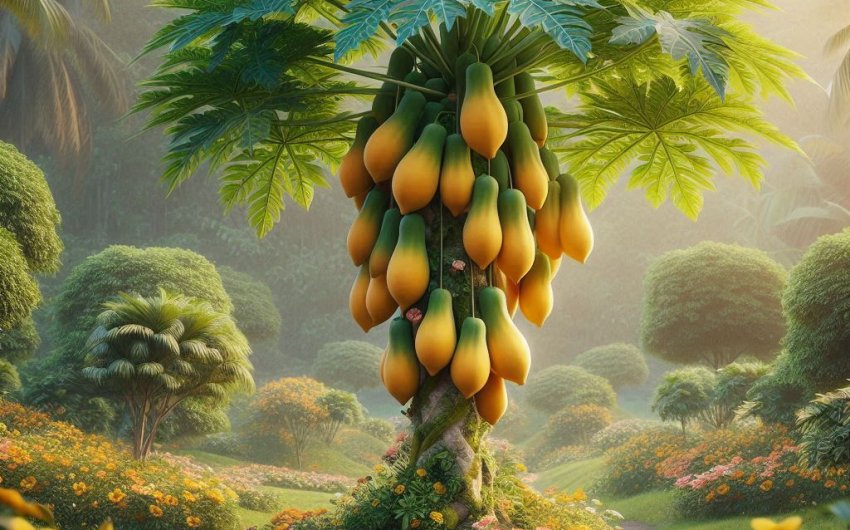
Cultivating luscious papayas (Carica papaya) in your home garden can be a remarkably rewarding endeavor, offering a taste of the tropics right at your fingertips. However, achieving bountiful harvests hinges on providing specific environmental parameters that closely mimic their native habitats. Understanding what are the ideal growing conditions for papaya plants is paramount, as these sensitive trees require consistent warmth, abundant sunlight, excellent drainage, and protection from various stresses to thrive and produce their sweet, vibrant fruit.
What is a Papaya Plant?
The papaya plant, Carica papaya, is a fast-growing, short-lived perennial fruit tree native to the tropical regions of the Americas. It's renowned for its large, sweet, and succulent fruit, which is a popular staple in tropical diets worldwide. Understanding its basic biology is key to providing what are the ideal growing conditions for papaya plants.
1. Unique Growth Habit
Unlike typical trees with woody branches, the papaya plant has a distinct, unbranched or sparsely branched trunk.
- Herbaceous Stem: The "trunk" is actually a hollow, herbaceous (non-woody) stem, which is why it can grow so rapidly but is also susceptible to strong winds.
- Rapid Growth: Papayas are known for their incredibly fast growth rate, often reaching fruit-bearing size within a year of planting from seed in ideal conditions.
- Crown of Leaves: Large, deeply lobed leaves form a crown at the top of the single stem. As the plant grows taller, older leaves yellow and drop off, leaving distinctive scars on the trunk.
- Fruit Production: Fruits develop directly on the main stem, in the leaf axils, usually starting low on the trunk and progressing upwards as the plant grows.
2. Lifespan and Size
Papaya plants are not long-lived trees in cultivation.
- Short-Lived: In most commercial settings, papayas are grown for 3-5 years, after which their yield declines. In home gardens, they might live a bit longer with ideal care but generally remain productive for under a decade.
- Size: They can reach heights of 15-30 feet (4.5-9 meters) in tropical climates, but typically remain smaller in home gardens, especially if grown in containers or pruned. Dwarf varieties are available for smaller spaces.
3. Types of Flowers and Fruit Production
Papaya plants exhibit a fascinating sexual dimorphism (difference between sexes), which is critical for fruit production.
- Dioecious Plants (Separate Male and Female Plants):
- Male Plants: Produce small, tubular, fragrant flowers on long stalks, but no fruit. Their main role is to provide pollen.
- Female Plants: Produce larger, single flowers that sit close to the main stem. These require pollen from a male plant to produce fruit.
- Ratio: If growing dioecious varieties, you typically plant several seeds, then thin to one male for every 5-10 female plants once they flower.
- Hermaphroditic Plants (Self-Fertile):
- Description: These plants have "perfect" flowers that contain both male (stamens) and female (pistil) reproductive parts, allowing them to self-pollinate.
- Advantage for Home Gardeners: This is the most common and recommended type for home growers because you only need one plant to get fruit, eliminating the guesswork of identifying sexes. Most commercial varieties (e.g., 'Solo' types) are hermaphroditic.
- Fruit Development: Once pollinated, the flowers develop into fruit over several months, ripening from green to yellow or orange when ready to harvest.
4. Origin and Global Importance
- Tropical Roots: Papayas originated in southern Mexico and Central America and have been cultivated for centuries.
- Worldwide Popularity: They are now widely cultivated in tropical and subtropical regions around the globe for their delicious fruit, which is rich in vitamins A and C, and the enzyme papain (used as a meat tenderizer).
Understanding these basic characteristics provides context for the precise environmental needs that dictate what are the ideal growing conditions for papaya plants.
What Are the Light Requirements for Papaya Plants?
Sunlight is a non-negotiable factor for papaya plants, driving their rapid growth and the production of abundant, sweet fruit. Providing optimal light is fundamental to understanding what are the ideal growing conditions for papaya plants.
1. Full Sun Exposure
Papaya plants are true sun worshippers and require maximum light intensity to thrive.
- Minimum Requirement: Papayas need at least 6-8 hours of direct, unfiltered sunlight per day.
- Ideal: For best growth and fruit production, 8-10+ hours of full sun is ideal.
- Outdoor Placement: Choose the sunniest spot in your garden, away from the shade of large trees, buildings, or fences. A south-facing location (in the Northern Hemisphere) or a north-facing location (in the Southern Hemisphere) that receives direct sunlight throughout the day is often best.
- Indoor/Container Growing: If growing in a container, place it in the brightest possible location indoors, preferably a south-facing window with no obstructions. Supplementing with grow lights may be necessary if natural light is insufficient, especially in winter.
2. Impact of Insufficient Light
Papaya plants will quickly show signs of stress and reduced productivity if they don't receive enough light.
- Leggy and Stretched Growth: The plant will become "leggy," with elongated stems and widely spaced leaves as it stretches to find light. This weakens the plant structure.
- Reduced Leaf Size and Color: Leaves may be smaller than normal, and their vibrant green color might appear pale or dull.
- Delayed or No Flowering: Insufficient light often leads to a delay in flowering or a complete lack of flower production, meaning no fruit.
- Small, Insipid Fruit: If fruit does form in low light, it will likely be smaller, have less flavor, and ripen poorly compared to papayas grown in full sun.
- Increased Vulnerability: Weak, light-starved plants are more susceptible to pests and diseases.
3. Avoiding Extreme Intense Light (Rarely an Issue Outdoors)
While full sun is desired, in extremely intense, arid climates, some considerations might be needed, though this is rare for typical papaya growing conditions.
- Sudden Exposure: If a young seedling or a plant previously grown in shade is suddenly moved into intense full sun, it can experience leaf scorch. Gradually acclimate it over a week or two.
- Reflected Heat: Be mindful of intense reflected heat from concrete walls or pavement, which can cause stress in combination with very high temperatures.
4. Maximizing Light Exposure
- Pruning (for air circulation, not light): Papayas generally don't need pruning for light, as they grow as a single stem. Any pruning is usually done to control height or remove damaged leaves.
- Spacing: Ensure plants are spaced adequately if growing multiple papayas, so they don't shade each other as they grow taller.
By providing consistent and abundant direct sunlight, you fulfill one of the primary requirements for what are the ideal growing conditions for papaya plants, ensuring vigorous growth and a successful harvest.
What Are the Temperature Requirements for Papaya Plants?
Temperature is a paramount factor for papaya plants, directly influencing their growth rate, flowering, and fruit development. As true tropical inhabitants, they are highly sensitive to cold and thrive in consistently warm conditions. Understanding what are the ideal growing conditions for papaya plants inherently involves meticulous temperature management.
1. Consistently Warm Temperatures
Papayas demand a stable, warm environment for optimal performance.
- Ideal Range: The optimal temperature range for papaya growth and fruit production is between 70°F and 90°F (21°C to 32°C).
- Nighttime Warmth: They prefer warm nights, ideally not dropping below 60°F (15°C). Consistent cool nights can slow growth and reduce fruit set.
- Rapid Growth in Heat: Within this ideal range, the warmer the temperature (up to the mid-90s°F or mid-30s°C), the faster the plant will grow and mature.
- Consistent Climate: Papayas thrive in climates where temperatures are consistently warm throughout the year, with minimal seasonal fluctuations.
2. Sensitivity to Cold and Frost
Cold temperatures are the number one enemy of papaya plants outside of true tropical zones.
- Damage Below 50°F (10°C): Growth significantly slows down below 50°F (10°C). Prolonged exposure to temperatures in the 40s°F (4-9°C) can cause chilling injury, leading to yellowing, browning, and dropping of leaves.
- Frost is Fatal: Papaya plants are extremely sensitive to frost. Even a light frost will kill them. Their herbaceous stems contain high water content, making them very vulnerable to freezing.
- Recovery from Cold: While a plant might sometimes recover from mild chilling, its productivity will be severely impacted, and it may take a long time to resume normal growth.
- Signs of Cold Stress: Yellowing or purpling leaves, leaf drop, stunted growth, lack of flowering or fruit set.
3. Dealing with Cooler Climates (Temperate Zones)
Growing papayas outside of truly tropical or subtropical climates requires special strategies.
- Container Growing: This is the most common approach. Grow papayas in large containers that can be moved indoors when temperatures drop below 50-60°F (10-15°C).
- Winter Protection: Move containers into a greenhouse, sunroom, or a very bright, warm indoor location for winter. Provide supplemental grow lights if natural light is insufficient.
- Dormancy (Induced): Growth will slow indoors, and watering should be reduced. The plant may still drop leaves, but it should survive if kept warm enough.
- Microclimates: In borderline climates, planting papayas in a warm, sheltered microclimate (e.g., against a south-facing wall, protected by structures) can offer a few degrees of extra warmth.
- Temporary Protection: For unexpected cold snaps, cover plants with frost cloths or blankets, or use incandescent string lights underneath covers to provide a small amount of heat.
4. High Heat Tolerance
Papayas can tolerate high temperatures, as long as they are accompanied by adequate water and possibly humidity.
- Up to 95°F (35°C): They can perform well even when temperatures consistently reach the mid-90s°F.
- Combined with Dryness: Extremely high temperatures combined with low humidity and insufficient watering can cause stress, leading to leaf wilting and potential fruit drop. Ensure consistent moisture.
By ensuring a consistently warm environment and providing diligent protection from cold and frost, you will unlock the full potential of your papaya plants, aligning precisely with what are the ideal growing conditions for papaya plants.
What Are the Water and Humidity Requirements for Papaya Plants?
While papaya plants relish warm temperatures and full sun, their needs for water and humidity are equally precise. Understanding this balance is fundamental to what are the ideal growing conditions for papaya plants, preventing issues like root rot or drought stress.
1. Consistent Moisture, Excellent Drainage
Papayas are heavy drinkers, especially in warm weather, but they absolutely cannot tolerate soggy feet.
- Consistent Soil Moisture: The soil should remain consistently moist, but never waterlogged or saturated. Think of a well-wrung sponge – moist, but no excess water.
- Well-Draining Soil is Paramount: This cannot be stressed enough. If the soil does not drain quickly, the plant's roots will sit in standing water, leading to root rot, which is often fatal for papayas.
- In-Ground: Amend heavy clay soils with plenty of organic matter (compost, sand, perlite) to improve drainage. Consider raised beds if your native soil drains poorly.
- Containers: Use a well-draining potting mix specifically formulated for tropical plants or a custom blend with plenty of perlite or orchid bark. Ensure the pot has ample drainage holes.
- Watering Frequency:
- Active Growth (Warm Season): You may need to water daily or every other day, especially if grown in containers or during hot, dry spells.
- Cooler Weather/Dormancy: Reduce watering significantly. Allow the top few inches of soil to dry out between waterings. Overwatering in cool conditions is a common killer.
- How to Water: Water deeply until you see water draining from the bottom of the pot (for containers) or until the top 6-8 inches of soil are moist (for in-ground). Avoid shallow, frequent sprinkles.
- Signs of Water Issues:
- Overwatering: Yellowing leaves, wilting despite wet soil, mushy stem base, root rot (black/brown roots).
- Underwatering: Drooping leaves, wilting, crispy leaf edges, leaf drop.
2. Humidity Preferences
Papayas originate from humid tropical environments and appreciate ample moisture in the air.
- Moderate to High Humidity: Ideally, relative humidity should be above 50%, with higher levels (60-70%) being even better.
- Impact of Low Humidity: In very dry climates or indoors with heating/AC, low humidity can cause stress:
- Crispy Leaf Edges/Tips: Leaves may develop dry, brown edges.
- Stunted Growth: The plant might struggle to transpire efficiently.
- Pest Attraction: Dry conditions can make plants more susceptible to spider mites, a common papaya pest.
- How to Increase Humidity (Indoor/Dry Climates):
- Humidifier: The most effective method is to use a room humidifier near your plant.
- Pebble Tray: Place the pot on a saucer filled with pebbles and water, ensuring the pot bottom doesn't sit in the water.
- Grouping Plants: Cluster humidity-loving plants together to create a localized humid microclimate.
- Misting (Limited): While misting provides a very temporary boost, it's generally not sufficient for sustained humidity. Regular misting can also encourage fungal issues if air circulation is poor, so use sparingly and ensure leaves dry quickly.
3. Air Circulation
While high humidity is good, stagnant, humid air can lead to fungal problems.
- Gentle Airflow: Ensure there is gentle air movement around the plant to prevent fungal issues on leaves and stems, especially in high-humidity environments.
- Avoid Strong Winds: Conversely, papayas are vulnerable to strong winds due to their hollow, herbaceous stems. Strong winds can snap the trunks or damage leaves. Plant in a sheltered location or provide windbreaks if necessary.
By diligently managing both soil moisture and ambient humidity, you can provide the precise hydrological conditions that are crucial to what are the ideal growing conditions for papaya plants, ensuring healthy growth and fruitful production.
What Are the Soil and Nutrient Requirements for Papaya Plants?
The foundation of a healthy papaya plant lies in its soil. Beyond just water and light, the physical and chemical composition of the growing medium, along with adequate nutrition, are critical factors in understanding what are the ideal growing conditions for papaya plants.
1. Soil Type and Drainage
Papayas are extremely particular about their soil structure.
- Loose and Loamy: Papayas thrive in loose, loamy, well-draining soil. This means a good balance of sand, silt, and clay, with plenty of organic matter.
- Excellent Drainage (Non-Negotiable): This is the most critical soil requirement. Papayas cannot tolerate "wet feet" or waterlogged conditions for even short periods. Roots will quickly rot, leading to plant death.
- In-Ground: If your native soil is heavy clay, you must amend it significantly by incorporating large amounts of compost, perlite, coarse sand, or even constructing a raised garden bed filled with well-draining soil mix.
- Containers: Use a high-quality, well-draining potting mix. A good blend includes peat moss or coco coir, perlite, and potentially some pine bark fines for extra drainage and aeration. Ensure containers have ample drainage holes.
- Rich in Organic Matter: Papayas are heavy feeders, so a soil rich in organic matter (from compost or decomposed plant material) provides a steady, slow-release supply of nutrients and improves soil structure.
2. Soil pH
The acidity or alkalinity of the soil influences nutrient availability.
- Slightly Acidic to Neutral: Papaya plants prefer a soil pH range of 6.0 to 7.0, which is slightly acidic to neutral.
- Soil Test: If you're unsure of your soil pH, perform a soil test.
- Adjusting pH:
- Too Acidic (low pH): Apply garden lime to raise pH.
- Too Alkaline (high pH): Apply elemental sulfur to lower pH.
- Compost's Role: Regular additions of compost help buffer soil pH, bringing it closer to the ideal range.
3. Nutrient Requirements and Fertilization
Papayas are hungry plants, especially when actively growing and fruiting.
- Heavy Feeders: They require a consistent supply of nutrients to support their rapid growth and fruit production.
- Balanced Fertilizer: Use a balanced fertilizer (e.g., NPK 8-1-10 or similar, emphasizing nitrogen and potassium) or one formulated for tropical fruits.
- Micronutrients: Ensure your fertilizer or soil amendment provides essential micronutrients like calcium, magnesium, boron, and zinc. Papayas are particularly sensitive to boron deficiency.
- Fertilization Schedule:
- Young Plants: Fertilize young plants (up to 6 months old) frequently but lightly, perhaps every 2 weeks with a diluted liquid fertilizer.
- Mature, Fruiting Plants: Increase fertilization once flowering and fruiting begin. Fertilize every 2-4 weeks during the active growing season (warm months).
- Application: Apply fertilizer around the plant's drip line (where water drips from the outermost leaves), not directly against the stem. Water thoroughly after fertilizing.
- Organic Options: Incorporate fish emulsion, seaweed extract, and abundant compost into your feeding regimen for a holistic approach.
4. Mulching
Mulching is beneficial for maintaining consistent soil conditions.
- Benefits: Apply a 2-4 inch layer of organic mulch (e.g., wood chips, straw, shredded leaves, or grass clippings – avoid treated grass) around the base of the plant.
- Moisture Retention: Helps retain soil moisture, reducing watering frequency.
- Weed Suppression: Suppresses weed growth, reducing competition for nutrients.
- Temperature Moderation: Keeps soil temperatures more stable.
- Nutrient Contribution: As it breaks down, it adds organic matter and nutrients to the soil.
- Avoid Stem Contact: Keep mulch a few inches away from the trunk to prevent rot.
By carefully preparing and managing your soil's structure, pH, and nutrient content, you are providing the critical elements that define what are the ideal growing conditions for papaya plants, leading to a fruitful and healthy harvest.