
What are the Ideal Growing Conditions for Mulberry Plants?
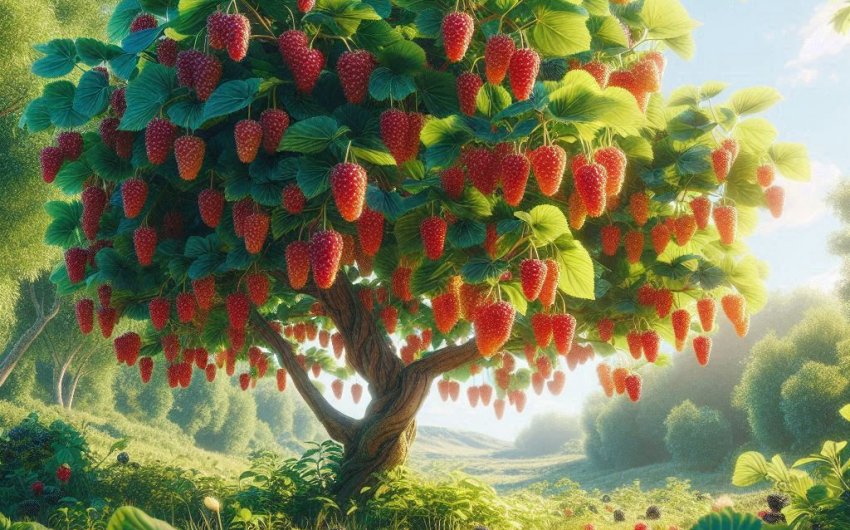
Understanding what are the ideal growing conditions for mulberry plants is essential for cultivating these prolific, fast-growing fruit trees in your landscape. Known for their abundant, sweet berries and adaptability, mulberries can be a fantastic addition to many gardens, provided their basic needs for sunlight, soil, and climate are met. While generally forgiving, optimizing their environment will lead to healthier trees and significantly more satisfying harvests of these delicious, versatile fruits.
What climate and hardiness zone do mulberries prefer?
Mulberry trees are remarkably adaptable and can thrive in a wide range of climates, making them a popular choice for home growers across various regions. However, understanding their specific cold hardiness and heat tolerance, especially concerning different species, is key to providing what are the ideal growing conditions for mulberry plants.
Cold Hardiness: Understanding USDA Zones
Mulberry trees are generally quite cold hardy, but their specific tolerance varies by species:
- White Mulberry (Morus alba): This species is the most cold-tolerant, thriving in USDA Hardiness Zones 4 to 9. It can withstand winter temperatures down to around -30°F to -20°F (-34°C to -29°C). This makes it suitable for many northern climates where other fruit trees might struggle.
- Red Mulberry (Morus rubra): Native to North America, the Red Mulberry is hardy in USDA Zones 4 to 8. Its cold tolerance is similar to the White Mulberry, making it a robust choice for temperate regions.
- Black Mulberry (Morus nigra): This species, often considered to have the most flavorful fruit, is the least cold-tolerant. It prefers warmer climates and is typically hardy in USDA Zones 6 to 9 (some sources say 5 to 9 with protection or specific cultivars), tolerating temperatures only down to about -10°F (-23°C). Gardeners in colder zones will often need to grow Black Mulberries in containers and provide winter protection, or choose other species.
Heat Tolerance and Chill Hours
Mulberry trees generally love warmth and can handle significant summer heat. They thrive in regions with hot summers, which helps ripen their fruit.
- Heat Tolerance: Mulberries are quite drought-tolerant once established and perform well in areas with hot, dry summers, as long as they receive adequate water during fruit development. This makes them a good option for warmer regions where other berries might wilt.
- Chill Hours: Unlike some other fruit trees (like apples or peaches) that require a specific number of chill hours (hours below a certain temperature, typically 45°F or 7°C, during winter dormancy) to set fruit, mulberries have a relatively low chill hour requirement. This means they can perform well in both northern and southern climates. Their ability to fruit reliably without extended cold periods is another reason for their wide adaptability.
Considerations for Your Climate
- Spring Frosts: While the trees themselves are cold hardy, their early bud break can make them vulnerable to late spring frosts. A sudden freeze after the tree has started to put out new leaves or flowers can damage the potential fruit crop for that season. Selecting varieties known to bud out a little later, or planting in a sheltered location, can help mitigate this risk.
- Dormancy: Mulberries need a period of winter dormancy to produce fruit. They will naturally go dormant as temperatures drop and days shorten.
- Species Selection: Always choose a mulberry species or cultivar that is appropriate for your specific USDA Hardiness Zone. If you are in a borderline zone, opt for a more cold-hardy variety, or prepare to provide winter protection for less hardy types.
In summary, mulberries are versatile fruit trees that can adapt to a broad range of temperatures. The key to success is selecting the right species for your climate, paying particular attention to the Black Mulberry's preference for warmer zones, ensuring you meet what are the ideal growing conditions for mulberry plants regarding temperature.
What are the ideal sunlight requirements for mulberries?
Sunlight is a fundamental factor in the growth and fruit production of any fruit tree, and mulberry plants are no exception. Providing adequate light is crucial for maximizing their health and yield, directly contributing to what are the ideal growing conditions for mulberry plants.
Full Sun is Preferred
Mulberry trees perform best and produce the most fruit when planted in a location that receives full sun.
- Definition of Full Sun: In gardening terms, "full sun" typically means at least 6 to 8 hours of direct sunlight per day. More is generally better for mulberries, with 8+ hours being ideal for the most robust growth and heaviest fruit set.
- Why Full Sun is Important:
- Photosynthesis: Sunlight is the energy source for photosynthesis, the process by which plants convert light energy into chemical energy (sugars) for growth. More direct sunlight means more energy for the tree.
- Fruit Production: Abundant sunlight directly correlates with higher fruit yields. Trees in full sun will produce more flowers and, consequently, more berries. The fruits also tend to be sweeter and ripen more evenly.
- Disease Resistance: Trees that receive ample sunlight generally have better air circulation around their branches and leaves, which helps to dry foliage quickly after rain or dew. This reduces the likelihood of fungal diseases that thrive in damp conditions.
- Overall Vigor: Trees in full sun are typically more vigorous, with stronger branching and healthier foliage.
Tolerating Partial Shade (with caveats)
While full sun is ideal, mulberry trees can tolerate some partial shade, especially in hotter climates where the afternoon sun might be exceptionally intense. However, growing them in partial shade comes with some trade-offs.
- Definition of Partial Shade: Typically means 3 to 6 hours of direct sunlight, often in the morning or late afternoon, with filtered light or shade during the hottest parts of the day.
- Impact of Partial Shade:
- Reduced Fruit Production: Trees in partial shade will produce fewer flowers and thus a smaller harvest of berries compared to those in full sun.
- Lower Fruit Quality: The fruits may not ripen as evenly, and their sweetness can be reduced.
- Leggy Growth: Plants may become "leggy" or stretched as they reach for available light, leading to weaker branches.
- Increased Disease Risk: Reduced sunlight can lead to less air circulation and longer drying times for foliage, potentially increasing susceptibility to certain fungal issues.
Strategic Placement for Sun Exposure
When selecting a planting site for your mulberry tree, consider the sun's path throughout the day and across seasons.
- South-facing Exposure: In the Northern Hemisphere, a south-facing location typically receives the most direct sunlight throughout the day, making it an excellent choice.
- Avoid Overhangs: Do not plant directly under the dense canopy of larger trees or too close to buildings that cast long shadows.
- Future Growth: Remember that mulberry trees can grow quite large (some varieties quickly become significant shade trees). Ensure your chosen spot will continue to provide full sun even as the tree matures and other nearby structures or plants grow.
- Container Plants: If growing mulberries in large containers, you have the flexibility to move them to follow the sun or protect them from extreme afternoon heat if needed.
Providing abundant sunlight is a key ingredient for a thriving mulberry tree and plentiful harvests. Aim for a location that bathes your tree in direct sun for at least six, preferably eight or more, hours daily to meet what are the ideal growing conditions for mulberry plants concerning light.
What are the soil and drainage requirements for mulberries?
While often described as adaptable, providing the right soil and ensuring proper drainage are fundamental for mulberry trees to thrive and produce abundant fruit. Although they can tolerate a range of conditions, optimizing their root environment is crucial for achieving what are the ideal growing conditions for mulberry plants.
Soil Type: Well-Draining Loam is Ideal
Mulberry trees prefer well-draining, fertile loam soil. This type of soil offers the perfect balance of properties for healthy root development:
- Loam Defined: A balanced mixture of sand, silt, and clay particles.
- Sand: Provides good drainage and aeration.
- Silt: Offers moderate water and nutrient retention.
- Clay: Contributes to nutrient holding capacity.
- Why Loam is Ideal:
- Root Penetration: Its crumbly, friable texture allows roots to easily penetrate and spread deeply, anchoring the tree and accessing water and nutrients.
- Aeration: Provides ample air pockets, essential for root respiration and preventing root rot.
- Moisture Retention: Holds enough moisture to sustain the tree between waterings without becoming waterlogged.
- Nutrient Holding: Efficiently retains essential plant nutrients.
Drainage: Absolutely Critical
Mulberries are very sensitive to poor drainage and waterlogged conditions. Their roots cannot tolerate standing water or constantly soggy soil, which leads to root rot, a common killer of mulberry trees.
- Symptoms of Poor Drainage:
- Yellowing leaves (often starting with older leaves).
- Stunted growth.
- Wilting even when the soil is wet.
- A sour smell from the soil.
- Mushy, dark roots when examined.
- Testing Drainage: Dig a hole about 12-18 inches deep and fill it with water.
- If the water drains within 1-2 hours, you have good drainage.
- If it takes 4-6 hours, drainage is adequate but could be improved.
- If water remains after 12 hours, you have poor drainage and will need to amend the soil or choose an alternative planting method.
Soil pH: Slightly Acidic to Neutral
Mulberry trees prefer a soil pH ranging from 6.0 to 7.0, which is slightly acidic to neutral.
- Why pH matters: Soil pH directly affects the availability of nutrients to the plant. If the pH is too far outside this range, certain essential nutrients can become "locked up" in the soil, even if they are present, making them unavailable for the tree to absorb.
- Testing pH: The only way to know your soil's pH is to perform a soil test. You can send a sample to your local Cooperative Extension office or use a home test kit for a general idea.
- Adjusting pH (if necessary):
- To raise pH (make more alkaline): Add agricultural lime (calcium carbonate or dolomitic lime).
- To lower pH (make more acidic): Add elemental sulfur or use acidic organic matter like pine needles as mulch.
- Always follow soil test recommendations for amounts and methods, as adjusting pH takes time.
Improving Your Soil for Mulberries
If your soil isn't naturally ideal loam, you can improve it.
- For Heavy Clay Soil:
- Incorporate copious amounts of organic matter: Dig in generous quantities of compost, aged manure, or leaf mold to a depth of at least 18-24 inches. Organic matter helps clay particles clump, improving aeration and drainage.
- Consider a Raised Bed: If drainage is extremely poor, planting in a raised garden bed filled with a custom well-draining soil mix is an excellent solution.
- For Sandy Soil:
- Add Organic Matter: Similarly, mix in a significant amount of compost, aged manure, or coco coir. Organic matter acts like a sponge, increasing the soil's ability to retain water and nutrients.
- Mulch Heavily: A thick layer of organic mulch helps retain moisture.
By ensuring your mulberry tree has access to well-draining, fertile soil with the correct pH, you're laying the groundwork for a robust and productive plant, fulfilling a major requirement of what are the ideal growing conditions for mulberry plants.
What are the watering and fertilization needs of mulberries?
While often lauded for their drought tolerance once established, understanding the specific watering and fertilization needs of mulberry trees is crucial, especially during their early years and peak fruiting periods. Meeting these requirements helps achieve what are the ideal growing conditions for mulberry plants for maximum health and yields.
Watering: Critical During Establishment and Fruiting
Mulberry trees are remarkably adaptable to varying water conditions once they are mature and have developed an extensive root system. However, they are not drought-tolerant when young and require consistent moisture during certain periods.
- Newly Planted Trees (First 1-2 Years): This is the most crucial period for consistent watering.
- Water deeply and regularly, typically 2-3 times per week, especially during dry spells.
- Aim to keep the soil consistently moist but never soggy. The goal is to encourage roots to grow outward and downward, seeking water.
- Reduce frequency as the tree establishes.
- Established Trees (2+ Years Old): Once established, mulberries are quite resilient and generally only need supplemental watering during prolonged dry periods or severe droughts.
- During Fruiting: Water becomes critical when the tree is flowering and developing fruit. Insufficient water during this phase can lead to reduced fruit size, premature fruit drop, or a less juicy harvest. Provide deep watering if there's no significant rainfall.
- How to Water:
- Deep Watering: Water slowly at the base of the tree using a soaker hose or by letting a hose trickle. This encourages deep root growth. Avoid frequent, shallow watering.
- Check Soil Moisture: Always check the soil moisture before watering. Stick your finger 2-3 inches into the soil. If it feels dry, it's time to water.
Fertilization: Moderate Needs, Focus on Organic Matter
Mulberries are not extremely heavy feeders, especially once mature and planted in fertile soil. However, young trees and trees in poor soil will benefit from supplemental feeding.
- General Rule: Focus on enriching the soil with organic matter rather than relying solely on synthetic fertilizers. Organic matter provides a slow, steady release of nutrients and improves soil structure.
- Newly Planted Trees:
- Avoid applying strong synthetic fertilizers directly at planting, as this can burn new roots.
- Mix a good amount of compost or well-aged manure into the planting hole.
- In the first growing season, after a few weeks, you can apply a balanced, slow-release granular fertilizer or a liquid feed diluted to half-strength.
- Established Trees:
- If your soil is already healthy and rich in organic matter, mature trees may not need much supplemental fertilization.
- Annual Top-Dressing: The best approach is an annual top-dressing in early spring (as new growth emerges) with a 1-2 inch layer of rich compost or well-aged manure spread around the drip line (the outer edge of the branches). This replenishes nutrients naturally.
- NPK Needs: If a soil test indicates specific deficiencies, choose a fertilizer with the appropriate NPK ratio. Generally, a balanced fertilizer (e.g., 10-10-10) is suitable for overall health, or one slightly higher in phosphorus if you want to promote flowering and fruiting.
- Timing: Apply granular fertilizers in early spring before new growth truly takes off. Avoid late-season nitrogen applications, which can encourage new growth that is vulnerable to winter frost.
- Signs of Nutrient Deficiency:
- Nitrogen (N): Overall yellowing of older leaves, stunted growth.
- Phosphorus (P): Purplish tint on leaves, poor flowering/fruiting.
- Potassium (K): Yellow or brown margins on older leaves, weak stems.
- Do Not Over-fertilize: Too much fertilizer, especially nitrogen, can lead to excessive leafy growth at the expense of fruit production, and can also cause root burn.
Mulching: A Beneficial Practice
Applying a layer of organic mulch around the base of your mulberry tree (keeping it a few inches away from the trunk) is highly beneficial.
- Benefits of Mulch:
- Moisture Retention: Helps conserve soil moisture, reducing the need for frequent watering.
- Weed Suppression: Reduces weed competition for water and nutrients.
- Temperature Regulation: Insulates the soil, keeping it cooler in summer and warmer in winter.
- Nutrient Release: As organic mulch breaks down, it slowly adds valuable organic matter and nutrients to the soil.
- Materials: Use wood chips, straw, or shredded leaves. Apply a 2-4 inch layer.
By managing watering meticulously during establishment and fruiting, and focusing on a balanced, organic approach to fertilization, you'll be well on your way to providing what are the ideal growing conditions for mulberry plants, ensuring healthy trees and a generous yield of fruit.
What are key considerations for pruning and pest/disease management?
Beyond sun, soil, and water, understanding pruning techniques and proactive pest and disease management are vital for the long-term health and productivity of your mulberry trees. These practices are integral to providing what are the ideal growing conditions for mulberry plants and ensuring a continuous, healthy harvest.
Pruning Mulberry Trees
Mulberry trees are generally quite vigorous growers and respond well to pruning. Pruning serves several important purposes:
- Shape and Structure:
- Young Trees: Focus on establishing a strong scaffold of branches in the first few years. Aim for 3-5 main branches spaced evenly around the trunk, forming a strong framework. Remove any narrow crotches (angles where branches meet the trunk), which are weak points.
- Mature Trees: Prune to maintain an open structure that allows for good air circulation and sunlight penetration throughout the canopy. This helps with fruit ripening and reduces disease risk.
- Size Management:
- Many mulberry varieties can grow very large. Pruning can help keep the tree to a manageable size for easier harvesting and to fit your garden space.
- Dwarf varieties (like 'Dwarf Black') are naturally smaller and require less aggressive pruning for size control.
- Fruit Production:
- Mulberries produce fruit on new wood (current year's growth) and also on older spurs.
- Pruning helps stimulate new growth, which in turn leads to more fruit.
- Remove dead, diseased, or crossing branches to improve overall tree health and direct energy to productive branches.
- Timing:
- The best time to prune mulberries is in late winter or early spring while the tree is still dormant, before new growth begins. This allows you to see the tree's structure clearly and minimizes stress.
- Avoid pruning in late spring or summer: This can lead to excessive "bleeding" (sap flow) from cuts, which is generally not harmful but can be messy. Also, summer pruning removes wood that would produce fruit the following year.
- Exception for damaged branches: Dead, diseased, or broken branches can be removed at any time of year.
Pest and Disease Management
Mulberry trees are generally robust and are often considered relatively problem-free compared to other fruit trees. However, they can still encounter some issues. A healthy, well-cared-for tree is always more resistant.
Common Pests:
- Birds: Birds are often the biggest "pest" for mulberries, as they love the ripe fruit!
- Control: The most effective method is to cover trees with bird netting when fruit begins to ripen. This can be challenging for large trees. Other deterrents like shiny objects or scare devices are often only temporarily effective.
- Japanese Beetles: In some regions, these iridescent green beetles can skeletonize leaves.
- Control: Hand-picking in the early morning is effective for small infestations. Use Japanese beetle traps away from the trees (they can attract more beetles).
- Scale Insects: Small, immobile insects that look like bumps on stems and leaves, sucking sap.
- Control: For light infestations, scrape them off. For heavier ones, apply horticultural oil (dormant oil in winter or lighter summer oil) or neem oil according to product directions.
- Spider Mites: Tiny arachnids that cause stippling on leaves, especially in hot, dry conditions. Fine webbing might be visible.
- Control: A strong spray of water can dislodge them. Increase humidity around the plant if possible. Apply neem oil spray.
Common Diseases:
- Fungal Leaf Spots: Various fungi can cause spots on leaves, especially in humid conditions or with poor air circulation.
- Control: Usually not life-threatening. Ensure good air circulation through proper pruning. Rake up and dispose of fallen diseased leaves. Fungicides are rarely needed for home growers.
- Root Rot: Caused by overly wet, poorly draining soil (as discussed).
- Control: Prevention is key through proper site selection and soil preparation. Once severe, it's often fatal.
- Bacterial Blight: Can cause dark, water-soaked spots on leaves and cankers on stems.
- Control: Prune out affected branches and dispose of them. Clean pruning tools. Avoid overhead watering if possible.
General Disease Prevention Tips:
- Good Air Circulation: Prune for an open canopy.
- Sanitation: Rake up and dispose of fallen leaves and fruit to prevent disease carryover.
- Water at the Base: Avoid overhead watering that keeps foliage wet, especially in the evening.
- Resistant Varieties: If available and appropriate for your climate, choose varieties known for disease resistance.
- Healthy Tree: A well-nourished and properly watered tree is naturally more resistant to most issues.
By actively pruning for health and managing pests and diseases proactively, you ensure your mulberry tree remains vigorous and productive, satisfying the long-term demands of what are the ideal growing conditions for mulberry plants.