
Sow Sustainability: Eco-Friendly Lawn Care Practices
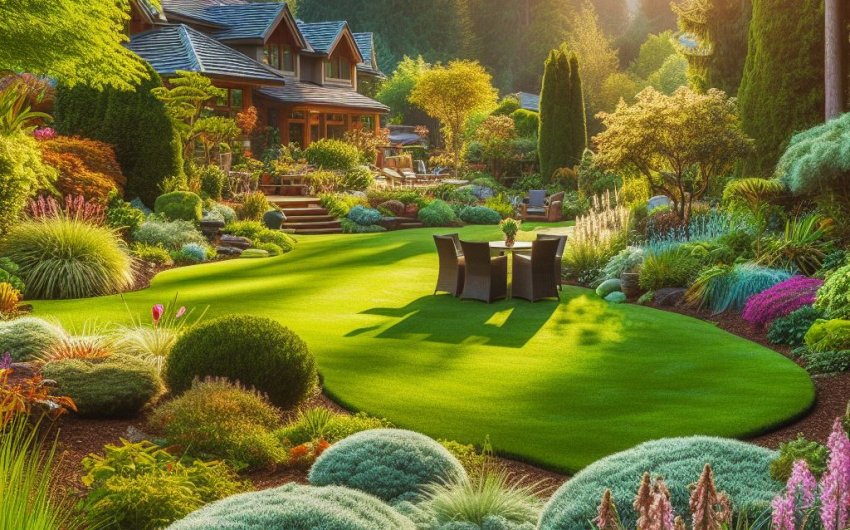
Eco-friendly lawn care practices involve using sustainable methods like organic fertilizing, water conservation, and manual weeding to maintain a healthy yard without harming the environment. By focusing on soil health and biodiversity, you can create a beautiful outdoor space that supports local wildlife and reduces your carbon footprint.
How Do You Start a Sustainable Lawn Care Routine?
Beginning a green transition starts with understanding your local ecosystem and the specific needs of your soil. Instead of reaching for quick-fix chemicals, you look at the long-term vitality of your grass and the microorganisms living beneath the surface.
To build a foundation for sustainability, focus on these core pillars:
- Soil Testing: Know your pH and nutrient levels before adding anything.
- Grass Selection: Use native grasses that thrive in your specific climate.
- Minimal Intervention: Only apply treatments when absolutely necessary.
- Biodiversity: Allow some clover or "weeds" to provide food for pollinators.
Which Grass Types Are Best for Environmentally Friendly Lawns?
Choosing the right grass is the most important step in reducing water and fertilizer waste. Native grasses are naturally adapted to your local rainfall and soil types, meaning they require much less maintenance.
| Grass Type | Climate Zone | Water Needs | Maintenance Level |
|---|---|---|---|
| Buffalo Grass | Arid/Dry | Very Low | Minimal mowing |
| Fine Fescue | Cool/Shady | Low | Slow growing |
| Tall Fescue | Transition | Moderate | Deep roots, drought-hardy |
| Zoysia | Warm/Humid | Moderate | Low fertilizer needs |
If you are looking to overseed your existing yard, choosing a high-quality native grass seed can significantly reduce your future workload.
Why Is Soil Health the Secret to a Green Yard?
A healthy lawn starts underground; if your soil is dead, your grass will always struggle. Sustainable gardening focuses on feeding the soil biology—earthworms, fungi, and bacteria—rather than just feeding the plant.
When soil is rich in organic matter, it acts like a sponge. It holds onto water longer and breaks down nutrients so they are easier for the grass to "digest." Using a liquid seaweed fertilizer can provide immediate trace minerals while supporting these helpful soil microbes.
How Can You Save Water While Maintaining a Lush Lawn?
Water conservation is a primary goal of eco-friendly lawn care practices. Most homeowners overwater their yards, which leads to shallow roots and increased disease risk.
- Water early: Between 4:00 AM and 8:00 AM to prevent evaporation.
- Water deep: Aim for 1 inch of water once a week rather than daily sprinkles.
- Use technology: Install a smart sprinkler controller that adjusts based on local weather forecasts.
- Mow high: Taller grass shades the soil, keeping it cool and reducing water loss.
What Are the Best Alternatives to Chemical Fertilizers?
Synthetic fertilizers are often made from petroleum and can wash into local streams, causing algae blooms. Natural alternatives release nutrients slowly and improve the earth over time.
- Compost: Spread 1/4 inch of finished compost over your lawn twice a year.
- Grass Clippings: Leave them on the lawn to return nitrogen to the soil.
- Corn Gluten: A natural way to stop weed seeds from sprouting.
- Manure-based Pellets: Provide a balanced mix of nitrogen and phosphorus.
For a convenient all-in-one solution, many homeowners prefer a plant-based lawn food that is safe for children and pets to walk on immediately after application.
How Do You Manage Weeds Without Toxic Herbicides?
In a sustainable system, a few weeds are not the enemy. However, if you want to keep them in check, manual and biological methods are the safest way to protect your local bees and birds.
Effective Weed Strategies
- Hand Pulling: Best for large weeds like dandelions. Using a stand-up weed puller saves your back and pulls out the entire root.
- Horticultural Vinegar: A high-strength vinegar that burns weed leaves on contact.
- Thick Turf: The best defense against weeds is a thick lawn that leaves no room for seeds to take hold.
Is Mowing Your Lawn Environmentally Damaging?
Gas-powered mowers produce a surprising amount of air and noise pollution. Switching to cleaner alternatives is a major win for eco-friendly lawn care.
- Electric Mowers: Quiet, zero-emission, and require almost no maintenance.
- Reel Mowers: Perfect for small yards, these human-powered tools provide a clean, scissor-like cut.
- Mulching Blades: These blades chop grass into fine bits that disappear into the lawn.
Ensure your blades are always sharp. Using a lawn mower blade sharpener ensures you aren't tearing the grass, which can invite disease and fungus.
How Does Aeration Help the Environment?
Compacted soil prevents air and water from reaching the roots, often leading to runoff that carries soil and nutrients away. Core aeration removes small plugs of dirt to let the "lawn breathe."
By aerating, you encourage roots to grow deeper, making the grass more drought-tolerant. After aerating, it is an excellent time to apply organic compost to fill those holes with nutrient-rich material.
Can You Use Beneficial Insects for Pest Control?
Instead of spraying broad-spectrum insecticides that kill the "good bugs" along with the "bad bugs," eco-friendly gardeners use biological controls.
- Ladybugs: Eat aphids and other soft-bodied pests.
- Praying Mantis: General predators that keep insect populations in check.
- Nematodes: Microscopic worms that you spray on the lawn to eat grubs.
You can actually buy beneficial nematodes and apply them with a standard sprayer to stop Japanese beetles before they emerge.
Why Should You Consider a Clover Lawn?
Clover was once a standard part of lawn seed mixes because it is a "nitrogen fixer." This means it pulls nitrogen from the air and puts it into the soil, fertilizing the grass around it for free.
- Drought resistant: Stays green even when grass turns brown in summer.
- Pollinator friendly: Bees love clover flowers.
- Low maintenance: Needs less mowing and no fertilizer.
Mixing in some clover seed is a great way to make your yard more resilient and self-sustaining.
How Do You Handle Lawn Diseases Naturally?
Lawn fungus often happens when there is too much moisture and not enough air circulation. Instead of fungicides, you can use proactive care to keep diseases away.
- Proper Drainage: Ensure water doesn't pool in low spots.
- Clean Tools: Wash your mower blades after cutting a diseased patch of grass.
- Baking Soda Sprays: A simple mix of water and baking soda can help with some mild mildews.
- Compost Tea: Introduces beneficial bacteria that compete with the harmful fungi.
What Are the Benefits of Rain Gardens?
If your property has a spot where water always sits after a storm, don't try to grow grass there. Instead, plant a rain garden with deep-rooted native plants.
Rain gardens filter pollutants out of the water before it soaks back into the ground. They are a beautiful addition to any yard and provide a habitat for butterflies and songbirds. Using a rain barrel nearby can also help you collect roof runoff to water your plants later.
How Do Leaves Help Your Sustainable Lawn?
In the fall, many people bag up their leaves and send them to a landfill. This is a waste of free nutrients.
Instead, use your mower to shred the leaves into tiny pieces. These leaf bits will break down over the winter, providing a boost of carbon and nutrients to the soil. If you have too many leaves to shred, put them in a compost bin to create mulch for your flower beds next spring.
What Is the "No Mow May" Movement?
"No Mow May" is a popular trend where homeowners stop mowing for the entire month of May. This allows early-season flowers to grow, providing much-needed food for bees emerging from winter.
Even if you can't go a whole month, reducing your mowing frequency helps the environment. Longer grass is healthier grass, and less mowing means less fuel or electricity used. It also encourages a more natural landscape that feels less like a carpet and more like a living ecosystem.
How Can You Transition to a Chemical-Free Yard?
Transitioning doesn't have to happen overnight. You can start by replacing one chemical product with a natural one each season.
- Year 1: Stop using "weed and feed" products and switch to organic fertilizer.
- Year 2: Start a compost pile and begin overseeding with native grasses.
- Year 3: Replace your gas mower with an electric version and install a rain barrel.
Using a soil pH meter throughout this process will help you see how your soil health improves as you remove harsh chemicals.
Adopting eco-friendly lawn care practices is a rewarding way to improve your home's curb appeal while protecting the planet. By working with nature's systems—from the soil microbes to the local pollinators—you can create a resilient, beautiful, and truly sustainable outdoor space. Each small change you make contributes to a healthier environment for your family and your community.