
Mow Like a Pro: Unlocking Lawn Mowing Best Practices
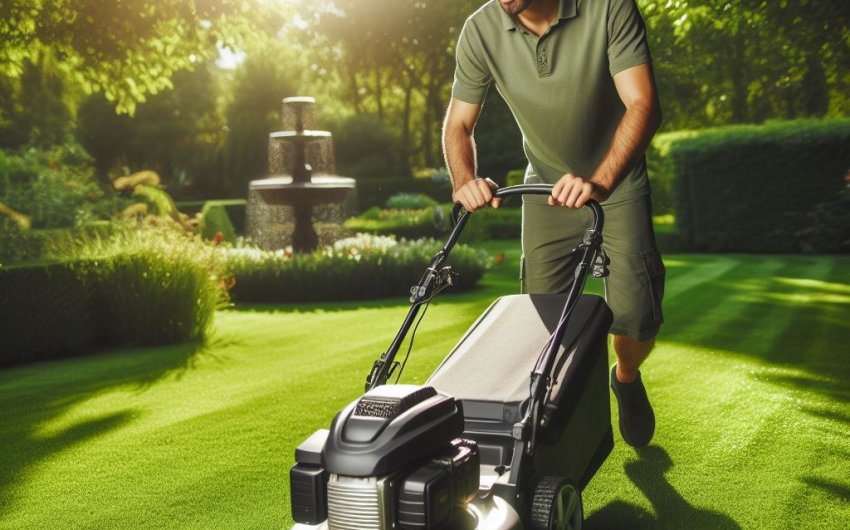
Lawn mowing best practices involve cutting your grass at the correct height for its species and maintaining sharp mower blades to ensure a clean, healthy slice. By following the "one-third rule"—never removing more than one-third of the grass blade at once—you promote deep root growth and natural resistance to weeds and drought.
Why Is Mowing Height So Important for Your Lawn?
The height at which you cut your grass directly dictates how deep its roots will grow into the soil. Taller grass blades allow for more photosynthesis, which creates a stronger, more resilient root system that can find water during dry spells.
Furthermore, keeping your lawn a bit longer provides shade to the soil surface. This natural shading prevents weed seeds from getting the sunlight they need to sprout and keeps the ground cooler, reducing the amount of water your yard requires.
- Deeper Roots: Longer blades mean deeper roots and better drought tolerance.
- Natural Weed Control: Thick, tall turf crowds out sunlight for invaders like crabgrass.
- Moisture Retention: Shade from tall grass slows down water evaporation from the earth.
- Slower Growth: Ironically, scalping grass often triggers a stress response that makes it grow back faster but weaker.
How Often Should You Mow Your Grass?
The frequency of your mowing should be determined by the growth rate of the grass rather than a set schedule like "every Saturday." During the peak of spring, you may need to mow twice a week, while in the heat of summer, once every ten days might be enough.
Adhering to the one-third rule is the most essential part of professional-level care. If you want your grass to be 3 inches tall, you should mow it when it reaches 4.5 inches. Cutting off too much at once shocks the plant and leaves it vulnerable to pests.
| Season | Typical Frequency | Growth Rate |
|---|---|---|
| Spring | Every 4 to 5 days | High (Fast growth) |
| Summer | Every 7 to 10 days | Moderate (Heat stress) |
| Fall | Every 6 to 8 days | Moderate (Root building) |
| Winter | Monthly / Not at all | Low (Dormancy) |
Why Should You Keep Your Mower Blades Sharp?
Mowing with dull blades is like trying to cut your hair with a pair of blunt craft scissors. Instead of a clean slice, a dull blade tears and shreds the grass tissue, leaving ragged white edges that make your lawn look brown from a distance.
These jagged edges are more than just an eyesore; they are open wounds that allow diseases and fungi to enter the plant. Using a lawn mower blade sharpener at least twice a season ensures that your cuts are clean and your grass stays healthy.
Should You Bag Your Grass Clippings or Leave Them?
In most cases, you should leave your clippings on the lawn, a practice known as grasscycling. Clippings are mostly water and nutrients; as they break down, they return up to 25% of the nitrogen back into the soil for free.
If you are worried about the "messy" look of long clippings, using a mulching lawn mower is the perfect solution. These mowers have a specialized deck and blade that chop the grass into tiny bits that fall between the blades and disappear almost immediately.
- Mulch whenever possible: It feeds your lawn and saves time.
- Bag only if diseased: If you have a fungus, bag the clippings to stop it from spreading.
- Bag if it's too long: If the lawn got away from you, bag the excess to prevent smothering the grass.
- Use clippings as mulch: Dried, chemical-free clippings are great for flower beds.
What Is the Best Time of Day to Mow?
The best time to mow your lawn is in the late afternoon or early evening. By this time, the dew has dried off the blades, preventing the grass from clumping, and the sun is less intense, which reduces the heat stress on the freshly cut plants.
Mowing in the early morning is tempting, but wet grass is slippery and often results in an uneven cut. Additionally, wet clippings can clog your mower and promote the spread of fungal diseases. If you must mow in the morning, wait until the sun has evaporated the moisture.
Why Should You Change Your Mowing Pattern Each Time?
If you always mow in the same direction, your mower wheels will eventually create ruts in the soil. Furthermore, grass tends to lean in the direction it is mowed. By changing your pattern, you encourage the blades to grow straight up and ensure a more even look.
- Week 1: Mow North to South.
- Week 2: Mow East to West.
- Week 3: Mow Diagonally.
This variation helps prevent soil compaction and ensures that your lawn gets an even cut from every angle.
How Do You Mow Correctly on Slopes and Hills?
Mowing on an incline requires extra safety precautions to protect both the operator and the turf. For push mowers, always mow across the slope (horizontally). For riding mowers, always mow up and down to prevent the machine from tipping over.
If a slope is too steep to walk on safely, consider planting groundcovers or wildflowers instead of grass. For those who still want to maintain a hill, using a self-propelled mower can provide the extra power needed to navigate inclines without physical strain.
What Are the Benefits of a Clean Mower Deck?
A mower deck caked with old, rotting grass clippings is a breeding ground for bacteria and rust. It also restricts the airflow needed to lift the grass blades upright for a clean cut.
After every few mows, tip your mower over (ensuring the air filter and carburetor are facing up) and scrape away the buildup. Using a deck scraper tool makes it easy to keep the underside of your machine in top shape, improving its efficiency and extending its lifespan.
How Do You Handle Trimming and Edging?
Mowing is only half the battle; trimming and edging provide the crisp, professional finish that makes a yard stand out. Trimming handles the grass near fences and trees, while edging creates a distinct line between the turf and your sidewalk or driveway.
- Trim first: This allows you to mow over the trimmings later.
- Don't "scalp" the edges: Avoid tilting the trimmer too much, which can kill the grass at the edge.
- Maintain a line: Use a string trimmer to reach where the mower cannot.
What Should You Do Before You Start the Mower?
A quick pre-mow inspection can prevent accidents and save your equipment from damage. Large sticks, stones, or dog toys hidden in the tall grass can become dangerous projectiles if hit by a blade moving at 3,000 RPM.
- Walk the yard: Pick up debris and check for low-hanging branches.
- Check the oil: Ensure your engine is properly lubricated.
- Check the fuel: Use fresh gas to prevent engine sputtering.
- Safety gear: Always wear closed-toe shoes and eye protection.
Is Mowing Different for New Grass?
New sod or freshly sprouted seeds are extremely delicate. You should wait until new grass is about 1 inch taller than your intended mowing height before its first cut. This allows the root system to establish itself firmly in the ground so the mower doesn't pull the plants out.
Ensure your blades are extra sharp for new grass. Using a lightweight mower for the first few sessions can help prevent ruts in the soft, newly prepared soil.
Why Should You Avoid Mowing During a Drought?
When the weather is extremely hot and dry, your grass enters a state of dormancy to protect itself. Mowing during this time adds unnecessary stress to the plant and can cause it to turn brown or die.
If you must mow during a dry spell, raise your mower deck to the highest possible setting. This keeps the soil shaded and preserves what little moisture remains. If the grass is crunchy under your feet, it is best to leave the mower in the garage until you get some rain.
How Do You Prepare Your Mower for the Off-Season?
Proper storage ensures your mower will start on the first pull next spring. Leaving old fuel in the tank can lead to a clogged carburetor and expensive repairs.
- Drain the fuel: Or use a fuel stabilizer if storing for more than 30 days.
- Remove the battery: Keep it in a cool, dry place if you have an electric mower.
- Clean the deck: Remove all grass and mud to prevent rust.
- Change the oil: Fresh oil prevents engine wear during the next season.
Using a lawn mower cover while it sits in the garage or shed will keep dust and moisture away from sensitive engine parts.
Implementing these lawn mowing best practices transforms a simple chore into a strategic way to improve your property's health. By respecting the natural growth cycles of your grass and maintaining your equipment, you create a thick, lush carpet that enhances your home's curb appeal. Consistency and attention to detail are the real secrets to achieving a professional-looking lawn that your neighbors will envy. Applying these unlock lawn mowing best practices will ensure your grass remains the pride of the neighborhood.