
Sweet Success: How to Grow Strawberries Indoors
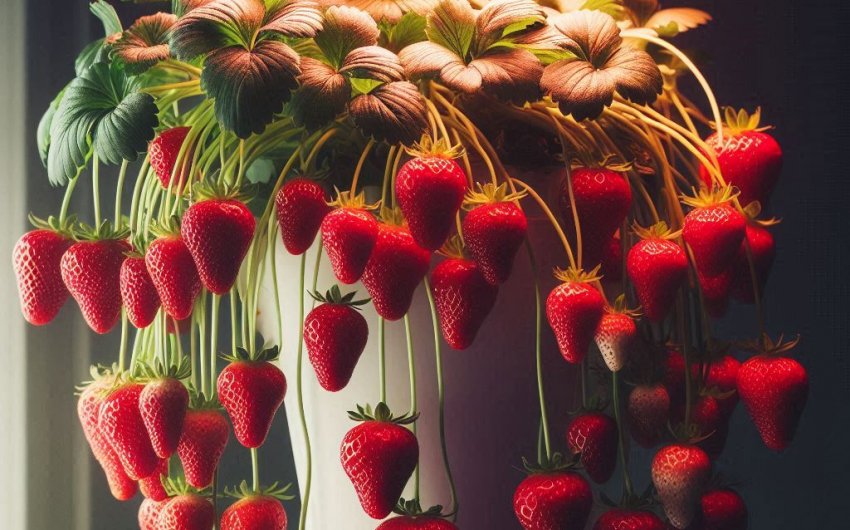
Dreaming of fresh, juicy strawberries even when the garden is covered in snow? Learning how to grow strawberries indoors allows you to enjoy these delightful fruits year-round, regardless of outdoor climate. With the right approach and a few key supplies, cultivating your own sweet harvest inside is entirely achievable, providing fresh flavor whenever you desire.
Is It Possible to Grow Strawberries Inside Your Home?
Absolutely! While strawberries are traditionally outdoor plants, many varieties adapt very well to indoor growing conditions. The key is replicating their preferred outdoor environment as closely as possible, especially concerning light, temperature, and humidity. Indoor cultivation protects them from pests, diseases, and harsh weather, making it a controlled and rewarding gardening experience.
What Supplies Do You Need to Grow Strawberries Indoors?
To successfully cultivate strawberries inside, you’ll need to gather a few essential items. Having the right tools and materials from the start will make the process much smoother and increase your chances of a bountiful harvest.
Strawberry Plants or Seeds
You can start your indoor strawberry patch in two main ways: using strawberry plants (bare-root or potted) or strawberry seeds.
- Bare-root plants: These are dormant plants, often sold in bundles, without soil. They are usually more mature and will produce fruit faster than seeds. When buying, look for a reputable source for bare-root strawberry plants.
- Potted plants: Already growing in small pots, these are ready to be transplanted. They often have an established root system.
- Seeds: Starting from strawberry seeds takes longer to produce fruit (often a year or more), but offers a wider variety of choices. Ensure you buy strawberry seeds specifically for home gardening.
Pots or Containers
Strawberries have relatively shallow root systems, making them ideal for container gardening. The type of pot matters for drainage and aeration.
- Terracotta pots: These are good because they allow the soil to breathe and dry out more evenly, preventing root rot.
- Plastic pots: A more affordable option, but ensure they have ample drainage holes.
- Strawberry pots: These specialized pots have multiple openings along the sides, allowing you to plant several strawberry plants in one container, maximizing space. A large strawberry pot can house many plants.
- Hanging baskets: Excellent for everbearing varieties, allowing runners to dangle freely and providing good air circulation. A coir hanging basket can be very appealing.
- Grow bags: Fabric grow bags promote air pruning of roots and prevent plants from becoming root-bound. You can find strawberry grow bags designed for this purpose.
No matter which type you choose, ensure your containers have drainage holes at the bottom to prevent waterlogging.
Potting Mix
Regular garden soil is too heavy for containers and can compact, suffocating roots. Use a well-draining potting mix specifically designed for containers.
- Look for mixes that contain perlite or vermiculite for good drainage and aeration. A premium organic potting mix is ideal.
- Avoid soil with too much peat moss, as it can retain too much water.
Grow Lights
This is perhaps the most crucial item for indoor strawberry success. Strawberries need a lot of light—at least 6-8 hours of direct sun daily, which is hard to achieve indoors naturally.
- LED grow lights: Energy-efficient and long-lasting, providing the full spectrum of light plants need. A full-spectrum LED grow light is a great investment.
- Fluorescent lights (T5 or T8): Can also work, but may be less energy-efficient than LEDs.
- Look for lights with a timer feature so you can set consistent light cycles (12-16 hours per day). A digital grow light timer is essential.
Fertilizer
Container-grown plants need regular feeding as nutrients leach out with watering.
- Use a balanced liquid fertilizer or one formulated specifically for fruiting plants.
- Look for a fertilizer with a slightly higher potassium (K) content to encourage fruit production, like an organic strawberry fertilizer.
Small Fan
Good air circulation is vital for healthy plant growth and to prevent fungal diseases.
- A small oscillating fan helps simulate outdoor breezes, strengthening stems and aiding in pollination. A small clip-on fan works well.
Pollination Tools
Indoors, you won't have bees or wind for natural pollination, so you'll need to do it manually.
- A soft artist's paintbrush or a cotton swab can be used to transfer pollen from flower to flower. A fine-tipped paintbrush set is perfect for this.
Thermometer and Hydrometer
To monitor the environment for your plants.
- An indoor thermometer/hygrometer combo helps you keep track of temperature and humidity levels, ensuring they stay within the ideal range for strawberries.
Which Strawberry Varieties Are Best for Indoor Growing?
Not all strawberries are created equal when it comes to indoor suitability. To succeed with how to grow strawberries indoors, selecting the right variety is crucial. You'll want to focus on types that are compact, everbearing, or day-neutral, as these are better suited to container life and continuous fruiting.
Everbearing Strawberries
These varieties produce fruit throughout the growing season, typically in flushes during spring, summer, and fall, rather than a single large harvest. This makes them ideal for continuous indoor production.
- Ozark Beauty: A very popular and reliable everbearing variety known for large, sweet berries. It's hardy and productive, even in containers.
- Tristar: Another excellent choice, producing medium-sized, firm, and flavorful berries. It's known for its vigor and consistent yield.
- Quinault: Offers large, juicy berries and is very productive. It's also quite resilient to various conditions.
- Seascape: Known for its firm, sweet berries and good disease resistance. It performs well in containers and hanging baskets.
Day-Neutral Strawberries
Day-neutral strawberries are a subset of everbearing types. Their flowering and fruiting are not dependent on day length (unlike Junebearing varieties), meaning they can produce berries almost continuously as long as temperatures are right (generally between 35°F and 85°F). This continuous production makes them exceptionally well-suited for indoor gardening with controlled light and temperature.
- Albion: A highly regarded day-neutral variety producing large, firm, and exceptionally flavorful berries. It's also resistant to some common diseases.
- San Andreas: Similar to Albion, offering large, sweet fruit and high yields. It's robust and adaptable.
- Evie 2: Known for its heavy yields of sweet, attractive berries. It's a newer variety that shows great promise for consistent production.
- Monterey: Offers very large, flavorful berries and a long harvest season, making it a favorite for many indoor growers.
Alpine Strawberries
While smaller than traditional strawberries, Alpine strawberries (Fragaria vesca) are gaining popularity for indoor growing due to their compact size, continuous fruiting, and intense flavor. They don't produce runners, keeping them neatly contained.
- Alexandria: A common and reliable red alpine strawberry that produces small, incredibly sweet berries.
- Yellow Wonder: Produces small, yellow berries that are equally sweet but often overlooked by birds due to their color (not an issue indoors, but a fun fact!).
- Mignonette: Another popular red alpine variety, known for its strong aroma and delicious tiny fruit.
When selecting, consider where you'll buy your plants. For established plants, look for indoor strawberry plant starts. For a wider variety and the fun of starting from scratch, search for everbearing strawberry seeds or day-neutral strawberry seeds.
How Do You Plant Strawberries Indoors?
Once you have your supplies and chosen your variety, the actual planting process is quite simple. Knowing how to grow strawberries indoors starts with proper planting to ensure your plants get the best possible start.
From Bare-Root Plants
- Preparation: If your bare-root plants arrive dry, soak their roots in lukewarm water for about 20-30 minutes before planting. This helps rehydrate them.
- Potting Mix: Fill your chosen pot (with drainage holes!) with your well-draining potting mix, leaving about an inch or two from the rim.
- Planting Depth: This is crucial. Create a small mound of soil in the center of the pot. Place the bare-root plant on top of the mound, spreading its roots down and around the mound. The "crown" (the point where the roots meet the stem and leaves emerge) must be exactly at soil level. If it's buried, the plant can rot. If it's too high, the roots can dry out.
- Fill and Water: Gently backfill the pot with more potting mix, ensuring the crown remains exposed. Lightly tamp the soil around the plant to remove air pockets. Water thoroughly until water drains from the bottom.
From Potted Plants
- Preparation: Gently remove the strawberry plant from its nursery pot. If the roots are tightly coiled around the root ball (root-bound), gently loosen them with your fingers.
- Potting Mix: Add a layer of potting mix to the bottom of your new, larger pot.
- Planting Depth: Place the plant in the new pot. The top of the soil from the original pot should be level with the soil in the new pot. The crown should remain exposed.
- Fill and Water: Fill around the root ball with fresh potting mix, lightly tamping down. Water deeply until water drains from the bottom.
From Seeds
- Stratification (Optional but Recommended): Many strawberry seeds benefit from a cold stratification period to help break dormancy and improve germination rates. Place seeds on a damp paper towel, fold it, place it in a sealed plastic bag, and refrigerate for 3-4 weeks.
- Sowing: Fill seed trays or small pots with a seed-starting mix. Lightly moisten the mix. Sprinkle the tiny strawberry seeds on the surface of the soil; do not bury them, as they need light to germinate.
- Covering: Lightly mist the seeds. You can cover the trays with a clear plastic dome or plastic wrap to maintain humidity, removing it daily for fresh air.
- Germination: Place under your grow lights (or in a warm, bright spot) at temperatures between 65-75°F (18-24°C). Germination can take anywhere from 2-4 weeks, sometimes longer. Keep the soil consistently moist but not soggy.
- Thinning: Once seedlings have developed a few true leaves, thin them out, leaving the strongest seedlings at a spacing of about 6-8 inches apart in their final pots.
No matter your starting method, giving your plants the proper initial care sets the stage for a thriving indoor strawberry patch. A seed-starting kit with grow lights can simplify the seed-starting process.
What Conditions Do Indoor Strawberries Need to Thrive?
Successfully learning how to grow strawberries indoors hinges on replicating their preferred outdoor conditions. By controlling light, temperature, humidity, and nutrients, you create an environment where your plants can truly flourish and produce abundant fruit.
Light
This is the most critical factor for indoor strawberries. They are sun-loving plants.
- Duration: Strawberries need at least 12-16 hours of strong light per day to produce fruit. Anything less will result in leggy plants and poor fruiting.
- Intensity: A full-spectrum LED grow light is highly recommended. Position it 6-12 inches above your plants, adjusting as they grow.
- Placement: If possible, supplement with natural light from a south-facing window, but do not rely on it as the sole light source.
Temperature
Strawberries prefer cooler temperatures than many other indoor fruiting plants.
- Daytime: Aim for temperatures between 65-75°F (18-24°C).
- Nighttime: Ideally, provide a slight temperature drop to 55-65°F (13-18°C), which can encourage flowering and fruiting. Avoid extreme heat, as it can cause small, bitter berries or inhibit fruit set.
Humidity
Strawberries appreciate moderate humidity levels, similar to outdoor conditions.
- Ideal Range: Aim for 50-70% relative humidity.
- Increasing Humidity: If your indoor air is dry (common in heated homes), consider placing your pots on a pebble tray filled with water (ensure the pot doesn't sit directly in the water). A small room humidifier can also be beneficial, especially for a larger indoor patch. An indoor plant hygrometer helps you monitor levels.
Watering
Consistent moisture is vital, but overwatering is a common killer.
- Frequency: Water when the top inch of soil feels dry to the touch. Stick your finger into the soil to check.
- Method: Water deeply until water drains from the bottom of the pot. Never let pots sit in standing water.
- Drainage: Ensure your pots have excellent drainage holes. Empty any saucers beneath the pots after watering.
- Water Quality: If your tap water is heavily chlorinated, let it sit out for 24 hours to allow the chlorine to dissipate.
Air Circulation
Good airflow prevents fungal diseases and strengthens plants.
- Fan Use: Use a small oscillating fan near your plants for a few hours each day. This simulates outdoor breezes, helping stems become sturdier and reducing the risk of powdery mildew or gray mold. A small USB fan for plants can be discreet.
Nutrients (Fertilization)
Container plants need consistent feeding because nutrients wash out with watering.
- Initial Feeding: If your potting mix contains a slow-release fertilizer, you may not need to fertilize for the first few weeks.
- Regular Feeding: Once the plants are established (about 3-4 weeks after planting), begin fertilizing every 2-4 weeks.
- Type of Fertilizer: Use a balanced liquid fertilizer or one specifically for fruiting plants. A formula with slightly higher phosphorus (P) and potassium (K) can encourage flowering and fruiting. Dilute to half-strength to avoid nutrient burn. An organic berry fertilizer is a good choice.
By carefully managing these environmental factors, you'll provide your indoor strawberries with the ideal conditions for robust growth and delicious fruit production.
How Do You Pollinate Strawberries Indoors?
One of the unique challenges of learning how to grow strawberries indoors is the absence of natural pollinators like bees and wind. Without pollination, your strawberry flowers won't develop into fruits. Fortunately, manual pollination is simple and effective.
Why Manual Pollination is Necessary
Outdoors, insects (primarily bees) carry pollen from the stamens (male parts) to the pistils (female parts) within the same flower or between different flowers. Wind also plays a role by shaking pollen loose. Indoors, without these natural helpers, you must become the pollinator.
When to Pollinate
Pollinate your strawberry flowers when they are fully open and appear to have visible pollen (a yellow, powdery substance) on the stamens. This is typically in the morning when pollen is most abundant and viable. You'll likely see small, white or yellowish flowers appearing on your plants.
Methods for Manual Pollination
There are a few simple ways to hand-pollinate your strawberry flowers:
Small Paintbrush or Cotton Swab Method:
- Gently use a soft artist's paintbrush or a cotton swab to lightly brush the yellow stamens in the center of a strawberry flower. You should see pollen cling to the brush or swab.
- Then, gently dab or brush the collected pollen onto the central green cone (the pistil) of the same flower and other flowers on the plant.
- Repeat this process for all open flowers, ensuring pollen is transferred to every part of the pistil. Doing this for each flower daily for a few days while it's open will maximize your chances of fruit set. A soft artist brush set is perfect for this.
Electric Toothbrush Method (Gentle Vibration):
- For a slightly more efficient method, you can use a clean, dry electric toothbrush (with the brush head removed, or using a very soft one).
- Gently touch the vibrating toothbrush to the stem just below each flower or to the base of the flower. The vibrations will cause pollen to release and fall onto the pistil.
- Be very gentle to avoid damaging the delicate flower parts.
Finger Flicking/Tapping Method:
- If you don't have a tool, you can gently flick or tap the stems of the flowers with your finger. This action can dislodge pollen, allowing it to fall onto the pistil. While less precise, it can still be effective if done regularly.
Tips for Successful Pollination
- Consistency: Pollinate daily while the flowers are open.
- Thoroughness: Ensure you're touching all parts of the pistil with pollen.
- Observe: You'll know pollination has been successful if the central green cone of the flower starts to swell and form a tiny green berry. If it turns brown and withers, pollination was unsuccessful.
Manual pollination is a crucial step in the process of how to grow strawberries indoors, directly impacting your yield. Don't skip it!
How Do You Care for Indoor Strawberry Plants?
Once your strawberries are planted and receiving the right light and environmental conditions, ongoing care will ensure they remain healthy and productive. Knowing how to grow strawberries indoors effectively involves consistent attention to their needs.
Watering Routines
As mentioned, consistent moisture is key.
- Check Daily: Get into the habit of checking the soil moisture daily, especially during warm periods or when plants are actively fruiting.
- Bottom Watering (Optional): If you find it hard to gauge moisture or your soil dries out quickly, you can try bottom watering. Place the pot in a tray of water for 20-30 minutes, allowing the soil to soak up water from the bottom. Remove and let excess drain.
Fertilization Schedule
Regular feeding is essential for continuous fruiting.
- Actively Growing: During periods of active growth and fruiting, fertilize every 2-3 weeks with a balanced liquid fertilizer or one slightly higher in potassium (K).
- Rest Periods: If your plants have a period of less vigorous growth or less fruiting, you can reduce fertilization to once a month or stop entirely for a short period.
- Follow Directions: Always follow the directions on your chosen fertilizer packaging, and consider using half the recommended strength to avoid burning the roots.
Pruning and Runners
Pruning helps redirect the plant's energy towards fruit production.
- Runners: Strawberry plants produce "runners" (long stems with small plantlets at the end). Outdoors, these help the plant spread. Indoors, they drain energy from fruit production. It's generally best to snip off these runners as they appear, unless you want to propagate new plants. Use clean, sharp pruning snips.
- Dead Leaves: Remove any yellowing, brown, or dead leaves. This improves air circulation and prevents disease.
Pest and Disease Management
Indoor environments can still attract pests, though usually fewer than outdoors.
- Inspect Regularly: Routinely check the undersides of leaves and stems for signs of pests like spider mites, aphids, or whiteflies.
- Early Intervention: If you spot pests, act quickly.
- Spider Mites: Increase humidity around the plants. Spray with water or an insecticidal soap specifically formulated for plants.
- Aphids/Whiteflies: Wipe them off with a damp cloth or spray with insecticidal soap.
- For persistent issues, consider an organic insecticidal soap.
- Good Airflow: Maintain good air circulation with a fan to deter fungal diseases like powdery mildew.
- Avoid Overwatering: This is key to preventing root rot and fungus gnats.
Fruiting and Harvesting
- Ripening: Strawberries will change from green to white, then to red as they ripen. Allow them to fully ripen on the plant for the best flavor. They won't ripen further once picked.
- Harvesting: When the berries are fully red, gently snip them off with a small piece of stem attached, or carefully twist them off. Harvesting encourages the plant to produce more. A berry picking shear can be useful.
Rest Period (Optional)
Some everbearing varieties may benefit from a short "rest period" in late fall or winter, simulating a dormant phase.
- Cooler Temperatures: Reduce light hours to 8-10 hours per day and lower temperatures to 40-50°F (4-10°C) for 4-6 weeks.
- Reduced Watering: Water less frequently during this period.
- This can help rejuvenate the plant for a more vigorous spring flush.
Consistent care will ensure your indoor strawberry plants remain happy, healthy, and continue to provide you with delicious fruit.
When Can You Expect to Harvest Indoor Strawberries?
The timeline for harvesting your sweet indoor treats largely depends on how you started your plants. Understanding this helps manage expectations when learning how to grow strawberries indoors.
From Bare-Root Plants or Potted Plants
- If you start with mature bare-root plants or already potted plants, you can typically expect your first harvest much sooner.
- First Harvest: Depending on the variety and how mature the plant was when you acquired it, you might see flowers and fruits within 2-3 months of planting. Everbearing and day-neutral varieties are designed for continuous production, so you'll get flushes of berries throughout the year as long as conditions are favorable.
From Seeds
- Starting strawberries from seed requires more patience.
- First Harvest: It can take anywhere from 8-18 months for strawberry plants grown from seed to produce their first fruits. This is because the plant needs to reach a certain level of maturity before it's ready to flower and fruit. The first year is primarily dedicated to establishing a strong root system and foliage.
- Improved Production: You'll likely see a more significant and consistent harvest in the second year from seed-grown plants.
Factors Affecting Harvest Time and Yield
Several factors can influence how quickly and how much fruit your indoor strawberries produce:
- Light Intensity and Duration: This is the biggest factor. Insufficient light (not enough intensity or hours) will severely limit flowering and fruiting. Remember, 12-16 hours of strong light from a high-quality grow light is crucial.
- Pollination Success: If your flowers are not adequately pollinated, they will not turn into fruit. Consistent daily hand-pollination is non-negotiable for a good yield.
- Temperature: Extreme temperatures (too hot or too cold) can hinder flower and fruit development. Maintaining the ideal temperature range (65-75°F daytime, 55-65°F nighttime) is important.
- Nutrient Availability: Plants need consistent nutrients to fuel fruit production. Regular fertilization with an appropriate strawberry plant food is vital.
- Variety Selection: As discussed, everbearing and day-neutral varieties are bred for continuous production and are your best bet for indoor success. Junebearing varieties (which produce one large crop in early summer) are generally not recommended for indoor growing as they require a more complex chilling period.
- Pruning: Removing runners helps the plant focus its energy on producing berries rather than new plantlets.
By providing optimal conditions and consistent care, you can enjoy a relatively continuous supply of fresh, homegrown strawberries right from your indoor garden, making the effort of learning how to grow strawberries indoors incredibly rewarding.