
Breathe Easier: Top Indoor Plants for Cleaner Air
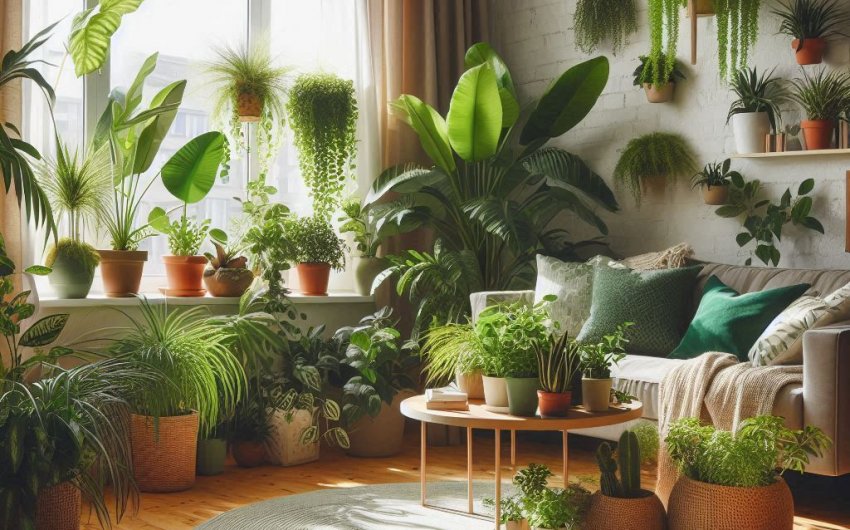
Looking to enhance your home's air quality naturally? Discover the finest indoor plants for air purification that can transform your living space into a haven of fresh, clean air. These green companions not only add beauty but also actively work to remove common airborne toxins, making your indoor environment healthier and more invigorating.
Do Plants Really Clean the Air?
Yes, they do! Numerous studies, most notably research conducted by NASA, have shown that certain houseplants are remarkably effective at filtering out harmful chemicals from the air. This process, called phytoremediation, involves plants absorbing pollutants through their leaves and roots, then breaking them down or converting them into less harmful substances. It's a natural, sustainable way to improve your home’s atmosphere.
Which Indoor Plants Are Best for Removing Toxins?
When it comes to tackling airborne pollutants, some plants stand out from the rest. These botanical champions excel at removing volatile organic compounds (VOCs) like formaldehyde, benzene, xylene, and trichloroethylene, commonly found in household products and building materials.
Snake Plant (Sansevieria trifasciata)
Often called "Mother-in-Law's Tongue," the snake plant is a remarkably resilient and low-maintenance option for air purification. It's one of the few plants that convert carbon dioxide into oxygen at night, making it ideal for bedrooms. It's excellent at removing formaldehyde, benzene, trichloroethylene, xylene, and toluene. You can find various sizes, from compact tabletop varieties to tall, striking floor plants, like a Sansevieria trifasciata Laurentii.
Spider Plant (Chlorophytum comosum)
The spider plant is a classic and extremely popular choice for a reason. It's incredibly easy to care for, tolerant of neglect, and produces charming "spiderettes" that can be easily propagated. This plant is particularly effective at battling formaldehyde, xylene, and toluene. Its graceful, arching leaves make a lovely addition to hanging baskets. Consider a Bonnie Spider Plant for its curly leaves.
Peace Lily (Spathiphyllum)
With its elegant white blooms and lush green foliage, the peace lily is more than just a pretty face. This plant is a powerhouse when it comes to filtering indoor air, tackling a broad spectrum of pollutants including ammonia, benzene, formaldehyde, trichloroethylene, and xylene. It thrives in low light, making it suitable for many indoor spaces, but keep in mind that its leaves can be toxic if ingested, so it's best kept away from pets and small children. A beautiful Peace Lily Sensation can make a significant impact.
Boston Fern (Nephrolepis exaltata)
The Boston fern is a verdant, feathery plant that excels at removing formaldehyde and xylene. It also acts as a natural humidifier, releasing moisture into the air, which can be beneficial in dry climates. These ferns love humidity and bright, indirect light, making them perfect for bathrooms or kitchens. To maintain its lush appearance, regular misting or a pebble tray can be helpful. For a full, vibrant look, consider a Kimberly Queen Fern.
ZZ Plant (Zamioculcas zamiifolia)
For those who sometimes forget to water their plants, the ZZ plant is a dream come true. This extremely drought-tolerant and low-light-loving plant is an excellent choice for beginner plant parents. While not as widely studied as other plants for its air-purifying capabilities, it's known to remove some xylene and toluene. Its glossy, deep green leaves add a sophisticated touch to any room. Look for a Raven ZZ Plant for its striking dark foliage.
Pothos (Epipremnum aureum)
Often called "Devil's Ivy" because of its near-impossible-to-kill nature, Pothos is a versatile trailing plant that comes in many varieties, such as Golden Pothos or Neon Pothos. It's highly effective at removing formaldehyde, benzene, carbon monoxide, and xylene. Pothos can thrive in a range of light conditions, from low to bright indirect light, and its cascading vines look beautiful in hanging baskets or trailing from shelves. Like the Peace Lily, it is toxic to pets if ingested.
Chinese Evergreen (Aglaonema)
The Chinese Evergreen is a beautiful and adaptable plant, celebrated for its varied leaf patterns that range from deep green to silvery-grey and even red. This plant is excellent for improving indoor air quality, particularly for filtering out benzene and formaldehyde. It's also known for being low maintenance and tolerant of low light conditions, making it a perfect choice for dimly lit rooms or offices. Consider an Aglaonema Silver Bay for its striking foliage.
Aloe Vera (Aloe barbadensis miller)
More than just a soothing remedy for sunburns, the Aloe Vera plant is also an effective air purifier. It's known for its ability to remove formaldehyde and benzene from the air, chemicals that can be found in cleaning products and paints. Aloe Vera is a succulent, meaning it stores water in its leaves, making it very drought-tolerant and easy to care for. It thrives in bright, indirect light. A ready-to-grow Aloe Vera Plant is a practical and beneficial addition to any home.
Dragon Tree (Dracaena marginata)
The Dragon Tree, with its slender stems and spiky, often reddish-edged leaves, brings a dramatic flair to any space. It's one of the best indoor plants for air purification, excelling at removing benzene, formaldehyde, trichloroethylene, and xylene. Dracaena varieties are generally easy to care for, preferring medium to bright indirect light and moderately moist soil. A tall Dracaena marginata can become a stunning focal point.
Areca Palm (Dypsis lutescens)
The Areca Palm is a magnificent plant that not only purifies the air but also acts as a natural humidifier. It's particularly good at removing formaldehyde, benzene, and carbon monoxide. Its graceful, arching fronds give it a tropical look, making it a beautiful addition to larger spaces. Areca palms prefer bright, indirect light and consistent moisture, though they don't like to sit in soggy soil. A thriving Areca Palm can significantly improve the aesthetic and air quality of a room.
How Many Plants Do I Need to Clean My Air Effectively?
While every plant helps, the general recommendation from the NASA study is to have at least one plant for every 100 square feet of space. For maximum impact, consider clustering several plants together, as this can create a more humid microclimate that benefits the plants and enhances their air-purifying capabilities. The more plants you have, especially those known for strong air-filtering properties, the better your indoor air quality will be.
How Do I Care for Air-Purifying Plants?
Caring for these indoor plants for air purification is generally straightforward, but a few key practices will ensure they thrive and continue their important work.
Light Requirements
Most air-purifying plants prefer bright, indirect light. This means they should be near a window that gets plenty of light but not direct, scorching sunlight, which can burn their leaves. Some, like the ZZ plant and snake plant, are more tolerant of low light, making them versatile choices for darker corners.
Watering Practices
The biggest mistake new plant parents make is overwatering. Most of these plants prefer the soil to dry out slightly between waterings. Stick your finger about an inch or two into the soil; if it feels dry, it's time to water. Ensure your pots have drainage holes to prevent root rot. Self-watering planters like a Lechuza Self-Watering Planter can simplify this.
Humidity Levels
Many of these plants, especially the Boston fern and Areca palm, appreciate higher humidity. If your home is dry, especially in winter, consider misting your plants regularly, placing them on a pebble tray with water, or using a small humidifier near them. An indoor plant humidifier can make a big difference.
Fertilizing
During the growing season (spring and summer), feed your plants with a balanced liquid fertilizer about once a month. Reduce or stop fertilizing in fall and winter when plant growth slows. A balanced indoor plant fertilizer will provide essential nutrients.
Potting and Repotting
Choose pots that are only slightly larger than the plant's root ball to prevent overwatering. Repot your plants every 1-2 years or when they become root-bound, meaning their roots are circling the inside of the pot. Use a good quality potting mix designed for houseplants. A well-draining potting mix is crucial.
Pest Control
Keep an eye out for common houseplant pests like spider mites, mealybugs, and fungus gnats. Inspect your plants regularly, especially the undersides of leaves. If you spot pests, isolate the plant and treat it with neem oil or an insecticidal soap. Neem oil spray for plants is a natural solution.
Can I Use These Plants in Any Room?
Absolutely! The beauty of indoor plants for air purification is their versatility. You can strategically place them in various rooms to target specific pollutants or simply to enhance the aesthetic and air quality of the entire home.
Living Room
The living room is often a high-traffic area with furniture, electronics, and various household products that can off-gas chemicals. Large plants like the Areca palm or Dragon tree can make a dramatic statement while cleaning a substantial volume of air. Smaller plants like Pothos or a Chinese Evergreen can adorn shelves or coffee tables, contributing to the overall air quality. A large decorative planter can help integrate them into your decor.
Bedroom
Since you spend a significant amount of time sleeping in your bedroom, it's an ideal place for air-purifying plants. The snake plant is a standout choice here because of its ability to release oxygen at night. A Peace Lily can also thrive in lower light conditions and adds a touch of elegance. Ensure any plants you choose for the bedroom are non-toxic if you have pets who might chew on them. Consider a bedside table plant stand for optimal placement.
Kitchen
The kitchen can be home to various airborne pollutants from cooking, cleaning supplies, and even gas stoves. Plants like the Boston fern can benefit from the humidity in a kitchen, while a compact Aloe Vera plant can be both decorative and useful. Smaller Pothos varieties can trail from high shelves. A kitchen herb garden kit alongside your purifiers can add both fresh ingredients and more greenery.
Home Office
Your home office can benefit from plants that help reduce VOCs emitted from office furniture, carpets, and electronic equipment. A ZZ plant or Chinese Evergreen are great low-maintenance options that add greenery without demanding too much attention during your workday. A small spider plant on your desk can also provide a fresh, clean feel. A desk plant pot can add a touch of nature to your workspace.
Bathroom
Bathrooms are often humid environments, making them perfect for plants that love moisture. The Boston fern, Peace Lily, and even some Pothos varieties will thrive in a steamy bathroom. They not only help purify the air but also add a spa-like feel. Ensure they still receive some indirect light. Consider a shower plant hook for unique placement.
Are There Any Other Benefits to Having Indoor Plants?
Beyond their remarkable ability to clean the air, indoor plants offer a wealth of other advantages that contribute to a healthier and happier home environment.
Reduce Stress and Improve Mood
Studies have shown that being around plants can significantly reduce stress levels, lower blood pressure, and even improve feelings of well-being. The simple act of caring for plants can be meditative and calming. The presence of greenery creates a more serene and peaceful atmosphere. An indoor gardening starter kit can help you experience these benefits.
Enhance Productivity and Concentration
For those who work or study from home, plants can be a secret weapon for boosting focus. Research suggests that a natural environment can improve concentration and memory, leading to increased productivity. Having plants in your workspace can make a noticeable difference in your ability to concentrate. Consider a small plant for desk to keep close by.
Boost Humidity
Many indoor plants, especially larger ones and those with broad leaves, release moisture into the air through a process called transpiration. This natural humidifying effect can be particularly beneficial in dry climates or during winter months when indoor heating can significantly reduce humidity, leading to dry skin, irritated throats, and static electricity. An air humidity monitor can help you track this.
Reduce Noise Levels
While not a complete soundproofing solution, plants can help absorb and dampen background noise in a room. Their leaves and branches can scatter sound waves, contributing to a quieter and more peaceful environment, especially in rooms with hard surfaces that tend to echo. For a significant impact, consider a tall indoor plant or a cluster of plants.
Promote Healing and Recovery
For centuries, plants have been used in various cultures for their healing properties. In a modern context, studies have shown that patients recovering from surgery or illness who have plants in their hospital rooms often experience less pain, anxiety, and fatigue, and may even recover faster. Bringing plants into your home can contribute to a generally healthier environment conducive to recovery and well-being. A thoughtful gift like a get well plant can truly help.
Add Aesthetic Appeal
Last but not least, plants are simply beautiful! They add life, color, and texture to any space, making it feel more inviting and comfortable. Whether you prefer minimalist designs or lush, jungle-like interiors, there's a plant that fits every aesthetic. Decorating with plants is a simple and effective way to elevate your home décor. Explore a wide variety of decorative plant pots to match your style.
What Are VOCs and Why Are They Harmful?
Volatile Organic Compounds (VOCs) are gases that are emitted into the air from various products and materials. They are a significant source of indoor air pollution and can have various short- and long-term adverse health effects.
Common Sources of VOCs
VOCs are surprisingly common in our homes. They can come from:
- Paints and varnishes: Especially during and immediately after application.
- Cleaning supplies: Many household cleaners contain VOCs like ammonia and formaldehyde.
- Building materials: New carpets, flooring, and furniture can off-gas VOCs for extended periods.
- Pesticides: Used in or around the home.
- Personal care products: Including air fresheners, cosmetics, and hairsprays.
- Office equipment: Printers and copiers can emit VOCs.
- Craft supplies: Glues, markers, and adhesives.
Health Effects of VOCs
Exposure to VOCs can lead to a range of health issues, depending on the concentration and duration of exposure. Short-term effects can include:
- Headaches
- Nausea
- Dizziness
- Fatigue
- Nose, throat, and eye irritation
- Allergic skin reactions
Long-term exposure to high levels of certain VOCs has been linked to more serious health problems, including:
- Damage to the liver, kidney, and central nervous system
- Some types of cancer
This is precisely why having indoor plants for air purification is so beneficial; they act as living filters, continuously working to remove these harmful substances from the air you breathe every day. Using an indoor air quality monitor can help you understand your current air composition.
Tips for Maximizing Air Purification with Plants
While simply having plants helps, there are a few extra steps you can take to make your indoor plants for air purification even more effective.
Keep Leaves Clean
Dust can accumulate on plant leaves, especially on larger, broader ones. This dust can block the plant's pores (stomata) and hinder its ability to photosynthesize and absorb pollutants. Gently wipe the leaves with a damp cloth every few weeks to keep them clean and functioning optimally. A soft microfiber cloth for plants works well.
Ensure Good Air Circulation
Proper airflow around your plants is important for their health and for maximizing their air-purifying capabilities. Good circulation helps distribute fresh air to the leaves and prevents stagnant pockets where pollutants might linger. Avoid placing plants in cramped, poorly ventilated corners. A small clip-on plant fan can also help.
Choose Healthy Plants
When buying plants, always select healthy specimens. Look for vibrant green leaves (unless the plant's natural color is different), firm stems, and no signs of pests or disease. A healthy plant will be much more effective at filtering your air and will be more resilient to environmental changes. Reputable nurseries or online stores like The Sill often guarantee healthy plants.
Use Quality Potting Mix
The soil itself plays a role in air purification, as microorganisms in the soil can also break down some pollutants. Using a high-quality, well-aerated potting mix provides an optimal environment for both the plant and the beneficial microbes in the soil. A premium organic potting mix is an excellent choice.
Consider Plant Groupings
As mentioned earlier, clustering plants together can create a more humid microclimate that benefits the plants. This can also concentrate their air-purifying power in a specific area. Experiment with grouping different sizes and types of plants to create visually appealing and functionally effective arrangements. A multi-tier plant stand can help arrange your collection.
Introduce Different Species
Each plant has its strengths when it comes to removing specific toxins. By incorporating a variety of species, you create a more comprehensive air-purifying system that targets a wider range of pollutants. A mix of the plants listed above will ensure broad-spectrum toxin removal.
By integrating these exceptional indoor plants for air purification into your home, you're not just adding aesthetic charm; you're actively investing in a healthier, more refreshing indoor environment for yourself and your loved ones.