
Tips for Growing Succulents in Humid Climates
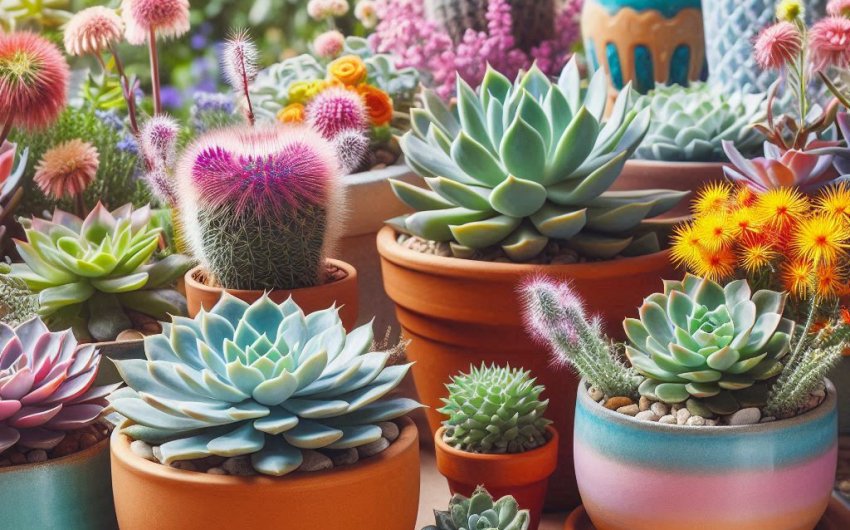
Succulents are beloved for their striking shapes, vibrant colors, and generally low-maintenance reputation, but when it comes to growing succulents in humid climates, conventional wisdom often needs a little tweaking. While these resilient plants famously store water in their leaves, stems, or roots to survive arid conditions, excess moisture in the air and soil can pose significant challenges. Mastering a few key adjustments in your care routine can ensure your succulent collection flourishes, even when the air feels thick with humidity.
What Makes Humid Climates Challenging for Succulents?
To effectively care for succulents in a moist environment, it's essential to understand why humidity poses a threat. Their natural adaptations, which serve them so well in deserts, become liabilities when there's too much moisture in the air and soil. Grasping these challenges is the first step in successful growing succulents in humid climates.
Why Is Too Much Moisture Bad for Succulents?
Succulents are engineered to survive long periods without water. They have specialized tissues to store moisture and have evolved mechanisms to prevent water loss. In their native arid or semi-arid habitats, they thrive with infrequent rainfall, followed by periods of complete dryness.
When exposed to too much moisture, whether from high humidity in the air or consistently wet soil, their natural defenses become overwhelmed. Their water-storing tissues become saturated, and without sufficient airflow and evaporation, they can't dry out. This constant dampness creates an ideal breeding ground for harmful fungi and bacteria. The most common and devastating problem is rot, which can start in the roots (root rot) and quickly spread up into the stem and leaves, turning the plant mushy and ultimately killing it. Unlike a typical houseplant that might just wilt from too much water, succulents can turn to mush very quickly when overwatered or kept in excessively humid conditions.
How Does Humidity Affect Soil Drying?
In a humid climate, the air is already saturated with water vapor, meaning it has a much lower capacity to absorb additional moisture from the soil. This significantly slows down the evaporation rate.
Imagine a towel drying on a clothesline: on a dry, windy day, it dries quickly. On a muggy, still day, it stays damp for a very long time. The same principle applies to your succulent's soil. Even if your soil mix is perfectly well-draining, the high humidity in the air will prevent the moisture from escaping the pot as quickly as it would in a dry climate. This prolonged dampness keeps the roots wet for too long, depriving them of the oxygen they need and making them highly susceptible to fungal root rot. This slow drying is a primary reason why growing succulents in humid climates requires careful attention to watering.
What Is the Risk of Fungal Diseases?
Fungi thrive in moist, warm, and stagnant conditions – precisely what a humid climate with poor airflow can create around your succulents. Many common succulent problems are fungal in nature.
When succulent leaves are constantly damp from high humidity, or if water collects in the rosettes, it creates an inviting environment for fungal spores to land and germinate. This can lead to unsightly and often deadly issues like:
- Powdery mildew: A white, powdery coating on leaves.
- Black spot: Dark, circular spots on leaves.
- Rust: Orange or brown powdery spots.
- Stem rot: Dark, soft areas on the stem that rapidly spread, leading to the plant collapsing.
These diseases can spread quickly through a collection, especially if plants are crowded together with poor air circulation. The excess moisture prevents leaves from drying thoroughly, leaving them vulnerable. This increased susceptibility to disease is a major consideration when growing succulents in humid climates.
What Are the Best Watering Tips for Humid Climates?
When growing succulents in humid climates, rethinking your watering strategy is perhaps the single most important adjustment you can make. The standard "soak and dry" method needs careful interpretation to prevent overwatering and rot.
How Often Should I Water My Succulents?
The golden rule for succulents is to water only when the soil is completely dry. In humid climates, this means watering much less frequently than you might in an arid environment. Instead of watering on a schedule (e.g., once a week), water based on the plant's needs and the soil's dryness.
- Feel the Soil: Stick your finger about 2-3 inches deep into the soil. If it feels at all damp, wait. For larger pots, you might even insert a wooden skewer to check for moisture deeper down.
- Observe the Plant: Look for signs of thirst in your succulent. Leaves might appear slightly wrinkled, dull, or soft. Do not water if leaves are plump and firm.
- Err on the Side of Underwatering: It is far easier to revive an underwatered succulent than an overwatered one. When in doubt, wait another day or two.
- Adjust Seasonally: You'll likely water more during the hotter, growing seasons (spring/summer) and much less during cooler, dormant periods (fall/winter), even in humid climates.
- Use a Moisture Meter: A soil moisture meter can be a helpful tool for beginners, giving you an objective reading of the soil's dampness.
Should I Water Less in Winter?
Yes, absolutely. Even in humid climates, the winter months typically bring cooler temperatures and shorter daylight hours, which means less active growth for most succulents. During their dormant period, succulents require significantly less water.
Their metabolic processes slow down, and they use much less energy and water. If you continue to water them as frequently as you do in summer, the soil will stay wet for an extended period, almost guaranteeing root rot. Reduce your watering frequency drastically in winter – for many succulents, once a month or even less may be sufficient, only watering if the soil has been bone dry for a significant period and the plant shows signs of thirst. This reduced winter watering is a non-negotiable tip for growing succulents in humid climates.
What Is the "Soak and Dry" Method for Humid Climates?
The "soak and dry" method means watering thoroughly until water drains from the bottom of the pot, then allowing the soil to dry out completely before watering again. For humid climates, the "dry" part of this equation is where the focus lies.
- Soak: When you do water, water generously. Ensure water flows out of the drainage holes. This encourages roots to grow deeply.
- Dry: This is the critical difference in humid climates. You must allow the soil to dry out completely, not just the top inch or two, and then stay dry for an extended period (several days to a week or more) before you even think about watering again. The extended dry period helps prevent rot.
- Bottom Watering (Optional but Recommended): In very humid environments, consider bottom watering. Place the potted succulent in a tray of water for 15-30 minutes, allowing the soil to soak up water from the bottom. Remove and let excess water drain completely. This avoids getting leaves wet, which reduces the risk of fungal issues on foliage. A simple watering tray can be used for this.
What Is the Ideal Soil and Potting for Succulents in Humidity?
Choosing the right soil and pot is just as critical as your watering habits when growing succulents in humid climates. These choices directly impact drainage and aeration, which are essential for preventing rot.
What Kind of Soil Mix Is Best?
A fast-draining, gritty soil mix is absolutely essential for growing succulents in humid climates. Standard potting soil retains too much moisture for too long, which is a death sentence for most succulents.
Look for a succulent and cactus mix (like Hoffman Organic Cactus & Succulent Soil Mix) that is specifically designed to drain quickly. Better yet, create your own mix for optimal control:
- Mix your own: A common recipe is 1 part standard potting soil, 1 part perlite (for aeration), and 1 part coarse sand or small gravel. Some also use bonsai jack succulent soil, which is a pre-mixed gritty blend.
- Gritty Additives: Focus on adding plenty of inorganic materials like perlite, pumice, or expanded clay pebbles (LECA) to ensure superb drainage and airflow around the roots. These materials do not absorb water, allowing it to pass through quickly.
- Avoid Peat-Heavy Mixes: Many standard potting mixes are peat-heavy, which is great for water retention but terrible for succulents in humid climates.
- No Drainage Layer: Despite common advice, do not add a layer of gravel or broken pot shards at the bottom of the pot. This actually hinders drainage by creating a "perched water table" where water accumulates just above the gravel, increasing the risk of rot. Instead, use a completely well-draining mix throughout the entire pot.
What Kind of Pots Are Best?
The material and design of your pot play a significant role in how quickly the soil dries out.
- Terracotta Pots: These are often the best choice for succulents, especially in humid climates. Terracotta is porous, meaning it allows air and moisture to pass through its walls. This promotes faster evaporation of water from the soil, helping the roots dry out more quickly. A terracotta pot with drainage hole is ideal.
- Unglazed Ceramic: Similar to terracotta, unglazed ceramic pots also offer good porosity.
- Plastic/Glazed Pots: While these can be attractive, they are non-porous and do not allow for moisture evaporation through their walls. If using plastic or glazed ceramic, you must be extra vigilant with your watering and ensure the soil mix is extremely gritty.
- Drainage Holes: Regardless of the material, always ensure your pot has at least one large drainage hole at the bottom. Without proper drainage, water will sit and lead to root rot. If a decorative pot lacks drainage, use it as a cachepot and keep your succulent in a plastic nursery pot inside it, removing it for watering.
- Size: Choose a pot that is only slightly larger than the succulent's root ball. Too large a pot will hold excess soil, which retains more moisture than the roots can use, again increasing the risk of rot.
How Can I Increase Airflow and Light for Succulents in Humidity?
Beyond soil and watering, providing adequate airflow and the right kind of light are critical elements for growing succulents in humid climates. These factors directly combat the problems caused by excess moisture.
Why Is Good Air Circulation Important?
Good air circulation is vital for succulents in humid environments because it helps the soil dry out faster and prevents stagnant, moist conditions around the plant, which are breeding grounds for fungi and pests.
- Faster Drying: Moving air helps evaporate moisture from the soil surface and the plant's leaves, reducing the time they stay wet.
- Disease Prevention: Stagnant, humid air creates a perfect environment for fungal spores to germinate and spread. Good airflow physically moves these spores away and keeps the plant surface dry, making it less hospitable for disease development.
- Pest Deterrence: Some pests, like spider mites, thrive in stagnant, dry conditions, but consistently moist (but not wet) leaves can also encourage other issues. Good airflow creates a less inviting environment for a broader range of pests.
- Strengthening Plants: Just like wind strengthens trees, air movement helps succulents develop stronger stems and more compact growth.
If growing indoors, consider using a small oscillating fan on a low setting for a few hours a day to improve air circulation. Outdoors, ensure plants aren't crowded together.
How Much Light Do Succulents Need in Humid Climates?
Most succulents require abundant sunlight to thrive and maintain their compact form and vibrant colors. In humid climates, strong light also aids in drying out the soil and preventing etiolation (stretching due to lack of light).
- Bright, Direct Light: Aim for at least 6 hours of bright, direct sunlight per day. South-facing windows are often ideal indoors. Outdoors, ensure they are in the sunniest spot available.
- Avoid Over-Shading: Even if a spot is bright, surrounding structures or other plants can cast too much shade. Ensure your succulents aren't overshadowed.
- Acclimation: If moving succulents from a shadier spot to a sunnier one, do so gradually over a week or two to prevent sunburn.
- Grow Lights (Indoors): If natural light is insufficient, especially during cloudy, humid periods or in winter, a full-spectrum LED grow light can make a huge difference. Place it 6-12 inches above the plants for 12-16 hours a day. Insufficient light, coupled with humidity, will lead to leggy, weak growth and increased susceptibility to rot.
Which Succulents Are More Tolerant of Humidity?
While many succulents prefer dry air, some species are naturally more resilient and can better tolerate the challenges of growing succulents in humid climates. Knowing these more forgiving varieties can significantly increase your success rate, especially for beginners.
Succulents That Tolerate More Humidity
If you live in a perpetually humid area, focusing on these types of succulents can save you a lot of trouble and heartache. They often come from areas that experience some seasonal rainfall or higher atmospheric moisture.
- Sansevieria (Snake Plant/Mother-in-Law's Tongue): These incredibly hardy plants are famously tolerant of a wide range of conditions, including higher humidity. Their upright, stiff leaves make them less prone to trapping moisture. They also thrive in lower light, making them versatile indoor plants. Look for varieties like Sansevieria trifasciata 'Laurentii'.
- Zamioculcas zamiifolia (ZZ Plant): Another incredibly robust plant that, while not a typical succulent, has rhizomes that store water, giving it succulent-like drought tolerance. It tolerates varying humidity levels and is very forgiving of neglect.
- Haworthia: These small, aloe-like succulents (e.g., Haworthia fasciata) are native to areas with more rainfall and can handle slightly more humidity than desert cacti or Echeverias. They also prefer brighter indirect light over harsh direct sun, which can be beneficial in humid conditions where direct sun might scorch wet leaves.
- Gasteria: Closely related to Haworthia, Gasterias also feature fleshy leaves and similar tolerance for indirect light and moderate humidity.
- Epiphyllum (Orchid Cactus): Unlike desert cacti, these jungle cacti are epiphytes that grow on trees in humid forests. They are very well-suited to high humidity and thrive in hanging baskets in bright, indirect light, producing spectacular flowers.
- Hoya: While often categorized as a tropical plant, Hoyas are semi-succulent vining plants that store water in their thick, waxy leaves. They appreciate high humidity and bright, indirect light, making them excellent choices for humid climates. Many varieties exist, like the classic Hoya carnosa.
- Rhipsalis: Another genus of jungle cacti, Rhipsalis species have a trailing habit and are highly tolerant of humidity, thriving in dappled light.
Succulents to Be More Cautious With
While not impossible to grow, these succulents require extra vigilance and highly optimized conditions in humid climates. For a beginner, it's best to start with more tolerant types before attempting these.
- Echeveria: These iconic rosette-forming succulents are very popular but are highly susceptible to rot when their leaves stay wet or if the air is too humid. Water can easily collect in their tight rosettes. They need excellent airflow and very gritty soil.
- Sedum (especially compact rosette types): Similar to Echeverias, many Sedums with tightly packed leaves can suffer from rot in humid conditions. Trailing Sedums might fare a bit better if their leaves dry quickly.
- Crassula (e.g., Jade Plants): While generally resilient, Jade plants (Crassula ovata) can suffer from stem rot in high humidity if overwatered or kept in poorly draining soil.
- Lithops (Living Stones) and Conophytum: These mimicry plants are extremely sensitive to overwatering and humidity, as they are adapted to very specific, arid environments with limited rainfall. They are best left to experienced growers in humid climates.
- Desert Cacti (e.g., Mammillaria, Opuntia): While they can withstand high temperatures, many desert cacti are adapted to extremely low humidity. Constant dampness around their spines or base can lead to fungal issues and rot.
Successfully growing succulents in humid climates boils down to understanding their desert origins and actively compensating for the excess moisture in your environment. By implementing precise watering, providing gritty soil and well-draining pots, ensuring excellent air circulation, and giving them ample light, you can cultivate a thriving collection even in the most muggy conditions.