
How to Compost Kitchen Waste at Home?
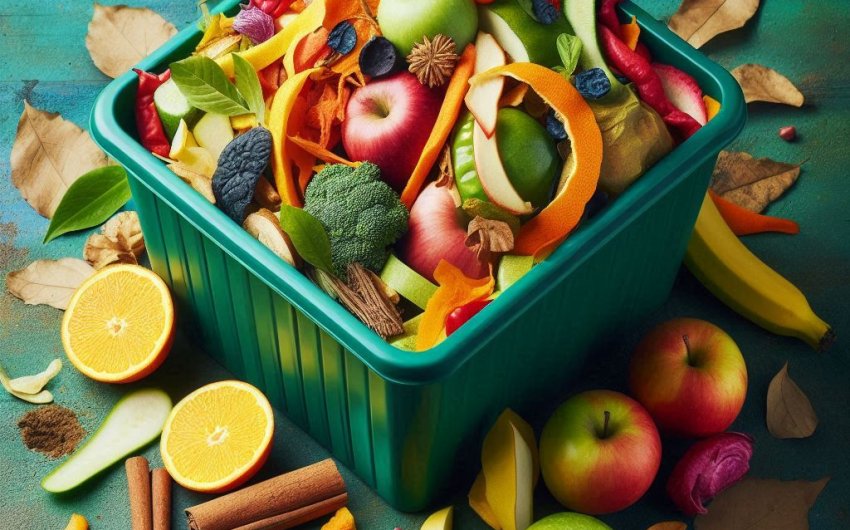
Transforming your daily food scraps into rich, nutrient-dense soil amendment is a powerful way to reduce waste and enrich your garden. Learning how to compost kitchen waste at home might seem complex at first, but it's a simple, rewarding process that benefits both your plants and the planet. This guide will break down the essentials, making it easy for anyone to turn their kitchen and yard trimmings into valuable "black gold" for healthier soil and more vibrant growth.
Why Should I Compost My Kitchen Waste?
Composting your kitchen waste is more than just a gardening hobby; it's a sustainable practice with far-reaching benefits for your home, your garden, and the environment. Understanding these advantages can provide the motivation needed to start turning your scraps into a valuable resource.
What Are the Benefits for My Garden?
The most direct benefit of learning how to compost kitchen waste at home is the incredible enrichment it provides for your garden soil. The finished product, often called "black gold," is a powerhouse of organic matter and nutrients.
Firstly, compost improves soil structure. If you have heavy clay soil, compost helps break it up, making it looser and allowing roots to grow more easily. If your soil is sandy, compost helps it retain water and nutrients, which otherwise would quickly drain away. This leads to healthier roots and stronger plants.
Secondly, compost enriches the soil with nutrients. Unlike synthetic fertilizers that provide a quick burst of specific nutrients, compost releases nutrients slowly over time, providing a steady, balanced diet for your plants. It's packed with essential macro and micronutrients that are vital for plant growth, promoting lush foliage, vibrant flowers, and abundant harvests.
Thirdly, compost helps regulate soil pH. Soil pH refers to how acidic or alkaline your soil is. Compost acts as a buffer, helping to bring the pH closer to neutral, which is ideal for most plants to absorb nutrients effectively. This means healthier plants and fewer nutrient deficiencies.
Finally, compost boosts beneficial microbial life. A spoonful of healthy compost contains billions of microorganisms – bacteria, fungi, protozoa, and nematodes – that break down organic matter, cycle nutrients, and even suppress plant diseases. These microscopic workers are essential for a thriving soil ecosystem, creating a living soil that supports robust plant growth.
Does Composting Reduce Landfill Waste?
Absolutely! One of the most significant environmental benefits of learning how to compost kitchen waste at home is the substantial reduction in landfill waste. Food scraps and yard waste make up a large portion of what typically ends up in landfills.
When organic materials are sent to landfills, they decompose without oxygen, a process called anaerobic decomposition. This process produces methane, a powerful greenhouse gas that contributes significantly to climate change – much more potent than carbon dioxide. By composting, you're diverting these materials from the landfill and allowing them to decompose aerobically (with oxygen), producing very little methane.
Instead of contributing to greenhouse gas emissions and overflowing landfills, your food scraps are transformed into a valuable resource that can be used to grow more food or simply enhance your garden. This closed-loop system is a prime example of sustainable living, minimizing your environmental footprint while creating something beneficial. It's a win-win for your home and the planet.
Is Composting Cost-Effective?
Yes, composting can be very cost-effective, especially for gardeners. By creating your own nutrient-rich soil amendment, you significantly reduce the need to purchase bagged soil conditioners, mulches, or even fertilizers from garden centers.
Instead of buying bags of potting mix or compost, you're producing it for free from materials you already have. This saves money on gardening supplies. Furthermore, by improving your soil's health and fertility, you can potentially reduce the need for expensive chemical fertilizers, which can be costly over time. The healthier your soil becomes, the more productive your plants will be, potentially increasing your yield of homegrown vegetables and fruits, further offsetting grocery costs. It's a sustainable cycle that offers economic benefits in the long run.
What Can and Cannot Be Composted?
Understanding the right mix of materials is fundamental to successful composting. The "recipe" for good compost involves balancing different types of organic matter. For anyone learning how to compost kitchen waste at home, knowing what goes in and what stays out is the first rule of thumb to prevent odors, pests, and slow decomposition.
What Are "Greens" for Composting?
"Greens" are nitrogen-rich materials that provide the necessary moisture and nutrients for the microorganisms in your compost pile. They are typically fresh, wet, and break down quickly. Think of them as the "fuel" for the composting process.
Common examples of greens you can compost include:
- Fruit and Vegetable Scraps: Apple cores, banana peels, vegetable trimmings, leftover cooked vegetables (without oil or heavy sauces). This is the core of kitchen waste for composting.
- Coffee Grounds and Tea Bags: Excellent sources of nitrogen. Make sure tea bags are made of compostable material. A small compost bin on your kitchen counter is perfect for collecting these.
- Fresh Grass Clippings: If you mow your lawn, these are a fantastic source of greens. Use them in moderation as they can become slimy and smelly if added in large, thick layers.
- Plant Trimmings: Fresh, green clippings from garden plants, annual weeds (before they go to seed), and spent cut flowers.
- Old Flowers: Wilted bouquets or spent blooms from your garden.
The ideal ratio is generally to have a good mix of greens and browns, aiming for about 1 part greens to 2-3 parts browns by volume. This balance helps maintain proper aeration and moisture, preventing odors and encouraging decomposition.
What Are "Browns" for Composting?
"Browns" are carbon-rich materials that provide structure and aeration to your compost pile. They tend to be dry, woody, and break down more slowly than greens. Think of them as the "skeleton" of your compost pile, preventing it from becoming a wet, matted mess.
Common examples of browns you can compost include:
- Dead Leaves: Autumn leaves are a composting goldmine! They are plentiful and break down well. Use a leaf shredder for faster decomposition.
- Shredded Newspaper and Cardboard: Tear or shred non-glossy newspaper, paper towels (if not used with harsh chemicals), and plain cardboard (remove tape and labels). A paper shredder can make this easy.
- Wood Chips and Sawdust: Use in moderation as they can take a long time to break down. Ensure they are from untreated wood.
- Straw and Hay: Excellent for adding bulk and aeration.
- Pine Needles: Can be used, but in moderation, as they are acidic and break down slowly.
- Dryer Lint: If you use natural fibers like cotton, wool, or linen, dryer lint can be added. Avoid if you have a lot of synthetic fibers.
What Should I NEVER Compost?
Knowing what to keep out of your compost pile is just as important as knowing what to put in. Including certain materials can attract pests, create unpleasant odors, spread diseases, or introduce unwanted chemicals.
Do NOT compost these items:
- Meat, Bones, and Fish: Attract pests (rodents, raccoons, flies), produce strong odors, and can take a very long time to break down.
- Dairy Products: Milk, cheese, yogurt, etc., also attract pests and create bad smells.
- Oils, Fats, and Greases: These can create greasy layers that impede airflow, slow down decomposition, and attract pests.
- Pet Waste (Dog and Cat Feces): Contains harmful pathogens (bacteria, parasites) that can survive the composting process and pose health risks. This includes kitty litter unless it's specifically marked as compostable and the pet waste is from herbivores like rabbits.
- Diseased Plants: Composting diseased plants (like tomato blight or powdery mildew) can spread the disease to your healthy garden soil when you use the finished compost.
- Weeds with Seeds: Unless your compost pile gets very hot (which is hard to achieve in a backyard bin), weed seeds can survive and then sprout in your garden when you spread the compost, creating more weeding work.
- Treated Wood: Lumber treated with chemicals like chromated copper arsenate (CCA) can leach toxic substances into your compost.
- Coal Ash: Contains heavy metals that are harmful to plants and soil. Wood ash from untreated wood is generally okay in moderation.
- Synthetic Materials: Plastics, synthetic fabrics, rubber, or glossy paper will not break down and will contaminate your compost.
Sticking to the "can and cannot" list for your kitchen waste is a fundamental step in ensuring your compost pile remains healthy, productive, and nuisance-free.
What Kind of Composting System Is Best for Home Use?
Choosing the right composting system depends on your space, how much waste you produce, and how hands-on you want to be. For anyone learning how to compost kitchen waste at home, selecting a system that fits your lifestyle is crucial for success.
What is a Compost Bin or Tumbler?
A compost bin or compost tumbler is a contained system designed to hold your composting materials. They are a popular choice for backyard composting because they keep the pile tidy, deter pests, and often make the turning process easier.
- Compost Bins: These are typically stationary, enclosed containers that sit directly on the ground, allowing beneficial organisms to enter from below. They can be simple plastic bins like the Compost Wizard, or more elaborate multi-chamber systems. Bins require you to manually turn the pile with a compost aerator or pitchfork to mix and aerate the materials. They are generally less expensive than tumblers.
- Compost Tumblers: These are sealed drums mounted on a stand, allowing you to rotate the drum to mix and aerate the contents without needing a fork. This makes turning much easier, cleaner, and more frequent, which can speed up the composting process. Tumblers typically prevent pests very effectively due to their sealed design. They come in various sizes, from small kitchen compost tumblers to large backyard models.
Both bins and tumblers work well for composting kitchen waste and yard trimmings. Tumblers are often preferred by those who want faster compost and easier turning, while bins are good for those on a tighter budget or who prefer a more traditional method.
What is Vermicomposting (Worm Composting)?
Vermicomposting, or worm composting, is a unique method that uses specific types of worms, usually Red Wigglers (Eisenia fetida), to break down organic waste. This system is excellent for indoor composting, small spaces, or for those who want a less labor-intensive approach to managing their kitchen waste.
A typical vermicomposting system involves a worm bin with multiple trays. You add food scraps to the top tray, the worms eat the waste and move upwards, leaving behind nutrient-rich "worm castings" (worm poop) in the lower trays. These castings are a fantastic soil amendment.
- Advantages: Excellent for small amounts of kitchen scraps, minimal odors if managed correctly, can be done indoors (garage, basement, under a sink), produces very high-quality compost (castings) quickly. No turning required, as the worms do all the work.
- Disadvantages: Cannot handle large quantities of waste as quickly as a hot compost pile. Cannot compost meat, dairy, or oily foods. Requires specific care for the worms (keeping them moist, not too hot or cold). You need to purchase Red Wiggler worms to start.
Vermicomposting is an ideal solution for urban dwellers or anyone who wants to compost their kitchen waste discreetly and efficiently without a large outdoor setup.
What is a Pile Composting (Heaps)?
Pile composting, or creating an open compost heap, is the most traditional and simplest form of composting. It involves creating a mound of organic materials directly on the ground. This method relies on natural aeration and moisture, and typically requires manual turning.
- Advantages: No cost for a bin (though you can contain it with pallets or wire mesh). Can handle very large volumes of yard waste in addition to kitchen waste. Allows for easy access to turn and manage the pile. Beneficial insects and microbes from the ground can easily enter the pile.
- Disadvantages: Can be unsightly if not neatly managed. More susceptible to pests (though proper layering helps). Requires more physical labor for turning with a pitchfork. Slower decomposition unless the pile is consistently turned and managed for "hot" composting. May generate more odors if not balanced correctly.
This method is best suited for those with larger backyards and a significant amount of yard and kitchen waste to process, who don't mind a more hands-on approach.
How Do I Maintain My Compost Pile?
Once you've chosen your system and started adding your kitchen waste, maintaining your compost pile is key to successful decomposition. It's not just about adding scraps; it's about providing the right conditions for the microorganisms to do their job efficiently.
How Often Should I Turn My Compost?
Turning your compost pile is crucial for aeration and mixing. It ensures that oxygen-loving microbes can thrive and that all materials get properly exposed to the decomposition process.
- For Hot Composting (Fast Compost): If you're aiming for fast compost, which involves getting your pile hot (around 130-160°F or 55-70°C), you'll need to turn it frequently – every 2-3 days, especially after adding fresh "greens." Hot composting requires a larger volume of material and careful management of the green-to-brown ratio and moisture. You'll know it's hot when you see steam rising or feel warmth inside the pile when you turn it. A compost thermometer can help you track the temperature.
- For Cold Composting (Slow Compost): If you're taking a more laid-back approach (often called "cold composting"), you can turn your pile less frequently, perhaps once a week or even just once a month. This method takes longer (several months to a year or more) but still produces good compost with less effort.
- General Rule: Turn the pile whenever you add a significant amount of fresh "greens" (like a large batch of kitchen waste or grass clippings). This helps mix them with the "browns" and prevent odors. If your compost pile smells bad (like rotten eggs), it usually means it's not getting enough air. Turning it will introduce oxygen and solve the problem. Use a compost aerator or a pitchfork to really get in there and mix it up.
How Much Moisture Does My Compost Need?
Proper moisture content is vital for active decomposition. Your compost pile should feel consistently damp, like a wrung-out sponge – moist but not soaking wet.
- Too Dry: If the pile is too dry, decomposition will slow down dramatically or stop altogether. You'll notice it's not breaking down, and there might be no warmth.
- Solution: Add water. You can spray it with a garden hose as you turn the pile, or simply pour water over it. Mix it in thoroughly to distribute the moisture evenly.
- Too Wet: If the pile is too wet, it becomes anaerobic (lacks oxygen), leading to foul odors (rotten egg smell), slime, and a very slow breakdown. This is common if you add too many wet "greens" without balancing them with "browns."
- Solution: Add more dry "browns" (shredded newspaper, cardboard, dry leaves, straw). Turn the pile frequently to introduce air and help dry it out.
- Balancing Act: A good way to manage moisture is to add a bit of water whenever you turn the pile, especially if you live in a dry climate. If it's rainy, you might need to cover your compost pile (or close your tumbler) to prevent it from getting waterlogged.
What About Pests and Odors?
Managing pests and odors is a common concern for anyone learning how to compost kitchen waste at home, but with the right practices, these issues are easily avoided.
- Pests: The most common pests attracted to compost are rodents (rats, mice) and flies.
- Solution: NEVER add meat, bones, dairy, or oily foods to your compost. These are the biggest attractants.
- Always bury fresh kitchen waste scraps under a layer of "brown" materials (like leaves or shredded paper). This keeps them out of sight and smell.
- Use a closed compost bin or tumbler if pests are a significant concern in your area. Wire mesh around the base of an open pile can deter rodents.
- Odors: A healthy compost pile should smell earthy, like a forest floor. If it smells bad (rotten eggs, ammonia), it's a sign of an imbalance.
- Rotten Egg Smell: Too wet and/or not enough air (anaerobic).
- Solution: Add more "browns" and turn the pile frequently to aerate it.
- Ammonia Smell: Too much nitrogen ("greens") and not enough carbon ("browns").
- Solution: Add more "browns" (e.g., dry leaves, shredded cardboard).
- General Solution: Proper layering (balancing greens and browns), consistent moisture, and regular turning are the best ways to prevent odors and ensure your compost pile stays pleasant.
- Rotten Egg Smell: Too wet and/or not enough air (anaerobic).
By carefully tending to your compost pile's needs for aeration, moisture, and proper material balance, you'll be well on your way to creating rich, finished compost.
When Is My Compost Ready to Use?
Knowing when your compost is "finished" is a satisfying milestone in the composting process. The transformation from raw kitchen waste to rich, earthy compost signals that it's ready to nourish your garden.
How Can I Tell If Compost Is Finished?
Finished compost has distinct characteristics that indicate it's ready for use in your garden. There are a few key signs to look for:
- Appearance: It should be dark brown or black, resembling rich, crumbly soil. You should no longer be able to identify the original materials like fruit peels or eggshells (though some larger, slower-to-decompose items like avocado pits might remain).
- Texture: It should have a uniform, loose, and crumbly texture, with no large clumps. It should feel soft and airy, not slimy or sticky.
- Smell: This is one of the most important indicators. Finished compost should have a pleasant, earthy smell, like fresh forest soil after rain. There should be no foul or sour odors, no ammonia, and certainly no smell of rotting food.
- Temperature: An active compost pile will be warm, especially if you're hot composting. However, finished compost will have cooled down to ambient (air) temperature. If you turn it and it still feels warm, it's likely still actively breaking down and needs more time.
If your compost doesn't meet all these criteria, it's not fully finished. You can still use partially finished compost as a top dressing or mulch, but it's best to let it mature completely for optimal benefits when mixing into soil or starting seeds.
How Can I Use Finished Compost in My Garden?
Finished compost is an incredibly versatile and beneficial addition to almost any gardening application. It's your garden's superfood!
- Soil Amendment: This is the most common use. Mix finished compost into your garden beds before planting, at a ratio of 1-4 inches of compost mixed into the top 6-8 inches of soil. This improves soil structure, aeration, drainage, and nutrient content. It's perfect for vegetable gardens, flower beds, and raised beds.
- Potting Mix Component: For container gardening, mix 1 part compost with 2-3 parts of a good quality potting mix. This provides nutrients and improves water retention for potted plants.
- Top Dressing: Spread a 1/2 to 1-inch layer of finished compost around the base of existing plants. As you water, the nutrients will slowly leach into the soil, feeding the plants throughout the season. This is great for perennial plants, shrubs, and trees.
- Mulch: A thicker layer (2-4 inches) of finished compost can act as an organic mulch around plants. It helps suppress weeds, conserve soil moisture, and regulate soil temperature, all while slowly releasing nutrients as it breaks down further.
- Seed Starting (in moderation): While a pure compost is usually too strong for seed starting, a small amount mixed into a seed-starting mix can give seedlings a nutrient boost. A ratio of 1 part compost to 4-5 parts seed starting mix is usually safe.
- Compost Tea: You can "brew" compost tea by soaking finished compost in water for a day or two. Strain the liquid, and you'll have a nutrient-rich "tea" that can be used as a liquid fertilizer or foliar spray for your plants. A compost tea brewer can simplify this process.
No matter how you choose to use it, the "black gold" you produce by learning how to compost kitchen waste at home will dramatically enhance the health and vitality of your garden, bringing your efforts full circle in a truly sustainable way.