
Best Plants for Balcony Gardening
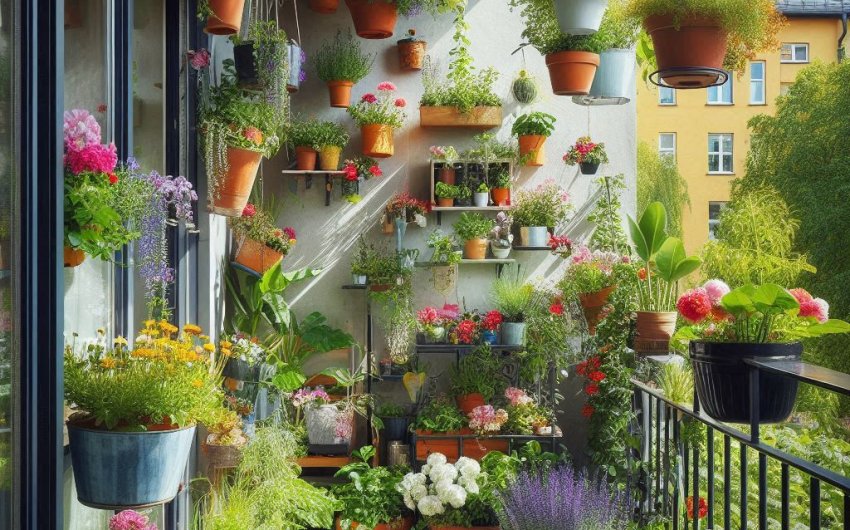
Transforming a compact outdoor space into a thriving green oasis is entirely possible with the right selections. Choosing the best plants for balcony gardening can turn a simple slab of concrete into a vibrant, productive, and inviting extension of your living area. Whether you dream of fresh herbs, beautiful blooms, or even your own homegrown vegetables, careful plant choices tailored to your specific balcony conditions are key. This guide will help you discover which plants will flourish in your unique outdoor haven, maximizing both beauty and harvest in limited square footage.
What Factors Should I Consider When Choosing Balcony Plants?
Before you even think about which specific plants to buy, understanding your balcony's unique environment is crucial. Just like a chef considers ingredients, you need to consider the conditions your plants will experience. Thinking about these factors ensures you pick the best plants for balcony gardening that will actually thrive, not just survive.
How Much Sunlight Does My Balcony Get?
Sunlight is arguably the most important factor for any plant. Observe your balcony throughout the day, from morning to evening, and note how many hours of direct sun it receives.
- Full Sun (6+ hours of direct sun): If your balcony faces south or west and gets intense sun for most of the day, you're in luck! Many vegetables, herbs, and flowering plants thrive in these conditions. Examples include tomatoes, peppers, most herbs, petunias, and geraniums. You'll need to water more frequently in these hot spots.
- Partial Sun/Partial Shade (3-6 hours of direct sun, or dappled light all day): This is a common balcony scenario. Many plants appreciate morning sun and afternoon shade, or vice versa, especially in hot climates. Leafy greens, root vegetables, some herbs, impatiens, and fuchsias can do well here.
- Full Shade (less than 3 hours of direct sun, or bright indirect light): Even shady balconies can be green! While fruiting vegetables might struggle, many leafy greens, shade-loving flowers, and ornamental foliage plants will flourish. Ferns, impatiens, hostas, and many herbs like mint are good choices.
Using a simple compass app on your phone can help you determine the general direction your balcony faces, giving you a head start on understanding its sun exposure.
How Much Space Do I Have?
Balcony gardening is all about making the most of limited space. Consider both horizontal and vertical areas.
- Footprint: How much floor space can you dedicate to pots without blocking walkways or access? Think about the mature size of the plants – a tiny seedling will grow! Choose dwarf varieties or plants with compact growth habits for smaller areas.
- Vertical Space: Don't forget walls, railings, and ceilings! Vertical planters, hanging baskets, and shelving units can dramatically increase your planting area. Vining plants like peas, beans, or even small cucumbers can be trained up a mini trellis.
- Weight Limits: Be mindful of the structural weight limits of your balcony, especially if you plan to use large, heavy ceramic pots filled with wet soil. Lightweight plastic or fabric grow bags are excellent alternatives.
Smart space utilization means you can grow more than you think possible.
What About Wind and Rain Exposure?
Balconies, especially on higher floors, can be exposed to strong winds and heavy rain, which can stress plants.
- Wind: High winds can dry out plants quickly, damage delicate foliage and stems, and even blow over pots. Choose sturdy containers and consider grouping pots together for stability. Plants with flexible stems and smaller leaves tend to fare better in windy spots. Avoid tall, top-heavy plants unless they are very well anchored. Using heavy-duty plant caddies can help move plants out of the wind.
- Rain: While rain is good, excessive downpours can wash away soil, waterlog plants in pots without adequate drainage, or damage tender leaves. Ensure all your pots have excellent drainage holes. You might need to temporarily move delicate plants indoors during severe storms.
- Protection: Consider strategic placement of larger, more wind-resistant plants to act as a buffer for more delicate ones. A balcony privacy screen can also offer some wind protection.
Understanding these environmental factors is crucial for selecting the best plants for balcony gardening that will genuinely thrive in your specific spot.
What Are the Best Edible Plants for Balconies?
Growing your own food on a balcony is incredibly rewarding, offering fresh flavors just steps from your kitchen. The trick is to select compact, productive varieties that are well-suited to container life. You'll be surprised at the bounty you can achieve with the best plants for balcony gardening.
What Vegetables Grow Well in Pots?
Many popular vegetables can be successfully grown in containers, provided they have enough space, sunlight, and consistent watering.
- Tomatoes: Look for dwarf or bush varieties like 'Tiny Tim', 'Patio Princess', or 'Micro Tom'. These are bred for compact growth and excellent container performance. You'll need at least a 5-gallon pot or fabric grow bag per plant. Consider a small tomato cage for support.
- Peppers: Both bell peppers and chili peppers (like jalapeños or serranos) do well in pots. Choose compact varieties and use at least a 3-gallon container. They love sun and warmth.
- Leafy Greens: Lettuce (especially cut-and-come-again varieties), spinach, arugula, and Swiss chard are excellent choices. They tolerate some shade, grow relatively quickly, and don't need deep pots. Use wide, shallow rectangular planters for maximum yield.
- Radishes: These fast-growing root vegetables are perfect for beginners. They mature quickly in relatively shallow pots, around 6-8 inches deep.
- Carrots: Look for short, stump-rooted varieties like 'Danvers Half Long' or 'Paris Market' that don't need super deep soil. A minimum 10-12 inch deep container is best for good root development. A fabric grow bag works well.
- Bush Beans: Unlike pole beans, bush beans are self-supporting and great for containers. Plant several seeds in a 5-gallon pot for a good harvest.
- Eggplant: Dwarf varieties of eggplant, such as 'Patio Baby' or 'Black Beauty', can produce well in 5-gallon containers, given plenty of sun and warmth.
- Cucumbers: Look for bush or compact vining varieties like 'Bush Crop' or 'Spacemaster'. These can be grown in 5-gallon pots and trained up a small trellis or even let to trail down from hanging baskets.
- Strawberries: Alpine or ever-bearing strawberry varieties are excellent for hanging baskets or strawberry planters. They don't need a lot of depth and will produce sweet fruit throughout the season.
What Herbs Thrive on Balconies?
Herbs are ideal for balcony growing because many are compact, fragrant, and provide fresh flavors for cooking. Plus, they often tolerate a range of conditions.
- Basil: A summer favorite, basil loves sun and warmth. Plant in a medium-sized pot and harvest regularly to encourage bushy growth. Get fresh basil seeds for a continuous supply.
- Mint: Extremely easy to grow, but very aggressive! Always plant mint in its own container to prevent it from taking over other plants. It can tolerate partial shade. You can find many types of mint plants.
- Rosemary: A woody herb that loves full sun and well-draining soil. It can grow quite large over time, so select a pot that allows for its mature size. Start with a small rosemary plant.
- Thyme: This low-growing herb thrives in sunny spots with good drainage. It's excellent for cascading over the edge of a pot.
- Chives: Perennial and easy to grow, chives produce delicate onion-flavored leaves and pretty purple flowers. They do well in small pots.
- Parsley: Both flat-leaf and curly parsley can be grown in containers. They prefer consistent moisture and can tolerate some shade.
- Oregano: A robust herb that enjoys full sun and well-drained soil. It spreads readily, so a medium to large pot is suitable.
- Cilantro/Coriander: Grows quickly from cilantro seeds. It tends to "bolt" (go to seed) in hot weather, so plant in succession for continuous harvests.
What Fruit-Bearing Plants Are Good for Balconies?
Beyond strawberries, a few other compact fruit-bearing plants can be successful on a sunny balcony.
- Dwarf Citrus Trees: Varieties like 'Meyer Lemon' or 'Calamondin Orange' are beautiful, fragrant, and can produce fruit in large containers, given enough sun and protection from cold in winter. A large glazed pot would be suitable.
- Blueberries: Look for dwarf or patio varieties like 'Top Hat' or 'Northsky'. Blueberries require acidic soil (use a soil acidifier) and often benefit from having two different varieties for better pollination.
- Figs: Certain fig varieties can be grown in large pots. They need full sun and winter protection in colder climates.
What Are the Best Ornamental Plants for Balconies?
Ornamental plants add beauty, color, and texture to your balcony, creating a relaxing and visually appealing space. Choosing the best plants for balcony gardening for aesthetics can turn a dull space into a stunning outdoor room.
What Flowers Are Ideal for Balcony Containers?
Many annual and perennial flowers thrive in containers, providing continuous color throughout the growing season.
- Petunias: Trailing varieties are perfect for hanging baskets and window boxes, spilling over the sides with abundant blooms. They love full sun. You can buy petunia seeds or established plants.
- Geraniums (Pelargoniums): Classic balcony plants, geraniums are tough, drought-tolerant (once established), and bloom prolifically in full sun. They come in upright and trailing forms.
- Impatiens: Ideal for shady or partially shaded balconies, impatiens provide a burst of color with their vibrant blooms. They prefer consistently moist soil.
- Marigolds: Cheerful and easy to grow from marigold seeds, marigolds offer continuous blooms in sunny spots. They are also known to deter some garden pests.
- Calibrachoa (Million Bells): Similar to tiny petunias, these offer a profusion of small, bell-shaped flowers and are excellent for hanging baskets. They need full sun.
- Begonias (Tuberous and Wax): Tuberous begonias are fantastic for partial shade to shade with stunning, often ruffled flowers. Wax begonias are more tolerant of sun and provide continuous color.
- Fuchsias: Known for their elegant, drooping, bell-shaped flowers, fuchsias are perfect for hanging baskets in partial to full shade. They require consistent moisture.
- Zinnias: Easy to grow from zinnia seeds, zinnias offer a wide range of colors and shapes, attracting butterflies. They thrive in full sun.
- Pansies and Violas: Excellent for cooler weather, providing cheerful blooms in spring and fall. They tolerate partial sun.
What Foliage Plants Add Structure and Texture?
Foliage plants are essential for adding year-round interest, texture, and structure, even when flowers aren't in bloom.
- Hostas: Perfect for shady balconies, hostas come in a vast array of sizes, shapes, and colors, primarily grown for their stunning leaves. Plant them in larger, well-draining pots.
- Ferns: Many types of ferns, like Boston Fern or Kimberly Queen Fern, thrive in shady, humid conditions and are excellent for adding a lush, tropical feel to your balcony. They look great in hanging baskets or on pedestals. A good sized fern pot is important.
- Coleus: Though often treated as an annual, coleus offers incredibly vibrant and varied leaf colors, from lime green to deep burgundy. They prefer partial shade to avoid scorching in direct sun.
- Ivy (Hedera helix): A classic trailing plant that adds a touch of elegance, ivy is very versatile and can grow in sun or shade. Be mindful of its potential to attach to walls if not contained.
- Grasses (Ornamental): Dwarf varieties of ornamental grasses, such as dwarf fountain grass or sedges, can add movement and texture to your balcony garden. They are generally low-maintenance.
How Do I Care for Balcony Plants in Containers?
Caring for plants in containers, especially on a balcony, requires a slightly different approach than in-ground gardening. Because pots offer a limited environment, consistent attention to watering, feeding, and soil health is paramount. Proper care ensures your best plants for balcony gardening continue to thrive.
What Are the Best Watering Practices?
Container plants dry out much faster than those in the ground. Consistent and proper watering is crucial.
- Frequency: During warm weather, you may need to water daily, sometimes twice a day for plants in full sun or smaller pots. In cooler weather or for shade-loving plants, less frequent watering is needed. Don't rely on a schedule; check the soil moisture.
- Checking Moisture: Stick your finger about an inch or two into the soil. If it feels dry, it's time to water. You can also use a soil moisture meter for accuracy.
- How to Water: Water slowly and deeply until water drains from the bottom of the pot. This ensures the entire root ball is moistened. Don't let pots sit in standing water unless it's a bog plant.
- Drainage: Ensure all your pots have good drainage holes. If a pot lacks them, drill some or avoid using it. Potting feet can elevate pots for better airflow and drainage.
- Watering Globes/Spikes: For busy gardeners, self-watering globes or watering spikes can help provide a steady supply of moisture, especially when you're away.
How Do I Fertilize Balcony Plants?
Plants in containers quickly deplete the nutrients in their limited soil volume. Regular feeding is essential.
- Potting Mix: Start with a high-quality potting mix that contains some slow-release fertilizer. This gives your plants a good start.
- Liquid Fertilizer: Most container plants benefit from regular feeding with a balanced liquid fertilizer, diluted to half strength. Apply every 2-4 weeks during the growing season (spring through fall). A fish emulsion fertilizer is a popular organic choice.
- Slow-Release Granules: Alternatively, you can mix slow-release granular fertilizer into the potting mix at the beginning of the season. These release nutrients over several months.
- Follow Instructions: Always follow the directions on the fertilizer package carefully to avoid over-fertilizing, which can burn plant roots.
What Potting Mix and Containers Are Best?
The right potting mix and containers are fundamental to successful balcony gardening.
- Potting Mix: Do not use garden soil! Garden soil compacts too easily in pots, suffocating roots and leading to poor drainage. Use a lightweight, well-draining potting mix specifically designed for containers. This mix typically contains peat moss (or coco coir), perlite, and/or vermiculite to ensure good aeration and drainage. For vegetables and heavy feeders, look for a mix with added compost or worm castings.
- Container Material:
- Plastic Pots: Lightweight, inexpensive, and retain moisture well. Good for thirsty plants. However, darker colors can heat up quickly in direct sun.
- Terracotta/Clay Pots: Porous, allowing for good airflow and evaporation, which helps prevent root rot. They dry out faster than plastic, so they're good for plants that prefer drier feet. They are heavy when wet.
- Fabric Grow Bags: Excellent for aeration and drainage, preventing root circling. Lightweight and relatively inexpensive. Ideal for vegetables like potatoes, carrots, and tomatoes. Find fabric grow bags.
- Glazed Ceramic/Stone Pots: Beautiful and retain moisture well, but very heavy. Best for permanent plantings.
- Container Size: Always choose a pot large enough to accommodate the plant's mature root system. Too small a pot will stunt growth and require constant watering. A 5-gallon container is often a good minimum for a single tomato or pepper plant, while leafy greens can do well in shallower, wider pots.
By paying close attention to these care practices, you'll ensure your best plants for balcony gardening thrive and provide continuous enjoyment and harvest throughout the season.