
How to Propagate Houseplants in Water?
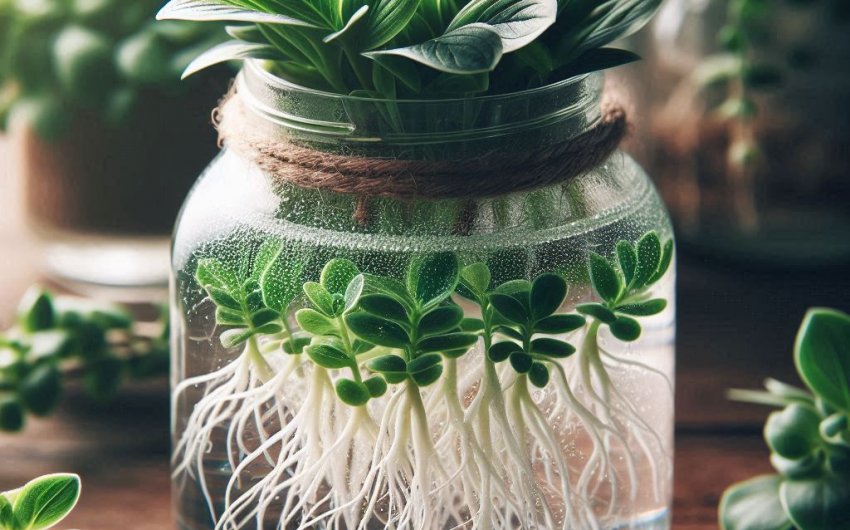
Multiplying your indoor plant collection doesn't have to be complicated or expensive. Learning how to propagate houseplants in water is one of the simplest and most satisfying ways to create new plants from your existing favorites. This accessible method allows you to watch new roots emerge, turning a small cutting into a thriving new specimen. Whether you're a seasoned plant parent or just starting, water propagation offers a clear window into the miraculous process of plant growth and is an ideal technique for sharing your green joy with others.
Why Propagate Houseplants in Water?
Water propagation is a favored method for many reasons, especially for those new to growing plants from cuttings. It offers a unique combination of ease, visibility, and high success rates for a wide variety of popular indoor plants. Understanding these advantages will help you appreciate why so many plant enthusiasts choose this approach.
Is Water Propagation Easy for Beginners?
Absolutely! Water propagation is widely considered one of the easiest and most forgiving methods for houseplant propagation, making it perfect for beginners. You don't need any special equipment beyond a clear container and some water. Unlike soil propagation, where you can't see what's happening underground, water propagation allows you to visually monitor the root development every step of the way. This transparency helps you understand the process and catch any issues early on. There's also less risk of fungal diseases or rot compared to soil, provided you change the water regularly. It's a low-mess, low-stress way to expand your plant collection.
Can I See Roots Forming?
Yes, one of the biggest appeals of learning how to propagate houseplants in water is the ability to directly observe the root growth. When cuttings are placed in a clear glass propagation vessel, you can watch as tiny white nubs emerge, gradually lengthening and branching into a healthy root system. This visual feedback is incredibly rewarding and helps you know when your cutting is ready to be moved to soil. It's like having a live science experiment on your windowsill! This visibility also allows you to intervene if a cutting isn't rooting, rather than waiting weeks to dig it up from soil only to find it hasn't rooted.
Is Water Propagation Cleaner Than Soil?
For many, the answer is a resounding yes. Water propagation is generally a much cleaner method compared to starting cuttings directly in soil. There's no dirt to spill, no soil-borne pests to worry about, and no messy repotting of delicate root systems while they're establishing. The process simply involves changing out the water every few days, which keeps the environment clean and fresh for your growing roots. This makes it ideal for urban dwellers, small apartments, or anyone who prefers to keep their plant projects tidy. The minimal mess means you can easily propagate plants anywhere in your home, from kitchen counters to bedroom windowsills, without concern for dirt residue.
Does Water Propagation Have a High Success Rate?
For many common houseplants, water propagation boasts a very high success rate. This is because the cuttings have immediate access to the water they need, reducing the stress of transplant shock that can sometimes occur when moving cuttings into soil directly. Also, the constant moisture helps prevent the cutting from drying out, which is a common cause of failure in soil propagation. The simplicity of the process, combined with the clear view of root development, allows for timely intervention if issues arise, further contributing to higher success rates. This makes it a dependable method for creating new plants.
What Supplies Do I Need for Water Propagation?
One of the great things about learning how to propagate houseplants in water is the minimal amount of supplies required. You likely already have most of what you need around your home, making it an incredibly budget-friendly way to expand your plant collection. You don't need any fancy gadgets or expensive equipment to get started.
What Kind of Container Should I Use?
The best container for water propagation is one that is clear and allows you to easily see the roots as they grow. Glass jars, bottles, vases, and even shot glasses work wonderfully. The size of the container should be appropriate for your cutting – large enough to hold water and the submerged stem, but not so large that the cutting gets lost or can't stay upright. Narrow-necked bottles or propagation stations with multiple small openings are excellent for supporting cuttings and keeping them upright. Clear containers also let light in, which can stimulate root growth.
What Type of Water Is Best?
For water propagation, filtered tap water or rainwater is generally best. Regular tap water often contains chlorine and other chemicals that can be harmful to sensitive plant cuttings. If you're using tap water, it's a good idea to let it sit out for 24-48 hours in an open container. This allows the chlorine to evaporate, making the water safer for your plants. A simple water filter pitcher can also provide suitable water. Distilled water is usually too pure and lacks the trace minerals that can be beneficial, so it's not typically recommended unless you add a very diluted, liquid plant food.
Do I Need Rooting Hormone?
While rooting hormone (available in powder or liquid form, such as Bonide Rooting Hormone) can certainly speed up the root development process and improve success rates, especially for more challenging cuttings, it is not strictly necessary for most common houseplants. Many popular plants like Pothos, Philodendron, and Monstera will readily root in water without any additional help. For a beginner learning how to propagate houseplants in water, it's perfectly fine to start without it and only consider using it if you find certain plants are struggling to root. If you do use it, simply dip the cut end of the stem into the hormone powder or solution before placing it in water.
How Do I Prepare My Cuttings for Water Propagation?
Properly preparing your cuttings is a crucial step in ensuring successful water propagation. A clean cut, the right type of stem, and removing lower leaves set your cutting up for the best chance of developing a strong root system. This careful preparation minimizes stress on the cutting and prevents rot.
What Kind of Cutting Should I Take?
The most common and successful type of cutting for water propagation is a stem cutting. Look for a healthy, actively growing stem that is not too old and woody, nor too new and flimsy. The ideal cutting usually has a few leaves and at least one or two "nodes." A node is the point on the stem where a leaf, bud, or branch grows. This is where the roots will emerge from. For most houseplants, a cutting that is 4-6 inches long is ideal. Make sure the stem is firm and free from pests or disease.
Where Should I Cut the Stem?
Using clean, sharp pruning shears or a sharp knife, make your cut just below a node. This is a very important step because nodes contain the special cells that are most likely to develop into roots. A clean, sharp cut prevents crushing the stem, which can lead to rot. Avoid using dull scissors that might damage the plant tissue. Before making the cut, consider wiping your shears with rubbing alcohol to prevent spreading any potential diseases from other plants.
Should I Remove the Bottom Leaves?
Yes, it's essential to remove any leaves that would be submerged in the water. Leaves left in the water will rot, encouraging bacterial growth and potentially fungal issues that can kill your cutting. Carefully pinch or snip off the lower leaves, ensuring at least one node (or more, depending on the cutting length) remains exposed on the stem for root development. Aim to have at least one or two leaves remaining above the waterline to continue photosynthesis and support the cutting while it roots.
What Are the Steps for Water Propagating Houseplants?
Once you have your prepared cuttings, the actual process of water propagation is incredibly simple. It mostly involves placing the cuttings correctly and providing the right environment. Following these straightforward steps will guide you from a fresh cutting to a rooted plant, ready for its next stage of growth.
Step 1: Prepare Your Cuttings
As discussed, this is the first and most crucial step. Use clean, sharp pruning shears to take a healthy stem cutting, typically 4-6 inches long. Make your cut just below a node. Remove any leaves that would fall below the waterline in your chosen container. Ensure the stem is free of pests or disease.
Step 2: Place Cuttings in Water
Fill your chosen clear propagation container with clean water (filtered tap water or water that has sat out for 24-48 hours to allow chlorine to evaporate). Carefully place your prepared cuttings into the water, making sure that at least one node is submerged and no leaves are below the waterline. You want the leaves to be above the water, exposed to air and light, so they can continue to photosynthesize. If using multiple cuttings in one container, ensure they have enough space and aren't overly crowded.
Step 3: Find the Right Location
Place your propagation container in a spot that receives bright, indirect light. Avoid direct, harsh sunlight, as this can scorch the leaves or cause the water to heat up too quickly, stressing the cutting. A windowsill that gets filtered light, a shelf a few feet from a bright window, or under a grow light are ideal locations. Consistent, warm temperatures (around 65-75°F or 18-24°C) are also beneficial for encouraging root growth. Avoid drafty areas or spots with extreme temperature fluctuations.
Step 4: Change the Water Regularly
This is perhaps the most important ongoing step in water propagation. You need to change the water every 3-5 days, or at least once a week. This replenishes oxygen in the water, prevents the buildup of bacteria and algae, and ensures the cutting has access to fresh nutrients. Simply pour out the old water and replace it with fresh, clean water. If the water looks cloudy or slimy, it's a sure sign you need to change it more frequently. You can gently rinse the stem ends under running water if they feel slimy.
Step 5: Wait for Roots to Form
Patience is key! The time it takes for roots to form varies greatly depending on the type of plant and environmental conditions. Some fast-rooting plants like Pothos or Philodendron might show roots in as little as 1-2 weeks. Others, like Hoyas or monsteras, can take several weeks to a few months. Don't be discouraged if it takes a while. Keep the water fresh, ensure good light, and eventually, you'll see those coveted white roots emerging from the nodes.
When Are Cuttings Ready for Soil?
Knowing when to move your water-rooted cuttings into soil is crucial for their long-term success. Transplanting too early can lead to shock and failure, while leaving them in water for too long can make it harder for them to adapt to soil. Look for specific signs that indicate your cutting is robust enough for the transition.
How Long Should Roots Be?
The ideal root length for transplanting varies slightly by plant, but a good general rule of thumb for most houseplant propagation is to wait until the roots are at least 1-2 inches long and have started to branch out. You want to see a network of secondary roots forming, not just a single long root. This indicates a strong enough root system to effectively absorb nutrients and anchor the plant in soil. If the roots are too short, they might not be able to find enough moisture or nutrients in the soil, leading to the cutting drying out.
What Type of Potting Mix Is Best?
Once your cutting has developed adequate roots, it's time to prepare its new home. Use a well-draining, high-quality potting mix specifically formulated for houseplants. A good mix will often contain a blend of peat moss or coco coir, perlite or vermiculite, and sometimes bark or compost. This combination ensures good drainage while retaining enough moisture for the new roots. Avoid using garden soil, as it can be too heavy and might contain pests or diseases. A general houseplant potting mix is usually a safe bet for most common houseplants.
What Size Pot Should I Use?
Start with a small pot, typically 4-6 inches in diameter, depending on the size of your cutting and the expected mature size of the plant. A pot that is too large can hold too much moisture, leading to root rot for a young plant with a small root system. Ensure the pot has drainage holes at the bottom to prevent waterlogging. As the plant grows, you can gradually repot it into larger containers. For a single Pothos cutting, a 4-inch plant pot with drainage would be appropriate.
How Do I Transplant from Water to Soil?
The transition from water to soil can be a delicate period, as the roots accustomed to water need to adapt to a new environment.
- Prepare the Pot: Fill your chosen pot with the appropriate potting mix, leaving about an inch or two from the top. Create a small hole in the center of the soil, large enough to comfortably accommodate the roots.
- Handle with Care: Gently remove the cutting from the water. Be extremely careful not to damage the fragile new roots. Avoid tugging or pulling.
- Plant the Cutting: Carefully place the cutting into the prepared hole in the soil, spreading the roots out gently. The base of the stem (where the roots emerge) should be just at or slightly below the soil line.
- Backfill and Firm: Gently backfill with more potting mix, lightly firming the soil around the base of the cutting to provide support and ensure good contact between the roots and the soil. Don't compact it too tightly, as this can hinder root growth and drainage.
- Water Thoroughly: Immediately after planting, water the cutting thoroughly until water drains from the bottom of the pot. This helps settle the soil around the roots and provides initial moisture.
- Provide Aftercare: Place the newly potted plant in a location with bright, indirect light, similar to its propagation spot. For the first few weeks, keep the soil consistently moist but not waterlogged, as the roots are still adapting. High humidity can also help reduce transplant shock. A plant humidifier nearby can be beneficial. Gradually reduce watering frequency as the plant establishes itself, allowing the top inch or two of soil to dry out between waterings, depending on the plant type.
Which Houseplants Propagate Well in Water?
While many houseplants can be propagated in water, some are particularly eager to root, making them excellent choices for beginners learning how to propagate houseplants in water. Starting with these easy-to-root varieties will build your confidence and give you a high chance of success.
Easy-to-Propagate Houseplants
- Pothos (Epipremnum aureum): This is arguably the easiest houseplant to propagate in water. Just a few weeks after taking a stem cutting with a node, you'll see roots emerge. Pothos comes in many varieties like Golden Pothos, Marble Queen, and Neon, and all root readily.
- Philodendron (various species, e.g., Heartleaf Philodendron): Similar to Pothos, heartleaf philodendrons (Philodendron hederaceum) are incredibly forgiving. Take a cutting with a node and watch it root quickly.
- Monstera (Monstera deliciosa, Monstera adansonii): Both the large-leafed Monstera deliciosa and the smaller Swiss Cheese Plant (Monstera adansonii) propagate well from stem cuttings with a node. Be patient, as they might take a bit longer than Pothos or Philodendron. Look for aerial roots on larger Monsteras, as these can also develop quickly in water.
- Spider Plant (Chlorophytum comosum): These plants produce "spiderettes" or "plantlets" on long stalks. Simply snip off a spiderette and place its base in water. Roots will form very quickly. These are perfect for instant gratification!
- Tradescantia (various species, e.g., Zebrina, Pallida): Also known as Wandering Dude/Jew, these colorful plants root exceptionally fast from stem cuttings. They're vigorous growers, so you'll have plenty of material to propagate.
- Coleus (Coleus scutellarioides): These vibrant foliage plants are annuals outdoors but make great houseplants and root readily in water from stem cuttings.
- Impatiens (Impatiens walleriana, New Guinea Impatiens): While often grown outdoors, Impatiens can be propagated easily in water for indoor enjoyment or for next season's garden.
Moderately Easy Houseplants
These may take a bit longer or require slightly more patience but are still good candidates for water propagation.
- Hoya (various species): Hoyas are beautiful, sometimes fragrant plants that can be propagated from stem cuttings. They are slower to root than Pothos, often taking weeks to months, so patience is key. Ensure your cutting has at least one node.
- Fiddle Leaf Fig (Ficus lyrata): While possible, Fiddle Leaf Figs are more challenging to root in water and benefit greatly from rooting hormone and high humidity. It can take a long time, and success is not guaranteed without optimal conditions.
- Rubber Plant (Ficus elastica): Similar to Fiddle Leaf Figs, rubber plants can be propagated from stem cuttings in water, but it often requires rooting hormone and a good amount of patience.
- Syngonium (Syngonium podophyllum): Also known as Arrowhead Plant, Syngoniums root quite reliably from stem cuttings, though perhaps not as quickly as Pothos.
- Dracaena (various species): Many types of Dracaena can be rooted from stem cuttings, especially tip cuttings or sections of the cane. The thicker the cane, the longer it will take to root.
Learning how to propagate houseplants in water offers a simple, effective, and visually rewarding way to expand your plant collection. It's a fantastic skill for any plant enthusiast, empowering you to share your greenery, fill your home with life, and deepen your connection with the natural world.