
Companion Planting Guide for Beginners
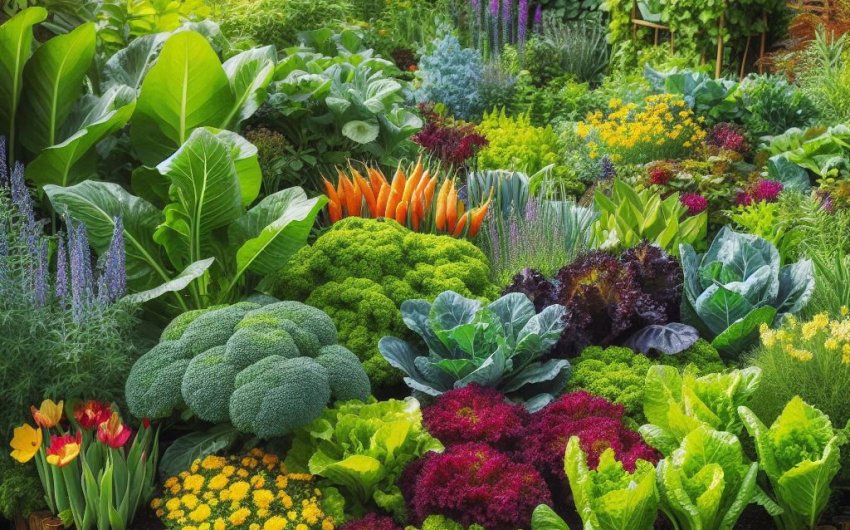
Starting a garden can feel overwhelming, but mastering the art of companion planting can make your journey much more rewarding. This smart gardening technique involves growing specific plants close to each other to help them thrive, deter pests, and even improve flavors. For those just beginning their gardening adventure, understanding how certain vegetables, herbs, and flowers work together can lead to a healthier, more productive garden without relying on harsh chemicals. This companion planting guide for beginners will show you how to foster beneficial relationships between your plants for a greener, more bountiful harvest.
What Exactly Is Companion Planting?
Companion planting is an age-old gardening practice that places different plant species in close proximity so they can benefit one another. Think of it like a natural support system within your garden. Instead of just planting rows of one crop, you mix and match to create a diverse ecosystem. This method harnesses natural interactions between plants to solve common garden problems, like pest infestations or nutrient deficiencies, in an organic way. It’s a foundational concept in sustainable and organic gardening.
How Does Companion Planting Work?
Companion planting works in several clever ways, often by mimicking the diverse plant communities found in nature. Plants interact through their root systems, their physical presence, and even through the release of natural chemicals. These interactions can be incredibly beneficial, leading to healthier plants and better yields. Understanding these mechanisms helps you make smart choices for your garden layout.
One primary way is through pest deterrence. Some plants release strong scents that confuse or repel harmful insects, preventing them from finding their target crops. For example, the scent of marigolds can deter nematodes in the soil, protecting tomato roots. Other plants, like nasturtiums, act as "trap crops," drawing pests away from your more valuable vegetables. The pests prefer the trap crop, leaving your main harvest untouched. You can then easily remove and dispose of the infested trap crop.
Another key benefit is attracting beneficial insects. Many flowers and herbs produce nectar and pollen that are irresistible to helpful bugs like ladybugs, hoverflies, and predatory wasps. These beneficial insects then feast on the pests that are trying to eat your vegetables. Think of dill or sweet alyssum as tiny hotels with free food for these garden allies. More beneficial insects mean fewer harmful pests.
Growth promotion and nutrient sharing also play a role. Some plants, like legumes (beans and peas), have special bacteria on their roots that take nitrogen from the air and convert it into a form plants can use in the soil. This nitrogen then becomes available to neighboring plants, acting as a natural fertilizer. Others might have deep roots that bring up nutrients from deeper in the soil, making them available to shallower-rooted companions. Physical support is also a factor, such as corn providing a natural pole for climbing beans.
Finally, some plants are thought to improve flavor when grown together. While this effect is sometimes debated and harder to prove scientifically, many gardeners swear by the enhanced taste of tomatoes grown near basil, or carrots grown near rosemary. It’s a delightful bonus if true!
What Are the Main Benefits of Companion Planting?
The advantages of practicing companion planting are numerous and directly contribute to a more thriving, sustainable garden. Even for a beginner, these benefits quickly become apparent, making your gardening efforts more efficient and enjoyable.
Firstly, it provides natural pest control. This is perhaps the most celebrated benefit. By using plants to deter pests or attract their predators, you reduce the need for chemical sprays. This means healthier food for you and a safer environment for beneficial insects, birds, and other wildlife. Imagine fewer aphids on your roses or fewer tomato hornworms without having to spray anything.
Secondly, improved plant growth and yield are common outcomes. When plants are supported by their companions, they can grow stronger and produce more. This could be due to better nutrient availability, reduced pest pressure, or even physical support. For instance, corn provides a natural trellis for climbing beans, allowing the beans to reach more sunlight.
Thirdly, it helps in attracting beneficial insects and pollinators. Many vegetables rely on bees and other pollinators to produce fruit. By planting flowers and herbs that attract these essential workers, you ensure better pollination and, consequently, a more abundant harvest of fruits like squash, cucumbers, and tomatoes. Beneficial insects also keep harmful pest populations in check.
Fourth, better soil health can result. Some companion plants, especially those that fix nitrogen, enrich the soil. Others, like certain deep-rooted flowers, can help break up compacted soil or bring up nutrients from deeper layers, making the soil healthier for everything else growing there.
Lastly, there's the aesthetic appeal and the potential for enhanced flavor. A garden with a mix of flowers, herbs, and vegetables is visually richer and more interesting than a monoculture. And if the rumors are true, your food might even taste better!
Which Plants Are Good Companions?
Identifying good companion planting pairings is where the fun really begins. For a beginner, starting with well-known, reliable combinations is the easiest way to see results. These pairings have been tried and tested by generations of gardeners for their mutual benefits.
Good Companions for Tomatoes
Tomatoes are a garden favorite, and many plants can help them thrive. Basil is a classic companion plant for tomatoes. It's believed to improve tomato flavor and deter flies and hornworms. Planting basil seeds right alongside your tomato starts is a common practice.
Marigolds (specifically French marigolds like Nema-Gone Marigolds) are excellent for deterring nematodes in the soil that can damage tomato roots. Their strong scent also helps deter other pests. Plant them around the base of your tomato plants.
Borage is another fantastic choice. It attracts bees for better pollination and is thought to deter tomato hornworms. Many gardeners also claim it improves tomato growth and flavor. You can find borage seeds to plant near your tomatoes.
Carrots benefit from tomatoes as the tomato foliage provides shade, keeping the soil cool for carrot roots. However, ensure they don't get too much shade.
Nasturtiums can act as a "trap crop" for aphids, luring them away from your tomatoes. While they might get covered in aphids, your tomatoes will be left alone. Plus, nasturtiums are edible!
Good Companions for Cucumbers and Squash
Cucumbers and squash (including pumpkins and melons) are vining plants that benefit from help with pollination and protection from common pests like squash bugs and cucumber beetles.
Nasturtiums are excellent here, serving as a trap crop for squash bugs and cucumber beetles. They draw these pests away from your valuable harvest. Place nasturtium seeds around the edges of your squash and cucumber patches.
Radishes are said to repel cucumber beetles, making them a good addition near these crops. They also grow quickly, so you can harvest them before the vining plants take over.
Borage, with its attractive blue flowers, is a strong magnet for bees, which are essential for pollinating cucumbers and squash. More bees mean better fruit set and a larger harvest. Plant borage seeds in the vicinity.
Marigolds can also help deter pests and nematodes in the soil around these vining plants. Tuck some marigold plants nearby.
Corn and sunflowers can act as natural trellises for vining squash and cucumbers to climb, keeping the fruits off the ground and improving air circulation. Just make sure the climbing plants don't completely smother their supports. You can get corn seeds and sunflower seeds easily.
Good Companions for Beans and Peas
Beans and peas (legumes) are special because they "fix" nitrogen in the soil, meaning they take nitrogen from the air and turn it into a usable form for plants. This makes them great neighbors for many nitrogen-loving crops.
Carrots and radishes benefit from the nitrogen fixed by beans and peas, and their shallow roots don't compete with the deeper roots of the legumes.
Corn is a classic companion for pole beans. The strong stalks of the corn provide a natural trellis for the beans to climb, while the beans provide nitrogen to the corn. This is part of the traditional "Three Sisters" planting method (corn, beans, and squash). Find good corn seeds for this.
Cucumbers and squash also benefit from the nitrogen boost from beans and peas, which helps their vigorous growth.
Marigolds can deter nematodes and other pests that might bother beans and peas. Plant marigolds nearby for protection.
Rosemary is believed to deter bean beetles, making it a good herbal companion for beans. A small rosemary plant can be placed strategically.
Good Companions for Cabbage, Broccoli, and Kale (Brassicas)
Plants in the Brassica family are often targets for cabbage worms, cabbage loopers, and aphids. Strategic companion planting can offer significant protection.
Rosemary and mint (planted in pots to prevent spreading!) are excellent for deterring cabbage moths and their destructive caterpillars. The strong scent confuses the moths. You can get rosemary seeds or a mint plant.
Dill and cilantro (when allowed to flower) attract beneficial insects like hoverflies and parasitic wasps, which prey on aphids and cabbage worms. Let some of your dill seeds and cilantro seeds go to flower.
Chamomile is thought to improve the growth and flavor of all Brassicas. It's a gentle, pretty flower that also attracts beneficial insects. Plant some chamomile seeds.
Nasturtiums can act as a trap crop for aphids and cabbage worms, drawing them away from your Brassicas. They are also edible, adding a peppery flavor to salads. Place nasturtium seeds nearby.
Marigolds can also help deter general garden pests from your Brassicas.
Which Plants Should Not Be Planted Together?
Just as some plants are wonderful neighbors, others are terrible roommates. For a beginner in companion planting, knowing which combinations to avoid is just as important as knowing the good ones. Planting incompatible species together can lead to stunted growth, increased pest problems, or even plant death. These "bad neighbors" often compete too aggressively for resources or release compounds that inhibit the growth of others.
Bad Companions for Tomatoes
Tomatoes are generally good-natured, but there are a few plants they absolutely do not get along with. Broccoli, cabbage, and kale (other Brassicas) should be kept away from tomatoes. They can compete for nutrients and are heavy feeders, potentially stunting tomato growth.
Corn is also a poor companion. Both corn and tomatoes are susceptible to corn earworms and tomato hornworms (which are the same caterpillar species!), so planting them together can create a larger breeding ground for these pests.
Fennel is known to inhibit the growth of many plants, including tomatoes. Its strong anethole compounds can be detrimental to nearby plants. Keep fennel seeds far from your tomato patch.
Walnut trees (especially Black Walnut) release a chemical called juglone from their roots that is highly toxic to tomatoes and other nightshades. Do not plant tomatoes anywhere near a walnut tree.
Bad Companions for Cucumbers and Squash
Cucumbers and squash have a few rivals in the garden.
Potatoes should be avoided. Both are susceptible to blight, and growing them together can increase the risk and spread of this disease.
Herbs from the mint family (like sage, mint, and rosemary) can sometimes stunt the growth of cucumbers and squash if planted too closely. While some herbs are beneficial, the vigorous root systems of mint can outcompete them. If using mint, plant it in a container to prevent its aggressive spread.
Aromatic herbs like sage, while good for other plants, can sometimes affect the flavor of cucumbers, making them bitter.
Bad Companions for Beans and Peas
While beans and peas are nitrogen-fixers, not every plant appreciates their company.
Onions, garlic, chives, and leeks (alliums) are generally bad companions for beans and peas. They can stunt the growth of legumes and inhibit their nitrogen-fixing capabilities. Keep your onion sets and garlic bulbs separate.
Fennel is also a no-go for beans and peas, due to its growth-inhibiting properties.
Bad Companions for Cabbage, Broccoli, and Kale (Brassicas)
Brassicas can be a bit particular about their neighbors.
Strawberries should not be planted near any Brassicas, as they can compete for nutrients and share susceptibility to certain fungal diseases.
Tomatoes are generally considered poor companions for Brassicas because they can both be heavy feeders and compete for soil nutrients.
Pole beans and bush beans are also sometimes listed as poor companions for Brassicas, potentially stunting their growth due to different nutrient requirements.
How Do I Start Companion Planting in My Garden?
Starting with companion planting as a beginner is simpler than you might think. It doesn't require a complete overhaul of your garden, but rather thoughtful planning and observation. By incorporating a few key steps, you can begin to experience the benefits almost immediately.
Planning Your Garden Layout
Thoughtful planning is the first crucial step for successful companion planting. Don't just plant randomly; draw a simple map of your garden space.
Assess Your Space: Before you even buy seeds or plants, look at your garden. How much sun does each area get? Where are the shady spots, and where is it full sun all day? Most vegetables need at least 6-8 hours of direct sunlight. Match plants with similar light and water needs together.
Know Your Plants: Research the mature size of both your vegetables and their potential companions. A small radish won't compete much with a cabbage plant, but a sprawling zucchini plant will quickly overshadow anything delicate. Plan for taller plants to be on the north side of your garden beds so they don't cast too much shade on shorter sun-loving plants.
Draw a Map: Get some graph paper or a simple notebook and sketch out your garden beds. Label areas for each vegetable you want to grow. Then, based on the good companion lists, add in the herbs and flowers you want to include. Consider placing pest-deterring plants around the perimeter of susceptible crops (e.g., marigolds around tomatoes) and pollinator attractors in accessible spots.
Consider Succession Planting: Think about how you’ll plant throughout the season. Some crops mature quickly (like lettuce or radishes) while others grow all season (tomatoes). Plan for companion plants that can grow with the main crop or be replanted.
Start Small: As a beginner, don't try to implement every companion planting idea at once. Pick 2-3 combinations you're excited about and see how they work in your garden. For example, try basil with tomatoes, or marigolds with your beans. This will help you learn what works best in your specific garden environment.
Integrating Herbs and Flowers
Herbs and flowers are the unsung heroes of companion planting, offering a wealth of benefits beyond just their beauty or culinary uses. Integrating them thoughtfully can dramatically improve the health and productivity of your vegetable garden.
Herbs for Pest Control and Flavor: Many herbs have strong scents that naturally deter pests. For instance, rosemary (available as rosemary seeds or plants) deters carrot rust flies and bean beetles. Mint (use a container for mint plants as it spreads aggressively!) repels cabbage moths. Basil (get basil seeds) is fantastic with tomatoes, deterring flies and potentially improving flavor. Plant these herbs near the vegetables they benefit most. Some herbs, like dill and cilantro, when allowed to flower, also attract beneficial insects.
Flowers for Pollinators and Pest Deterrence: Flowers are vital for attracting the good guys: pollinators and predatory insects.
- Marigolds (like French marigolds) are essential for deterring nematodes and general garden pests. Plant them in borders or interspersed among your vegetables.
- Nasturtiums (nasturtium seeds) are excellent "trap crops" for aphids and other sap-sucking insects. The pests will gravitate to the nasturtiums, leaving your vegetables alone.
- Sweet Alyssum (sweet alyssum seeds) creates a fragrant carpet that attracts tiny parasitic wasps and hoverflies, which are voracious eaters of aphids.
- Zinnias (zinnia seeds) and Cosmos (cosmos seeds) are beautiful and easy to grow, providing a steady supply of nectar and pollen for bees and butterflies, boosting pollination for fruiting vegetables.
- Borage (borage seeds) is a bee magnet and also deters tomato hornworms.
When integrating them, consider the mature size of the flowers and herbs so they don't shade out or compete with your vegetables. A border of flowers can be both beautiful and functional.
Monitoring and Adjusting Your Garden
Companion planting is not a set-it-and-forget-it system; it's an ongoing process of observation and learning. For a beginner, regularly monitoring your garden and making adjustments is key to long-term success.
Observe Regularly: Spend time in your garden every day, if possible. Look closely at your plants. Are they growing well? Do you see any signs of pests or diseases? Are beneficial insects present? Notice which combinations seem to be thriving and which are struggling. Keeping a garden journal can be helpful to track observations.
Identify Pests and Beneficials: Learn to recognize common garden pests (e.g., aphids, caterpillars, slugs) and their natural predators (e.g., ladybugs, lacewings, hoverflies). Many online resources and gardening books can help with identification. Knowing who's who will help you assess the effectiveness of your companion planting strategy.
Adjust as Needed: If a particular companion pairing isn't working as expected, don't be afraid to make changes. Maybe the pest deterrence isn't strong enough, or perhaps one plant is outcompeting another for resources. You can:
- Move plants: If possible, transplant struggling plants to a new location.
- Add more companions: If pests are still an issue, plant more of the deterrent or trap crops.
- Remove underperforming companions: Sometimes a plant just isn't working out in a specific spot.
- Fertilize if necessary: Even with nitrogen-fixers, some vegetables are heavy feeders and might need additional organic fertilizer to keep up with growth, especially in a dense companion-planted bed.
Learn from Experience: Every garden is unique, with its own microclimate and soil conditions. What works perfectly for one gardener might need tweaks for another. Embrace the learning process, try new combinations each season, and enjoy the journey of discovering what makes your garden sing. Your experience as a beginner gardener will grow with each observation and adjustment you make in your companion planting guide.