
Grow Up: DIY Vertical Garden Ideas for Small Spaces
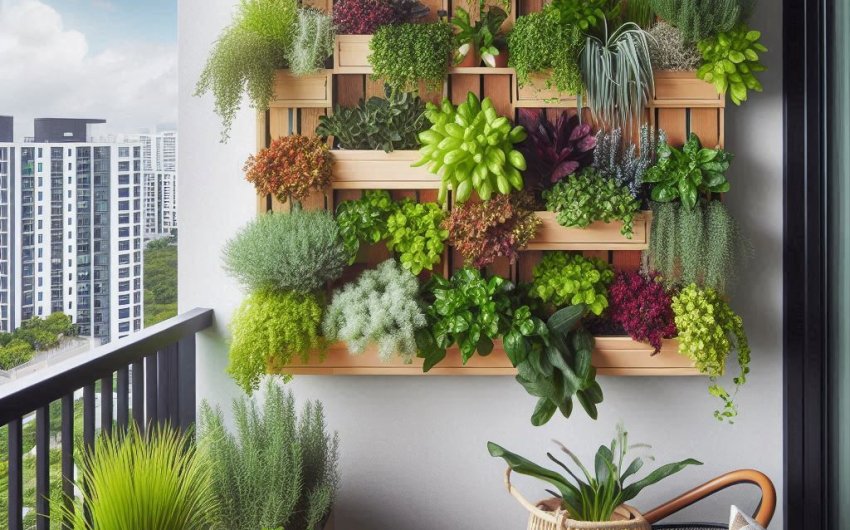
Dreaming of a lush garden but constrained by limited outdoor or indoor square footage? The solution isn't to give up on your green ambitions, but to go vertical! Embracing DIY vertical garden ideas for small spaces transforms unused walls, fences, and even narrow balconies into thriving hubs of foliage and blooms. This innovative approach allows you to maximize your growing potential, adding beauty, fresh produce, and a touch of nature to even the most compact of environments.
Why Go Vertical in a Small Space?
The appeal of DIY vertical garden ideas for small spaces isn't just about fitting more plants; it's about optimizing every available inch while creating stunning visual displays. Understanding the benefits illuminates why this gardening trend is a game-changer for urban dwellers and anyone with limited ground area.
Does Vertical Gardening Save Space?
Yes, absolutely! The most obvious and compelling reason for a DIY vertical garden is its incredible ability to save space. In urban apartments, small patios, or compact backyards, traditional horizontal gardening might be impossible. Vertical gardening provides the perfect solution.
Instead of spreading out your plants on the ground, you stack them upwards, utilizing walls, fences, or even freestanding structures. This means you can significantly increase your total growing area without increasing your physical footprint.
- Balconies: Transform a narrow balcony railing into a cascading edible herb wall.
- Small Patios: Use a freestanding vertical planter to grow a mini-salad garden.
- Indoor Walls: Brighten a sunny interior wall with a living art piece of houseplants or herbs.
- Fences: Turn a bland fence into a vibrant backdrop for flowers or vining vegetables.
By growing upwards, you literally unlock new gardening real estate that would otherwise go unused. This makes DIY vertical garden ideas for small spaces essential for maximizing your planting potential.
Are Vertical Gardens Easier to Maintain?
In many ways, vertical gardens can be easier to maintain than traditional ground-level beds, particularly for certain tasks. While they have their own unique considerations, the benefits often outweigh the challenges.
- Reduced Bending: Most plants in a vertical garden are at a more comfortable height, significantly reducing the amount of bending, kneeling, and stooping required for planting, weeding, and harvesting. This is a huge benefit for gardeners with back or knee issues.
- Fewer Weeds: Because the plants are elevated and often grow in contained pockets, vertical gardens generally experience significantly less weed pressure compared to open ground beds. Weeds simply have fewer opportunities to sprout and compete.
- Pest Management: While not entirely pest-proof, some ground-dwelling pests (like slugs and snails) have a harder time reaching elevated plants. Also, spotting and managing pests on vertical surfaces can sometimes be easier due to improved visibility.
- Drainage Control: Many DIY vertical garden designs naturally offer excellent drainage because of their stacked or tiered structure, reducing the risk of root rot from overly wet soil.
While vertical gardens can sometimes dry out faster (requiring more frequent watering), the overall reduction in physical strain and weeding often makes them a more appealing and manageable option for many.
Do Vertical Gardens Enhance Aesthetics?
Absolutely! Beyond their practical benefits, vertical gardens excel at enhancing aesthetics and adding a unique, living artistry to any small space. They transform bland surfaces into vibrant focal points.
- Living Art: A well-designed vertical garden is essentially a piece of living art. It adds texture, color, and dynamic interest to walls, fences, or even indoor spaces.
- Green Backdrop: They can soften harsh architectural lines, turn an unsightly wall into a beautiful green backdrop, or provide privacy in an urban setting.
- Visual Interest: The different heights and cascading nature of some vertical designs create compelling visual layers that are more engaging than a flat garden bed.
- Sense of Lushness: Even with a small footprint, a thriving vertical garden can make a compact space feel much lusher and more abundant, creating a sense of an oasis.
- Elevated Blooms: Flowers and edibles can be showcased at eye level, allowing for closer appreciation of their beauty and fragrance.
Whether you're creating a simple herb wall or a complex living wall of succulents, DIY vertical garden ideas for small spaces offer an unparalleled opportunity to infuse beauty and natural elegance into your environment.
What Materials Can I Use for DIY Vertical Gardens?
The beauty of DIY vertical garden ideas for small spaces lies in their versatility. You can repurpose a surprising array of everyday materials, transforming them into creative and functional planters, often with little to no cost.
Can I Use Pallets for a Vertical Garden?
Yes, wooden pallets are one of the most popular and versatile materials for DIY vertical garden ideas for small spaces. They are often readily available for free or very low cost and can be transformed into attractive and functional planters with minimal effort.
- How to Find Safe Pallets: Look for pallets stamped with "HT" (Heat Treated) – these are safe. Avoid "MB" (Methyl Bromide), which indicates chemical treatment. Also avoid stained or painted pallets if you plan to grow edibles.
- Basic Pallet Garden:
- Stand the pallet upright.
- Attach landscaping fabric or fabric grow bags to the bottom of each "pocket" created by the slats. You can also simply nail or staple extra wooden slats to the bottom of each opening.
- Fill with potting mix.
- Plant herbs, strawberries, or shallow-rooted annual flowers.
- Tiered Pallet Garden: Disassemble pallets and use the individual planks to create tiered raised beds against a wall.
- Wall Planters: Cut pallet wood into sections to create small, individual wall-mounted planters.
Pros of Pallet Gardens: Cost-effective, rustic aesthetic, relatively easy to construct. Cons: Can be heavy, requires careful sourcing for safe wood, may splinter.
Pallet gardens offer a charming, eco-friendly way to add vertical greenery, making them a fantastic addition to your collection of DIY vertical garden ideas for small spaces.
What About Plastic Bottles or Containers?
Plastic bottles or containers are a fantastic and truly zero-cost option for DIY vertical garden ideas for small spaces. Repurposing these items into planters is a creative way to reduce waste and grow food or flowers in a compact area.
- Horizontal Bottle Planters:
- Collect clean 2-liter soda bottles or similar plastic containers.
- Cut a rectangular opening on the side of each bottle.
- Drill small drainage holes in the bottom.
- You can then string them horizontally using rope or wire, creating a cascading planter. This is often seen in "bottle tower" designs where water drips from the top bottle to the bottom.
- Vertical Bottle Planters (Self-Watering): Cut bottles in half, invert the top half into the bottom half, and use a wick (e.g., piece of old t-shirt) to draw water up from a reservoir in the bottom half to the soil in the inverted top half. Perfect for individual herb plants.
- Upcycled Food Containers: Larger plastic food containers (yogurt tubs, milk jugs) can be cut, painted, and hung or stacked to create whimsical planters.
Pros of Plastic Bottle Gardens: Extremely eco-friendly (reduces waste), virtually free, lightweight, easy to customize. Cons: Can be less aesthetically appealing if not cleverly disguised, plastic can degrade over time in sunlight, may require frequent watering if not designed as self-watering.
With a little creativity, plastic bottles can be transformed into surprisingly functional and impactful elements of your DIY vertical garden ideas for small spaces.
Can I Use Old Gutters or PVC Pipes?
Yes, old gutters or PVC pipes are excellent, durable materials for creating long, horizontal planters in a vertical arrangement. They offer a clean, modern aesthetic and are very effective for growing shallow-rooted plants. These are brilliant DIY vertical garden ideas for small spaces.
- How to Use Gutters:
- Source clean, used rain gutters or purchase new ones (plastic or metal).
- Attach end caps to each section.
- Drill drainage holes along the bottom of each gutter.
- Mount them securely to a wall or fence using gutter brackets or screws, spacing them a foot or so apart vertically.
- Fill with potting mix and plant herbs, leafy greens, or strawberries.
- How to Use PVC Pipes:
- Get large diameter PVC pipes (4-6 inches).
- Cut lengths to your desired size.
- Cut large openings along one side of the pipe (e.g., using a hole saw or jigsaw), leaving the ends and bottom intact.
- Drill small drainage holes in the very bottom of the pipe.
- Mount horizontally or vertically to a support structure.
- Fill with potting mix and plants.
Pros of Gutters/PVC Pipes: Durable, long-lasting, clean appearance, excellent for rows of herbs or greens. Cons: Can be heavy when full, requires careful mounting, PVC can heat up in direct sun affecting roots (use lighter colors).
These materials offer sleek and efficient solutions, maximizing planting space and adding a unique design element to your DIY vertical garden ideas for small spaces.
What Are Some Creative DIY Vertical Garden Designs?
Beyond just repurposing materials, there are many innovative ways to arrange and construct your DIY vertical garden ideas for small spaces, turning functional planters into artistic focal points.
How Can I Create a Living Wall Planter?
A living wall planter creates a dramatic and lush statement, transforming an entire wall into a vibrant tapestry of greenery. This is one of the more ambitious but highly rewarding DIY vertical garden ideas for small spaces.
- Modular Systems: Many store-bought modular living wall planter systems exist, often consisting of interlocking panels or pockets that mount to a wall. These are designed for easy assembly and uniform appearance.
- DIY Crate/Box Walls:
- Collect several sturdy wooden crates or construct simple wooden boxes (ensuring they are outdoor-safe if for exterior use).
- Drill drainage holes in the bottom of each crate/box.
- Mount them securely to a sturdy fence or wall in a staggered or grid pattern. Ensure each box is level.
- Fill with appropriate potting mix and plants. You can find wooden crates for gardening.
- Fabric Pocket Walls: Use large, multi-pocket fabric wall planters that hang directly from hooks. These are often made from recycled felt and are very lightweight.
- Plants for Living Walls: Focus on plants with similar light and water needs. Succulents, ferns, various herbs, leafy greens, or compact flowering annuals are good choices. For a truly lush look, mix textures and colors.
Living walls require careful consideration of watering (often a drip irrigation system is ideal) and secure mounting due to their weight. However, they deliver unparalleled visual impact and dramatically increase planting density in a compact area.
What is a Ladder Planter?
A ladder planter is a charming and versatile DIY vertical garden idea for small spaces that makes use of the tiered structure of a ladder. It's relatively easy to build or repurpose and adds a cottage-garden feel.
- Repurposed Ladder:
- Find an old, sturdy wooden ladder.
- Clean and potentially paint or seal it for outdoor use.
- Place potted plants directly on the rungs.
- Alternatively, attach small shelves or planks across the rungs to create wider platforms for multiple pots or longer planter boxes.
- Ensure the ladder is stable and securely braced, especially if you have pets or children.
- DIY A-Frame Ladder Planter:
- Build a simple A-frame structure from sturdy lumber (e.g., 2x4s or 2x6s).
- Attach progressively narrower shelves or planter boxes to the "rungs" of the A-frame. The wider base provides stability.
- Consider adding wheels to the bottom for portability. You can buy a DIY planter ladder kit.
Pros of Ladder Planters: Easy to build/repurpose, offers multiple tiers, creates visual interest, can be portable if on wheels. Cons: Footprint still takes up some ground space, shelves can be narrow.
Ladder planters are perfect for showcasing a collection of herbs, small vegetables, or mixed flowering plants, adding height and charm to your DIY vertical garden ideas for small spaces.
How Can I Make a Hanging Gutter or Shoe Organizer Garden?
These are two incredibly simple and budget-friendly DIY vertical garden ideas for small spaces that repurpose everyday items into highly effective planting systems. They are perfect for herbs, strawberries, and leafy greens.
- Hanging Gutter Garden:
- Source clean sections of plastic rain gutters (new or used).
- Attach end caps to each section.
- Drill small drainage holes in the bottom.
- Suspend the gutters horizontally using sturdy rope, chain, or wire. You can hang them from a patio ceiling, a balcony railing, or a sturdy frame. Create multiple tiers by attaching each successive gutter lower down. You can find plastic gutters.
- Fill with potting mix and plant shallow-rooted edibles or flowers.
- Over-the-Door Shoe Organizer Garden:
- Get an inexpensive, clear or fabric over-the-door shoe organizer with pockets. Choose one made of durable, breathable fabric for outdoor use, or plastic for indoor use.
- Hang it on a sunny wall, fence, or even a sturdy door.
- Cut small drainage slits in the bottom of each pocket if using fabric (not needed for plastic).
- Fill each pocket with a small amount of potting mix and plant herbs, strawberries, or small annuals.
Pros of Both: Extremely affordable, easy to set up, highly space-efficient, great for continuous harvesting of herbs/greens. Cons: Can dry out quickly (especially shoe organizers), plants in smaller pockets may be restricted.
These clever solutions demonstrate that with a little imagination, anything can become a part of your DIY vertical garden ideas for small spaces.
What Are Important Considerations for Vertical Gardens?
While DIY vertical garden ideas for small spaces offer fantastic benefits, they also come with unique challenges. Being aware of these considerations will help you ensure your vertical plants thrive.
How Does Watering Change in a Vertical Garden?
Watering is often the biggest difference and challenge in a vertical garden compared to a traditional horizontal garden. Vertical planters tend to dry out much faster, requiring a different approach.
- Increased Air Exposure: Plants in vertical gardens are often more exposed to air circulation and wind, which accelerates evaporation from the soil surface and through the plant's leaves.
- Limited Soil Volume: Many vertical garden designs (especially pocket or tiered systems) have smaller individual soil volumes, meaning they hold less moisture.
Strategies for Watering Vertical Gardens:
- Frequent Watering: You will likely need to water more often than ground-level plants – sometimes daily or even twice daily during hot, sunny, or windy weather.
- Bottom-Up Watering (for tiered systems): For some stacked or tiered systems (like the plastic bottle tower), watering the top planter allows water to drain down to the planters below, creating a cascading watering effect.
- Drip Irrigation: For larger or more complex vertical gardens, installing a simple drip irrigation system for vertical gardens is highly recommended. It delivers water slowly and precisely to each plant, minimizing waste and ensuring consistent moisture. You can use a battery-operated timer.
- Moisture-Retentive Potting Mix: Use a high-quality potting mix with good water retention, possibly with added coco coir or vermiculite, but still ensuring good drainage.
- Check Regularly: Always check the soil moisture by sticking your finger into each pocket or container.
Adapting your watering strategy is paramount for the success of your DIY vertical garden ideas for small spaces.
What About Sunlight Exposure for Vertical Plants?
Sunlight exposure can be tricky in a vertical garden, especially on a wall or fence, as light angles change throughout the day and with the seasons. Proper planning is essential when tackling DIY vertical garden ideas for small spaces.
- Direction Matters:
- South-Facing (Northern Hemisphere): Ideal for most sun-loving vegetables and flowering plants, as it receives the most direct sunlight throughout the day.
- East-Facing: Gets good morning sun, which is gentle and good for leafy greens and herbs.
- West-Facing: Gets intense afternoon sun, which can be very hot. Only suitable for very heat-tolerant plants or with some afternoon shade.
- North-Facing: Generally too shady for most edible plants or flowering plants, best for shade-loving foliage plants.
- Consider Plant Needs: Place sun-loving plants (e.g., most vegetables, most flowers) in the sunniest pockets. Place partial-shade plants (e.g., lettuce, cilantro, some herbs) in areas that get morning sun or filtered afternoon light.
- Reflective Surfaces: White walls or reflective film behind your vertical garden can help bounce light back onto plants, increasing overall light exposure.
- Seasonal Changes: The angle of the sun changes with the seasons. What's sunny in summer might be shady in winter. Plan accordingly if you grow year-round.
Carefully assessing your wall's or fence's sun exposure throughout the day and matching it with the light needs of your chosen plants is critical for a thriving DIY vertical garden.
Do Vertical Gardens Need Specific Soil or Fertilizers?
Yes, vertical gardens need specific soil (potting mix) and often require more frequent fertilization than in-ground gardens. These considerations are key to ensuring plant health in limited soil volumes.
- Potting Mix (Not Garden Soil):
- Always use a high-quality, lightweight, well-draining potting mix for vertical gardens. Never use heavy garden soil, as it compacts in containers, leading to poor drainage and suffocated roots.
- Look for mixes containing peat moss or coco coir, perlite or vermiculite, and some compost. You can buy organic potting mix for containers.
- The mix needs to be light enough not to add excessive weight to your vertical structure.
- Nutrient Depletion: Because vertical garden planters have small soil volumes and dry out quickly (requiring more frequent watering), nutrients tend to leach out rapidly.
- Fertilization:
- Initial Mix: Many good potting mixes come with a starter charge of fertilizer.
- Ongoing Feeding: You will need to supplement regularly throughout the growing season.
- Liquid Fertilizers: Apply a diluted liquid organic vegetable fertilizer (e.g., fish emulsion, kelp meal) every 2-4 weeks.
- Slow-Release Granular: For longer-lasting nutrients, you can mix in a slow-release organic granular fertilizer at planting time.
- Worm Castings: Top-dressing with a handful of worm castings every month can provide a gentle, natural nutrient boost.
By providing the right growing medium and consistent nutrition, your DIY vertical garden ideas for small spaces will thrive, rewarding you with lush greenery and abundant harvests.
Transforming even the most compact of environments into a thriving green oasis is wonderfully achievable with DIY vertical garden ideas for small spaces. From repurposing pallets and plastic bottles to designing stunning living walls and ladder planters, the possibilities are as limitless as your imagination. By growing upwards, you not only maximize precious square footage but also add unparalleled aesthetic appeal, save on maintenance, and foster a deeper connection with nature. With careful attention to watering, sunlight, and soil, your vertical garden will flourish, proving that even the smallest area can yield immense beauty and bounty.