
What Are the Top Symptoms of Spider Mites on Houseplants?
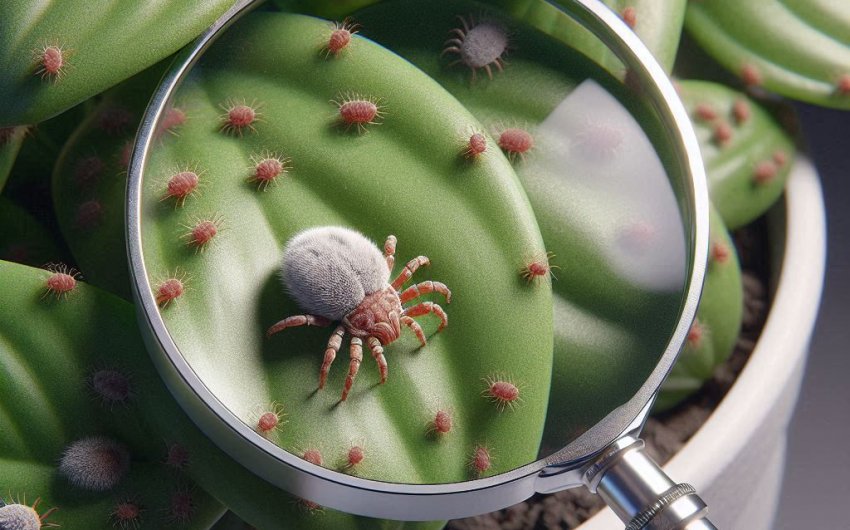
Spider mites are one of the most common and destructive pests that can affect houseplants. These tiny arachnids, which belong to the Tetranychidae family, feed on the sap of plants, damaging their leaves, stems, and overall health. Early detection of a spider mite infestation is crucial for preventing serious damage, but because these pests are so small, they are often overlooked until the infestation becomes severe.
In this guide, we’ll cover the top symptoms of spider mites on houseplants, helping you identify an infestation early and take the necessary steps to protect your plants.
1. Yellowing or Speckled Leaves
One of the earliest and most common signs of spider mites is yellowing or speckling of the leaves. As spider mites feed on the plant’s sap, they puncture individual plant cells, which causes tiny yellow or white speckles on the surface of the leaves. This damage can give the leaves a stippled or mottled appearance.
- The speckling may start small, but as the infestation grows, the spots can spread across the entire leaf.
- Over time, heavily infested leaves will become more yellow, indicating that the plant is losing nutrients.
If you notice yellow or speckled leaves on your houseplants, especially when the discoloration appears in patches, it’s a good idea to inspect for spider mites.
Use magnifying glasses to closely inspect your plants for early signs of spider mite activity.
2. Fine Webbing on Leaves and Stems
Another telltale sign of a spider mite infestation is the presence of fine, silky webbing on the leaves, stems, or even across the entire plant. While not all spider mite species produce visible webbing, the most common ones, such as the two-spotted spider mite, do.
- The webbing is often thin and may be found in the joints where leaves meet the stems, along the undersides of the leaves, or spread across the entire plant.
- As the infestation grows, the webbing can become thicker and more noticeable.
The webbing serves to protect the spider mites and their eggs from predators, as well as aid in their movement from leaf to leaf.
Purchase plant pest removal tools to safely remove spider mite webbing from your houseplants.
3. Leaf Curling or Drooping
As spider mites continue to feed on your houseplant, the stress caused by nutrient loss and cell damage can cause the leaves to curl, droop, or become deformed. The plant's inability to take in sufficient nutrients through its damaged cells leads to weakened structural integrity of the leaves.
- Leaves may curl inward, fold along their veins, or develop uneven edges.
- In more severe infestations, the leaves may droop or hang limply from the stems, even when the plant is adequately watered.
This symptom is particularly dangerous because it weakens the plant’s ability to photosynthesize, leading to further health decline.
Use leaf health monitors to track the condition of your houseplant’s leaves and detect signs of stress.
4. Tiny White or Yellow Dots on Leaves
Upon closer inspection, you may notice tiny white or yellow dots scattered across the surface of your houseplant’s leaves. These dots are the result of spider mites puncturing individual plant cells to feed. Over time, as more spider mites feed on the plant, these dots will multiply and merge, creating larger patches of damage.
- The dots are typically most noticeable on the underside of the leaves, which is where spider mites tend to hide and feed.
- If the infestation is severe, the entire surface of the leaf may be covered in these small, discolored spots.
The presence of these tiny dots, especially on the underside of leaves, is a clear indication of spider mite activity.
Find pest detection kits to identify spider mite infestations early by closely examining your plants.
5. Bronzed or Burnt Leaf Appearance
When spider mites are left unchecked, the damage can become so severe that the leaves take on a bronzed or burnt appearance. This happens when large portions of the leaf surface are destroyed by the mites’ feeding, leaving behind areas that look scorched or metallic.
- The bronzed appearance is a sign that the leaf tissue is dying due to the loss of moisture and nutrients.
- This symptom is most common on leaves that have been under attack for a prolonged period.
The bronzing effect can spread quickly across the plant, especially in hot and dry conditions, which are ideal for spider mites.
Use plant disease treatment products to treat the damaged areas of your houseplants and restore their health.
6. Stunted Growth
A spider mite infestation can stunt the overall growth of your houseplants, as the plant is unable to produce enough energy to sustain new leaves, stems, or flowers. When the mites feed on the sap, they disrupt the plant’s nutrient flow, leading to a decrease in energy production.
- New leaves may appear smaller or deformed, while existing leaves stop growing altogether.
- In flowering plants, the buds may fail to open or produce flowers that are undersized and weak.
If you notice that your plant is no longer growing as vigorously as it used to, especially during the active growing season, spider mites may be to blame.
Find plant growth supplements to support healthy growth and recovery in your houseplants.
7. Silvery or Metallic Sheen on Leaves
In some cases, spider mites can cause the leaves of your houseplants to take on a silvery or metallic sheen. This occurs as a result of the light reflecting off the damaged plant cells after the mites have fed. The silvery appearance is particularly noticeable on the upper surface of the leaves and is a clear sign of an established infestation.
- The sheen may look like a thin, shiny layer covering the leaf surface.
- This symptom is more common in severe infestations and is often accompanied by other signs like webbing and yellowing.
If you see a silvery sheen on your plant's leaves, it’s time to act quickly to prevent further damage.
Use leaf shine products to clean the surface of your plant’s leaves and check for signs of spider mites.
8. Visible Spider Mites on the Plant
Though spider mites are tiny, with adults measuring less than 1 mm in size, you can still spot them with the naked eye if you know where to look. They are often found on the undersides of leaves, and depending on the species, they may appear as tiny red, black, or brown specks.
- A hand lens or magnifying glass can make it easier to see these tiny pests moving across the leaves.
- The mites are most active during warm, dry conditions, so you may notice an increase in activity during the summer months or when indoor heating is on.
If you see small, moving dots on the leaves of your houseplants, it’s likely that spider mites are present.
Purchase insect magnifiers to get a closer look at spider mites and other small pests on your plants.
9. Leaf Drop
In severe cases, spider mite infestations can cause your houseplant to lose its leaves entirely. As the mites feed on the plant’s sap and nutrients, the leaves become too damaged to support themselves and eventually fall off.
- You may notice leaves dropping from the plant prematurely, even if they haven’t turned yellow or brown yet.
- Leaf drop often occurs after prolonged stress caused by the infestation, as the plant can no longer sustain itself.
Leaf drop can significantly weaken the plant and make it more susceptible to other pests and diseases, so it’s important to address the problem as soon as possible.
Use plant health monitors to track your houseplant’s overall health and prevent leaf drop due to spider mites.
10. Plant Decline and Death
If left untreated, a spider mite infestation can lead to the gradual decline and eventual death of the plant. Spider mites can multiply rapidly, especially in warm, dry environments, causing extensive damage before you even realize they’re there. As the plant loses its ability to photosynthesize and absorb nutrients, it becomes weaker and eventually succumbs to the stress.
- Signs of plant decline include wilting, discoloration, leaf drop, and stunted growth.
- In severe cases, the plant may no longer be able to recover, even with treatment.
Preventing plant death requires early detection of spider mites and prompt treatment to stop the infestation from spreading.
Find plant recovery products to help your houseplants recover from spider mite damage and regain their strength.
How to Prevent and Treat Spider Mites on Houseplants
Preventing spider mites from infesting your houseplants is key to keeping them healthy and vibrant. Here are some preventive measures and treatment options to keep in mind:
1. Maintain Humidity
Spider mites thrive in dry conditions, so maintaining higher humidity levels around your houseplants can help deter them. Regularly misting your plants or using a humidifier can help create an environment that is less favorable for mites.
Use humidifiers to increase humidity levels around your houseplants and prevent spider mites.
2. Isolate Affected Plants
If you notice signs of spider mites on one of your houseplants, immediately isolate the affected plant to prevent the mites from spreading to other plants in your home.
Purchase plant isolation stands to keep affected plants separate while you treat them.
3. Natural Predators
Introducing natural predators like ladybugs or predatory mites can help keep spider mite populations under control. These beneficial insects feed on spider mites without harming your plants.
Find beneficial insect kits to introduce natural predators into your indoor garden.
4. Insecticidal Soap
For mild infestations, insecticidal soap can be an effective treatment. It works by suffocating the spider mites on contact, but it is safe for use on most plants. Be sure to thoroughly coat both the tops and undersides of the leaves when applying.
Use insecticidal soaps to treat spider mites on your houseplants without harming the environment.
5. Neem Oil
Neem oil is another popular natural remedy for spider mites. It disrupts the reproductive cycle of the mites, preventing them from multiplying while also acting as a repellent.
Purchase neem oil to treat and prevent spider mite infestations on your houseplants.
6. Prune Affected Areas
In severe infestations, pruning the most heavily damaged leaves and stems can help stop the spread of the mites and give your plant a better chance at recovery. Be sure to dispose of the pruned material away from your other plants.
Find plant pruning shears to safely remove damaged areas from your houseplants.