
How Can I Fix Leaf Curling in My Peace Lily?
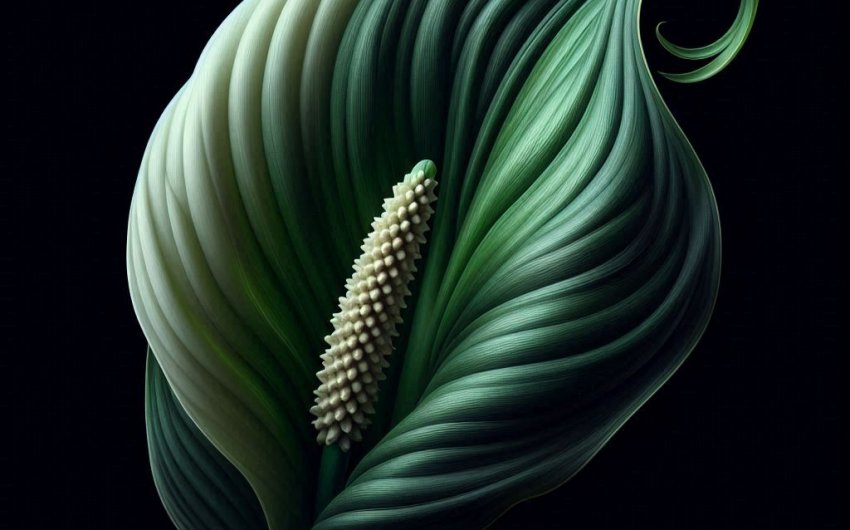
Peace lilies (Spathiphyllum) are beloved houseplants known for their glossy green leaves and beautiful white blooms. While they are relatively low-maintenance, peace lilies can still experience issues, with leaf curling being a common problem. When the leaves of a peace lily begin to curl, it indicates that the plant is under some form of stress. Understanding the potential causes and implementing appropriate solutions can help restore your peace lily to health.
In this article, we will discuss the various factors that can lead to leaf curling in peace lilies, how to diagnose the problem, and what steps you can take to fix it. By identifying the root cause of the issue, you can ensure that your peace lily remains vibrant and healthy.
1. Underwatering
One of the most common reasons for leaf curling in peace lilies is underwatering. These plants prefer consistently moist soil, and when they do not receive enough water, their leaves can curl in an effort to conserve moisture. Underwatered peace lilies may also display other symptoms, such as drooping or wilting leaves.
Signs of Underwatering
- Dry, curled leaves: The leaves may appear dry, curled, and sometimes crispy along the edges.
- Wilted appearance: The plant may look droopy or limp, especially in the lower leaves.
- Light, dry soil: If the soil feels dry several inches below the surface, it indicates underwatering.
What to Do About Underwatering
- Water thoroughly: Water your peace lily deeply, ensuring that the water reaches the root zone. Let the excess water drain out. Use a watering can with a narrow spout to direct water to the base of the plant.
- Establish a watering routine: Set up a consistent watering schedule based on the plant's needs. Water more frequently during the warmer months and reduce watering during the winter.
- Monitor soil moisture: Use a moisture meter to check the soil moisture levels and water when the top inch of soil feels dry.
2. Overwatering
While underwatering is a common issue, overwatering can also cause leaf curling in peace lilies. When the soil remains consistently wet, it can lead to root rot, a condition where the roots become waterlogged and start to decay. This affects the plant's ability to absorb water and nutrients, resulting in curled leaves.
Signs of Overwatering
- Soft, mushy leaves: Leaves may feel soft or mushy in addition to being curled.
- Yellowing leaves: Overwatered peace lilies often have yellow leaves, especially at the base of the plant.
- Soggy soil: If the soil feels constantly wet or soggy, it indicates overwatering.
What to Do About Overwatering
- Allow the soil to dry out: Let the soil dry out completely before watering again. Peace lilies prefer moist, but not waterlogged, soil.
- Improve drainage: Ensure the pot has drainage holes and use a well-draining potting mix to prevent water from accumulating.
- Repot if necessary: If you suspect root rot, repot the plant in fresh soil and trim any damaged roots. Use clean pruning scissors to remove affected roots.
3. Low Humidity
Peace lilies thrive in humid environments, and low humidity levels can cause the leaves to curl, especially around the edges. This is because the dry air pulls moisture away from the leaves, causing them to lose turgor and curl inward.
Signs of Low Humidity
- Brown leaf tips: The tips of the leaves may turn brown in addition to curling.
- Dry, crispy leaves: The edges of the leaves may feel dry and brittle.
- Slow growth: The plant may exhibit stunted growth when exposed to dry air for long periods.
What to Do About Low Humidity
- Increase humidity: Place a humidifier near your peace lily to boost the moisture level in the air. Get a room humidifier to maintain consistent humidity around your plants.
- Use a humidity tray: Set the pot on a tray filled with water and pebbles to create a humid microenvironment. Choose a humidity tray for easy moisture management.
- Group plants together: Place several plants near each other to increase the local humidity through natural transpiration.
4. Temperature Stress
Peace lilies are sensitive to temperature fluctuations, and exposure to extreme temperatures can cause leaf curling. Both hot and cold drafts can stress the plant, leading to curled, yellowed, or scorched leaves.
Signs of Temperature Stress
- Curling and yellowing leaves: The leaves may turn yellow or brown in addition to curling if exposed to cold drafts or excessive heat.
- Wilting or drooping: The plant may appear droopy if it is exposed to high temperatures.
- Sudden leaf drop: Temperature extremes can cause the peace lily to shed its leaves.
What to Do About Temperature Stress
- Keep the plant in a stable environment: Avoid placing the peace lily near heaters, air conditioners, or drafty windows. Use a digital thermometer to monitor the temperature in the room.
- Maintain temperatures between 65-80°F (18-27°C): Ensure that the room temperature remains within this range for optimal growth.
- Avoid sudden temperature changes: Gradually acclimate the plant if you need to move it to a different location.
5. Light Stress
Peace lilies prefer bright, indirect light, and improper lighting can lead to leaf curling. Exposure to direct sunlight can cause the leaves to scorch and curl, while insufficient light can weaken the plant, causing the leaves to become limp and curl inward.
Signs of Light Stress
- Brown, scorched spots: If the peace lily is exposed to direct sunlight, the leaves may develop brown, sunburned spots.
- Dark green leaves with slow growth: When exposed to low light, the plant may appear darker green but exhibit stunted growth and leaf curling.
- Yellowing leaves: Both excessive and inadequate light can cause yellowing leaves in peace lilies.
What to Do About Light Stress
- Move the plant to a shaded spot: If your peace lily is in direct sunlight, move it to a location where it receives bright, filtered light. Use sheer curtains to diffuse sunlight if necessary.
- Supplement with grow lights: If your home does not get sufficient natural light, consider using grow lights to provide adequate lighting.
- Rotate the plant periodically: Turning the pot every few weeks ensures even exposure to light, preventing uneven growth.
6. Pests
Pests such as spider mites, aphids, and mealybugs can cause leaf curling in peace lilies. These pests feed on the plant's sap, leading to curling, discoloration, and stunted growth.
Signs of Pest Infestation
- Sticky residue on leaves: Pests like aphids and mealybugs produce a sticky substance known as honeydew.
- Small webbing: Spider mites may create tiny webs on the undersides of leaves.
- Visible insects: You may notice small pests crawling on the leaves or stems.
What to Do About Pest Infestation
- Wipe down the leaves: Use a damp cloth to gently clean the leaves and remove any visible pests. Use a microfiber cloth for easy cleaning.
- Apply insecticidal soap or neem oil: Treat the plant with insecticidal soap or neem oil to eliminate pests. Repeat the treatment as needed to ensure the pests are eradicated.
- Isolate the affected plant: Keep the infested peace lily away from other houseplants to prevent the pests from spreading.
7. Nutrient Deficiency
Nutrient deficiencies can cause peace lily leaves to curl, as well as display other symptoms like yellowing or browning. A lack of essential nutrients, such as nitrogen, potassium, or magnesium, can affect the plant's overall health and lead to leaf curling.
Signs of Nutrient Deficiency
- Uniform yellowing or browning: The leaves may develop a uniform yellow or brown color, in addition to curling.
- Slow growth: The plant's growth may appear stunted or weak.
- Faded leaf color: The leaves may look pale or lack their usual dark green color.
What to Do About Nutrient Deficiency
- Fertilize the plant: Use a balanced houseplant fertilizer to provide the essential nutrients. Apply fertilizer every 6-8 weeks during the growing season.
- Flush the soil: If there is a buildup of salts from previous fertilization, flush the soil with water to remove excess salts before applying more fertilizer.
- Repot the plant in nutrient-rich soil: When repotting, use a potting mix that contains added nutrients to support healthy growth.
8. Transplant Shock
When a peace lily is repotted or moved to a new location, it can experience transplant shock, which may cause leaf curling as the plant adjusts to its new environment.
Signs of Transplant Shock
- Curling leaves shortly after repotting: The leaves may start to curl soon after the plant is moved or repotted.
- Drooping or wilting: The peace lily may appear droopy during the recovery period.
- Slow recovery: It may take a few weeks for the plant to bounce back after being moved.
What to Do About Transplant Shock
- Water the plant lightly: Water the peace lily sparingly during the adjustment period and allow the soil to dry out between waterings.
- Place the plant in a low-stress environment: Keep the peace lily in a stable environment with consistent temperature and indirect light. Avoid moving it again for a few weeks.
- Use a root stimulator: Consider using a root stimulator to help the plant recover from shock and promote healthy root growth.
9. Root Rot
Root rot is a severe condition that can occur when the roots of the peace lily remain waterlogged for too long, causing them to decay. This condition can lead to leaf curling as the roots lose their ability to take up water and nutrients effectively.
Signs of Root Rot
- Mushy or black roots: Healthy roots are firm and white, while rotten roots appear black or brown and feel mushy.
- Foul smell from the soil: A musty or foul odor may emanate from the soil due to decaying roots.
- Yellowing or wilting leaves: The peace lily may exhibit yellowing or wilting in addition to curling leaves.
What to Do About Root Rot
- Trim away the affected roots: Use sterilized pruning scissors to remove any black or mushy roots.
- Repot the plant in fresh soil: Use a well-draining potting mix and a pot with drainage holes to avoid waterlogging.
- Water sparingly after repotting: Allow the peace lily to recover by ensuring the soil dries out between waterings.
10. Chemical Sensitivity
Exposure to chemicals such as those found in tap water, cleaning products, or fertilizers can cause leaf curling in peace lilies due to chemical sensitivity.
Signs of Chemical Sensitivity
- Brown leaf tips or edges: This can indicate damage from chemicals present in tap water or over-fertilization.
- Stunted growth: The peace lily may show signs of slowed growth if exposed to harsh chemicals.
What to Do About Chemical Sensitivity
- Use filtered or distilled water: Avoid using tap water that contains chlorine, fluoride, or other chemicals. Buy distilled water for watering delicate plants.
- Rinse the leaves: If you suspect chemical residue, gently rinse the leaves with filtered water to remove any contaminants.
- Fertilize sparingly: Use a water-soluble fertilizer and follow the recommended dosage to avoid chemical buildup in the soil.
Understanding the causes of leaf curling in peace lilies allows you to take prompt and effective measures to resolve the issue and restore your plant's health. With proper care and attention, you can help your peace lily thrive and display its characteristic lush foliage.