
What Causes White Mold on Houseplants and How Can I Get Rid of It?
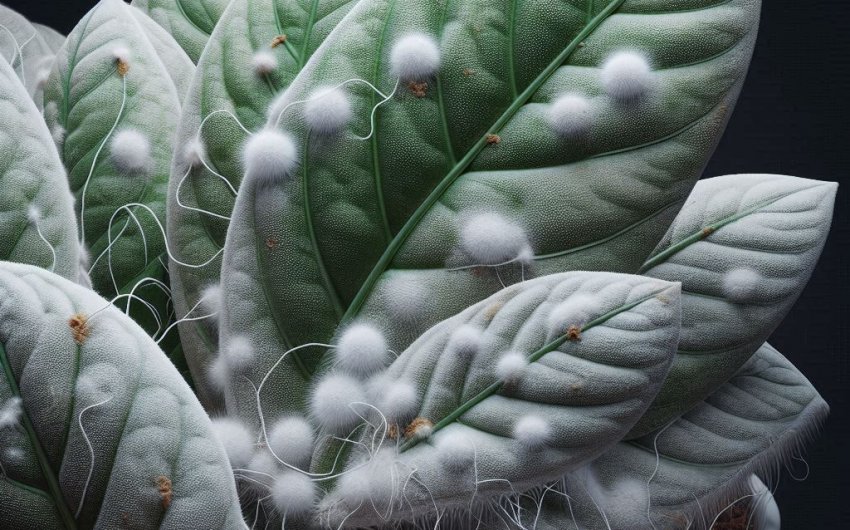
White mold is a common issue that many plant enthusiasts encounter when caring for houseplants. It typically appears as a fuzzy, cotton-like growth on the soil surface, leaves, or stems. While it may look alarming, white mold is generally not fatal to plants if treated early. However, it can weaken the plant and make it more susceptible to other issues if left unchecked.
Understanding the causes of white mold on houseplants and knowing how to eliminate it effectively are essential for keeping your indoor garden healthy. This article will explore the factors that lead to white mold growth, how to identify it, and the most effective ways to get rid of it.
What is White Mold on Houseplants?
White mold, also known as powdery mildew or sclerotinia, is a fungal growth that thrives in moist and humid environments. It typically appears as a white, powdery substance on the soil surface, leaves, or stems of houseplants. While the mold itself is not necessarily harmful to humans, it can damage the plant by interfering with photosynthesis and nutrient absorption.
Identifying White Mold
White mold on houseplants can be identified by its appearance and location:
- On the soil: It often looks like a fuzzy, cotton-like growth that covers the surface of the soil.
- On leaves or stems: The mold may appear as a white, powdery coating that spreads over time.
- On plant roots: In severe cases, white mold can also affect the roots, leading to root rot.
Knowing how to recognize white mold can help you take quick action to eliminate it before it spreads to other plants. Use a magnifying glass to closely inspect your plants for signs of mold.
What Causes White Mold on Houseplants?
Several factors contribute to the development of white mold on houseplants, including excessive moisture, poor ventilation, and contaminated soil. Understanding these causes can help you prevent mold growth and maintain a healthy environment for your plants.
1. Excessive Moisture
Overwatering is one of the most common causes of white mold on houseplants. When the soil remains consistently wet, it creates the perfect breeding ground for fungal growth. White mold thrives in damp conditions, making overwatered plants more susceptible to mold development.
- Soggy soil: If the soil feels wet for an extended period after watering, it indicates excessive moisture.
- Lack of drainage: Pots without drainage holes can cause water to accumulate, leading to a damp environment.
Use a moisture meter to monitor soil moisture levels and avoid overwatering your houseplants.
2. Poor Air Circulation
Houseplants that are kept in areas with poor air circulation are more likely to develop white mold. Stagnant air allows moisture to build up on the plant's surface, promoting fungal growth. This is especially true in small, enclosed spaces or crowded plant arrangements.
- Stale air: Indoor environments with little air movement can create favorable conditions for mold.
- Crowded plant groupings: When plants are placed too close together, it can limit airflow around the foliage.
Use a small fan to improve air circulation around your houseplants.
3. High Humidity Levels
High humidity is another factor that contributes to white mold on houseplants. When the air is too humid, moisture can accumulate on the plant's leaves and soil, providing the perfect environment for mold to thrive.
- Indoor humidity above 60%: Mold growth is more common in high-humidity environments.
- Lack of dehumidification: Without a way to reduce indoor humidity, the air may remain too moist.
To keep humidity levels under control, use a dehumidifier to remove excess moisture from the air.
4. Contaminated Soil
Using contaminated soil can introduce white mold to your houseplants. Fungal spores may already be present in the soil when you purchase it, or it may become contaminated from nearby infested plants.
- Old or reused potting mix: Soil that has been used for other plants may contain fungal spores.
- Improperly stored potting soil: Potting mix that has been left in damp conditions can develop mold.
When repotting, use a fresh, sterile potting mix to avoid introducing mold to your houseplants.
5. Plant Debris and Organic Matter
Organic debris such as fallen leaves, dead stems, or decaying plant material can contribute to the growth of white mold. As the organic matter breaks down, it creates an environment where mold spores can thrive.
- Accumulation of dead leaves: Plant debris left on the soil surface can promote mold growth.
- Decaying organic material: Old plant matter can decompose and create a breeding ground for mold.
Regularly clean up fallen leaves and other debris to maintain a mold-free environment.
How to Get Rid of White Mold on Houseplants
Once you identify white mold on your houseplants, taking immediate action is crucial to prevent it from spreading. There are several effective ways to eliminate white mold, ranging from cultural practices to chemical treatments.
1. Improve Watering Practices
Adjusting your watering habits can help eliminate white mold and prevent future growth.
- Water only when necessary: Allow the soil to dry out between waterings. Water the plant only when the top inch of soil feels dry.
- Use pots with drainage holes: Make sure your pots have drainage holes to prevent water from accumulating. Choose pots with drainage to help control soil moisture.
- Avoid watering the leaves: When watering, direct the water at the base of the plant rather than spraying the foliage.
2. Increase Air Circulation
Improving air circulation can reduce humidity around your houseplants and discourage mold growth.
- Space plants apart: Ensure there is enough space between your plants for air to flow freely.
- Use fans to promote airflow: Place a small fan near your houseplants to keep the air moving. Get a compact desk fan to boost airflow around the plants.
3. Reduce Indoor Humidity
Lowering the humidity levels can help prevent white mold from developing.
- Run a dehumidifier: Keep a dehumidifier in the room where your houseplants are located to remove excess moisture from the air.
- Open windows for ventilation: When possible, open windows to let fresh air circulate and reduce indoor humidity.
- Avoid misting the plants: Refrain from misting the leaves if the air is already humid.
4. Remove Mold Manually
If the white mold is limited to a small area, you can manually remove it from the plant.
- Wipe down the affected areas: Use a damp cloth or paper towel to gently wipe away the mold. Use a microfiber cloth for better absorption.
- Trim affected leaves: If the mold is present on the leaves, cut off the infected leaves using clean pruning scissors.
- Dispose of the mold safely: Throw away any removed mold or plant material to prevent spreading.
5. Apply Fungicide
For persistent white mold, applying a fungicide may be necessary to eradicate the fungus.
- Use a natural fungicide: Products containing neem oil, sulfur, or copper are effective for treating mold. Apply a natural fungicide that is safe for houseplants.
- Follow the manufacturer's instructions: Make sure to use the fungicide as directed on the label to avoid damaging your plants.
- Repeat treatment if necessary: Multiple applications may be needed to completely eliminate the mold.
6. Use Baking Soda Solution
A simple baking soda solution can be used as a natural remedy for treating white mold on houseplants.
- Mix a solution of 1 tablespoon of baking soda, 1 tablespoon of liquid soap, and 1 gallon of water: The baking soda helps neutralize the mold, while the soap helps the solution stick to the leaves.
- Spray the affected areas: Apply the solution to the moldy spots using a plant spray bottle.
- Repeat weekly: Continue applying the baking soda solution once a week until the mold is gone.
7. Hydrogen Peroxide Treatment
Hydrogen peroxide can be used to kill white mold without harming your plants.
- Mix a solution of 3% hydrogen peroxide and water in a 1:3 ratio: This creates a safe concentration for your plants.
- Apply the solution to the mold: Spray the affected areas with the hydrogen peroxide mixture. Use a spray bottle to ensure even coverage.
- Let the solution dry on the plant: Hydrogen peroxide will break down into water and oxygen, leaving no harmful residues.
8. Use Neem Oil
Neem oil is a natural pesticide and fungicide that can help control white mold on houseplants.
- Mix neem oil with water and a few drops of dish soap: Follow the label's instructions for the correct dilution ratio.
- Apply the mixture to the moldy areas: Spray the neem oil solution onto the leaves and soil surface. Find neem oil for plants to use as a treatment.
- Reapply as needed: Use neem oil treatments weekly to keep mold under control.
Preventing White Mold on Houseplants
Preventing white mold from developing in the first place is always better than treating an existing problem. Implementing good cultural practices can help keep your houseplants healthy and mold-free.
1. Water Wisely
Proper watering techniques are crucial for preventing mold growth.
- Water at the base of the plant: Direct water at the roots rather than spraying the leaves.
- Allow soil to dry between waterings: Check the soil moisture level before watering again. Use a moisture meter to determine when the plant needs water.
- Avoid watering late in the day: Watering in the morning allows the plant to absorb moisture and dry out during the day.
2. Use the Right Potting Mix
Choose a potting mix that is appropriate for your houseplants to ensure proper drainage.
- Use well-draining soil: Look for a well-draining potting mix that prevents water from accumulating.
- Add perlite or sand: Mix in perlite or sand to improve drainage, especially for succulents and cacti. Use perlite to enhance soil aeration.
3. Provide Good Air Circulation
Maintaining good air circulation helps keep moisture levels balanced.
- Keep plants spaced apart: Avoid overcrowding to ensure airflow around each plant.
- Use fans in enclosed spaces: Place a small fan in rooms with limited ventilation to promote airflow.
- Prune dense foliage: Trim back overgrown plants to allow air to reach all parts of the plant.
4. Control Humidity Levels
Keeping indoor humidity at the right level can prevent white mold from forming.
- Maintain humidity between 40-60%: This range is ideal for most houseplants.
- Use a hygrometer to monitor humidity: Get a hygrometer to check the humidity levels in your home.
- Avoid misting if the air is already humid: If the humidity is above 60%, refrain from adding more moisture.
5. Regularly Inspect Plants
Frequent inspection of your houseplants allows you to catch mold issues early.
- Check for mold regularly: Look for any signs of mold on the soil surface, leaves, or stems.
- Remove dead or decaying plant material: Clean up any fallen leaves or plant debris. Use leaf clean-up tools for easy maintenance.
- Quarantine new plants: Isolate new houseplants for a few weeks to ensure they are mold-free before placing them near other plants.
By understanding what causes white mold on houseplants and taking the appropriate steps to prevent and treat it, you can keep your indoor garden healthy and vibrant. Proper cultural practices, along with timely interventions, will help you avoid mold problems and enjoy your plants to the fullest.