
5 Creative Ways to Upcycle Pallets for Composting Success
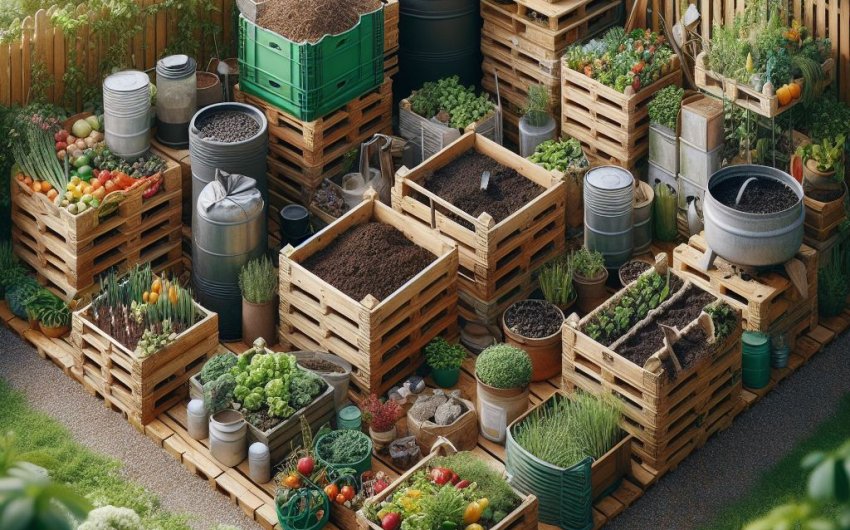
Yes, you can absolutely explore 5 creative ways to upcycle pallets for composting success, transforming discarded wooden pallets into efficient and budget-friendly composting systems. These DIY solutions not only divert waste from landfills but also provide your garden with a continuous supply of nutrient-rich "black gold" through sustainable practices.
Why Are Pallets Ideal for Composting Success?
Pallets are exceptionally ideal for composting success due to their inherent structural properties, affordability, and ability to provide crucial elements for efficient decomposition. They are a treasure trove for anyone looking for creative ways to upcycle pallets for composting.
What Makes Pallets So Versatile for Compost Bin Designs?
Pallets are incredibly versatile for compost bin designs because they are pre-fabricated, sturdy wooden panels that come with built-in features conducive to composting. This versatility allows for numerous creative and functional DIY solutions.
- Ready-Made Structure: Each pallet serves as a ready-made wall for a compost bin. This eliminates the need for extensive cutting or complex joinery, simplifying the building process dramatically.
- Built-in Aeration: The gaps between the wooden slats of pallets are perfect for allowing natural air circulation. This is crucial for aerobic decomposition, which is fast, efficient, and odorless.
- Modular Design: Pallets are designed to interlock or connect easily, making them inherently modular. You can arrange them in various configurations (single bin, multi-bin, cylindrical) to suit your space and composting volume.
- Sturdy Material: Constructed from solid wood, pallets are robust enough to withstand the weight and pressure of a dense compost pile, providing a durable structure.
- Easy to Repurpose: They are a widely available waste product, making them easy to source for free or at very low cost.
- Customizable: While pre-made, they can be easily modified (cut, hinged) to add features like removable fronts or lids.
This inherent versatility makes pallets a top choice for DIY pallet compost bin construction.
How Do Pallets Promote Efficient Decomposition?
Pallets inherently promote efficient decomposition in a compost pile primarily through their excellent aeration properties and ability to retain some heat. These factors create an optimal environment for the beneficial microorganisms that break down organic waste.
- Superior Aeration: The gaps between the wooden slats of each pallet allow for constant, natural airflow into the compost pile.
- Impact: This ensures a continuous supply of oxygen for aerobic microorganisms, which are the most efficient decomposers. Adequate oxygen prevents the pile from becoming anaerobic (oxygen-deprived), which causes foul odors and slows down decomposition significantly.
- Heat Retention: The solid wood panels of the pallets help to insulate the compost pile.
- Impact: This allows the pile to generate and retain the heat produced by microbial activity more effectively. A warm pile (130-160°F / 54-71°C) decomposes faster and helps kill weed seeds and pathogens.
- Structural Support: Pallets create a robust, contained structure that holds the compost materials effectively.
- Impact: This allows the pile to maintain an optimal size (ideally 3x3x3 feet or 1 cubic meter) for heat generation without collapsing or becoming too compacted.
- Natural Material: Being wood, pallets are a natural, organic material that can even eventually break down (over a very long time), releasing carbon and integrating with the compost environment.
By providing ideal aeration and contributing to heat retention, pallets actively support a fast, odorless, and efficient composting process, leading to composting success.
What are the Environmental Benefits of Upcycling Pallets?
The environmental benefits of upcycling pallets for composting are significant, extending beyond just waste diversion to include resource conservation and a reduced carbon footprint. It's a truly sustainable approach to obtaining composting success.
- Reduces Landfill Waste: The most direct benefit is diverting discarded wooden pallets from landfills, where they would otherwise take up space and slowly decompose (potentially releasing methane if buried without oxygen).
- Conserves Natural Resources: By reusing existing wood, you reduce the demand for new timber (virgin resources) that would be harvested to make new compost bins or other products.
- Lowers Carbon Footprint: The production of new goods (even compost bins) has an associated carbon footprint from manufacturing, transportation, and raw material extraction. Upcycling avoids this, contributing to reduced greenhouse gas emissions.
- Prevents Pollution: Less manufacturing means less industrial pollution.
- Promotes Circular Economy: It's a prime example of a circular economy, where resources are kept in use for as long as possible, rather than following a linear "take-make-dispose" model.
- Inspires Others: A visible DIY compost bin made from repurposed pallets can inspire neighbors and friends to consider similar eco-friendly projects, creating a ripple effect of sustainability in the community.
By choosing to upcycle pallets for composting, you're not just getting a bin; you're making an active statement about resourcefulness and environmental responsibility, truly turning trash into treasure for your garden.
What Are 5 Creative Ways to Upcycle Pallets for Composting Success?
To truly achieve composting success, here are 5 creative ways to upcycle pallets into highly effective and budget-friendly composting systems. These DIY designs offer versatility, efficiency, and a sustainable approach to managing your organic waste.
1. The Simple Three-Sided Pallet Bin
The simple three-sided pallet bin is a foundational and incredibly easy DIY compost bin design, creating an open-front system that is perfect for cold composting or for a working pile you manually turn. This is an excellent starting point for creative ways to upcycle pallets for composting.
- Design: Consists of three pallets connected to form three sides of a square or rectangular bin, leaving the front open for easy access.
- Materials: 3 heat-treated (HT) wooden pallets, heavy-duty zip ties or screws/bolts.
- Construction:
- Stand two pallets upright, perpendicular to each other, forming a corner.
- Securely fasten them together using zip ties (threading through pallet gaps) or by drilling pilot holes and using exterior-grade screws/bolts.
- Position the third pallet to form the back wall, and connect it securely to the two side pallets.
- Pros:
- Very Easy to Build: Minimal tools and skills required.
- Excellent Aeration: Gaps in the pallets allow superb airflow.
- Low Cost: Pallets are often free.
- Easy Access: Open front makes adding materials and manual turning very simple.
- Cons:
- Pest Vulnerability: The open front (and potential gaps at the bottom) means it's not rodent-proof unless further modified.
- Aesthetics: More rustic look.
- Best for: Yard waste, cold composting, or frequently turned piles in larger gardens where pests are less of a concern.
This simple design is a powerful first step in turning trash into treasure for your garden.
2. The Expandable Four-Sided Pallet Bin
The expandable four-sided pallet bin offers increased containment and versatility, allowing for either a single batch or an easily expandable system, making it a highly effective creative way to upcycle pallets for composting. This design is a slight upgrade from the three-sided version.
- Design: Utilizes four pallets to form a fully enclosed square or rectangular bin. The fourth pallet can be hinged, removable, or fixed.
- Materials: 4 heat-treated (HT) wooden pallets, heavy-duty zip ties/wire/screws, and optionally hinges/latches for a removable front.
- Construction:
- Follow steps for a three-sided bin.
- Use the fourth pallet to form the front. This pallet can be:
- Fixed: Securely attach all four pallets. This provides full containment but makes turning/harvesting more difficult (requires digging from top).
- Hinged Door: Attach the fourth pallet with hinges to one side, creating a swing-open door. Use a simple latch.
- Removable Panels: Cut the fourth pallet into 2-3 horizontal sections or use individual wooden planks. Create vertical grooves or attach wooden blocks to the inside corners of the front opening, allowing the panels to slide in and out. This provides easy access as the pile grows.
- Pros:
- Better Containment: More contained, tidier appearance.
- Improved Pest Deterrence: The fourth side reduces easy access for pests (especially if the front is removable/hinged and kept shut).
- Expandable: Easily replicated to create a two or three-bin system (see below).
- Cons:
- Slightly more complex build than 3-sided.
- Requires more pallets.
This design provides a flexible foundation for composting success with pallets.
3. The Continuous Two- or Three-Bin Pallet System
The continuous two- or three-bin pallet system is an advanced and highly efficient creative way to upcycle pallets for composting, allowing for continuous composting and phased decomposition. This method ensures a steady supply of finished compost.
- Design: Consists of 2 or 3 adjacent bins (sharing walls) in a row.
- Two-Bin System: Uses 5 pallets. One bin for active composting, one for curing.
- Three-Bin System: Uses 7 pallets. One for fresh waste (active filling), one for primary decomposition (hot phase), and one for curing/finished compost.
- Materials: 5 or 7 heat-treated (HT) wooden pallets, heavy-duty zip ties/wire/screws.
- Construction:
- Start by building the first three-sided bin.
- Add a fourth pallet as a shared middle wall, securing it to the side of the first bin.
- Add a fifth pallet as the outer wall of the second bin.
- (For three bins) Repeat by adding a sixth pallet as another shared middle wall, and a seventh as the final outer wall.
- Each bin should have an open front (or removable panels/hinged doors) for easy access.
- Pros:
- Continuous Compost: Always have a finished batch ready.
- Hotter Composting: Easier to manage a hot pile by actively turning from one bin to the next.
- Efficient Processing: Organizes compost into clear stages.
- High Capacity: Handles large volumes of waste.
- Cons:
- Requires more space and more pallets.
- More complex to build than a single bin.
A multi-bin system is ideal for serious gardeners who generate significant organic waste and desire a continuous supply of compost.
4. The Pallet-Worm Bin Hybrid (for Kitchen Scraps)
The pallet-worm bin hybrid is a creative way to upcycle pallets for composting that integrates a worm farm, specifically designed for efficiently processing kitchen scraps within a larger, pallet-built structure. This combines the benefits of vermicomposting with the rustic pallet aesthetic.
- Design: A traditional worm composting bin (e.g., plastic tote, wooden box) is housed within a pallet structure, or a pallet forms the outer shell of a larger, stationary worm bin.
- Materials: 2-3 heat-treated (HT) wooden pallets, plus materials for the inner worm bin (plastic totes, wood planks for sides, lid), and red wiggler composting worms.
- Construction:
- Build a small, three-sided pallet structure (e.g., 2-pallet open-front).
- Inside this, create your actual worm bin using stacked plastic totes (with holes for drainage/worm migration) or build a wooden box (lined with landscape fabric).
- Ensure the inner worm bin has a secure lid (to keep pests out and worms in).
- The pallet structure can provide insulation and aesthetics.
- Pros:
- Effective for Kitchen Scraps: Worms excel at breaking down food waste quickly.
- Odorless: A well-managed worm bin doesn't smell.
- Pest Control: The inner bin is secure, and the outer pallet frame can deter larger animals.
- Produces Premium Castings: Generates nutrient-rich worm castings and "worm tea."
- Rustic Aesthetic: Combines a functional worm bin with a natural pallet look.
- Cons:
- Doesn't process yard waste (unless you also have a separate hot compost).
- Requires management of worm populations.
This hybrid is perfect for those who want to compost kitchen scraps efficiently with a natural aesthetic.
5. The Decorative Pallet Privacy Screen with Integrated Composter
The decorative pallet privacy screen with integrated composter is a highly creative and multi-functional way to upcycle pallets, offering privacy, aesthetic appeal, and composting success in one ingenious unit. This blends utility with garden design.
- Design: One side functions as an attractive privacy screen (e.g., with planters or climbing vines), while the other side discreetly houses a compost bin.
- Materials: 3-5 heat-treated (HT) wooden pallets, plus additional wood for decorative elements/planters, and fastening hardware.
- Construction:
- Build a sturdy, tall pallet fence/screen (e.g., connect 2-3 pallets vertically, or side-by-side).
- On the "public" side of the screen, add decorative elements:
- Attach small wall-mounted planters for flowers or herbs.
- Train climbing plants (e.g., clematis, jasmine, nasturtium) up the pallet slats.
- Paint the pallet.
- On the "private" side (facing your garden or a less visible area), attach 2-3 additional pallets to form a compost bin behind the screen. Ensure it has an open or removable front for access.
- Pros:
- Dual Functionality: Provides privacy/decor and composting.
- Space-Saving: Integrates two garden needs into one structure.
- Discreet Composting: Hides the compost bin behind an attractive feature.
- Unique Aesthetic: A truly personalized and artistic compost solution.
- Cons:
- More complex construction.
- Requires more pallets.
- Compost bin access needs careful planning.
This creative solution truly showcases the transformative power of upcycling pallets for composting success, turning a utilitarian bin into a garden feature.
What Essential Tools and Materials Do You Need for Pallet Bin Construction?
Even for the most elaborate DIY pallet compost bin construction, having the right tools and materials on hand ensures a smooth, safe, and efficient building process. Most items are basic and readily available, reinforcing the "on a budget" aspect.
What Basic Hand Tools are Essential?
For virtually all DIY pallet compost bin constructions, only a few basic hand tools are truly essential. These are common household items or easily affordable from a hardware store, making the project accessible to almost everyone.
Essential basic hand tools:
- Work Gloves: Absolutely crucial for protecting your hands from splinters and rough wood when handling pallets. Invest in sturdy gardening gloves.
- Measuring Tape: For accurately sizing your bin or marking pallet sections for any cuts.
- Marker or Pencil: For marking cut lines or drill spots.
- Drill (Corded or Cordless): For pre-drilling holes (if using bolts/screws), driving screws, or for creating small aeration/drainage holes in an optional base.
- Drill Bits: Assorted sizes for pilot holes and fastening (wood bits).
- Hammer: If using nails for any extra bracing, or for adjusting pallet slats.
- Screwdriver (Manual or Drill Bits): For driving screws.
- Saw (Optional but Useful): A hand saw, jigsaw, or reciprocating saw can be very useful if you plan to cut pallets for specific dimensions (e.g., for lids, removable fronts), though many designs can avoid cutting pallets entirely.
- Wire Cutters (if using wire/zip ties): For securing mesh or pallets together.
Having these tools ready before you start will prevent interruptions and make your DIY pallet compost bin build much smoother.
What Recycled or Repurposed Materials Are Best to Use?
One of the greatest benefits of a DIY pallet compost bin is the ability to use recycled or repurposed materials, dramatically reducing costs and environmental impact. Leveraging these items truly exemplifies turning trash into treasure for your garden.
Excellent recycled/repurposed materials:
- Wooden Pallets (HT Stamped!): The star. Source HT-stamped pallets from local businesses. This is the only type of pallet recommended for composting or any garden use where it might contact edibles.
- Scrap Lumber: Leftover wooden boards, fence pickets, or 2x4s from other projects can be used for bracing, lids, removable front panels, or even a small frame.
- Heavy-Duty Cardboard: Shredded cardboard makes an excellent "brown" compost material. Flat pieces can also be used for temporary weed suppression around the bin.
- Bricks/Cinder Blocks: Can be used to create a level base for your bin, elevate it slightly for better airflow, or weigh down a lid.
- Old Tarps/Plastic Sheeting: A clean, used tarp can serve as a temporary cover for the compost pile to retain heat/moisture or shed excess rain.
- Chicken Wire / Hardware Cloth Scraps: Leftover fencing material can be used to line the inside of bins (for finer materials) or create a base to deter burrowing pests.
- Old Hinges/Latches: Repurpose hardware from old furniture or gates for lids or doors.
Always ensure any repurposed materials are clean and free of harmful chemicals before using them for composting, especially those that will come into contact with your organic waste.
What Inexpensive New Materials Are Worth Buying?
Even when focusing on building an easy and effective compost bin on a budget, some inexpensive new materials might be worth buying to ensure durability, functionality, or enhanced features. These often have a low cost but high impact on your DIY pallet compost bin.
Worthwhile inexpensive new materials:
- Heavy-Duty Zip Ties or Galvanized Wire: For strong, long-lasting connections between pallets, purchasing new heavy-duty zip ties or galvanized utility wire is recommended.
- Exterior-Grade Screws/Bolts: If you opt for a more permanent, rigid construction method, purchasing exterior-grade wood screws (e.g., 3-4 inches) or carriage bolts ensures maximum stability and rust resistance.
- Hinges and Latches: For added functionality (e.g., a hinged lid, a swinging front door), simple outdoor gate hinges and latches are inexpensive but very useful.
- Compost Thermometer: While not for the bin itself, a long-stem compost thermometer (around $20-30) is a highly valuable tool for monitoring heat and is a wise budget investment for serious composters.
- Compost Aerator Tool: A simple compost aerator tool can make turning a static pallet pile much easier.
- Kitchen Compost Pail: A small, airtight kitchen compost pail with a lid is essential for collecting scraps indoors without odors.
These minimal purchases can significantly improve the functionality, longevity, and overall success of your DIY pallet compost bin.
How Do You Ensure Composting Success with Your Pallet Bin?
Once you've built your DIY pallet compost bin, ensuring composting success involves consistent and mindful operation, adhering to fundamental composting principles, and proactive management of common issues. This is how you truly achieve composting success and turn trash into treasure for your garden.
How Do You Layer Materials for Optimal Decomposition?
Layering materials for optimal decomposition is key to operating your DIY pallet compost bin efficiently, ensuring a balanced mix of "greens" and "browns," proper aeration, and rapid breakdown. This balance is crucial for avoiding foul odors and promoting heat, leading to composting success.
- Start with a Coarse Base: Begin by placing a 6-12 inch (15-30 cm) layer of coarse, bulky "brown" material at the bottom of your bin. This could be small twigs, shredded branches, or straw. This provides crucial drainage and air circulation from below.
- Alternating Layers of "Browns" and "Greens": Build your pile in alternating layers:
- "Brown" Layer: Add a layer of shredded dry leaves, straw, wood chips, or shredded paper/cardboard (about 6-8 inches / 15-20 cm thick). These are your carbon sources.
- "Green" Layer: Follow with a thinner layer of nitrogen-rich "green" materials (about 2-4 inches / 5-10 cm thick), such as kitchen scraps, fresh grass clippings, or non-seeding plant trimmings. These are your nitrogen sources.
- Visual Ratio: Aim for roughly 2-3 parts "brown" material to 1 part "green" material by volume. This helps maintain the ideal carbon-to-nitrogen (C:N) ratio of approximately 25-30:1.
- Moisten Each Layer: Water each layer thoroughly as you add it until it's damp, like a wrung-out sponge.
- Cover Food Scraps: Always ensure kitchen scraps are covered with at least 6-8 inches of "browns" or existing compost to deter pests and contain odors.
- Optional Activator: Sprinkle a handful of finished compost, garden soil, or a commercial compost accelerator over layers to introduce beneficial microbes.
Consistent layering ensures your compost pile is always working efficiently, leading to composting success.
How Do You Manage Moisture and Aeration in a Pallet Bin?
Managing moisture and aeration are ongoing, critical tasks for operating a DIY pallet compost bin, directly influencing decomposition speed, odor control, and the health of your microbial workforce. Pallet bins excel at aeration due to their design, crucial for composting success.
- Moisture Management:
- "Wrung-Out Sponge" Test: The compost should feel consistently damp, like a wrung-out sponge. It should never be dusty dry or soggy wet.
- Check Regularly: Check the pile's moisture every few days or weekly, especially during dry spells or if the pile is in direct sun. A compost moisture meter is a useful tool.
- Adding Water: If dry, water the pile thoroughly with a garden hose with a gentle spray as you turn it.
- Drying Out: If too wet, add more dry "browns" (shredded leaves, straw) and turn to absorb excess moisture.
- Lid/Cover: A simple lid or tarp can help retain moisture in dry conditions or prevent waterlogging in very rainy climates.
- Aeration Management:
- Natural Airflow: The gaps between the pallet slats provide excellent natural airflow to the sides.
- Turning the Pile: This is the most effective way to introduce oxygen to the interior.
- Frequency: For a faster, hotter pile, turn every few days to once a week, especially when the internal temperature starts to drop. For cold composting, turn monthly or whenever you add a large batch of new material.
- Method: Use a compost turning fork to mix the outer, cooler material into the center and introduce fresh oxygen.
- Build with Structure: Ensure you include bulky "browns" that create air pockets and prevent compaction.
Consistent moisture and regular aeration are the twin keys to a healthy, odorless, and rapidly decomposing compost pile.
How Do You Manage Pests and Odors in a Pallet Bin?
Managing pests and odors in a DIY pallet compost bin is crucial for harmonious composting, preventing unwanted visitors and maintaining good neighbor relations. Proactive measures are key to turning trash into treasure for your garden without problems, ensuring composting success.
- Odor Control (The Best Defense):
- Balance C:N Ratio: The number one defense. A properly balanced pile (2-3 parts browns to 1 part greens by volume) should smell earthy, not foul.
- Aerate Regularly: Prevents anaerobic (stinky) decomposition.
- Don't Overload "Greens": Avoid adding huge batches of fresh grass clippings or wet food scraps without sufficient browns.
- Bury Food Scraps: Always cover kitchen scraps immediately and completely with "brown" material or existing compost.
- Pest Control (Prevention is Paramount):
- Strictly AVOID Prohibited Materials: NEVER add meat, bones, fish, dairy, oily foods, or pet waste to your pallet bin. These are irresistible attractants for rodents, raccoons, and flies.
- Bury All Food Scraps Deeply: Always bury kitchen scraps (even fruit/vegetable peels) at least 6-8 inches deep within the pile and ensure they are thoroughly covered.
- Secure the Base: While pallets have gaps, you can deter burrowing rodents by placing the bin on a layer of 1/4-inch hardware cloth or wire mesh secured to the bottom edge of the pallets.
- Lid/Cover: A lid helps deter flying insects and keeps larger animals from easily accessing the top.
- Cleanliness: Keep the area around your compost bin clean and free of spills.
- Fly Management: For fruit flies or gnats, ensure food scraps are buried. Yellow sticky traps can be placed near the bin.
By adhering to these management tips, your DIY pallet compost bin will be a productive asset, not a nuisance, ensuring composting success.
How Do You Harvest and Use Compost from Your Pallet Bin?
The final, rewarding stage of your DIY pallet compost bin project is learning how to harvest and use the nutrient-rich compost effectively. This completes the cycle of turning trash into treasure for your garden, enriching your soil and nurturing your plants for ultimate composting success.
How Do You Know When Compost is Ready for Harvest?
Knowing when compost is ready for harvest is crucial to ensure it's stable, nutrient-rich, and beneficial for your garden. Finished compost has specific characteristics that distinguish it from still-decomposing material.
Signs of finished compost:
- Dark, Rich Color: It should be dark brown to black, resembling healthy soil.
- Earthy Smell: It should have a pleasant, fresh, earthy aroma, like a forest floor. There should be no foul, sour, or ammonia smells.
- Crumbly Texture: It should be crumbly and uniform in texture, with most of the original materials no longer recognizable. Any remaining larger pieces (like wood chips or un-shredded twigs) are fine and can be sifted out or returned to the active pile.
- Cool Temperature: The pile should be cool throughout, indicating that the intense microbial activity (and heat generation) has subsided. If it's still warm in the center, it's still actively decomposing.
- No Obvious Food Scraps: You shouldn't see identifiable kitchen scraps or fresh plant material.
Once your compost exhibits these characteristics, it's ready to nourish your garden, ensuring composting success.
How Do You Harvest Finished Compost from a Pallet Bin?
Harvesting finished compost from a pallet bin is straightforward, offering easy access to the mature "black gold" while leaving any uncomposted material to continue breaking down. This simplicity is a major benefit of DIY pallet compost bin designs.
- From an Open-Front or Three-Sided Bin:
- Simply use a garden fork or shovel to dig compost from the bottom or front of the pile. This is where the oldest, most decomposed material usually is.
- The beauty of a pallet bin is you can easily pull compost from the bottom without completely dismantling the whole pile.
- From a Two-Bin System:
- Once your "curing" bin is complete, you can remove the entire contents of that bin.
- If the dividing pallet is removable, you can shift the active pile into the empty "curing" bin and start a fresh pile in the now-empty "active" bin.
- Screening (Optional): If you desire very fine compost for seed starting or potting mixes, you can sift your compost through a screen. Any larger, undecomposed pieces go back into the active pile.
Harvesting provides you with the tangible reward of your composting efforts, completing the cycle of turning trash into treasure for your garden.
What are the Best Ways to Use Your Homemade Compost?
Using your homemade compost effectively is the ultimate reward for your DIY pallet compost bin efforts, as this "black gold" will significantly improve your garden's soil health, nourish plants, and lead to more abundant harvests. This ensures your composting success translates into a thriving garden.
- Soil Amendment for Garden Beds:
- Before Planting: Spread a generous 1-2 inch layer of compost over garden beds in spring or fall. Work it into the top 4-6 inches of soil with a garden fork or shovel.
- Annual Refresh: Add compost annually to existing beds to maintain fertility and structure.
- Top Dressing Around Plants:
- Apply a 1/2 to 1-inch layer of compost around the base of existing flowers, vegetables, shrubs, or trees. Keep it an inch or two away from stems/trunks.
- This provides a slow, steady release of nutrients, helps retain moisture, and suppresses weeds.
- Potting Mix for Containers:
- Mix 1 part finished compost with 2-3 parts commercial potting mix when planting containers. This adds nutrients and improves soil structure.
- For delicate seedlings, use finely screened compost. A potting soil scoop can help with mixing.
- Planting Trees and Shrubs: Mix compost into the backfill soil when planting new trees and shrubs to give them a great start.
- Lawn Top Dressing (Optional): Spread a very thin (1/4 inch) layer of finely screened compost over your lawn, especially after aerating. Rake it in gently. It improves soil structure and feeds the grass.
By effectively utilizing the compost from your DIY pallet compost bin, you are closing the loop on organic waste, truly turning trash into treasure for your garden, and fostering a healthier, more productive landscape, all through composting success.