
What Causes Brown Spots in My Lawn?
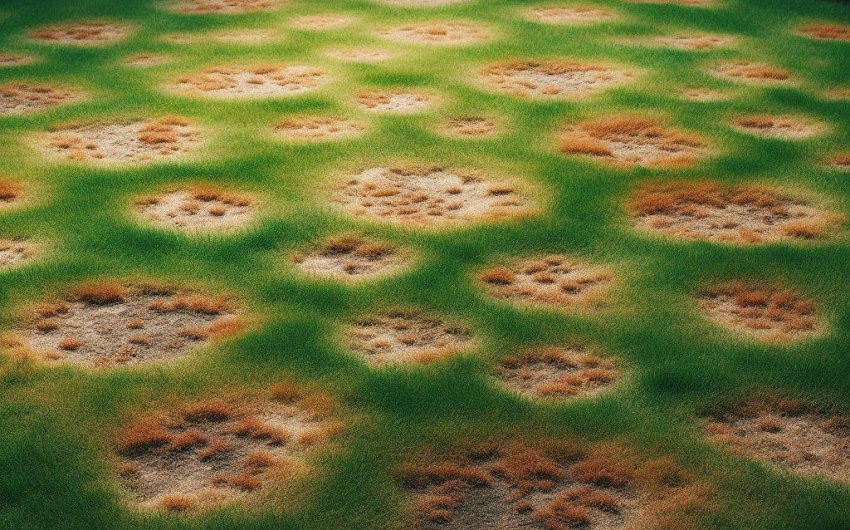
Brown spots in your lawn can be one of the most frustrating issues for homeowners striving for a lush, green turf. These unsightly patches can appear seemingly overnight, signaling distress or damage to your grass. Understanding what causes brown spots in my lawn is the first critical step toward accurately diagnosing the problem and implementing the most effective solution. From environmental stressors like drought and heat to more insidious culprits like pests and diseases, various factors can turn your vibrant green lawn into a mottled landscape.
What Environmental Factors Cause Brown Spots in My Lawn?
Often, the simplest explanations for brown spots in my lawn lie in the environment. Extreme weather conditions, inconsistent watering, and even the natural elements can all contribute to grass turning brown.
1. Drought Stress and Underwatering
This is the most common reason for widespread browning, especially during hot, dry spells.
- How it Happens: Grass needs water to stay green and healthy. When there's insufficient rainfall or inadequate irrigation, the grass goes into survival mode, drawing moisture from its blades and sending it to the roots. The blades turn yellow, then brown, and become dormant to conserve water.
- Appearance:
- Starts with a dull, bluish-green color.
- Progresses to yellowing, then straw-brown.
- Often appears uniformly across large sections of the lawn that aren't getting water, or in higher, sunnier spots that dry out faster.
- Individual blades may feel crispy.
- Test: Step on the brown area. If the grass doesn't spring back up, it's likely drought-stressed.
- Solution: Water deeply and infrequently (1 inch of water per week, delivered in one or two sessions). Use a Tuna Can Test to measure sprinkler output.
2. Heat Stress
Even with adequate water, extreme heat can cause grass to brown.
- How it Happens: Prolonged periods of very high temperatures can overwhelm the grass's ability to cool itself through transpiration. This leads to cellular damage and stress, especially in direct sunlight or areas with reflected heat (e.g., next to concrete or asphalt).
- Appearance: Similar to drought stress, with grass turning yellowish-brown and eventually crispy. Often more pronounced in specific areas that receive intense, prolonged sun exposure.
- Solution: While you can't control the weather, ensuring deep watering helps. Consider increasing watering slightly during heatwaves. Some grass types are more heat-tolerant (e.g., Bermudagrass vs. Kentucky Bluegrass).
3. Uneven Sprinkler Coverage
Your irrigation system might be the problem.
- How it Happens:
- Blocked Heads: Sprinkler heads can be obstructed by tall grass, shrubs, or landscape features, creating dry zones.
- Poor Overlap: If sprinkler heads are spaced too far apart, the spray patterns won't overlap sufficiently, leaving dry spots in between.
- Low Water Pressure: Insufficient water pressure can reduce the throw distance of sprinkler heads, leading to inadequate coverage.
- Wind Drift: Wind can significantly alter spray patterns, blowing water away from intended areas.
- Appearance: Distinct brown patches corresponding to areas missed by sprinklers. These patches might have sharp, defined edges.
- Solution: Perform a sprinkler audit (e.g., the tuna can test) to identify dry spots. Adjust sprinkler heads, clean nozzles, and ensure proper water pressure.
4. Compacted Soil
Dense soil makes it hard for roots to thrive.
- How it Happens: Heavy foot traffic, equipment, or construction can compact the soil, reducing the air pockets necessary for water, nutrients, and oxygen to reach grass roots. Water tends to run off rather than penetrate deeply.
- Appearance: Patches of grass that look thin and brown, often in high-traffic areas or where heavy equipment was used. The soil itself feels hard and impenetrable.
- Test: Try pushing a screwdriver into the soil. If it's difficult to push into the brown spot but easy in a healthy area, compaction is likely.
- Solution: Core aeration (pulling out small plugs of soil) is the best remedy. Aerate in spring or fall, then topdress with compost.
5. Buried Debris
Hidden obstacles can cause localized browning.
- How it Happens: During construction or landscaping, concrete chunks, rocks, wood scraps, or other debris may be buried shallowly beneath the lawn. These materials alter drainage and prevent grass roots from growing deeply into healthy soil, leading to localized dry patches.
- Appearance: Small, oddly shaped, persistent brown spots that don't respond to watering.
- Solution: Dig up the affected area to investigate. Remove the debris, amend the soil with fresh topsoil and compost, and then reseed or resod.
Understanding these common environmental factors will help you narrow down what causes brown spots in my lawn and begin to fix them.
What Pests Cause Brown Spots in My Lawn?
Beyond environmental factors, various lawn pests can inflict damage that results in brown spots in my lawn. These usually require targeted treatments.
1. Grubs
These are one of the most common and destructive lawn pests.
- What They Are: Grubs are the C-shaped larvae of various beetles, including Japanese beetles, June bugs, and European chafers. They live in the soil and feed voraciously on the roots of your grass.
- Damage: By chewing off grass roots, grubs prevent the grass from absorbing water and nutrients, causing it to wither and die.
- Appearance:
- Irregularly shaped brown patches that often appear in late summer or early fall.
- Grass in the affected area will feel spongy underfoot.
- The most telling sign: the turf can often be pulled back like a loose rug because the roots have been severed.
- Increased activity from birds, skunks, or raccoons digging up the lawn for grubs.
- Test: Cut a 1-foot by 1-foot square of turf about 2-3 inches (5-7.5 cm) deep. Pull back the sod and count the grubs. More than 5-10 grubs per square foot usually indicates a damaging infestation.
- Solution:
- Preventative: Apply granular grub control products in late spring to early summer (e.g., May-July) to target newly hatched grubs.
- Curative: For active damage in late summer/early fall, use a fast-acting "curative" grub killer.
- Follow product instructions carefully and water in thoroughly.
- An effective product is BioAdvanced 24 Hour Grub Killer Plus.
2. Chinch Bugs
These tiny insects are notoriously difficult to spot but can cause significant damage.
- What They Are: Small (about 1/8 inch or 3 mm long), black insects with white wings. They hide in the thatch layer and suck the sap out of grass blades.
- Damage: Their feeding causes grass blades to turn yellow, then brown, and die. They inject a toxin into the grass as they feed.
- Appearance:
- Irregular, spreading brown patches that often start in hot, sunny areas of the lawn, particularly near driveways or sidewalks.
- Often looks like drought stress but doesn't improve with watering.
- You might see a yellowish-orange "halo" around the edge of the brown patch where the grass is actively dying.
- Test: Remove the top and bottom from a coffee can. Drive one end of the can a few inches into the soil at the edge of a suspected brown patch. Fill the can with water and wait 5-10 minutes. Chinch bugs will float to the surface.
- Solution:
- Cultural: Maintain healthy, well-watered turf and manage thatch, as they thrive in dry, stressed lawns.
- Chemical: Apply an insecticide specifically labeled for chinch bugs to the affected areas. Follow instructions for thorough coverage and watering.
- Consider Ortho BugClear Lawn Insect Killer for control.
3. Sod Webworms
These are the larvae of a small moth.
- What They Are: Caterpillars (larvae) that feed on grass blades, usually at night.
- Damage: They chew off grass blades, leaving irregular patches of brown, dying grass.
- Appearance:
- Irregularly shaped brown patches.
- You might see silken tunnels or webbing in the thatch layer.
- Small, whitish-gray moths flying low over the lawn in a zigzag pattern, especially at dusk.
- Test: Do a "drench test" like for chinch bugs, or simply inspect the grass blades closely for chewing damage.
- Solution:
- Biological: Bacillus thuringiensis (Bt) is an organic option effective against caterpillars.
- Chemical: Apply insecticides labeled for sod webworms, preferably in the late afternoon or early evening when they are active.
4. Cutworms
Another type of caterpillar that causes damage.
- What They Are: Caterpillars that hide in the soil during the day and come out at night to chew grass blades off at the soil line.
- Damage: Creates small, circular brown spots.
- Appearance: Small, distinct circular brown spots that may merge into larger patches.
- Solution: Similar treatments to sod webworms.
Identifying these pests is key to knowing what causes brown spots in my lawn when insects are the problem, allowing for a precise and effective treatment plan.
What Diseases Cause Brown Spots in My Lawn?
Fungal diseases are a common and often frustrating cause of brown spots in my lawn. They typically thrive under specific environmental conditions, making proper lawn care crucial for prevention and management.
1. Brown Patch
This is one of the most widespread and damaging turf diseases, especially on cool-season grasses.
- Cause: Caused by the fungus Rhizoctonia solani. It is favored by hot, humid weather, especially when night temperatures are consistently above 68°F (20°C), combined with prolonged leaf wetness. Over-fertilization with nitrogen can also exacerbate it.
- Appearance:
- Starts as circular brown patches, often ranging from 6 inches (15 cm) to several feet in diameter.
- In the early morning, when dew is present, you may see a distinctive dark, purplish-green "smoke ring" or dark border on the outer edge of the patch.
- Individual grass blades within the patch develop tan-colored lesions with darker borders.
- Solution:
- Cultural:
- Water in the early morning (4 AM-9 AM) to allow grass blades to dry before nightfall.
- Improve air circulation by pruning surrounding shrubs or trees, and by proper lawn spacing.
- Avoid over-fertilizing with nitrogen during hot, humid periods.
- Mow at the correct height (not too short).
- Fungicides: Apply a systemic fungicide specifically labeled for Brown Patch. Repeat applications may be necessary according to product instructions.
- An example is Scotts DiseaseEX Fungicide.
- Cultural:
2. Dollar Spot
Another common fungal disease, typically less severe than Brown Patch but still unsightly.
- Cause: Caused by the fungus Clarireedia jacksonii. It is favored by extended periods of leaf wetness from dew or light rain, mild to warm temperatures (60-80°F or 15-27°C), and often indicates low nitrogen levels in the soil.
- Appearance:
- Small, circular, sunken, straw-colored spots, typically the size of a silver dollar (2-6 inches or 5-15 cm in diameter).
- These small spots can merge to form larger, irregular patches.
- Look closely for tan lesions with reddish-brown borders on individual grass blades. You might see a fine, cobweb-like mycelium on the patches in the early morning dew.
- Solution:
- Cultural:
- Water deeply and infrequently, in the morning.
- Ensure adequate, balanced nitrogen fertilization throughout the growing season.
- Reduce thatch and aerate to improve drainage and air circulation.
- Fungicides: Use a fungicide labeled for Dollar Spot if the problem is persistent or severe.
- Cultural:
3. Pythium Blight (Grease Spot)
A highly destructive disease that spreads rapidly.
- Cause: Caused by the water mold Pythium. It is favored by hot, very wet conditions, poor drainage, high humidity, and often high nitrogen fertilization. It's particularly common in low-lying, poorly drained areas.
- Appearance:
- Starts as small, water-soaked, dark green or greasy-looking spots.
- These quickly spread and merge, turning yellowish-brown, then shrivel to a light brown.
- In the early morning, you might see fluffy, white, cobweb-like mycelium growing on the affected grass.
- Solution:
- Cultural (Crucial): Improve drainage immediately. Reduce irrigation. Increase air circulation. Avoid high nitrogen fertilizers during hot, wet periods.
- Fungicides: Pythium requires specific fungicides (called oomycete-specific fungicides) that are different from those used for other fungal diseases. Act quickly as it spreads rapidly.
4. Red Thread
A fungal disease that often appears during cool, wet weather.
- Cause: Caused by the fungus Laetisaria fuciformis. Favored by cool temperatures (60-75°F or 15-24°C), prolonged leaf wetness, and low nitrogen.
- Appearance:
- Irregular patches of pinkish or reddish-brown grass.
- Upon close inspection, you'll see reddish, thread-like strands (stromata) extending from the tips of the grass blades.
- Solution:
- Cultural: Ensure adequate, balanced nitrogen fertilization. Improve air circulation. Water in the morning.
- Fungicides: Rarely needed for Red Thread, as it's mostly aesthetic.
5. Fairy Rings
These are distinct circles or arcs.
- Cause: Caused by various fungi that feed on decaying organic matter in the soil. The fungus grows outwards from a central point.
- Appearance: Circles or arcs of darker green, faster-growing grass, often with an inner ring of brown, dead, or stressed grass. Mushrooms may appear in the ring, especially after rain.
- Solution: Difficult to control. Aerate and water deeply to disrupt the fungal mat. Mask the symptoms with fertilizer and regular watering. Removing the organic matter in the soil (e.g., old tree roots) that feeds the fungus is often the only long-term solution.
Diagnosing the specific disease is paramount for effectively addressing what causes brown spots in my lawn when fungi are at play. Often, improving cultural practices is the most sustainable long-term solution.
What Other Issues Cause Brown Spots in My Lawn?
Beyond environmental factors, pests, and diseases, several other localized issues can lead to brown spots in my lawn. These often stem from common household activities or specific landscape features.
1. Pet Urine
Dog and sometimes cat urine is a very common cause of distinct brown spots.
- How it Happens: Urine, especially from female dogs, is high in nitrogen salts. When concentrated in one spot, it acts like an overdose of fertilizer, burning the grass roots and blades.
- Appearance:
- Distinct, circular brown spots.
- Often, there's a ring of unusually dark green grass around the brown patch. This is because the nitrogen at the edges of the concentrated spot is diluted enough to act as a fertilizer, causing growth stimulation.
- Solution:
- Dilute Immediately: If you catch your pet urinating, immediately flood the area with several gallons of water to dilute the salts.
- Train Your Pet: Try to train your pet to use a specific, non-lawn area (e.g., a patch of gravel or mulch).
- Supplements: Some pet supplements claim to reduce urine's impact, but their effectiveness varies.
- Repair: For existing spots, rake out dead grass, flush the soil, and then reseed or resod.
2. Chemical Spills
Accidental spills can quickly kill grass.
- How it Happens:
- Gasoline/Oil: Spills from lawnmowers, cars, or other equipment can poison the grass.
- Fertilizer Burn: Applying too much fertilizer in one spot, or not watering it in immediately, can "burn" the grass with excessive salts.
- Herbicide Overspray: If you apply weed killer to your flower beds and some drifts onto the lawn, it can kill non-target grass. Using the wrong type of herbicide (e.g., a non-selective weed killer) on the lawn will also cause widespread browning.
- Ice Melt: Salts from de-icing products can damage grass along sidewalks and driveways.
- Appearance: Often clearly defined patches corresponding to where the spill occurred. The grass will look completely dead, often turning a bleached white or uniform brown.
- Solution:
- For Liquid Spills (if fresh): Immediately drench the area with copious amounts of water to dilute and flush the chemical away.
- For Fertilizer Burn: Water heavily to leach out the excess salts.
- For Severe Burns: Rake out the dead grass. You may need to remove and replace the top few inches of soil before reseeding or resodding. Always follow product instructions for any lawn chemicals.
3. Winter Kill / Snow Mold
Damage that becomes apparent in spring.
- How it Happens:
- Winter Desiccation: In areas with very cold, dry winters, or where lawns are exposed to harsh winds without snow cover, grass blades can dry out and die.
- Crown Freeze: If grass crowns freeze and thaw repeatedly, especially without protective snow, they can be damaged.
- Snow Mold: Fungal diseases (Pink Snow Mold, Gray Snow Mold) that develop under snow cover, particularly when snow falls on unfrozen ground or when snow melts slowly.
- Appearance:
- Winter Kill: Irregular, widespread brown areas that appear in spring as the snow melts. Grass may be brittle.
- Snow Mold: Circular patches of matted, grayish or pinkish grass, often with fungal mycelium visible at the edges of the melting snow.
- Solution:
- For Winter Kill: Rake out dead grass. Overseed in spring once soil temperatures are appropriate. Promote good fall vigor.
- For Snow Mold: Rake the matted areas to promote air circulation and help dry the grass. Avoid heavy nitrogen fertilization late in the fall. Fungicides are rarely needed but can be used preventatively in high-risk areas.
4. Tree Root Competition
Large trees can starve nearby grass.
- How it Happens: Large tree roots grow close to the surface, aggressively competing with grass for water, nutrients, and light. The tree's canopy also creates significant shade.
- Appearance: Thin, struggling, and brown grass directly over or very close to large tree roots.
- Solution:
- Mulch: Extend the mulch ring around the tree to cover the problem area. This is often the best solution.
- Drought-Tolerant Shade Grass: Plant more shade-tolerant and drought-tolerant grass varieties.
- Acceptance: Sometimes, it's best to accept that grass won't thrive in these areas and switch to shade-loving groundcovers or a dry shade garden.
By carefully observing the characteristics of the brown spots and considering the recent history of your lawn's environment and use, you can accurately determine what causes brown spots in my lawn and apply the most effective remedies.
How Do I Prevent Brown Spots in My Lawn Long-Term?
Preventing brown spots in my lawn is always better than treating them. Implementing consistent, good lawn care practices will build a healthy, resilient turf that can resist many of the issues that cause browning.
1. Water Properly and Efficiently
- Deep and Infrequent: This is the golden rule. Water 1 inch (2.5 cm) per week (from rain or irrigation), all at once or in two sessions. This encourages deep root growth, making your lawn more drought-tolerant.
- Early Morning Watering: Water between 4 AM and 9 AM. This minimizes evaporation and allows grass blades to dry before nightfall, reducing the risk of fungal diseases.
- Monitor Sprinkler Coverage: Regularly check and adjust your sprinkler system to ensure even and adequate coverage. Use the tuna can test annually.
2. Maintain Optimal Soil Health
Healthy soil is the foundation of a healthy lawn.
- Regular Aeration: Core aerate your lawn annually or every other year, especially if you have heavy clay soil or high traffic. This reduces compaction, improves water penetration, and allows air and nutrients to reach roots.
- Topdressing with Organic Matter: Annually apply a 1/4 to 1/2 inch (0.6-1.3 cm) layer of good quality compost. This improves soil structure, increases water retention, enhances drainage, and provides slow-release nutrients.
- Soil Testing: Get a professional soil test every 2-3 years. This will tell you your soil's pH, nutrient levels, and organic matter content, guiding your fertilization and amendment choices. An ideal pH is generally between 6.0 and 7.0.
3. Fertilize Correctly
- Balanced Nutrients: Use a balanced lawn fertilizer (based on your soil test) appropriate for your grass type and season. Avoid over-fertilizing with nitrogen, especially in summer.
- Slow-Release Formulas: Opt for slow-release granular fertilizers. They provide a steady supply of nutrients, reducing the risk of fertilizer burn and promoting consistent growth.
- Follow Directions: Always read and follow fertilizer label instructions carefully for application rates and timing.
4. Mow at the Correct Height
- Mow High: Set your mower blades to the highest recommended height for your grass type (typically 2.5 to 3.5 inches or 6-9 cm). Taller grass shades the soil, reduces evaporation, and promotes deeper, stronger roots.
- "One-Third Rule": Never remove more than one-third of the grass blade length in a single mowing. Scalping stresses the grass and makes it more vulnerable.
- Sharp Blades: Keep your mower blades sharp. Dull blades tear the grass, leading to ragged, brown tips and making the lawn more susceptible to disease.
- Leave Clippings: Unless clippings are very long or clumpy, leave them on the lawn to return valuable nutrients and organic matter to the soil.
5. Manage Thatch Effectively
- What is Thatch: A layer of dead and living organic matter between the grass blades and the soil surface. A thin layer (under 1/2 inch or 1.3 cm) is beneficial.
- Excessive Thatch: A thick thatch layer can prevent water, air, and nutrients from reaching the soil, harbor pests and diseases, and lead to shallow rooting.
- Dethatch: If thatch is over 1/2 inch, consider dethatching (power raking) in the appropriate season for your grass type. Aeration also helps break down thatch.
6. Choose the Right Grass for Your Climate
- Match Climate to Grass: Select grass varieties that are well-suited to your local climate (cool-season for colder winters, warm-season for hot summers).
- Drought/Heat Tolerance: If you live in a drought-prone or very hot area, consider planting more drought and heat-tolerant varieties like Tall Fescue, Bermudagrass, or Zoysiagrass.
7. Proactive Pest and Disease Management
- Scout Regularly: Periodically inspect your lawn for early signs of pests or diseases. Catching problems early makes them easier to manage.
- Targeted Treatments: If a pest or disease is a recurring problem, consider preventative applications (e.g., grub control in early summer) or use appropriate cultural controls.
- Maintain Overall Health: A strong, healthy lawn is naturally more resistant to pests and diseases.
By diligently applying these comprehensive lawn care practices, you can minimize the likelihood of encountering brown spots in my lawn and enjoy a consistently lush, green outdoor space.