
How to Propagate Philodendron from a Single Node?
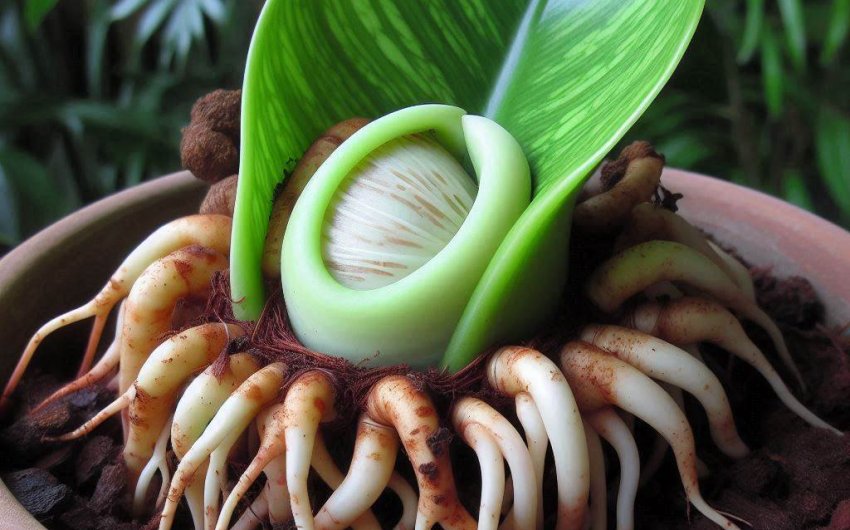
The lush foliage and often stunning variegation of Philodendron plants make them a favorite among houseplant enthusiasts. From the classic heartleaf to the more exotic 'Pink Princess,' these climbers and crawlers bring a touch of the tropics into any home. What's even more appealing is their willingness to share their beauty; propagating Philodendron is surprisingly straightforward, allowing you to multiply your collection, fill out a sparse plant, or share with friends. While many people propagate using longer stem cuttings, understanding how to grow a new plant from just a single node is a highly efficient technique, especially useful for rare or slow-growing varieties where every piece counts. This guide will walk you through the precise steps for successful Philodendron single-node propagation, transforming a small segment into a thriving new plant.
What is a "Single Node" Cutting and Why Use It?
Understanding what a single node cutting is and why it's a great way to make more Philodendron plants is the first step in successful propagation. It's a very efficient way to multiply your favorite plant.
What is a "Node"?
First, let's talk about the node. If you look closely at the stem of your Philodendron, you'll see bumps or rings where leaves emerge. These bumps are called nodes.
- What's on a Node? A node is a very special part of the plant because it contains:
- An Axillary Bud (or "Eye"): This is a tiny, often dormant (sleeping) bud located where the leaf stem meets the main stem. This bud is what will eventually sprout into a new shoot (stem and leaves) for your new plant.
- Aerial Roots (or "Root Primordia"): Many Philodendrons, especially vining types, will have small, bumpy nubs or even fully formed aerial roots growing from the node. These are roots that the plant uses to cling to surfaces in nature, but in propagation, they are the starting point for your new plant's underground root system.
So, a node is essentially a mini growth factory packed with everything needed to start a new plant.
What is a "Single Node" Cutting?
A single node cutting is exactly what it sounds like: a small piece of a Philodendron stem that contains just one node. It usually includes the node, the leaf attached to that node (or where a leaf used to be), and a small section of stem above and below the node.
Why Use a Single Node Cutting for Philodendron Propagation?
There are several great reasons why using single node cuttings is a popular and effective method:
- Maximizes Your Plant Material: This is the biggest advantage. If you have a long vine, you can cut it into many single-node pieces, rather than just a few longer cuttings. This means you get more new plants from a single parent plant, which is especially useful for rare Philodendron varieties or if you want to grow many plants quickly.
- Less Risk of Rot (Sometimes): With less stem material, there's less surface area that can potentially rot. However, careful preparation is still crucial.
- Space-Saving: Single nodes are tiny! They take up very little space in your propagation setup, whether you're rooting them in water, moss, or perlite.
- Faster Rooting (Often): Because the cutting is focused on developing one growth point, it can sometimes root faster than larger cuttings that have multiple nodes or leaves.
- Rejuvenating Leggy Plants: If your Philodendron has become very leggy (long stems with sparse leaves), you can chop it up into single nodes to create a fuller, bushier plant.
While a single node cutting gives you the most new plants per length of stem, it can also be a bit more challenging than a larger cutting because it has less stored energy. However, with the right technique, it's highly successful and a super satisfying way to grow your Philodendron collection.
What Tools Do I Need for Single Node Propagation?
Having the right tools makes the propagation process smoother, cleaner, and more successful. When working with single node cuttings, precision and cleanliness are key.
1. Sharp Cutting Tool
This is the most important tool. A clean, sharp cut is crucial for healthy healing and successful rooting.
- Sterile Razor Blade: A brand new, sterile razor blade (Disposable razor blades) is often preferred for single node cuttings because it allows for very precise, clean cuts between nodes. This minimizes damage to the plant tissue.
- Sharp Scissors or Pruners: If you don't have a razor blade, very sharp, clean pruning snips or scissors (Fiskars pruning snips) can work, especially for thinner stems. Make sure they are specifically for plants and kept razor-sharp.
- Sterilization: Before and after each use (and between plants, if you're propagating different types), sterilize your cutting tool. Wipe the blade thoroughly with rubbing alcohol (isopropyl alcohol) or pass it through a flame until hot (then let it cool). This prevents the spread of diseases from plant to plant.
2. Propagation Medium
You need something for your Philodendron node to root in. There are several popular options.
- Water: Simple and easy to monitor root growth. You'll need small clear glass jars or bottles.
- Sphagnum Moss: Excellent for retaining moisture and providing aeration. You'll need long-fiber sphagnum moss (Besgrow Spagmoss) and a container to hold it, like a plastic take-out container or a clear plastic cloche.
- Perlite: Provides excellent aeration and drainage, good for preventing rot. You'll need perlite (Miracle-Gro perlite) and a container.
- Vermiculite: Similar to perlite, also good for aeration and moisture retention.
- A mix of the above: Some people combine perlite and sphagnum moss for a custom mix.
3. Humidity Dome or Plastic Cover
- Why: Philodendron cuttings need high humidity to thrive, especially when they don't have roots to take up water. A humidity dome or plastic cover helps create a mini-greenhouse effect.
- Options: You can use a dedicated humidity dome for seed trays, a clear plastic bag (like a large ziploc or bread bag), or even half of a plastic soda bottle.
4. Heat Mat (Optional, but Recommended)
- Why: Warmth greatly speeds up rooting for most tropical plants.
- Tool: A seedling heat mat (Hydrofarm seedling heat mat) placed under your propagation container will provide consistent bottom heat. This is especially useful in cooler homes or during winter months.
5. Rooting Hormone (Optional, but Can Help)
- Why: Rooting hormone contains auxins, plant hormones that encourage root development. While Philodendrons root easily without it, it can speed up the process and increase success rates, especially for more stubborn cuttings or if you're trying to achieve maximum success with limited material.
- Tool: Powder or gel rooting hormone (Garden Safe TakeRoot Rooting Hormone).
- Application: Dip the cut end of the node into the hormone before placing it in your chosen medium.
6. Labels (Optional, but Helpful)
- Why: If you're propagating multiple types of Philodendron or different batches, labels help you keep track of what's what and when you started them.
- Tool: Small plant labels or popsicle sticks and a permanent marker.
With these tools ready, you'll be well-equipped to give your Philodendron single node cuttings the best possible start to their new life.
How Do I Take a Single Node Cutting from My Philodendron?
Taking a single node cutting correctly from your Philodendron plant is the most important step in successful propagation. A clean, healthy cut in the right spot is crucial for encouraging new growth.
1. Choose a Healthy Parent Plant
- Vibrant and Pest-Free: Always select a parent Philodendron that is healthy, vibrant, and free of any pests or diseases. A stressed or unhealthy parent plant will give you weak cuttings that are less likely to root.
- Mature Stem: Look for a mature stem. Young, very thin, or freshly grown stems might not have enough stored energy to support rooting.
2. Identify the Nodes
- Look for Bumps: Carefully examine the stem of your Philodendron. You'll see distinct bumps or rings where leaves emerge from the stem. These are your nodes.
- Axillary Bud: Just above each node, where the leaf stem (petiole) meets the main stem, you'll see a tiny, often dormant, bump. This is the axillary bud (also called a growth point or "eye"). This bud is where your new plant's stem and leaves will sprout from.
- Aerial Roots: Many Philodendrons will also have small, brownish nubs or even small, visible aerial roots growing directly from the node. These are future root sites and a great indicator of a viable node.
3. Sterilize Your Cutting Tool
- Crucial Step: Before making any cuts, thoroughly sterilize your chosen cutting tool (razor blade, sharp scissors, or pruning snips). Wipe the blade with rubbing alcohol (at least 70% isopropyl alcohol) or pass it through a flame until hot (let it cool completely before using). This prevents diseases from entering your plant or spreading between plants.
4. Make Your Cuts
The goal is to isolate a single node with a bit of stem on either side.
- Cut 1 (Below the Node): Make a clean cut on the stem about 0.5 to 1 inch (1.2 to 2.5 cm) below the node you've chosen. This bottom piece of stem is where the main root development will occur.
- Cut 2 (Above the Node): Make another clean cut about 0.5 to 1 inch (1.2 to 2.5 cm) above the same node. This top piece of stem will support the node and eventually house the emerging new shoot.
- Ensure the Node is Centered: You should now have a segment of stem with one node roughly in the middle, a leaf attached to that node, and possibly some aerial roots.
- If Removing a Leaf: If the leaf on your chosen node is very large or damaged, you can carefully remove it or trim it back by half. This helps reduce water loss from the cutting. Make sure not to damage the axillary bud when doing this.
5. Allow to Callus (Optional but Recommended for Some Methods)
- What is Callusing? Callusing is the process where a protective layer of tissue forms over the cut end of the stem. This helps prevent rot when the cutting is placed in a moist environment.
- When to Do It: While not strictly necessary for water propagation, it's highly recommended if you plan to root your Philodendron node in sphagnum moss or another solid medium.
- How to Do It: Lay your freshly cut single nodes on a clean, dry surface (like a paper towel) in a warm, airy spot out of direct sunlight for 2-24 hours. You'll see the cut ends dry and form a slight "scab."
By carefully following these steps, you'll have perfectly prepared single node cuttings, ready for their next step in becoming new, thriving Philodendron plants.
What's the Best Medium for Rooting Single Node Cuttings?
Choosing the right propagation medium for your Philodendron single node cuttings can significantly impact your success. Each medium offers different benefits, and the "best" one often depends on your comfort level and environmental conditions.
1. Water Propagation (Easiest to Observe)
This is probably the most popular method, especially for beginners, because it's so easy to see the roots forming.
- How To Do It:
- Take your single node cutting (no need to callus if using water).
- Place the cutting in a small glass jar or bottle, ensuring the node (and any aerial roots) is submerged in water, but the leaf (if still attached) is above the waterline.
- Change the water every 2-3 days to keep it fresh and prevent bacterial buildup.
- Pros:
- Easy to Monitor: You can clearly see the roots developing, which is very satisfying.
- Low Risk of Rot (if water is changed): As long as you keep the water fresh, the risk of rot is relatively low compared to overly wet soil.
- Simple Setup: Requires minimal materials.
- Cons:
- "Water Roots" vs. "Soil Roots": Roots grown in water can be weaker and less adapted to soil. The transition to soil can be a bit of a shock, sometimes leading to temporary wilting after potting.
- Slower Growth: Sometimes new shoots and leaves can be slower to develop compared to moss or perlite setups.
- Recommended: A popular choice for common Philodendrons.
2. Sphagnum Moss (Excellent for Rooting and New Growth)
Sphagnum moss is a fantastic choice, especially for harder-to-root or rare Philodendron varieties. It provides excellent aeration while retaining moisture.
- How To Do It:
- Rehydrate long-fiber sphagnum moss by soaking it in water, then squeeze out most of the excess water so it's damp but not dripping wet.
- Place a layer of damp moss in a clear container (like a plastic takeout container or a small clear cloche).
- Lay your single node cutting on top of the moss, or gently nestle the node into the moss, ensuring good contact. The node and any aerial roots should be covered by moss.
- Cover the container with a clear lid or plastic wrap to create a high-humidity environment.
- Pros:
- Excellent Moisture Retention and Aeration: Moss holds moisture well but also provides air pockets, reducing the risk of rot.
- Stronger Roots: Roots grown in moss are often thicker and adapt to soil more easily.
- Encourages New Growth: Many growers find that moss also encourages the axillary bud to sprout faster.
- Cons:
- Can Dry Out Quickly: Needs consistent monitoring to ensure the moss stays damp.
- Can Be Messy: Potting from moss can be a bit more fiddly than from water.
- Can Be More Expensive: Quality sphagnum moss can be pricier than other mediums.
- Recommended: Highly recommended for all Philodendrons, especially if you want robust root and shoot development.
3. Perlite (Great for Preventing Rot)
Perlite is a lightweight, volcanic glass that provides excellent aeration and drainage. It's especially good if you tend to overwater or are worried about rot.
- How To Do It:
- Moisten the perlite thoroughly.
- Place a layer of damp perlite in a clear container.
- Bury the single node cutting in the perlite so the node and aerial roots are covered.
- Cover the container to create humidity.
- Pros:
- Excellent Aeration: Almost impossible to overwater or cause rot due to its airy structure.
- Clean: Very clean to work with.
- Cons:
- Doesn't Hold Moisture Well: Dries out faster than moss, requiring more frequent checks.
- No Nutrients: Provides no nutrients (though this is true for most propagation mediums).
- Recommended: A good choice for cuttings prone to rot or if you're in a very humid environment already.
Key Tips for All Mediums:
- Warmth: Use a heat mat underneath your propagation setup. Warmth (70-80°F / 21-27°C) significantly speeds up rooting.
- Humidity: Always provide high humidity, whether with a dome, plastic bag, or enclosed container.
- Bright, Indirect Light: Place your cuttings in a spot with bright, indirect light. Avoid direct sun, which can scorch them or overheat the setup.
- Patience: Philodendron single node propagation takes time. Roots can appear in a few weeks, but new growth might take longer (sometimes months!). Don't give up!
By choosing the right medium and providing the ideal conditions, you'll maximize your chances of turning that single node into a thriving Philodendron plant.
How Do I Create the Ideal Environment for Rooting Philodendron Nodes?
Creating the perfect little "nursery" for your Philodendron single node cuttings is vital for successful rooting and new plant growth. It's all about mimicking the warm, humid conditions that these tropical plants love.
1. Warmth: The Accelerant for Rooting
- Ideal Temperature: Philodendron nodes root much faster in consistently warm temperatures, ideally between 70°F and 85°F (21°C and 29°C). Cooler temperatures will drastically slow down the process, or even prevent rooting altogether.
- Heat Mat: The most reliable way to provide this consistent warmth is by placing your propagation container on a seedling heat mat (VIVOSUN heat mat). These mats provide gentle, even warmth from below, which is exactly what roots crave.
- Warmest Room: If you don't have a heat mat, find the warmest spot in your house. This could be on top of a refrigerator (though vibrations can be an issue), near a warm appliance (but not directly on a vent), or in a consistently warm room. However, without a heat mat, results may be slower and less consistent.
2. Humidity: Preventing Desiccation
- Why it's Crucial: Your single node cutting doesn't have roots yet to take up water. High humidity in the air reduces the amount of moisture the cutting loses through its existing leaf (if any) or stem. This prevents it from drying out (desiccating) before roots can form.
- How to Create Humidity:
- Humidity Dome/Lid: Place a clear plastic dome or lid over your propagation container (whether it's a seed tray, plastic takeout container, or clear cloche). This traps moisture and creates a mini-greenhouse effect.
- Plastic Bag: If using an open container, you can place the entire pot and cutting inside a clear plastic bag (like a large Ziploc or bread bag) and seal it, or loosely tie it shut.
- Terrarium/Enclosed Cabinet: For multiple cuttings or a more permanent setup, a small terrarium or an enclosed cabinet (like an IKEA greenhouse cabinet) can provide excellent high-humidity conditions.
- Ventilation (Important Subtlety): While you want high humidity, it's a good idea to open the dome or bag for a few minutes once a day or every few days. This provides some fresh air exchange and helps prevent stagnant, overly humid conditions that can encourage mold or fungal growth.
3. Light: Bright and Indirect
- No Direct Sun: Your Philodendron cuttings need bright, indirect light. Avoid direct sunlight, especially strong afternoon sun. Direct sun can cook the cuttings inside their humid environment or scorch any leaves.
- Optimal Placement: A few feet away from a bright, south- or west-facing window, or near an east-facing window, is often ideal.
- Grow Lights (Optional): If you don't have enough natural bright, indirect light, a grow light can be very beneficial. A simple LED grow light strip placed a foot or so above the cuttings can provide consistent light for 12-14 hours a day.
4. Air Circulation (Once Roots Form)
- Once your cuttings start to develop visible roots and especially once a new shoot begins to emerge, it's good to gradually introduce them to more air circulation.
- Gradual Acclimation: Start by propping the lid open for a few hours a day, or poking a few more holes in the plastic bag. Over several days to a week, you can increase the ventilation until the cutting is fully exposed to your home's ambient humidity. This helps them harden off before potting.
By diligently providing these conditions – consistent warmth, high humidity, and bright, indirect light – you'll create the perfect environment for your Philodendron single node cuttings to successfully root and sprout into vibrant new plants.
When Are My Philodendron Cuttings Ready for Potting?
Knowing when your Philodendron single node cuttings are ready to leave their propagation medium and move into a pot with soil is a crucial step for their long-term health. Moving them too soon can lead to failure, while waiting too long can also create problems.
What to Look For: Two Key Indicators
Your cuttings will give you clear signs when they're ready to be potted. You need to see both of these things happening:
Strong Root Development:
- Visible Roots: You should see a good network of healthy, white roots. They should be at least 1 to 2 inches (2.5 to 5 cm) long, and ideally have some secondary roots branching off.
- Not Just Tiny Nubs: Don't pot if you only see tiny nubs or the very first appearance of roots. They need to be established enough to support the plant in soil.
- Root Color: Healthy roots are typically white or light colored. If they are brown and mushy, that's rot, and the cutting is likely failing.
- Why It Matters: Roots are what allow the plant to absorb water and nutrients from the soil. Without a strong root system, the cutting won't be able to survive the transition.
New Growth (Emerging Shoot):
- Visible Shoot: This is a very strong indicator of success. You should see a new green shoot (a tiny stem with developing leaves) emerging from the axillary bud on your node. It might be just a tiny bump at first, but ideally, you want it to be a bit more developed, maybe 0.5 to 1 inch tall.
- Why It Matters: The emergence of a new shoot means the plant has successfully diverted energy from root production to top growth, indicating it's a viable plant with active growth points.
Why Wait for Both?
- Roots without Shoot: If you only have roots but no new shoot, the plant might still be putting all its energy into root development. While it could be potted, waiting for a shoot ensures the plant has successfully "activated" its growth point.
- Shoot without Sufficient Roots: This is a big problem. If a new shoot emerges but there aren't enough roots to support it, the shoot will quickly wilt and die after potting because it can't get enough water.
What if the Node Only Has a Leaf?
Some single node cuttings might only have a single leaf attached. These can still be successfully propagated, but patience is even more important.
- Focus on Roots First: For a leafy node, focus on getting really good root development (2+ inches).
- Shoot Will Emerge Later: The new shoot will typically emerge from the axillary bud at the base of that leaf after roots are established.
Acclimation Before Potting (Optional but Recommended)
If your cuttings have been in a high-humidity environment (like a sealed container or humidity dome), it's a good idea to gradually introduce them to the normal humidity of your home before potting.
- Process: Over 2-3 days, slowly increase the air circulation around the cuttings. Start by propping the lid open for a few hours, then extend the time, until they are fully exposed to ambient air. This helps prevent "transplant shock" when you pot them up.
Once you see healthy roots and the promising sign of new growth, your Philodendron single node cuttings are ready for their next big step into a proper pot, signaling the successful creation of a new plant!
What Kind of Soil and Pot Should I Use for My New Philodendron Plant?
Transitioning your newly rooted Philodendron single node cutting into its first pot is a crucial step. The right soil mix and container will provide the perfect environment for your new plant to grow strong and healthy.
Choosing the Right Potting Mix
Philodendrons thrive in a well-draining, airy, and slightly moisture-retentive potting mix. They don't like heavy, dense soils that stay soggy.
- Aeration is Key: Roots need oxygen! A good mix will have chunky components that create air pockets.
- Moisture Retention: While well-draining, the mix still needs to hold enough moisture to keep the roots hydrated.
- Nutrient Content (Moderate): A quality potting mix will have some nutrients, but you'll start fertilizing lightly once the plant is established.
- Recommended Mixes:
- Aroid Mix: Many specialty plant stores sell "Aroid mixes" (Philodendrons are Aroids). These are often perfect.
- DIY Mix (Recommended): You can easily create a great mix:
- 1 part high-quality indoor potting mix: This provides a base and some moisture retention.
- 1 part perlite: (Miracle-Gro perlite) The white, airy bits that prevent compaction and improve drainage.
- 1 part orchid bark or coco coir chunks: (Orchid bark) These chunky components provide excellent aeration and mimic the kind of organic matter Philodendrons would grow on in their natural habitat.
- Avoid: Heavy garden soil, pure peat moss (too dense when wet), or mixes designed for succulents (too fast draining).
Choosing the Right Pot
The container you choose plays a big role in how well your Philodendron establishes itself.
- Drainage Holes are Non-Negotiable: This is the most important feature. Your pot must have drainage holes at the bottom. Without them, water will accumulate, leading to stagnant conditions and fatal root rot.
- Size:
- Start Small: For a single node cutting, you want to start with a relatively small pot. A 3-4 inch (7-10 cm) diameter pot is usually ideal for its first home. Too large a pot means too much soil, which holds excess moisture and increases the risk of overwatering and rot for a tiny root system.
- Gradual Upsizing: As your Philodendron grows, you'll pot up (move to a slightly larger pot) gradually. Only go up one pot size at a time when the plant becomes root-bound (roots are circling the bottom or coming out the drainage holes).
- Material:
- Plastic Pots: Very common and effective. They retain moisture longer, which can be good if you tend to forget to water, but requires careful monitoring to prevent overwatering. They are lightweight and inexpensive. Many nursery pots are plastic.
- Terracotta Pots: These are porous, meaning they allow air and moisture to pass through their walls. This helps the soil dry out faster and provides excellent aeration. If you tend to overwater, terracotta can be a good choice. However, you'll likely need to water more frequently. A nice terra cotta pot with drainage can also be decorative.
- Glazed Ceramic Pots: These retain moisture similar to plastic pots because the glaze makes them non-porous. They are often very decorative. If using a decorative glazed pot without drainage, place a plastic nursery pot with drainage inside it, and remove the inner pot for watering.
- Cleanliness: Always use a clean pot. If reusing old pots, wash them thoroughly with soap and water, and rinse with a dilute bleach solution (1 part bleach to 9 parts water) to sterilize, followed by a good rinse with plain water.
By choosing a chunky, well-draining potting mix and a correctly sized pot with good drainage, you'll give your newly rooted Philodendron single node cutting the best possible start to grow into a beautiful, mature plant.
How Do I Care for My Newly Potted Philodendron Plant?
Once your Philodendron single node cutting has rooted and been potted into soil, it's a delicate new plant that needs specific care to thrive. The goal is to continue its strong growth while it adapts to its new environment.
1. Initial Watering and Placement
- First Water: Immediately after potting, water the plant thoroughly until water drains from the bottom. This helps settle the soil around the roots.
- Initial Recovery: Place the newly potted plant in a spot with bright, indirect light (the same conditions it was rooting in). Avoid direct sunlight for the first week or two, as this can be too intense for newly transferred roots.
- Humidity: If your home's humidity is low, consider keeping the newly potted plant in a slightly more humid spot for the first week or two (e.g., on a pebble tray or under a loose plastic bag for part of the day). This helps ease the transition from a highly humid propagation environment.
2. Watering Routine
This is still the most critical part of care.
- Consistency is Key: Philodendrons like consistently moist soil, but they absolutely hate soggy conditions.
- The "Finger Test": Water when the top 1-2 inches of soil feels dry to the touch. Stick your finger into the soil up to your second knuckle.
- Water Thoroughly: When you water, do so slowly and deeply until water drains from the bottom of the pot.
- Empty Saucer: Always empty any excess water from the saucer immediately. Never let your new Philodendron sit in standing water.
- Adjust to Environment: Your watering frequency will depend on the light, temperature, humidity, and the size of the pot. Check every few days at first until you get a feel for how quickly it dries out.
3. Light Requirements
- Bright, Indirect Light: Continue to provide bright, indirect light. This means a spot near a sunny window (south or west-facing, but a few feet back from the glass) or an east-facing window.
- No Direct Sun (Still): Young plants are more sensitive. Direct, harsh afternoon sun can scorch the delicate new leaves and stress the plant.
- Grow Lights (If Needed): If natural light is insufficient, a GE Grow Light can provide the necessary intensity for 10-12 hours a day.
4. Temperature and Humidity
- Warmth: Maintain stable, warm temperatures, ideally between 65-80°F (18-27°C). Avoid sudden drops in temperature or cold drafts.
- Humidity: While not as critical as during the rooting phase, Philodendrons appreciate higher humidity.
- Use a pebble tray beneath the pot.
- Group it with other plants.
- Consider a room humidifier in dry environments.
- Occasional misting can provide a temporary boost.
5. Fertilizing (Be Patient!)
- Wait to Fertilize: Do NOT fertilize your newly potted Philodendron right away. The fresh potting mix will contain enough nutrients for the first few weeks or even a month.
- When to Start: Wait until you see clear signs of new growth (new leaves unfurling).
- Type and Dilution: When you do start, use a balanced liquid houseplant fertilizer (Dyna-Gro Grow fertilizer) at half or quarter strength of the recommended dose.
- Frequency: Fertilize once every 2-4 weeks during the active growing season (spring and summer). Reduce or stop in fall and winter.
6. Supporting Growth (If Vining)
- As your new Philodendron grows, especially if it's a vining variety, consider adding a small moss pole or trellis (Plant support moss pole) for it to climb. This mimics its natural habitat and often encourages larger leaves and healthier growth.
By consistently providing the right care after potting, you'll encourage your tiny Philodendron plant to mature into a beautiful and thriving specimen, a testament to your successful single node propagation.