
How to Identify and Remove Mealybugs from Plants?
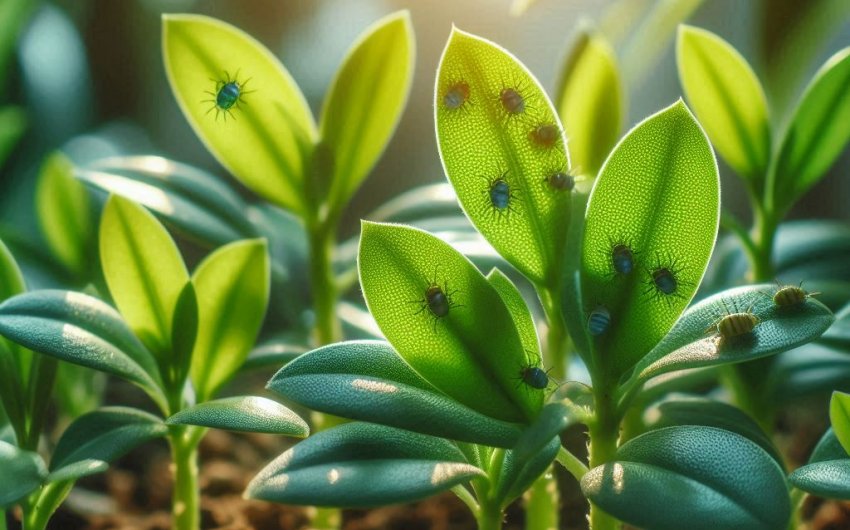
Finding tiny white, fuzzy spots on your favorite houseplant can be a bit alarming. These aren't just dust bunnies; they could be a common pest known as mealybugs. These little critters can cause a lot of damage if not taken care of quickly. They love to hide in plant crevices, slowly sucking the life out of your green friends. Knowing what to look for is the first step in protecting your plants.
Spotting these pests early on is key. They often blend in with the plant, making them hard to see at first glance. Once you know the signs, however, you'll be able to identify them much more easily. Don't worry, even if you find them, there are many ways to get rid of them and bring your plants back to health.
What Do Mealybugs Look Like and Where Do They Hide?
Mealybugs are small, soft-bodied insects. They are usually white or grayish-white. They have a powdery or waxy coating that makes them look fuzzy. This coating helps protect them from pesticides and predators. They are oval-shaped and can be as tiny as a pinhead or up to about (\frac{1}{4}) inch long. You might also see their eggs, which are usually laid in cottony masses. These egg sacs can be quite noticeable on stems and under leaves.
Where do they like to hide? They prefer warm, moist places. You'll often find them in protected areas on your plants. Look closely in the axils of leaves, where the leaf stem meets the main stem. They also love to cling to the undersides of leaves. Check along the veins of leaves and in any crevices or cracks on the plant stem. On some plants, they might even hide in the soil, especially near the base of the stem or on roots. If your plant has many leaves or dense foliage, they can be particularly hard to spot until the infestation is advanced. They are quite sneaky!
What Are the Signs and Symptoms of a Mealybug Infestation?
Recognizing the signs of a mealybug infestation is super important for saving your plants. The most obvious sign is the presence of the mealybugs themselves. As mentioned, look for those small, white, cottony masses or fuzzy spots on your plant. These are usually the female mealybugs or their egg sacs.
Another major sign is honeydew. Mealybugs, like aphids, excrete a sticky, sweet substance called honeydew. This liquid will make your plant leaves feel sticky to the touch. You might even see shiny, glistening spots on the leaves. Honeydew is also a breeding ground for a black fungus called sooty mold. Sooty mold looks like a dark, dusty film on the leaves. It doesn't directly harm the plant by infecting it, but it blocks sunlight from reaching the leaves, which can reduce the plant's ability to photosynthesize and grow.
Your plant's health will also start to decline. You might notice yellowing leaves, especially newer growth. Leaves might also wilt or become distorted. In severe infestations, the plant's growth will be stunted. Flowers and buds might drop prematurely, or they might not open at all. You might even see leaf drop. If the infestation is very bad, whole branches or even the entire plant can die. Sometimes, if the mealybugs are feeding on the roots, the plant might show general signs of stress without clear visible mealybugs on the top part of the plant. This is why it’s always good to check the roots if you suspect something is wrong and can't find pests elsewhere.
Why Do Mealybugs Infest Plants and How Do They Spread?
Mealybugs are attracted to plants for their sap. They are sap-sucking insects, meaning they use their mouthparts to pierce the plant tissue and feed on the plant's fluids. This is how they cause damage and weaken the plant. They are not very picky eaters and can infest a wide variety of plants, from common houseplants like ferns and succulents to outdoor trees and shrubs. They particularly love plants that are a bit stressed or overwatered, as these can be easier targets.
How do these pests spread? One of the most common ways is by bringing a new, infested plant into your home. This is why it's always a good idea to quarantine new plants for a few weeks before placing them near your other green friends. During quarantine, you can inspect the new plant daily for any signs of pests.
Mealybugs can also spread through infested tools or pots. If you use a pot that previously held an infested plant without cleaning it properly, mealybugs or their eggs can remain and infest your new plant. The same goes for pruning shears or other gardening tools. Always clean your tools after using them on an infested plant.
They can also move from one plant to another if plants are touching. If your plants are very close together, mealybugs can easily crawl from an infested plant to a healthy one. Sometimes, they can even be carried by air currents or by other insects, though this is less common indoors. If you have pets, they could accidentally brush against an infested plant and carry a mealybug to another plant. It’s all about contact.
What Are the Best Organic and Natural Remedies for Mealybugs?
When you find mealybugs on your plants, there are many safe and natural ways to get rid of them without using harsh chemicals. These methods are usually very effective, especially if you catch the infestation early.
Manual Removal and Isolation
The first step is always to isolate the infested plant. Move it away from your other plants immediately to prevent the mealybugs from spreading. Once isolated, you can start with manual removal. For light infestations, you can simply pick off the mealybugs by hand. A pair of tweezers can be helpful for this. You can also use a strong stream of water to dislodge them. Be careful not to damage the plant, especially if it has delicate leaves. You can take your plant outside or put it in a shower for this.
Another effective manual method is using rubbing alcohol. Dip a cotton swab or cotton ball in 70% isopropyl rubbing alcohol. Gently wipe down the leaves, stems, and any areas where you see mealybugs. The alcohol dissolves their waxy coating, suffocating them. It also helps to remove the sticky honeydew. Do a small test patch first on a hidden leaf to make sure the alcohol doesn't harm your specific plant. Wait 24 hours to check for any negative reactions. You can purchase rubbing alcohol at most drugstores or online.
Neem Oil Spray
Neem oil is a very popular and effective organic pesticide. It works by disrupting the mealybugs' feeding and growth cycles. It also acts as a repellent. To use neem oil, mix pure cold-pressed neem oil with water and a tiny bit of liquid soap. The soap helps the oil mix with the water. A common ratio is 1 teaspoon of neem oil and (\frac{1}{2}) teaspoon of liquid dish soap per quart of water. Mix well and spray your entire plant, making sure to get the undersides of leaves and all crevices. Apply the spray every 7-10 days until the mealybugs are gone. You can find neem oil from many garden supply stores. Always follow the instructions on the product label.
Insecticidal Soap Spray
Insecticidal soap is another excellent natural option. It works by breaking down the mealybugs' outer protective layer, causing them to dehydrate. You can buy pre-made insecticidal soap or make your own. To make your own, mix 1-2 tablespoons of mild liquid dish soap (make sure it doesn't contain degreasers or bleach) with a gallon of water. Spray the entire plant thoroughly, just like with neem oil. Reapply every 5-7 days until the infestation is gone. Insecticidal soap is safe for most plants, but again, always test on a small area first.
Horticultural Oil Spray
Similar to neem oil, horticultural oil (sometimes called dormant oil) is a refined petroleum product or plant-based oil that suffocates pests by coating them. It's often used for outdoor plants, but some types are safe for houseplants. Mix according to the product directions and spray thoroughly. Horticultural oil is effective, but always choose one suitable for houseplants and use it carefully to avoid phytotoxicity (plant damage) in sensitive plants.
What Are Chemical Control Options for Severe Mealybug Infestations?
For very severe mealybug infestations where natural methods aren't enough, you might need to consider chemical pesticides. However, always use these as a last resort and follow all safety instructions carefully. Remember, chemical pesticides can harm beneficial insects and can be toxic to pets and humans if not used properly.
Systemic Insecticides
Systemic insecticides are absorbed by the plant and move throughout its tissues. When mealybugs feed on the plant, they ingest the insecticide and are killed. These can be applied as a soil drench or as granules sprinkled around the base of the plant. A popular active ingredient in some systemic insecticides for home use is imidacloprid. Always read the label carefully to ensure the product is safe for your specific plant and for indoor use. Brands like Bonide Systemic Houseplant Insect Control are options for this type of treatment.
Contact Insecticides
Contact insecticides kill mealybugs when the spray directly hits them. These usually contain ingredients like pyrethrin or permethrin. These are often fast-acting but require direct contact with the pests. They typically don't offer long-term protection, as new mealybugs or eggs that hatch later won't be affected unless directly sprayed. Examples include pyrethrin spray. Always ensure good ventilation when using these products indoors.
Insecticide Soaps with Chemical Additives
Some commercial insecticidal soaps might contain additional chemical ingredients to enhance their effectiveness. Always check the label to see what active ingredients are present. These often work in a similar way to basic insecticidal soaps but may have a broader range of pest control or a stronger knock-down effect.
Important Considerations for Chemical Use:
- Read the Label: This is the most crucial step. Always read and follow the instructions, warnings, and safety precautions on the product label. This includes dosage, application frequency, and protective gear.
- Ventilation: Use chemical pesticides in a well-ventilated area, preferably outdoors if possible.
- Protection: Wear gloves, eye protection, and long sleeves when handling and applying chemical pesticides.
- Targeted Application: Try to apply pesticides only to the affected areas to minimize exposure to beneficial insects and the environment.
- Reapplication: Most chemical treatments require reapplication to catch newly hatched mealybugs. Follow the label's recommended schedule.
- Pet and Child Safety: Keep pets and children away from treated plants until the product has dried or as specified on the label.
How Can You Prevent Mealybugs from Returning?
Prevention is always better than cure, especially with mealybugs. Once you've gotten rid of an infestation, you'll want to take steps to make sure they don't come back.
Inspect New Plants Thoroughly
This is perhaps the most important preventive measure. Before bringing any new plant into your home, inspect it thoroughly for any signs of pests, especially mealybugs. Look under leaves, in leaf axils, and even gently check the top layer of soil. If you spot anything suspicious, do not buy the plant. If you already have it, isolate it immediately. A good rule of thumb is to quarantine all new plants for at least 2-4 weeks. Keep them away from your other plants during this time and check them daily. This gives any hidden pests time to show themselves.
Maintain Plant Health
Healthy plants are more resistant to pests. Stressed plants are often the first targets for mealybugs.
- Proper Watering: Avoid overwatering or underwatering your plants. Mealybugs can be attracted to consistently wet soil. Make sure your pots have good drainage.
- Adequate Light: Ensure your plants are getting the right amount of light for their species. Weak, leggy growth from low light can make plants more vulnerable.
- Appropriate Humidity: Some plants prefer higher humidity, and maintaining this can reduce stress.
- Fertilization: Fertilize your plants regularly but don't over-fertilize. Too much nitrogen, for instance, can lead to lush, soft growth that mealybugs find very appealing. Use a balanced plant fertilizer according to the product's instructions.
- Good Air Circulation: Good airflow around your plants can help prevent many problems, including fungal issues and pest infestations. Don't crowd your plants too closely together.
Regular Plant Inspection
Make it a habit to inspect your plants regularly, even when they look healthy. A quick check once a week or every few days can help you catch a small infestation before it becomes a big problem. Pay special attention to the usual hiding spots: undersides of leaves, leaf axils, and stem crevices. The earlier you spot mealybugs, the easier they are to get rid of.
Cleanliness and Sanitation
Keep your growing area clean.
- Remove Plant Debris: Promptly remove any fallen leaves or spent flowers from pots and around plants. These can provide hiding places for pests.
- Clean Tools and Pots: If you reuse pots, clean them thoroughly with a dilute bleach solution or hot soapy water to kill any lingering pests or eggs. Clean your pruning shears and other gardening tools after each use, especially if you've been working with an infested plant.
- Wipe Down Leaves: Regularly wiping down the leaves of your plants with a damp cloth can help remove dust and also dislodge any tiny, newly hatched mealybugs. This is also a great way to monitor your plants up close.
Consider Beneficial Insects (for larger spaces)
For greenhouses or very large plant collections, you might consider introducing beneficial insects. Lacewings, ladybugs (specifically the mealybug destroyer, Cryptolaemus montrouzieri), and parasitic wasps are natural predators of mealybugs. These are usually not practical for a few houseplants indoors but can be a very effective long-term solution in larger, controlled environments. You can often buy beneficial insects from specialized online suppliers.
By consistently applying these preventive measures, you can greatly reduce the chances of mealybugs making a comeback and keep your plants thriving.