
What Are the Best Indoor Plants for Small Spaces?
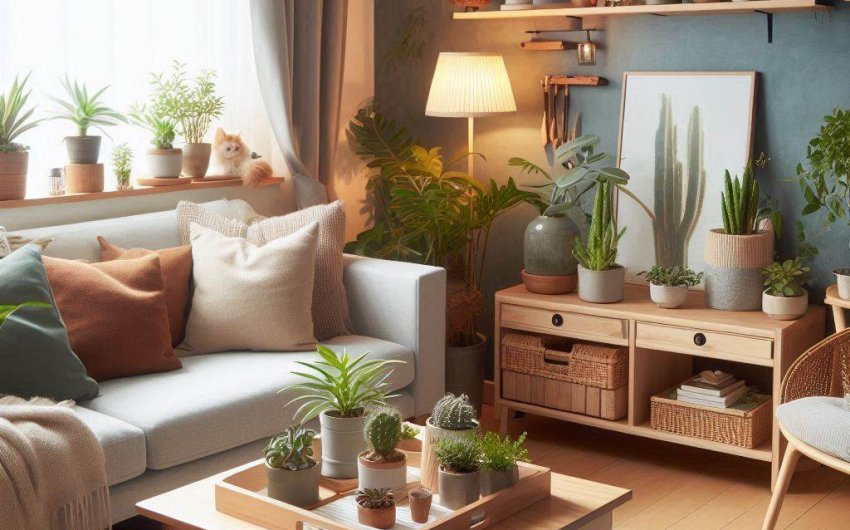
Even if you live in a tiny apartment, a cozy dorm room, or just have limited shelf space, there's no need to give up on your dream of having a lush indoor garden. Small spaces don't mean you have to skip out on the beauty and benefits of indoor plants. In fact, compact plants can add a surprising amount of life, color, and personality to tight corners, windowsills, and desks.
The key is choosing the right plants – varieties that naturally stay small, have an upright or trailing growth habit, and don't need a lot of elbow room to thrive. These little green gems can still purify the air, boost your mood, and make your small space feel more inviting and alive.
Let's explore some of the best indoor plants for small spaces, perfect for adding a touch of nature without taking over your valuable real estate.
Why Are Indoor Plants Great for Small Spaces?
Even with limited square footage, indoor plants offer numerous benefits that make them ideal additions to any small living area. They do more than just sit there looking pretty; they actively enhance your environment in surprising ways.
1. Boost Mood and Reduce Stress
Living in a small space can sometimes feel a bit confined. Introducing plants can have a powerful positive impact on your mental well-being.
- Connection to Nature: Plants bring a piece of the natural world indoors, which can be calming and help reduce feelings of being cooped up. Studies have shown that interacting with plants can lower stress levels and improve mood.
- Therapeutic Hobby: Caring for plants can be a meditative and rewarding hobby, providing a sense of accomplishment and a welcome break from daily stresses. Even in a tiny apartment, tending to a few small plants offers a pleasant routine.
2. Improve Air Quality
Many indoor plants are natural air purifiers, a significant benefit in enclosed spaces.
- Remove Toxins: Plants can absorb common airborne toxins (like Volatile Organic Compounds or VOCs) released from everyday household items such as furniture, cleaning products, paints, and carpets. The leaves take in these chemicals, and microorganisms in the soil can break them down.
- Increase Oxygen: While the effect is small, plants produce oxygen during photosynthesis, subtly contributing to fresher air.
- Boost Humidity: Especially in dry indoor environments (common with heating/AC), plants release moisture through transpiration, increasing humidity. This can be beneficial for respiratory health and dry skin, making the air feel more comfortable. This is particularly noticeable in small spaces where humidity changes are more impactful.
3. Enhance Aesthetics and Decor
Plants are living decor, adding unique beauty that other decor items can't replicate.
- Add Life and Color: A splash of green (or variegated leaves with patterns) can instantly brighten up a dull corner, windowsill, or shelf.
- Texture and Form: Plants introduce organic textures and shapes, softening harsh lines and making a space feel more inviting and "lived-in."
- Verticality: Many small space plants can be hung, placed on tall shelves, or have a tall, narrow growth habit, drawing the eye upwards and making the room feel larger. This maximizes vertical space without cluttering floor areas.
4. Create a Sense of Spaciousness
It might seem counterintuitive, but plants can make a small room feel bigger.
- Depth and Dimension: Plants add depth and layers to a space, making it feel less flat and boxy.
- Breaking Up Lines: Their organic shapes break up the rigid lines of furniture and walls, creating visual interest that prevents a space from feeling cramped.
- Focus Point: A well-placed plant can draw the eye and create a focal point, distracting from the small size of the room.
5. Low Maintenance Options Abound
Many of the best plants for small spaces are also incredibly easy to care for, perfect for busy individuals or beginners.
- Tolerant Varieties: Many compact plants are resilient and can handle a bit of neglect, requiring infrequent watering and tolerating less-than-ideal light conditions.
- Less Space, Less Fuss: Managing a few small plants is far less overwhelming than caring for a large collection or a sprawling garden.
In essence, indoor plants for small spaces are not just decorative; they are functional, mood-boosting, and air-improving allies that can transform any compact living area into a more vibrant and comfortable sanctuary.
What Characteristics Make a Plant "Good for Small Spaces"?
Not all indoor plants are suitable for compact living. When choosing plants for your limited space, it's helpful to look for specific characteristics that ensure they thrive without taking over your valuable real estate.
1. Compact Size / Slow Growth
This is the most obvious and critical factor.
- Naturally Small: Choose varieties that are inherently small and will remain small even when mature. Think about dwarf varieties or plants that don't typically grow larger than a foot or two in height and width.
- Slow Growing: Plants that grow slowly won't need frequent repotting or aggressive pruning to stay contained. This means less work for you and less risk of them outgrowing their spot quickly.
- Avoid Vigorous Growers: Steer clear of plants that are known for rapid, sprawling growth unless you're prepared for constant pruning.
2. Upright or Trailing Growth Habit
The way a plant grows greatly affects how it fits into a small space.
- Upright/Columnar: Plants that grow tall and narrow (like some varieties of Snake Plant) are perfect for tight corners or small gaps between furniture. They add height without demanding much horizontal space.
- Trailing/Cascading: Plants that spill over the sides of their pots are ideal for shelves, hanging planters, or even the top of a bookcase. They utilize vertical space beautifully without taking up counter or floor space. Think of Pothos or Spider Plants.
- Bushy/Sprawling (Avoid): Unless it's a very small bushy plant (like a small succulent rosette), wide, bushy plants can quickly overwhelm a small surface area.
3. Low Light Tolerance (Often a Bonus)
While all plants need some light, those that can tolerate lower light levels offer more placement flexibility in small homes where bright windows might be limited.
- Adaptable: Many of the best small-space plants are also known for their adaptability to different light conditions, from bright indirect light to lower light corners. This means you can place them almost anywhere.
- Window vs. Interior: If your prime window spots are already taken, a low-light tolerant plant can bring greenery to an interior shelf or desk.
4. Low Maintenance
In a small space, you likely want plants that are easy to care for and don't demand constant attention.
- Infrequent Watering: Plants that prefer to dry out between waterings are ideal, as they are more forgiving if you forget a watering or two. This also reduces the risk of overwatering (a common killer) and fungus gnats (which thrive in consistently wet soil).
- Pest Resistance: Look for plants that are generally less prone to common houseplant pests, as dealing with infestations in a small living area can be particularly bothersome.
- No Fussy Humidity Needs: Plants that don't require high humidity are easier to integrate into standard home environments without needing a dedicated humidifier or constant misting.
5. Non-Toxic (Especially if Pets/Kids Present)
While not directly related to space, if you have pets or small children in a confined area, choosing non-toxic plants is a very important safety consideration. Always check a plant's toxicity before bringing it home.
By focusing on these characteristics, you can confidently select indoor plants that will not only survive but truly thrive and enhance your small living space without making it feel cluttered.
What Are the Best Indoor Plants for Small Spaces?
Choosing the right indoor plants for small spaces means picking varieties that stay compact, have an ideal growth habit, and are generally easy to care for. Here's a curated list of top contenders that will flourish in limited areas.
1. Snake Plant (Sansevieria trifasciata)
Also known as Mother-in-Law's Tongue, this plant is the epitome of low-maintenance and fits perfectly into tight spots.
- Why it's Great for Small Spaces: Its leaves grow upright and tall, making it a natural fit for narrow corners, between furniture, or as an accent on a small table. They come in various sizes, from compact dwarf varieties to taller ones.
- Care Level: Extremely easy. Tolerates low light (though bright indirect light is best), infrequent watering (prefers to dry out completely), and thrives on neglect.
- Air Purifier: Excellent at removing toxins like formaldehyde and benzene.
- Bonus: Releases oxygen at night, making it ideal for bedrooms. You can find Snake Plant varieties in many garden stores.
2. ZZ Plant (Zamioculcas zamiifolia)
The ZZ plant is another incredibly resilient and architectural plant that doesn't demand much space.
- Why it's Great for Small Spaces: Its upright, slightly arching stems create a tidy, vertical form. It has a slow growth rate and doesn't get excessively wide.
- Care Level: Very easy. Tolerates very low light (though moderate light is best) and can go for weeks without water, thanks to its thick, water-storing rhizomes. Overwatering is its biggest enemy.
- Air Purifier: Also known to filter toxins from the air. A small ZZ plant is perfect for a desk.
3. Pothos (Epipremnum aureum)
A classic, versatile plant that's perfect for trailing elegantly from shelves or hanging baskets.
- Why it's Great for Small Spaces: Its vining habit means it doesn't take up much surface area. You can let its long vines cascade down, creating a lush green curtain, or train them upwards on a small trellis or wall.
- Care Level: Easy. Tolerates a wide range of light conditions (from low to bright indirect) and is forgiving if you forget to water occasionally.
- Air Purifier: Very effective at removing common indoor air pollutants like formaldehyde, benzene, and xylene. Various Pothos varieties offer different leaf colors.
4. Spider Plant (Chlorophytum comosum)
Known for its arching leaves and adorable "spiderettes" (baby plants) that dangle from the mother plant.
- Why it's Great for Small Spaces: The spiderettes make it ideal for hanging baskets or perching on shelves where its babies can cascade down, adding visual interest without cluttering surfaces. The main plant itself remains relatively compact.
- Care Level: Easy. Prefers bright, indirect light but can tolerate lower light. Water when the top inch of soil feels dry. Safe for pets.
- Air Purifier: Excellent at removing formaldehyde and xylene. A spider plant hanging basket is a great space saver.
5. Aloe Vera (Aloe barbadensis miller)
A popular succulent known for its medicinal gel, it also works as a compact air purifier.
- Why it's Great for Small Spaces: Grows in a tidy rosette form, staying relatively small and upright. Perfect for a sunny windowsill in a kitchen or bathroom.
- Care Level: Easy. As a succulent, it needs bright, indirect light and infrequent watering (let soil dry completely).
- Air Purifier: Helps clear formaldehyde and benzene from the air. A small Aloe Vera plant is practical and pretty.
6. Small Succulents and Cacti
These plants come in an incredible variety of shapes and sizes, many of which are tiny.
- Why they're Great for Small Spaces: Their small size, slow growth, and sculptural forms make them ideal for terrariums, mini plant arrangements, or individual tiny pots on windowsills, desks, or nightstands.
- Care Level: Easy. Need bright light (often direct sun) and very infrequent watering. Excellent drainage is crucial.
- Variety: Think of Haworthia (zebra plant), small Echeverias, or various miniature cacti.
7. Peperomia Varieties
This diverse genus offers many compact plants with unique leaf shapes and patterns.
- Why they're Great for Small Spaces: Most Peperomia species are naturally small, bushy, or slightly trailing. They have shallow root systems and stay tidy.
- Care Level: Moderate. Prefer bright, indirect light and need careful watering (let soil dry out some, as they can be prone to root rot).
- Variety: Look for Peperomia 'Obtusifolia' (Baby Rubber Plant), Peperomia 'Hope', or Peperomia 'Caperata' (Ripple Peperomia).
8. Lucky Bamboo (Dracaena sanderiana)
Often sold as stalks in water, these are actually a type of Dracaena.
- Why it's Great for Small Spaces: Its tall, slender stalks take up very little horizontal space, making it perfect for narrow shelves or as a vertical accent. Can be grown in water or soil.
- Care Level: Easy. Tolerates low to medium indirect light. If in water, change water weekly. If in soil, keep consistently moist.
- Symbolism: Often associated with good luck and Feng Shui. You can buy Lucky Bamboo stalks individually or in arrangements.
By choosing from these excellent indoor plants for small spaces, you can easily bring the beauty and benefits of nature into even the coziest corners of your home.
Creative Ways to Display Plants in Small Spaces
Once you've chosen your compact indoor plants, the next challenge in a small space is how to display them creatively without making the area feel cluttered. The goal is to maximize vertical space and integrate plants seamlessly into your existing decor.
1. Hanging Planters
Utilize ceiling space or unused wall areas by hanging plants.
- Ceiling Hooks: Install sturdy hooks in your ceiling (ensuring they can hold the weight of the plant, pot, and wet soil) and hang plants that have a trailing habit. Look for macrame plant hangers or modern hanging pots.
- Wall-Mounted Hooks: For lighter plants or smaller pots, wall-mounted hooks can create a lovely vertical display.
- Benefits: Frees up valuable surface space (desks, tables, shelves) and adds greenery at eye level or above, drawing the eye upwards and making the room feel taller.
- Best Plants: Pothos, Spider Plants, String of Pearls, String of Hearts, Peperomia.
2. Utilize Shelving and Bookcases
Turn your existing shelving into plant havens.
- Top of Bookcases/Cabinets: Place upright or trailing plants on top of tall furniture. The plant can grow upwards or cascade down, using otherwise dead space.
- Floating Shelves: Install slim floating shelves on a blank wall. These take up minimal visual space but provide perfect perches for small plants. Grouping several small plants on shelves can create a lovely "plant wall."
- Window Shelves: If you have a bright window, add clear acrylic or glass shelves inside the window frame. This lets light pass through to the plants below and maximizes growing space right in the sunniest spot. You can find window plant shelves.
- Best Plants: Succulents, small Peperomia, Snake Plants, ZZ Plants, Pothos, Spider Plants, small ferns.
3. Tiered Plant Stands
These stands go vertical, holding multiple plants in a compact footprint.
- How They Work: Multiple tiers or shelves are stacked vertically on a single base.
- Benefits: Perfect for displaying a collection of small plants without taking up much floor space. They add visual interest and height.
- Types: Look for corner plant stands, narrow ladder shelves, or elegant metal plant stands.
- Best Plants: A mix of small, compact plants that enjoy similar light conditions.
4. Windowsill Gardens
The classic choice for small plants that love light.
- Utilize Natural Light: Windowsills are often the brightest spots in a small home.
- Limit Clutter: Don't overcrowd the windowsill. Choose a few choice plants that fit well without spilling over or blocking too much light.
- Propagation Stations: Small propagation jars or test tubes are also perfect for windowsills, adding a scientific, minimalist touch. Consider a Propagation Station for tiny plant displays.
- Best Plants: Succulents, Aloe Vera, small herbs, Lucky Bamboo.
5. Terrariums and Closed Ecosystems
Create a miniature garden that requires very little maintenance.
- How They Work: Plants are grown inside a sealed or partially sealed glass container, creating a self-sustaining environment with high humidity.
- Benefits: Extremely compact, visually fascinating, and require very infrequent watering (sometimes none for months!). Perfect for tiny spaces that still want a bit of lush greenery.
- Best Plants: Small ferns, mosses, Fittonia, small Peperomia, air plants. You can purchase terrarium kits or just the glass containers.
6. Plant Holders and Clips
For the truly space-constrained, think outside the pot!
- Magnetic Planters: Small planters with magnets can stick to refrigerators or other metal surfaces.
- Suction Cup Planters: Some small planters can adhere to windows or mirrors.
- Picture Frame Planters: Create living art by integrating small plants into picture frames designed to hold them.
By thinking creatively and utilizing vertical and overlooked spaces, you can easily incorporate numerous indoor plants for small spaces and transform your home into a verdant oasis.